Cost-Effective Operations and Workflow Efficiency
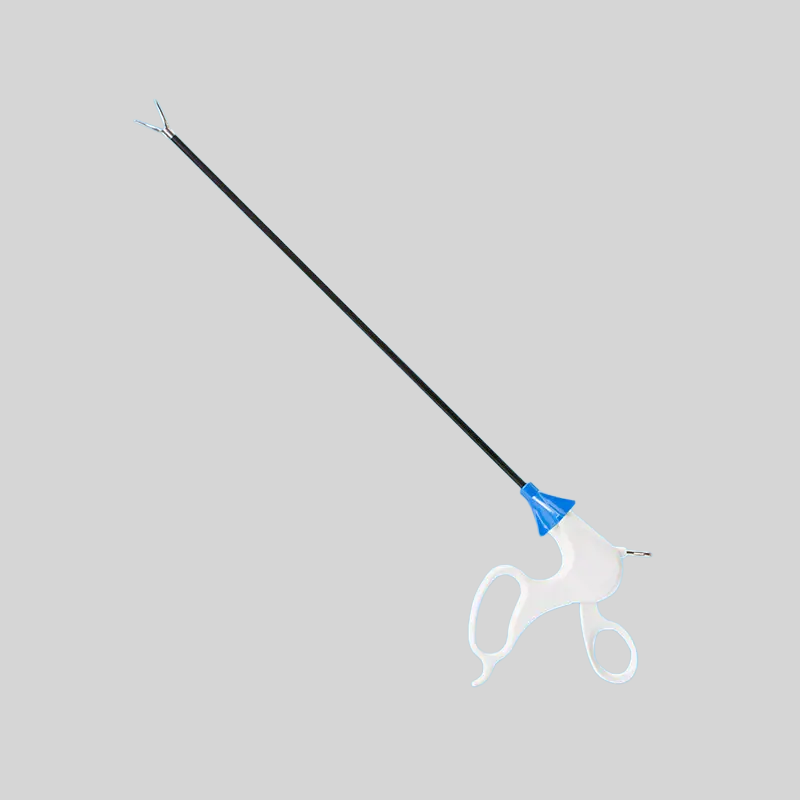
The cost-effective operations and workflow efficiency advantages of disposable bipolar forceps create substantial value propositions for healthcare facilities seeking to optimize their surgical departments while maintaining the highest standards of patient care and safety. The elimination of reprocessing costs represents a significant financial benefit, as healthcare facilities no longer need to invest in expensive sterilization equipment, maintain dedicated reprocessing staff, or allocate valuable space for cleaning and sterilization operations specifically for bipolar forceps. The labor savings extend beyond direct reprocessing activities to include reduced inventory tracking, elimination of maintenance scheduling, and decreased quality assurance testing requirements that are typically associated with reusable electrosurgical instruments. These operational efficiencies translate into measurable cost reductions that often exceed the incremental expense of disposable bipolar forceps, particularly when facilities account for the total cost of ownership including equipment depreciation, utility consumption, and staff time allocation. Workflow efficiency improvements manifest in multiple ways, starting with the immediate availability of sterile disposable bipolar forceps that eliminate delays associated with instrument reprocessing between cases. Surgical teams benefit from simplified setup procedures and reduced turnover times, allowing for increased case throughput and improved operating room utilization rates that directly impact facility profitability and patient access to surgical services. The standardized performance characteristics of disposable bipolar forceps eliminate variability in instrument function that can occur with reusable alternatives, reducing the likelihood of case delays due to equipment malfunction or suboptimal performance. Inventory management becomes significantly more straightforward with disposable bipolar forceps, as facilities can implement just-in-time ordering systems that reduce storage requirements and minimize capital tied up in instrument inventory. The predictable per-case costs associated with disposable bipolar forceps facilitate accurate surgical procedure costing and budgeting, enabling more precise financial planning and resource allocation. Risk management benefits include reduced liability exposure from potential sterilization failures or instrument-related complications, while compliance with regulatory requirements becomes more straightforward when facilities can demonstrate the use of single-use, sterile instruments for each patient. The environmental impact considerations favor disposable bipolar forceps when comprehensive lifecycle assessments account for the water, energy, and chemical consumption required for reprocessing reusable instruments, making them an environmentally responsible choice for forward-thinking healthcare facilities committed to sustainable operational practices.


 EN
EN