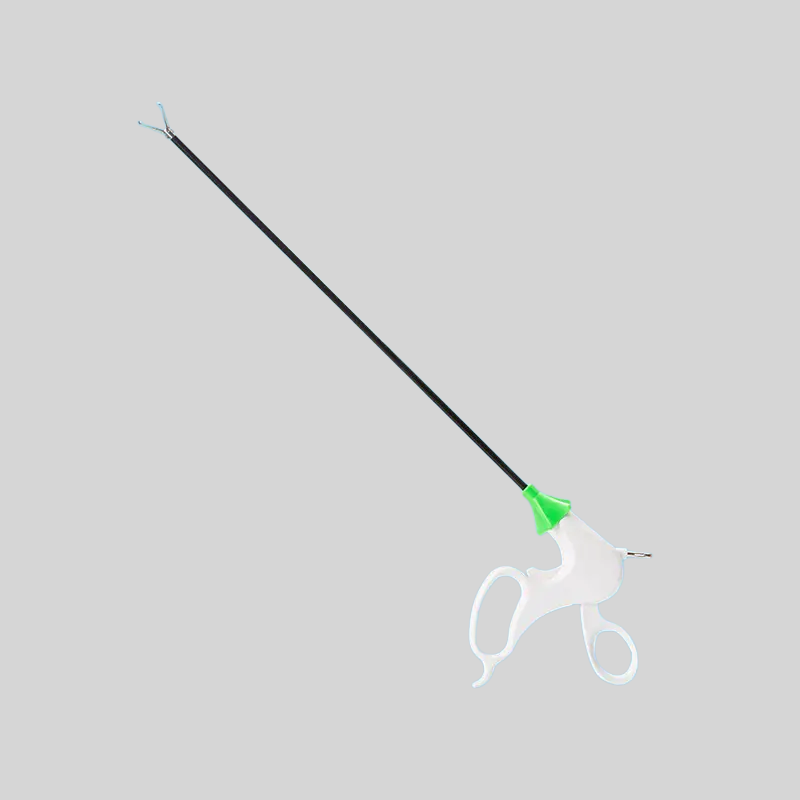
Versatile Multi-Specialty Applications
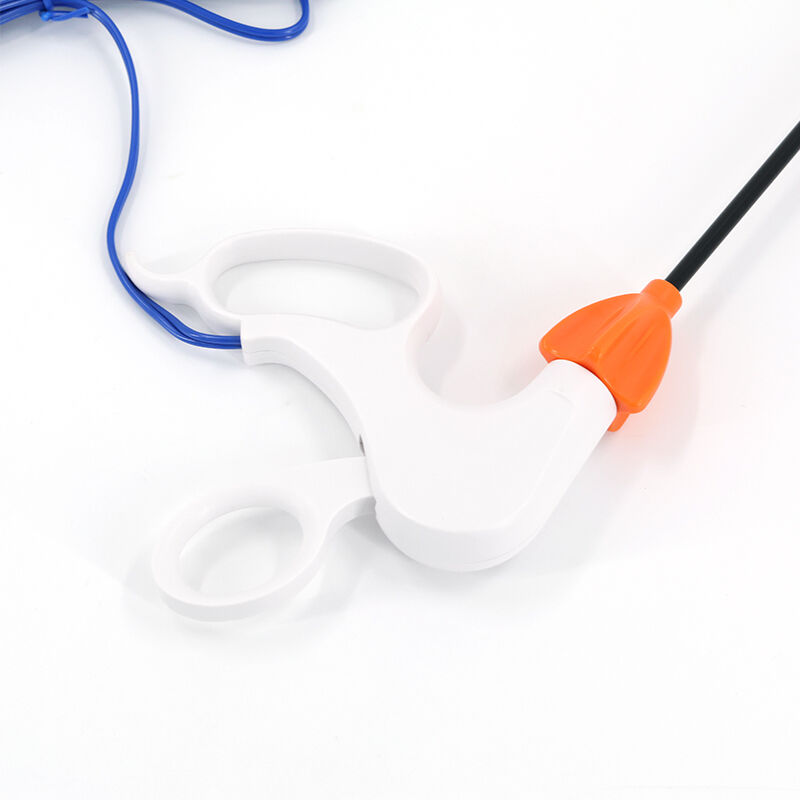
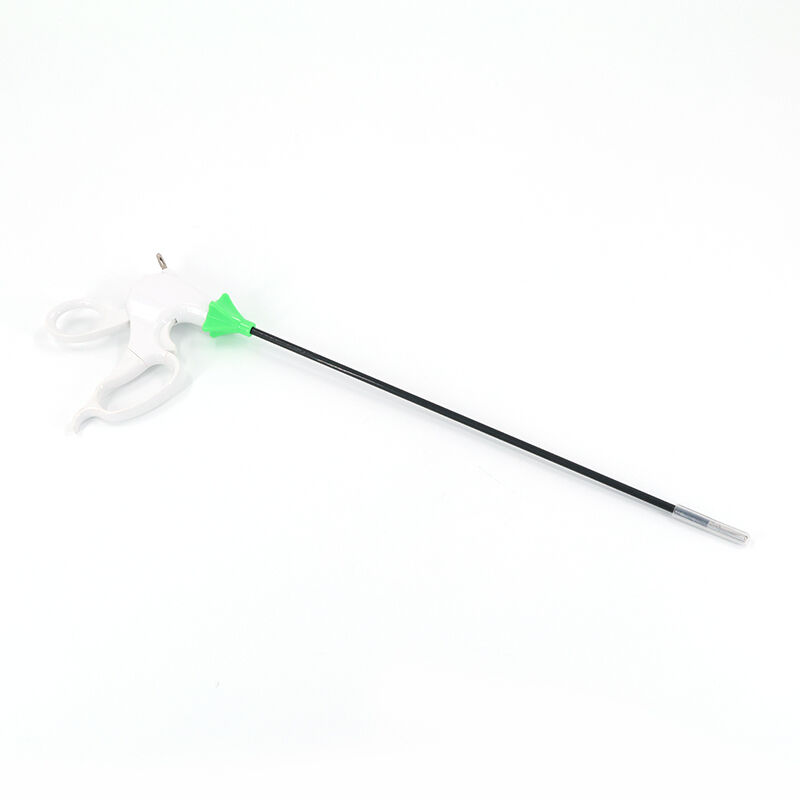
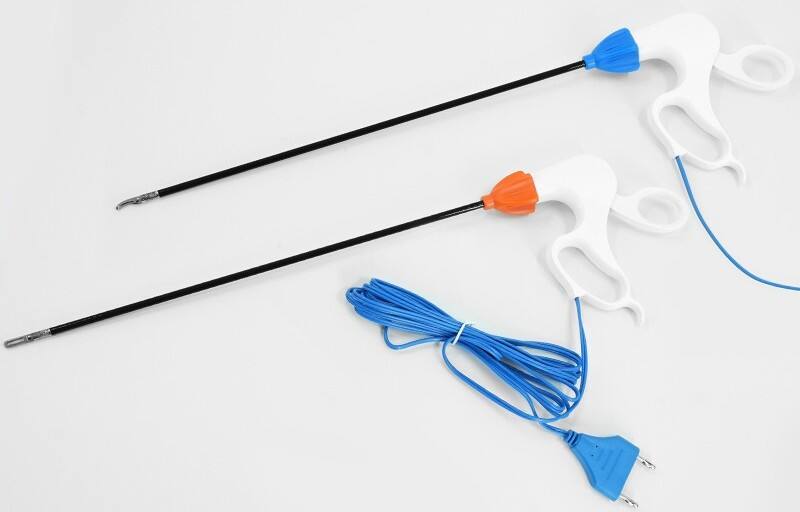
The bipolar dissector demonstrates remarkable versatility across multiple surgical specialties, making it an invaluable investment for healthcare facilities seeking to optimize their instrument inventory and surgical capabilities. This adaptability stems from the device's sophisticated engineering that accommodates the diverse requirements of different surgical disciplines while maintaining consistent performance standards. In general surgery applications, the bipolar dissector excels in procedures ranging from simple excisions to complex abdominal operations, providing surgeons with precise control over tissue handling and hemostasis. The device proves particularly valuable in laparoscopic procedures where space constraints and magnified visualization demand exceptional precision and reliability. In gynecological surgery, the bipolar dissector has become an essential tool for procedures such as hysterectomies, ovarian cyst removal, and endometriosis treatment. The device's ability to work effectively in the confined pelvic space while providing excellent visualization and hemostatic control makes it ideal for both open and minimally invasive gynecological procedures. The precise energy delivery helps preserve important structures such as the ureter and major blood vessels while ensuring complete tissue removal and adequate hemostasis. Urological applications benefit significantly from the bipolar dissector's precision and safety profile, particularly in procedures involving delicate structures such as the prostate, bladder, and kidney. The device enables surgeons to perform complex reconstructive procedures with confidence, knowing that the controlled energy delivery will minimize damage to surrounding tissues and preserve important anatomical structures. In neurosurgical applications, where precision is absolutely critical, the bipolar dissector provides unparalleled control for procedures involving brain and spinal cord tissues. The device's ability to deliver precise energy while minimizing thermal spread makes it ideal for tumor resections, arteriovenous malformation treatments, and other delicate neurosurgical procedures. The consistent performance and reliable hemostasis provided by the bipolar dissector are particularly valuable in the challenging environment of neurosurgery where even minor complications can have serious consequences. This multi-specialty versatility translates into significant economic advantages for healthcare facilities, as a single bipolar dissector can serve multiple departments and surgical specialties, reducing capital equipment costs and simplifying inventory management. The standardization across specialties also streamlines staff training and reduces the learning curve associated with new equipment adoption.


 EN
EN