Precision Control and Enhanced Surgical Outcomes
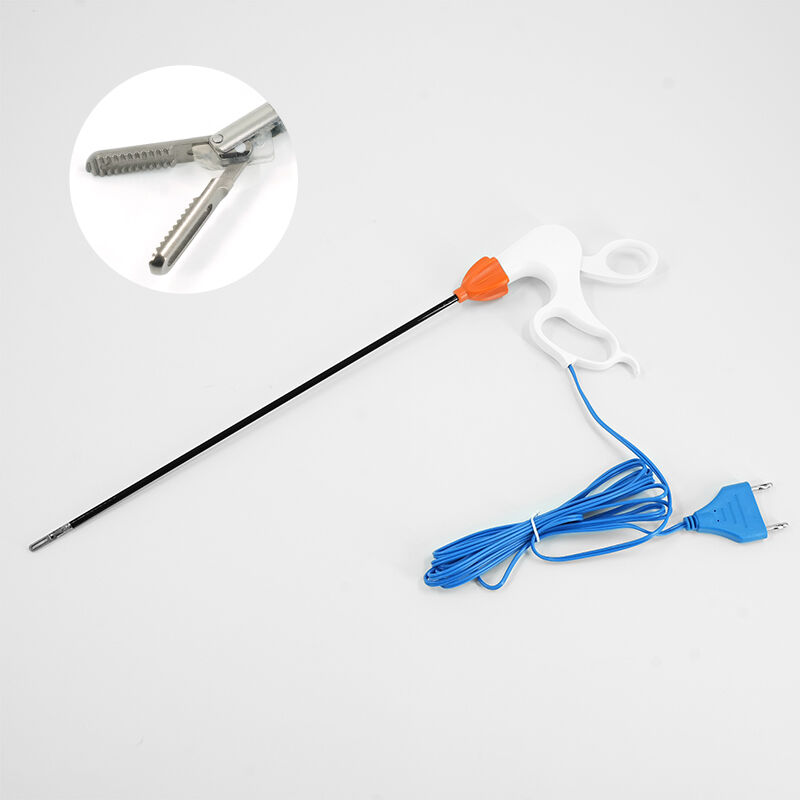
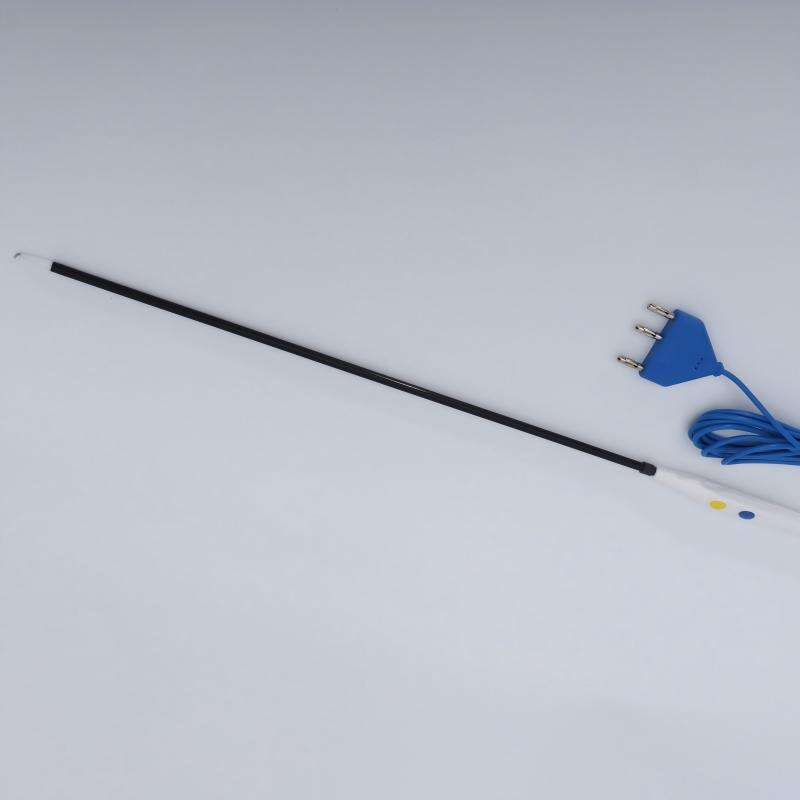
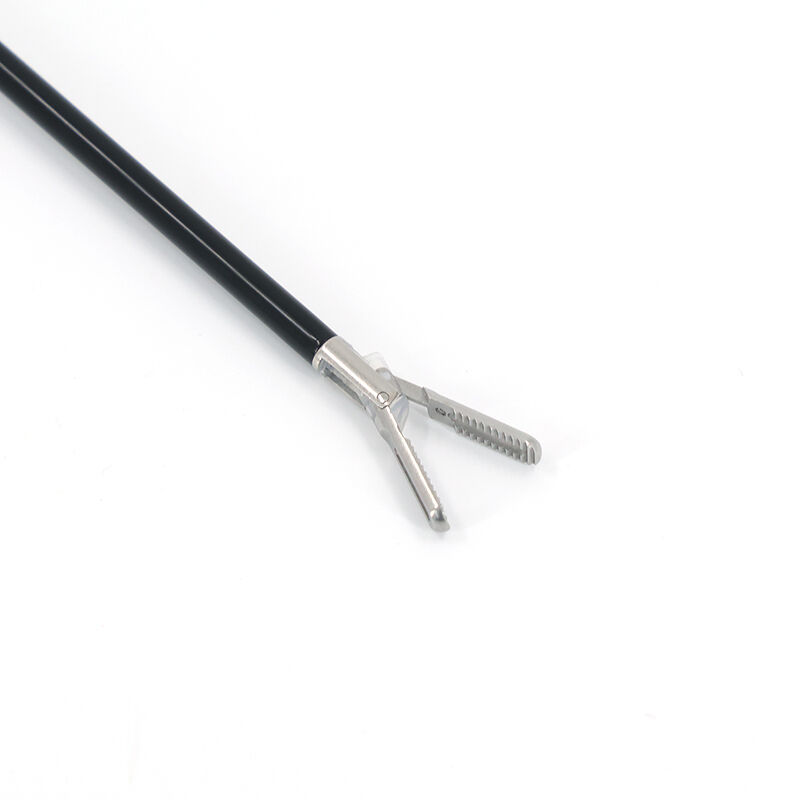
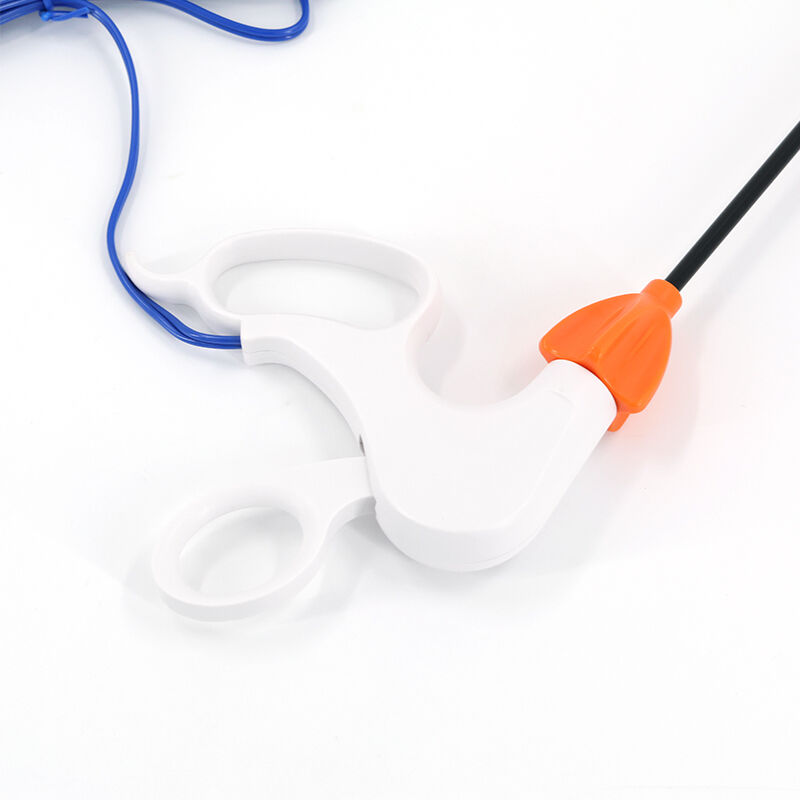
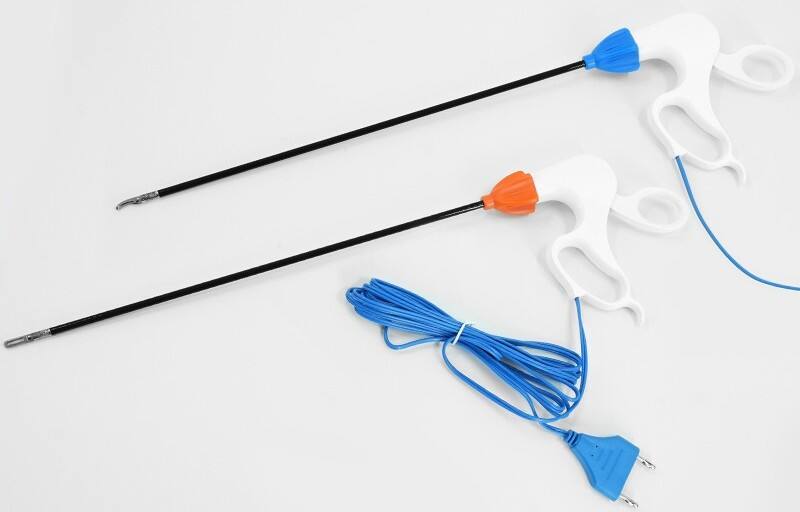
The bipolar clamp delivers unparalleled precision control that empowers surgeons to achieve superior results across a wide range of surgical applications. This remarkable precision stems from the instrument's ability to deliver concentrated energy exactly where needed, allowing for microscopic accuracy in tissue manipulation and hemostasis. The localized energy delivery system enables surgeons to work confidently near vital structures such as major blood vessels, nerves, and organs without risking collateral damage that might compromise patient safety or surgical outcomes. Advanced pressure sensitivity features allow the bipolar clamp to respond to varying tissue densities, automatically adjusting energy output to achieve consistent results regardless of anatomical variations. This adaptive capability ensures reliable vessel sealing across different tissue types, from thin-walled capillaries to thick muscular arteries, providing surgeons with confidence in their hemostatic techniques. The instrument's ergonomic design enhances surgeon dexterity and reduces hand fatigue during lengthy procedures, maintaining steady control throughout complex operations. Precision grip surfaces and balanced weight distribution contribute to improved instrument handling, allowing for delicate maneuvers that require steady hands and fine motor control. The bipolar clamp features multiple operational modes that can be selected based on specific surgical requirements, providing flexibility to adapt to changing procedural demands without switching instruments. Real-time feedback systems inform surgeons about tissue effects as they occur, enabling immediate adjustments to technique or power settings when necessary. Visual and audible indicators confirm successful coagulation, eliminating guesswork and ensuring complete hemostasis before proceeding to the next surgical step. This precision control translates into measurably better surgical outcomes, including reduced bleeding complications, shorter operative times, and improved healing responses. Minimally invasive procedures particularly benefit from bipolar clamp precision, as the limited visual field and restricted instrument movement require exceptional accuracy to achieve successful results. The enhanced control capabilities enable surgeons to perform more complex procedures with greater confidence, expanding treatment options for patients who might otherwise require more invasive surgical approaches.




 EN
EN