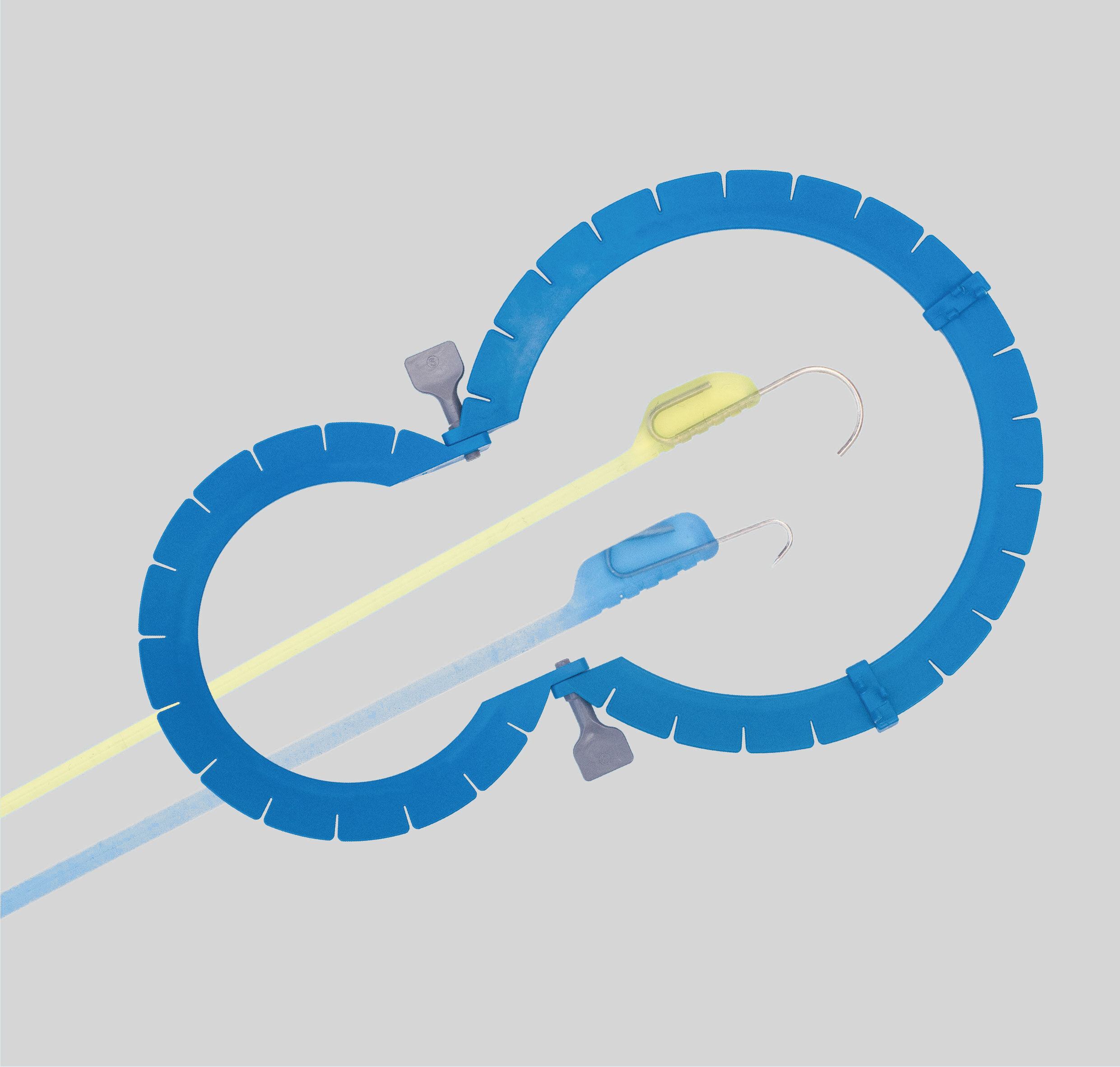
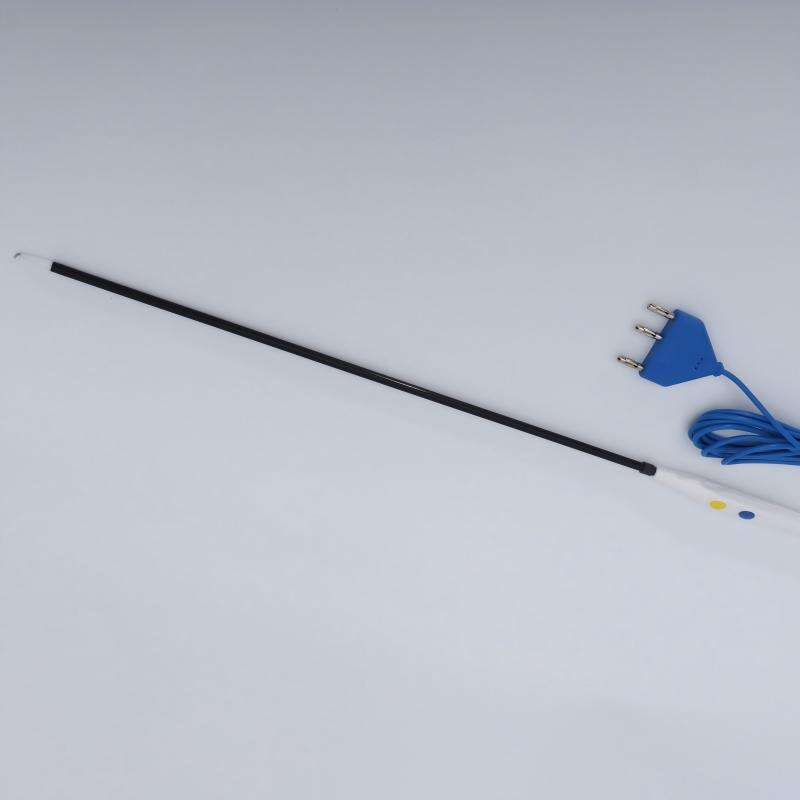
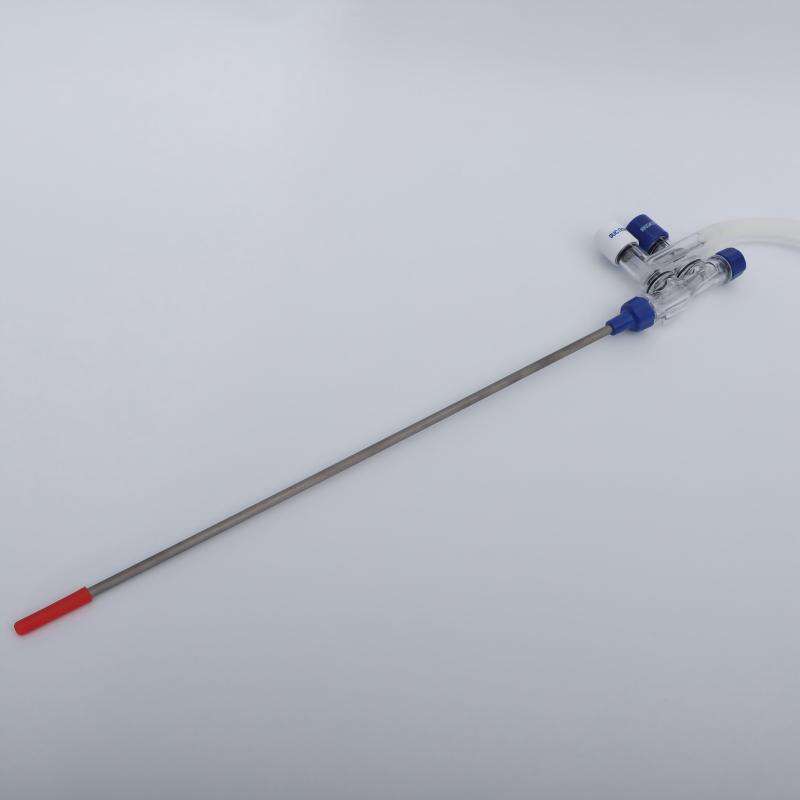
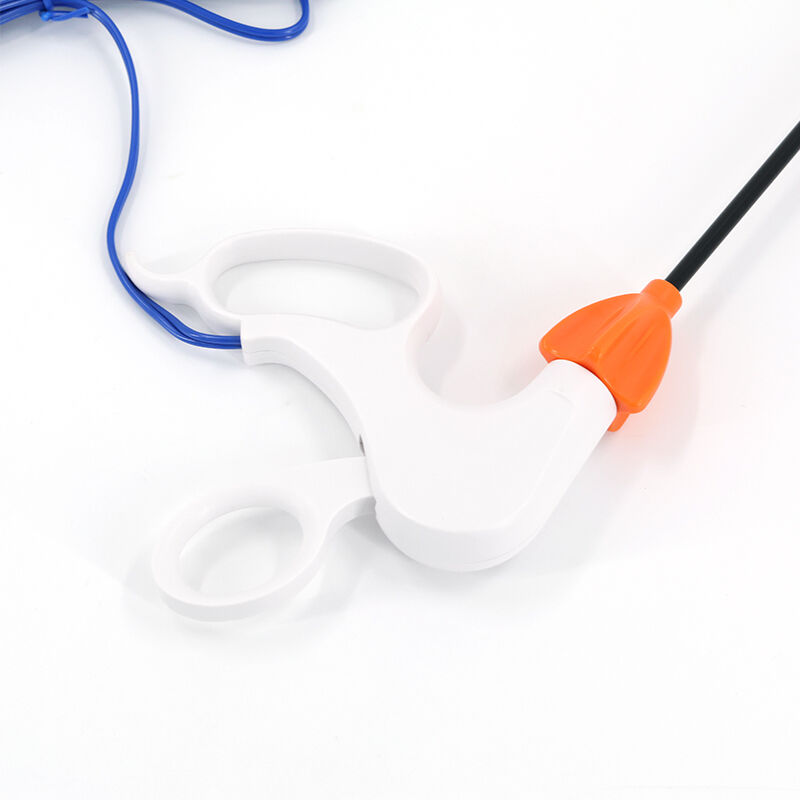
fenestrated bipolar forceps
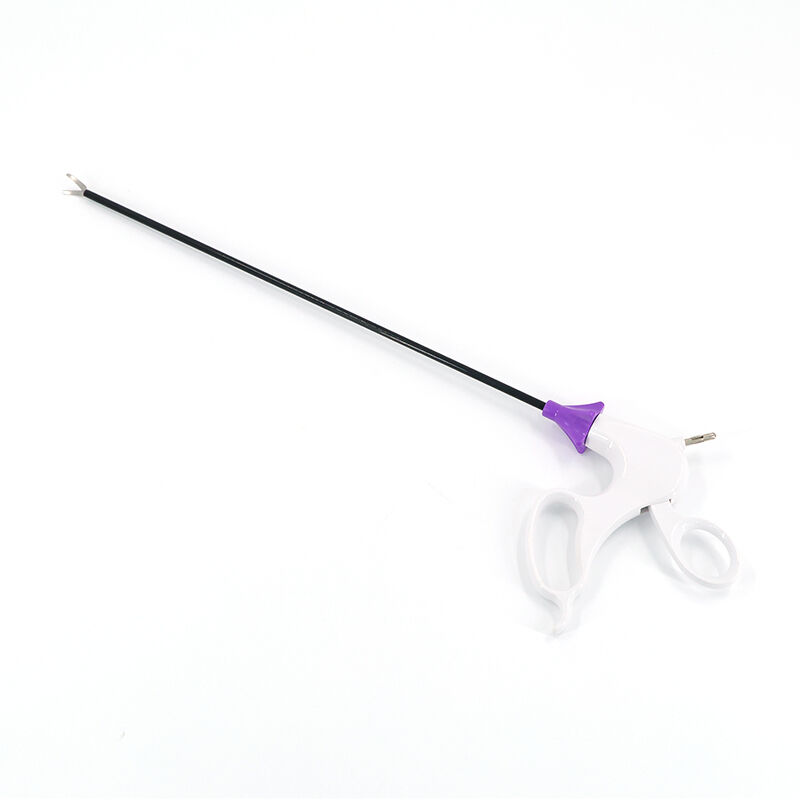
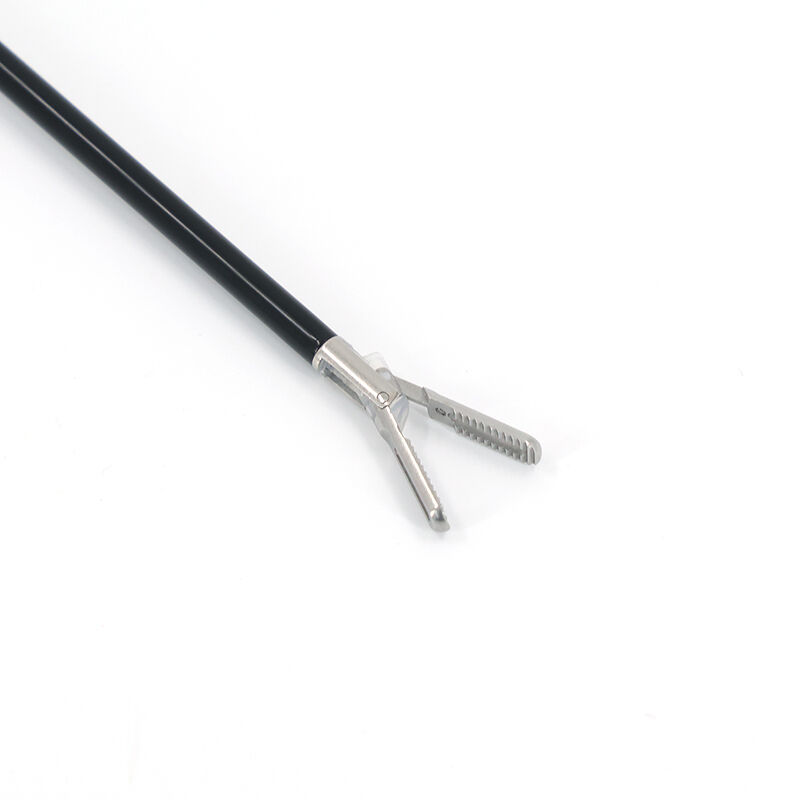
The fenestrated bipolar forceps represents a sophisticated surgical instrument designed to deliver precise electrosurgical coagulation while maintaining optimal tissue handling capabilities. This advanced medical device features strategically placed fenestrations or windows along its tip structure, allowing surgeons to achieve enhanced visualization during delicate procedures. The fenestrated bipolar forceps operates through a controlled bipolar electrocautery system, where electrical current flows between the two tips of the instrument, creating localized heating for effective tissue coagulation. The fenestrations serve multiple critical functions, including improved irrigation flow, enhanced tissue grip, and superior debris evacuation during surgical procedures. The instrument's design incorporates precision-engineered materials that ensure consistent electrical conductivity while maintaining durability under repeated sterilization cycles. Surgeons rely on fenestrated bipolar forceps for procedures requiring meticulous hemostasis control, particularly in neurosurgery, ophthalmology, and microsurgery applications. The technological features of this instrument include ergonomic handles that reduce hand fatigue during extended procedures, insulated shafts that prevent unwanted electrical discharge, and calibrated tip pressure that allows for gentle tissue manipulation. The fenestrated design enables continuous saline irrigation, which helps maintain clear visualization while preventing tissue desiccation during coagulation procedures. Modern fenestrated bipolar forceps incorporate advanced metallurgy and surface treatments that resist protein buildup and facilitate easy cleaning. The instrument's versatility extends to various surgical specialties, making it an essential component of contemporary surgical practice. Healthcare professionals value the fenestrated bipolar forceps for its reliability, precision, and ability to minimize collateral tissue damage while achieving effective hemostasis in challenging anatomical locations.

 EN
EN