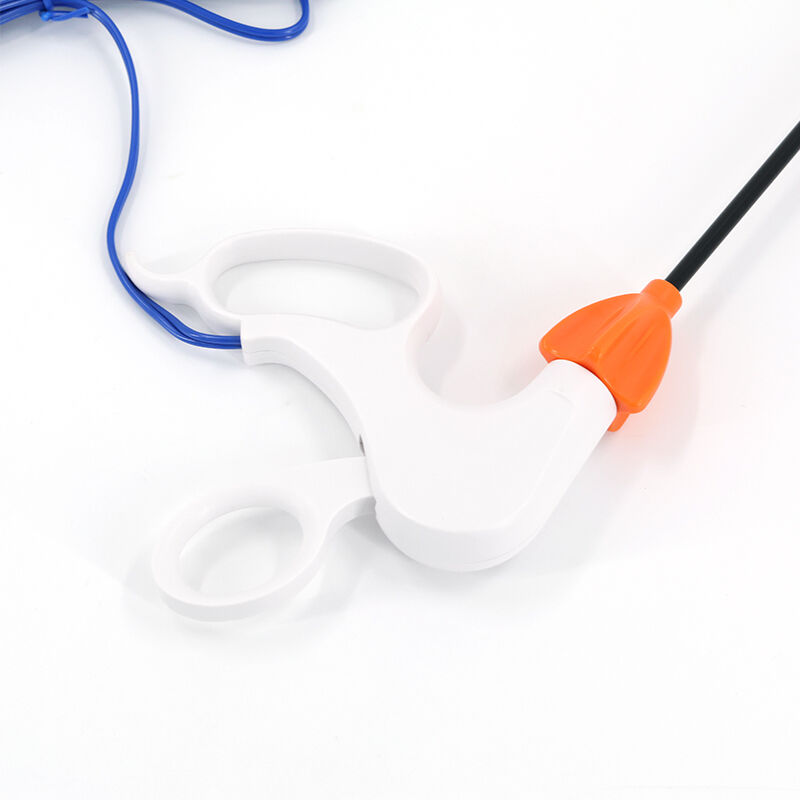
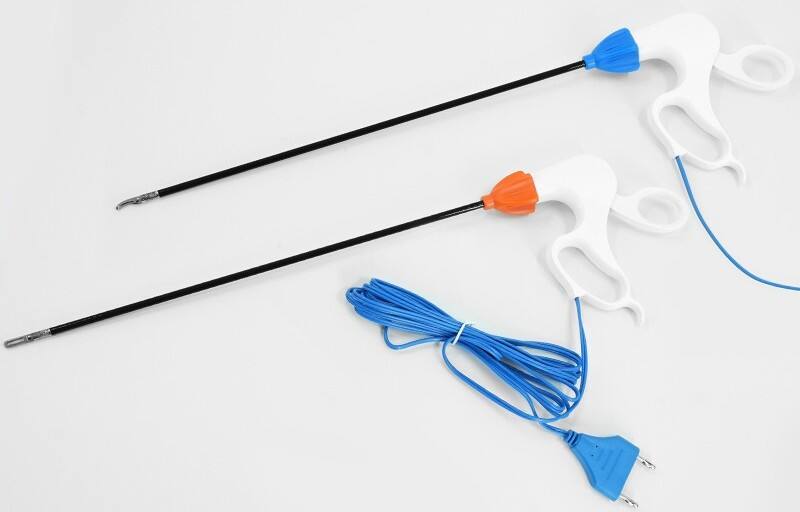
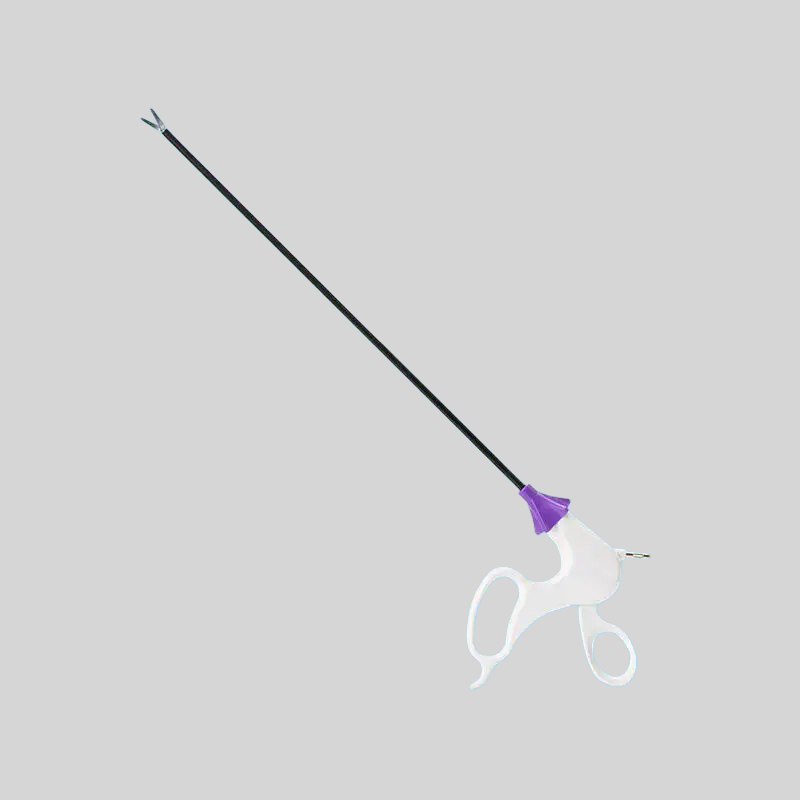
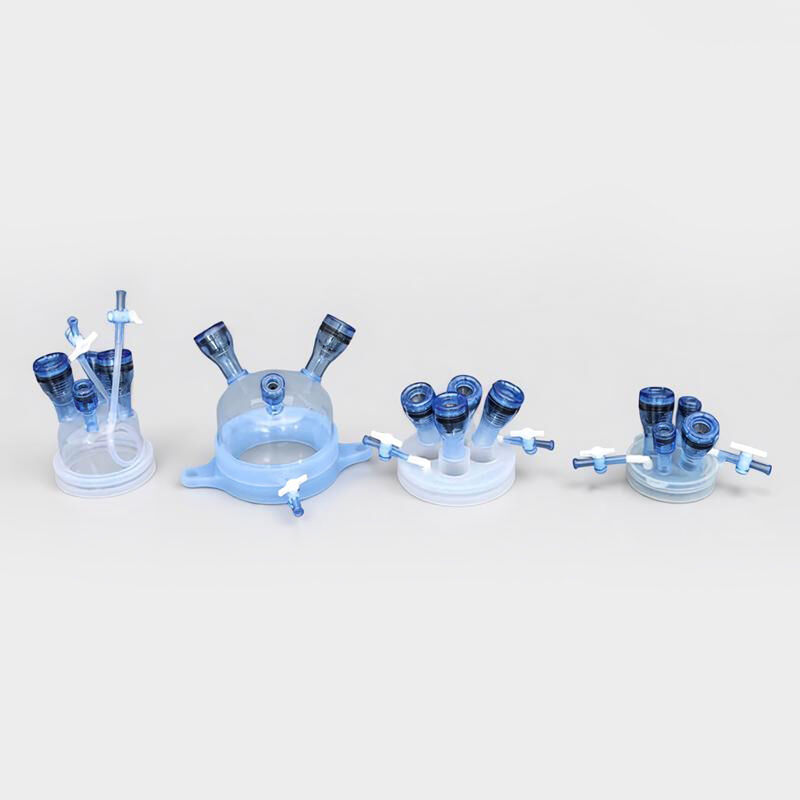
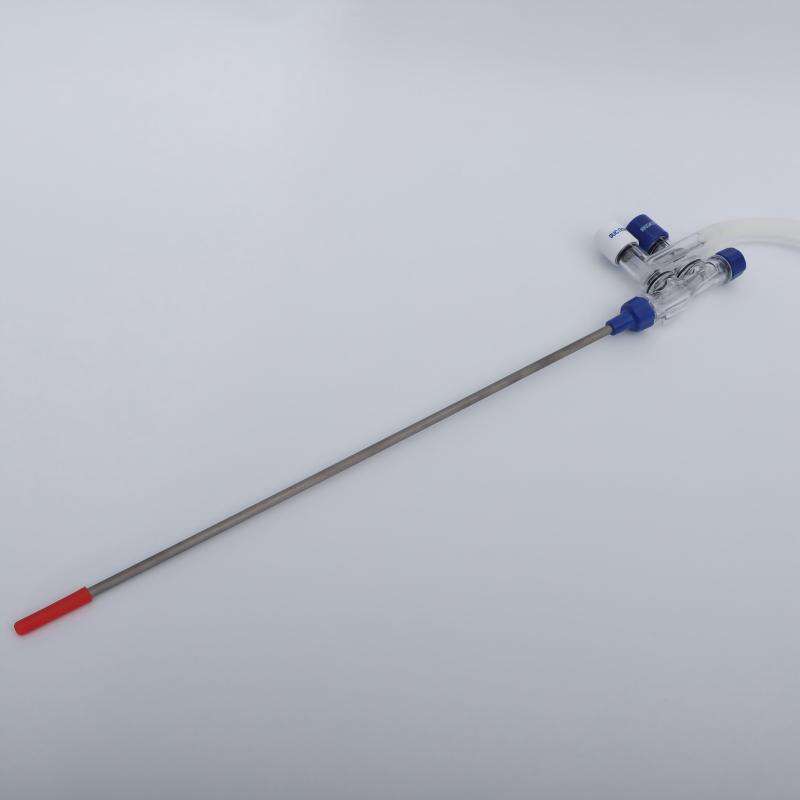
Professional Bipolar Surgery Instruments - Advanced Precision Technology for Superior Surgical Outcomes

Get a Free Quote

Our representative will contact you soon.
Email
Mobile/WhatsApp
Name
Company Name
Message
0/1000

bipolar surgery instruments

Bipolar surgery instruments represent a revolutionary advancement in modern surgical technology, designed to provide surgeons with precise control and enhanced safety during various medical procedures. These sophisticated tools utilize a unique electrical current system where both the active and return electrodes are integrated within the same instrument, creating a localized electrical circuit that significantly reduces the risk of electrical burns and unintended tissue damage. The main function of bipolar surgery instruments centers on their ability to deliver controlled electrical energy directly to target tissues while maintaining exceptional precision and minimizing thermal spread to surrounding healthy structures. Unlike monopolar systems, bipolar surgery instruments confine the electrical current between two closely positioned electrodes, ensuring that energy remains concentrated within the intended treatment area. The technological features of these instruments include advanced insulation systems, ergonomic designs for surgeon comfort during extended procedures, and sophisticated feedback mechanisms that automatically adjust power output based on tissue impedance. Modern bipolar surgery instruments incorporate smart sensing technology that continuously monitors tissue resistance and modifies electrical delivery accordingly, preventing overheating and carbonization while maintaining optimal cutting and coagulation performance. These instruments find extensive applications across multiple surgical specialties, including neurosurgery, cardiovascular procedures, ophthalmology, gynecology, and general surgery. In neurosurgical applications, bipolar surgery instruments enable delicate brain tissue manipulation with minimal collateral damage, while cardiovascular surgeons rely on these tools for precise vessel sealing and tissue dissection. The versatility of bipolar surgery instruments extends to microsurgical procedures where extreme precision is paramount, allowing surgeons to work on minute structures with confidence and accuracy. Advanced models feature variable power settings, specialized tip configurations for different tissue types, and integrated irrigation systems that maintain clear visualization while preventing excessive heating.


Popular Products

Bipolar surgery instruments deliver substantial benefits that directly improve surgical outcomes and enhance patient safety across diverse medical procedures. The primary advantage lies in their exceptional precision, allowing surgeons to target specific tissue areas without affecting adjacent healthy structures. This precision translates to reduced surgical trauma, faster patient recovery times, and significantly lower complication rates compared to traditional surgical methods. The localized electrical circuit design eliminates the need for patient grounding pads, removing the risk of electrical burns at distant sites and improving overall patient comfort during procedures. Surgeons experience enhanced control through real-time tissue feedback mechanisms that automatically adjust power delivery based on tissue resistance, preventing overheating and ensuring consistent performance throughout lengthy operations. The reduced thermal spread characteristic of bipolar surgery instruments means less collateral tissue damage, resulting in better healing outcomes and reduced scarring for patients. These instruments significantly decrease bleeding during procedures through superior hemostatic capabilities, providing clearer surgical fields and reducing the need for additional interventions. The ergonomic design features reduce surgeon fatigue during extended operations, contributing to maintained precision and focus throughout complex procedures. Cost-effectiveness represents another significant advantage, as bipolar surgery instruments reduce overall procedure times, minimize the need for additional hemostatic agents, and decrease post-operative complications that could require costly follow-up treatments. The versatility of these instruments allows surgical teams to standardize their equipment across multiple specialties, reducing training requirements and inventory management complexity. Improved visualization during procedures results from reduced smoke production and cleaner tissue interaction, enabling surgeons to work with greater confidence and accuracy. The consistent performance characteristics of modern bipolar surgery instruments ensure reliable results across different tissue types and surgical scenarios, contributing to better patient outcomes and increased surgeon satisfaction. Enhanced safety profiles make these instruments particularly valuable in high-risk procedures where traditional methods might pose additional complications.

Practical Tips

Building Core Competitive Advantage Through Technological Innovation and Quality Control

05

Feb

Building Core Competitive Advantage Through Technological Innovation and Quality Control

View More
Focusing On High-Value Medical Devices, Leveraging a Diversified Product Portfolio To Empower Clinical Minimally Invasive Treatments

05

Feb

Focusing On High-Value Medical Devices, Leveraging a Diversified Product Portfolio To Empower Clinical Minimally Invasive Treatments

View More
Deeply Engaged In The High-End Medical Consumables Field, With Innovation Driving The Development Of Minimally Invasive Surgery.

05

Feb

Deeply Engaged In The High-End Medical Consumables Field, With Innovation Driving The Development Of Minimally Invasive Surgery.

View More

Get a Free Quote

Our representative will contact you soon.
Email
Mobile/WhatsApp
Name
Company Name
Message
0/1000

bipolar surgery instruments

Advanced Precision Technology for Superior Surgical Control

Advanced Precision Technology for Superior Surgical Control

The precision technology integrated into modern bipolar surgery instruments represents a quantum leap in surgical capability, offering surgeons unprecedented control over tissue interaction and energy delivery. This advanced system utilizes sophisticated microprocessor-controlled feedback mechanisms that continuously monitor tissue impedance and automatically adjust electrical output to maintain optimal performance throughout the procedure. The technology incorporates dual-electrode design principles where both active and return electrodes are positioned within millimeters of each other, creating a highly localized electrical field that confines energy delivery to the exact target area. This precision extends to the instrument's ability to differentiate between various tissue types, automatically modifying power parameters to ensure appropriate treatment for each specific structure encountered during surgery. The advanced sensing capabilities detect real-time changes in tissue resistance, preventing overheating and carbonization that could compromise surgical outcomes or damage surrounding healthy tissues. Surgeons benefit from instant feedback through integrated display systems that provide continuous monitoring of power delivery, tissue impedance, and temperature parameters, enabling informed decision-making throughout the procedure. The precision technology also includes programmable settings that allow customization for specific surgical applications, with preset configurations for different tissue types and procedural requirements. This level of control reduces the learning curve for surgical teams while ensuring consistent results across various operators and procedures. The system's ability to maintain stable performance under varying surgical conditions makes it invaluable for complex procedures where precision is paramount. Enhanced visualization capabilities result from reduced smoke production and cleaner tissue cutting, providing surgeons with clear sight lines and improved procedural accuracy. The technology's integration with modern surgical navigation systems further amplifies precision capabilities, enabling guided procedures with submillimeter accuracy in critical anatomical areas.
Enhanced Safety Features That Protect Patients and Medical Staff

Enhanced Safety Features That Protect Patients and Medical Staff

Safety enhancement represents the cornerstone of bipolar surgery instruments design philosophy, incorporating multiple protective mechanisms that safeguard both patients and surgical teams during medical procedures. The isolated electrical circuit design eliminates the need for patient grounding pads, removing the risk of electrical burns at remote body sites that can occur with monopolar systems. This fundamental safety improvement significantly reduces liability concerns and enhances overall procedural safety standards. Advanced insulation systems prevent accidental electrical contact with unintended tissues, while sophisticated monitoring circuits continuously assess system integrity and automatically shut down power delivery if any malfunction is detected. The instruments incorporate fail-safe mechanisms that prevent accidental activation, including pressure-sensitive switches and dual-activation requirements that ensure intentional operation only. Thermal protection systems monitor temperature levels throughout the procedure, automatically reducing power output when excessive heat buildup is detected, preventing thermal injury to both target and adjacent tissues. The localized energy delivery system minimizes electromagnetic interference with other medical devices, reducing the risk of pacemaker disruption or monitoring equipment malfunction during procedures. Ergonomic safety features include non-slip gripping surfaces and balanced weight distribution that reduce the likelihood of accidental drops or slippage during critical procedural moments. Built-in safety interlocks prevent system operation when connections are incomplete or improperly configured, ensuring that all safety protocols are met before energy delivery begins. Visual and audible warning systems alert surgical teams to potential safety concerns, including power overload conditions, electrode malfunction, or system errors that require immediate attention. The instruments' design minimizes the risk of electrical shock to operating room personnel through comprehensive insulation and ground fault protection systems. Regular self-diagnostic routines verify system functionality and safety compliance, providing confidence that all protective mechanisms are operating correctly before each use.
Versatile Applications Across Multiple Surgical Specialties

Versatile Applications Across Multiple Surgical Specialties

The versatile application capabilities of bipolar surgery instruments make them indispensable tools across numerous surgical specialties, providing consistent performance and reliable results regardless of the procedural complexity or anatomical location. In neurosurgical applications, these instruments enable delicate brain tissue manipulation with minimal thermal spread, crucial for procedures near critical neural structures where even minor damage could result in significant functional deficits. Cardiovascular surgeons rely on bipolar technology for precise vessel sealing and tissue dissection during heart and vascular procedures, where hemostatic control is paramount for successful outcomes. The instruments excel in microsurgical applications, providing the precision necessary for operating on minute structures in ophthalmology, reconstructive surgery, and fertility procedures where conventional tools would be inadequate. Gynecological procedures benefit from the reduced bleeding and precise tissue handling capabilities, particularly in laparoscopic operations where space constraints demand exceptional instrument control. General surgery applications span from routine appendectomies to complex hepatobiliary procedures, with surgeons appreciating the consistent performance across diverse tissue types and procedural requirements. Plastic and reconstructive surgery specialties utilize these instruments for their ability to minimize scarring and promote better healing outcomes through precise energy delivery and reduced thermal damage. Orthopedic applications include soft tissue procedures around joints and bones, where precision is essential to preserve function while addressing pathological conditions. The instruments adapt seamlessly to endoscopic procedures across multiple specialties, providing the same level of precision and control in minimally invasive approaches as in open surgical techniques. Urological procedures benefit from the superior hemostatic capabilities and reduced post-operative complications associated with precise tissue handling. Emergency surgery situations particularly benefit from the rapid hemostatic control and reduced procedure times achievable with these versatile instruments. The standardization possibilities across specialties reduce equipment costs and training requirements for healthcare facilities, while ensuring consistent quality outcomes regardless of the specific surgical application or operator experience level.
Professional Bipolar Surgery Instruments - Advanced Precision Technology for Superior Surgical Outcomes

Get a Free Quote

Our representative will contact you soon.
Email
Mobile/WhatsApp
Name
Company Name
Message
0/1000