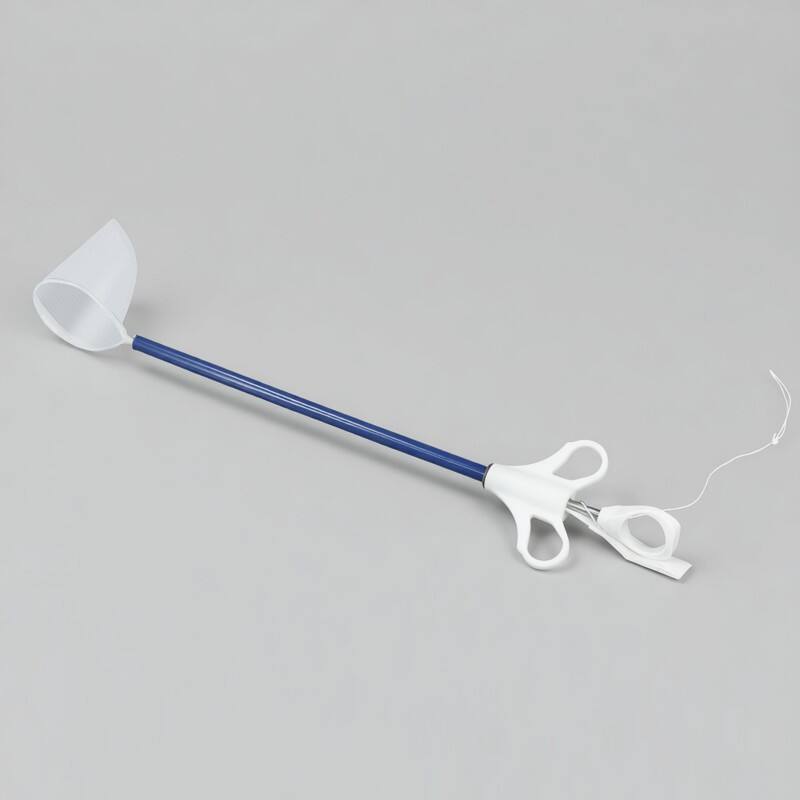
single use bipolar forceps
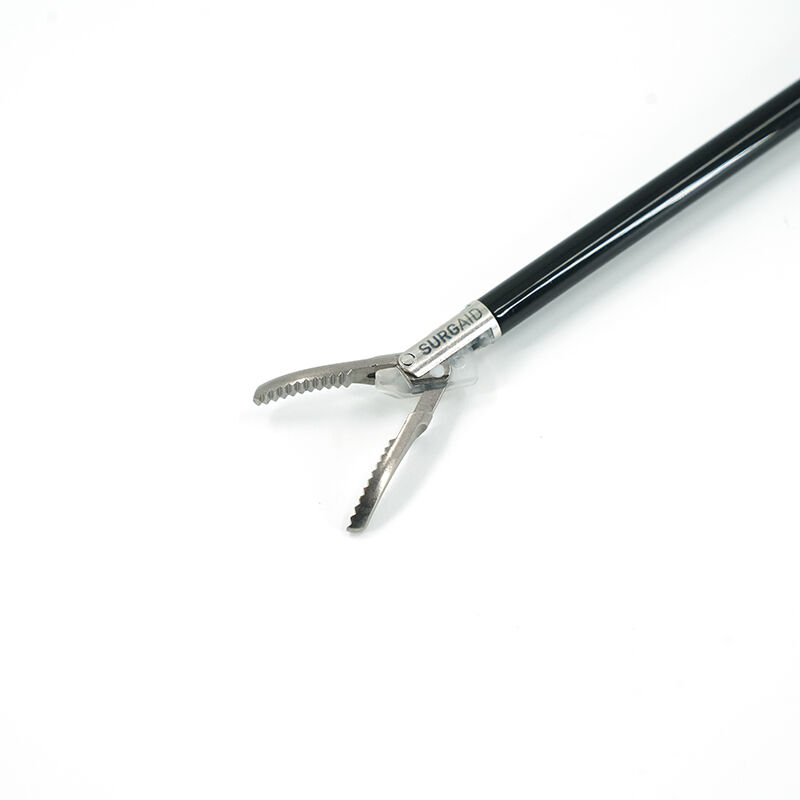
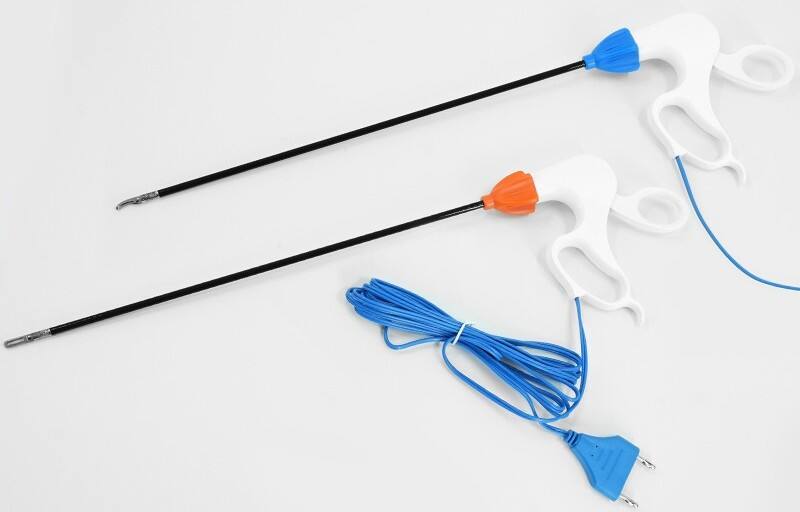
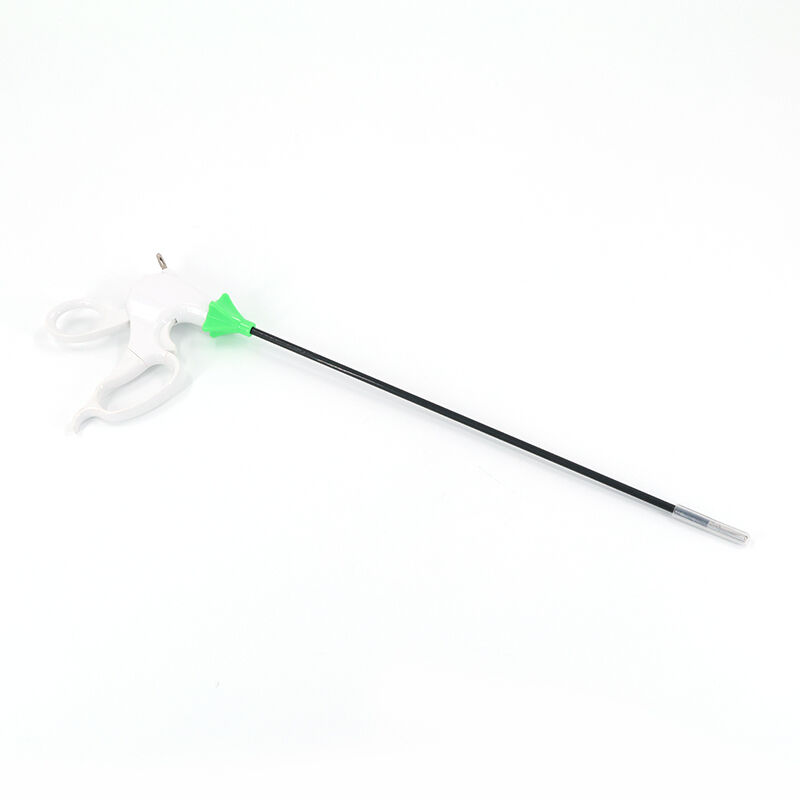
Single use bipolar forceps represent a revolutionary advancement in modern surgical instrumentation, designed to deliver precise electrosurgical coagulation and cutting capabilities in sterile medical environments. These specialized instruments combine the functionality of traditional bipolar forceps with the safety and convenience of disposable medical devices, eliminating concerns about cross-contamination and sterilization protocols. The single use bipolar forceps feature two electrodes positioned at the tip ends, allowing electrical current to flow between them through targeted tissue, creating controlled thermal effects for coagulation, desiccation, and cutting procedures. This innovative design ensures that surgeons can achieve hemostasis with exceptional precision while maintaining optimal patient safety standards. The technological architecture of single use bipolar forceps incorporates advanced materials engineering, featuring ergonomic handles crafted from medical-grade polymers that provide comfortable grip and precise control during extended surgical procedures. The electrode tips are manufactured using high-quality stainless steel or specialized alloys that deliver consistent electrical conductivity and thermal distribution. These instruments are compatible with standard electrosurgical generators, making integration into existing surgical setups seamless and efficient. The insulation properties of single use bipolar forceps prevent unwanted electrical discharge, focusing energy precisely at the treatment site. Clinical applications span numerous surgical specialties, including neurosurgery, cardiovascular surgery, plastic surgery, and general surgery procedures. Surgeons utilize these instruments for vessel sealing, tissue coagulation, hemostasis control, and delicate tissue manipulation in both open and minimally invasive surgical approaches. The precision afforded by single use bipolar forceps makes them particularly valuable in microsurgery and procedures requiring meticulous tissue handling, where traditional monopolar electrosurgery might pose risks to surrounding structures.

 EN
EN