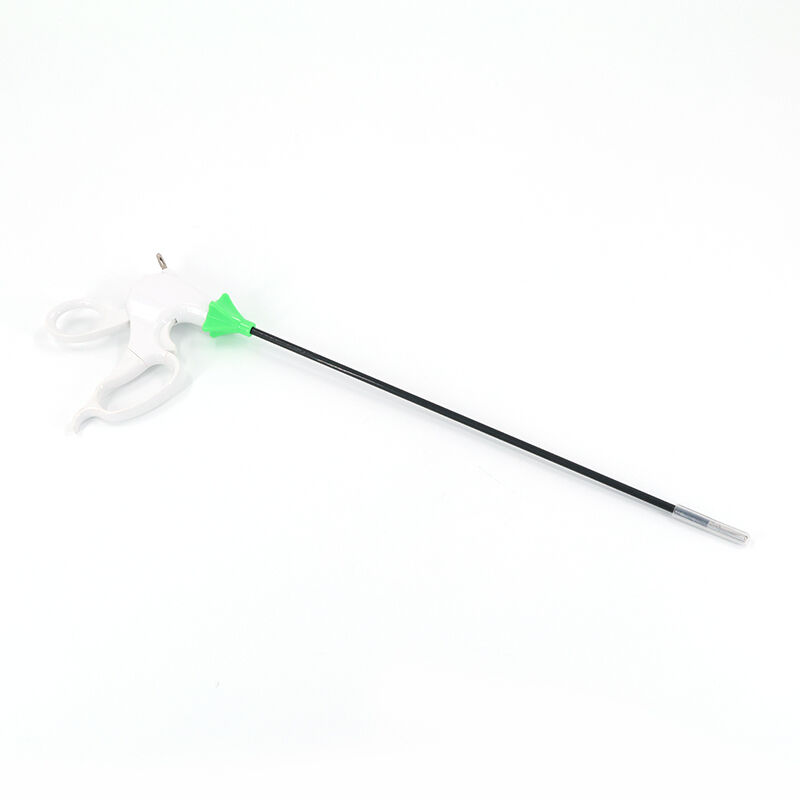
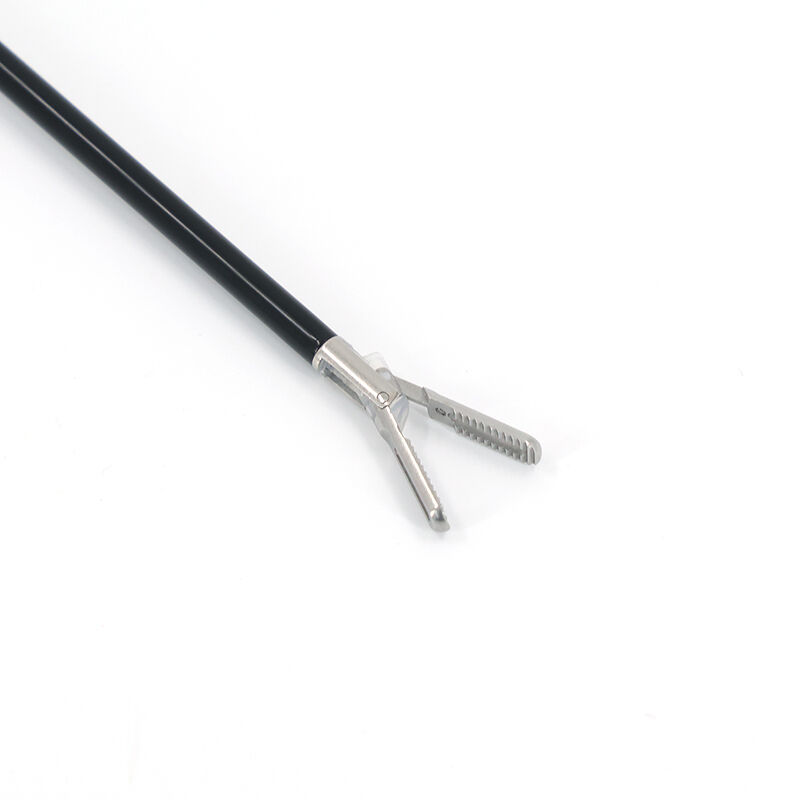
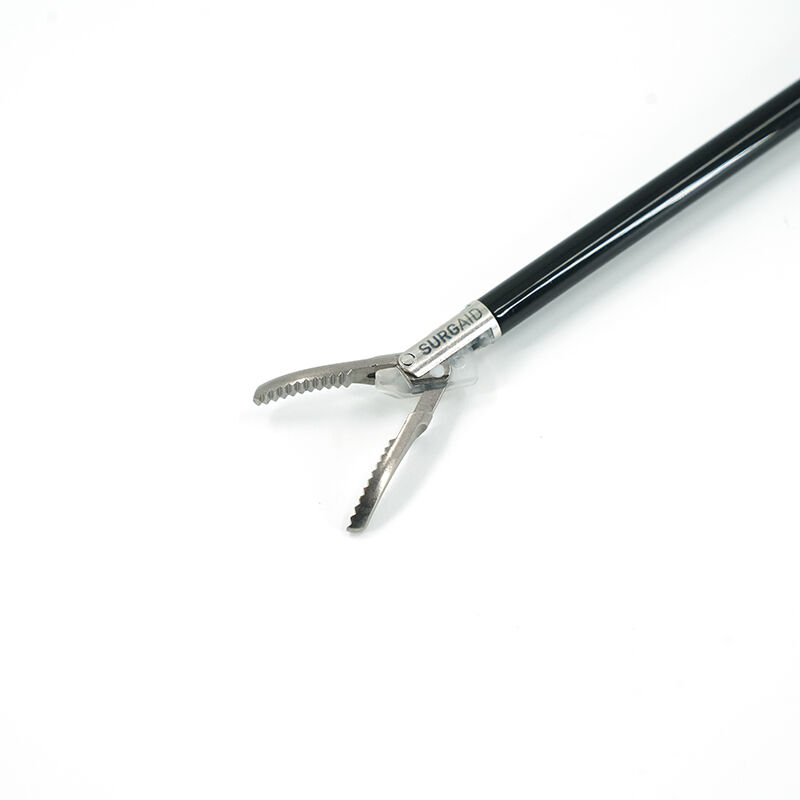
Advanced Bipolar Laparoscopic Instruments - Precision Surgical Technology for Enhanced Patient Safety

Get a Free Quote

Our representative will contact you soon.
Email
Mobile/WhatsApp
Name
Company Name
Message
0/1000

bipolar laparoscopic instruments

Bipolar laparoscopic instruments represent a revolutionary advancement in minimally invasive surgical technology, providing surgeons with enhanced precision and safety during complex procedures. These sophisticated medical devices utilize bipolar electrosurgical technology to deliver controlled electrical energy through two electrodes positioned at the instrument tip, creating a focused electrical circuit that enables precise tissue coagulation and cutting without affecting surrounding anatomical structures. The primary functions of bipolar laparoscopic instruments include hemostasis control, tissue dissection, vessel sealing, and coagulation of bleeding points during laparoscopic procedures. The technological features of these instruments incorporate advanced insulation materials, ergonomic handle designs, and precise electrode configurations that ensure optimal energy delivery while maintaining surgeon comfort during extended procedures. Modern bipolar laparoscopic instruments feature temperature-controlled energy output systems that automatically adjust power levels based on tissue impedance, preventing thermal damage to adjacent organs and reducing the risk of complications. The applications of these instruments span across multiple surgical specialties including gynecology, general surgery, urology, and gastroenterology, where they facilitate procedures such as cholecystectomy, appendectomy, hysterectomy, and various diagnostic interventions. The integration of high-frequency generators with these instruments allows for customizable energy settings that can be tailored to specific tissue types and surgical requirements, ensuring optimal outcomes for different patient populations. These devices also incorporate advanced safety mechanisms including automatic shut-off features and impedance monitoring systems that prevent accidental activation and provide real-time feedback to surgeons about tissue conditions and energy delivery effectiveness.

New Product Recommendations

Bipolar laparoscopic instruments offer numerous compelling advantages that significantly enhance surgical outcomes and patient safety compared to traditional monopolar systems and open surgical techniques. The most notable benefit lies in their superior safety profile, as the bipolar design confines electrical current between the two electrode tips, eliminating the need for dispersive electrode pads and reducing the risk of alternative site burns that can occur with monopolar instruments. This enhanced safety feature particularly benefits patients with cardiac pacemakers or implanted electronic devices, as bipolar systems generate minimal electromagnetic interference. Surgeons experience improved precision and control when using these instruments, as the localized energy delivery allows for meticulous dissection of delicate tissues while preserving vital anatomical structures. The reduced thermal spread associated with bipolar technology minimizes collateral tissue damage, leading to faster healing times and reduced post-operative complications for patients. These instruments provide excellent hemostatic control, enabling surgeons to achieve rapid and reliable bleeding control during procedures, which reduces operative time and blood loss. The ergonomic design of modern bipolar laparoscopic instruments reduces surgeon fatigue during lengthy procedures, featuring comfortable grips and intuitive activation mechanisms that enhance surgical dexterity. Cost-effectiveness represents another significant advantage, as these instruments often eliminate the need for additional hemostatic agents and reduce procedure times, resulting in lower overall healthcare costs. The versatility of bipolar laparoscopic instruments allows surgeons to perform multiple functions with a single device, including cutting, coagulation, and vessel sealing, reducing instrument changes and streamlining surgical workflows. Patients benefit from smaller incisions, reduced scarring, shorter hospital stays, and quicker recovery times compared to traditional open surgical approaches. The reliability and consistency of bipolar energy delivery provide surgeons with predictable results, enhancing surgical confidence and improving patient outcomes across various procedural complexities and anatomical challenges.

Practical Tips

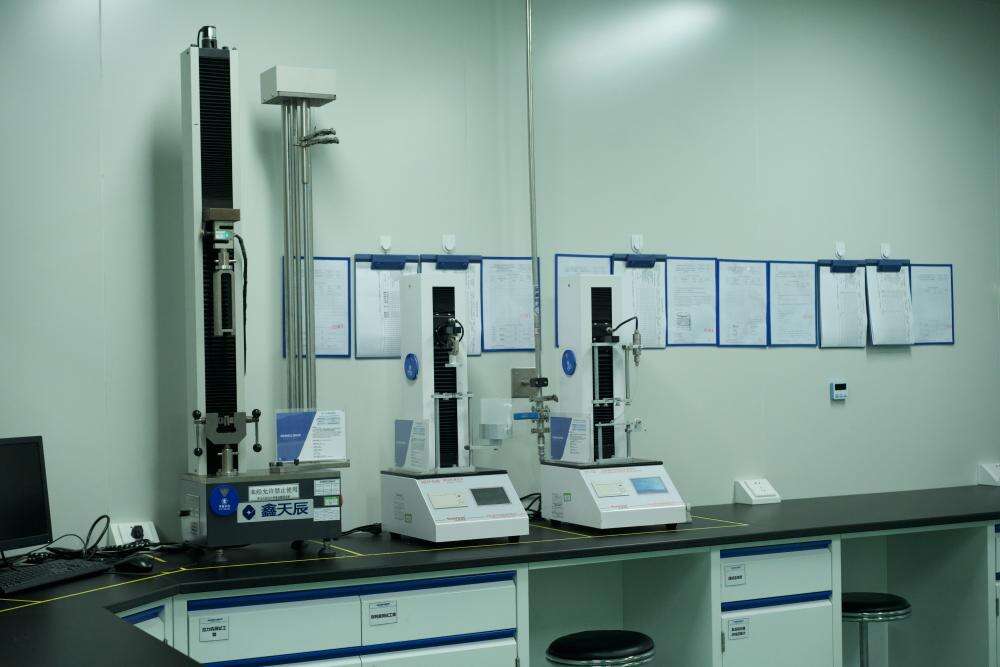
Building Core Competitive Advantage Through Technological Innovation and Quality Control

05

Feb

Building Core Competitive Advantage Through Technological Innovation and Quality Control

View More
Focusing On High-Value Medical Devices, Leveraging a Diversified Product Portfolio To Empower Clinical Minimally Invasive Treatments

05

Feb

Focusing On High-Value Medical Devices, Leveraging a Diversified Product Portfolio To Empower Clinical Minimally Invasive Treatments

View More
Deeply Engaged In The High-End Medical Consumables Field, With Innovation Driving The Development Of Minimally Invasive Surgery.

05

Feb

Deeply Engaged In The High-End Medical Consumables Field, With Innovation Driving The Development Of Minimally Invasive Surgery.

View More

Get a Free Quote

Our representative will contact you soon.
Email
Mobile/WhatsApp
Name
Company Name
Message
0/1000

bipolar laparoscopic instruments

Advanced Safety Technology with Dual-Electrode Design

Advanced Safety Technology with Dual-Electrode Design

The dual-electrode design of bipolar laparoscopic instruments represents a groundbreaking safety advancement that fundamentally transforms surgical risk management and patient protection during minimally invasive procedures. This innovative technology confines electrical current flow between two closely positioned electrodes at the instrument tip, creating a controlled electrical circuit that eliminates the unpredictable current pathways associated with monopolar systems. The significance of this design cannot be overstated, as it completely removes the need for dispersive electrode pads traditionally placed on patient skin, thereby eliminating the risk of alternative site burns that have historically been a concern in electrosurgical procedures. This safety enhancement proves particularly valuable when treating patients with cardiac pacemakers, defibrillators, or other implanted electronic devices, as the localized current flow generates minimal electromagnetic interference that could potentially disrupt these critical medical devices. The confined energy delivery system also prevents accidental activation injuries to surgical team members, as the electrical circuit remains incomplete until both electrodes make simultaneous tissue contact. Modern bipolar laparoscopic instruments incorporate sophisticated impedance monitoring systems that continuously assess tissue resistance and automatically adjust energy output to maintain optimal performance while preventing overheating. These intelligent safety mechanisms include automatic shut-off features that activate when tissue desiccation reaches predetermined levels, preventing thermal damage to surrounding organs and reducing the risk of post-operative complications. The enhanced safety profile extends to the instrument construction itself, featuring advanced insulation materials that prevent energy leakage along the shaft, ensuring that electrical energy reaches only the intended target tissue. This comprehensive safety approach significantly reduces liability concerns for healthcare institutions while providing surgeons with confidence to perform complex procedures knowing that patient safety remains paramount throughout the surgical intervention.
Superior Precision and Controlled Energy Delivery

Superior Precision and Controlled Energy Delivery

Bipolar laparoscopic instruments excel in delivering unparalleled precision through their sophisticated energy control systems that enable surgeons to perform intricate tissue manipulation with exceptional accuracy and predictable outcomes. The localized energy delivery mechanism allows for precise tissue coagulation and cutting within millimeter-accurate zones, enabling surgeons to work safely around critical anatomical structures such as major blood vessels, nerves, and organ boundaries. This precision proves invaluable during complex procedures where traditional techniques might compromise surrounding healthy tissue or risk damage to vital structures. The controlled energy output system automatically adjusts power levels based on real-time tissue impedance feedback, ensuring optimal energy delivery regardless of tissue type or moisture content variations encountered during surgery. This intelligent adaptation eliminates the guesswork often associated with manual power adjustments, providing consistent results across diverse patient populations and anatomical variations. The focused thermal effect of bipolar technology minimizes lateral heat spread, typically limiting thermal damage to within 2-3 millimeters of the electrode contact point, compared to monopolar systems that can cause thermal effects extending 5-10 millimeters from the application site. This reduced thermal spread preservation of tissue architecture and promotes faster healing responses, as healthy tissue remains largely unaffected by the surgical intervention. Surgeons appreciate the tactile feedback provided by modern bipolar instruments, which transmit subtle tissue resistance changes through the handle mechanism, allowing for intuitive adjustment of technique based on tissue response. The precision capabilities extend to vessel sealing applications, where these instruments can reliably seal blood vessels up to 7 millimeters in diameter with minimal thermal damage to adjacent tissues, reducing the need for sutures or clips and streamlining surgical workflows. The controlled energy delivery also enables graduated coagulation effects, allowing surgeons to achieve light surface coagulation for hemostasis or deeper tissue effects for cutting applications, all through simple adjustment of activation duration and pressure application.
Enhanced Surgical Efficiency and Versatile Functionality

Enhanced Surgical Efficiency and Versatile Functionality

Bipolar laparoscopic instruments significantly enhance surgical efficiency through their multifunctional capabilities that consolidate multiple surgical tasks into a single, versatile device, dramatically streamlining operative procedures and reducing overall surgical time. These sophisticated instruments seamlessly integrate cutting, coagulation, and vessel sealing functions, eliminating the need for frequent instrument exchanges that can interrupt surgical flow and extend procedure duration. The efficiency gains become particularly apparent during complex laparoscopic procedures where surgeons can transition between different tissue manipulation techniques without breaking concentration or losing visual focus on the operative field. The rapid activation and deactivation capabilities of modern bipolar systems enable surgeons to apply precise bursts of energy for specific tasks, such as spot coagulation for minor bleeding or sustained activation for vessel sealing, optimizing energy use and reducing unnecessary tissue exposure to thermal effects. The ergonomic design features of these instruments contribute significantly to surgical efficiency by reducing surgeon fatigue during extended procedures, incorporating comfortable grip surfaces, intuitive button placement, and balanced weight distribution that maintains natural hand positioning throughout the operation. The reliability of bipolar energy delivery ensures consistent performance across diverse tissue types and moisture conditions, eliminating the variability that can compromise surgical outcomes and require additional corrective interventions. Many modern bipolar laparoscopic instruments feature interchangeable electrode tips that can be quickly swapped during procedures to accommodate different surgical requirements, from fine-point electrodes for precise dissection to broader surfaces for efficient coagulation of larger tissue areas. The versatile functionality extends to specialized applications such as adhesiolysis, where these instruments can carefully separate tissue adhesions while simultaneously providing hemostasis, reducing the risk of inadvertent organ injury. The enhanced visualization provided by reduced smoke production during bipolar procedures improves surgical efficiency by maintaining clear operative field visibility, reducing the need for frequent lens cleaning and gas evacuation that can interrupt surgical progress. These efficiency improvements translate directly into reduced anesthesia time, decreased surgical complications, and improved patient throughput, making bipolar laparoscopic instruments an essential component of modern surgical practice that delivers measurable benefits to both healthcare providers and patients.
Advanced Bipolar Laparoscopic Instruments - Precision Surgical Technology for Enhanced Patient Safety

Get a Free Quote

Our representative will contact you soon.
Email
Mobile/WhatsApp
Name
Company Name
Message
0/1000