Ergonomic Excellence and Operational Efficiency in Surgical Practice
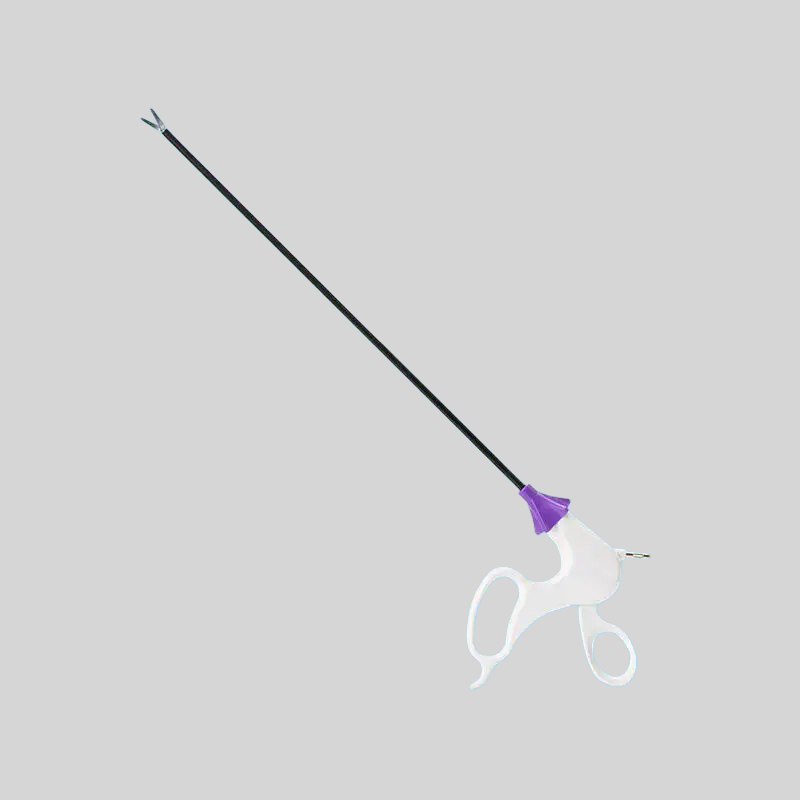
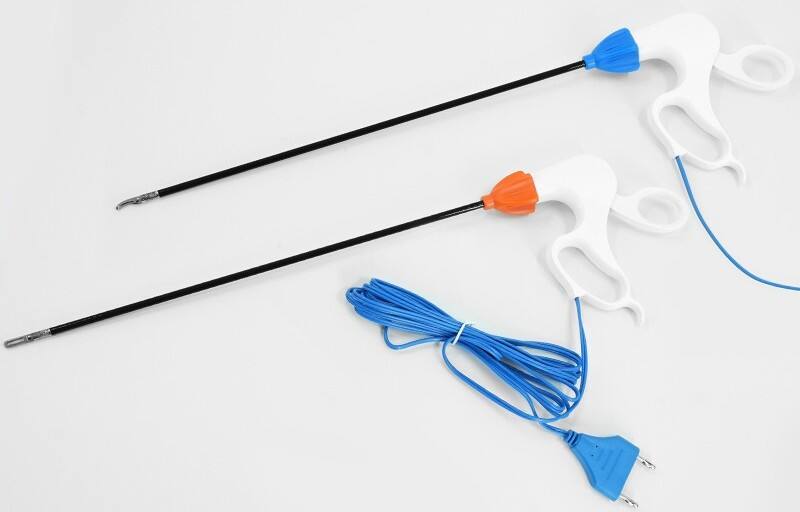
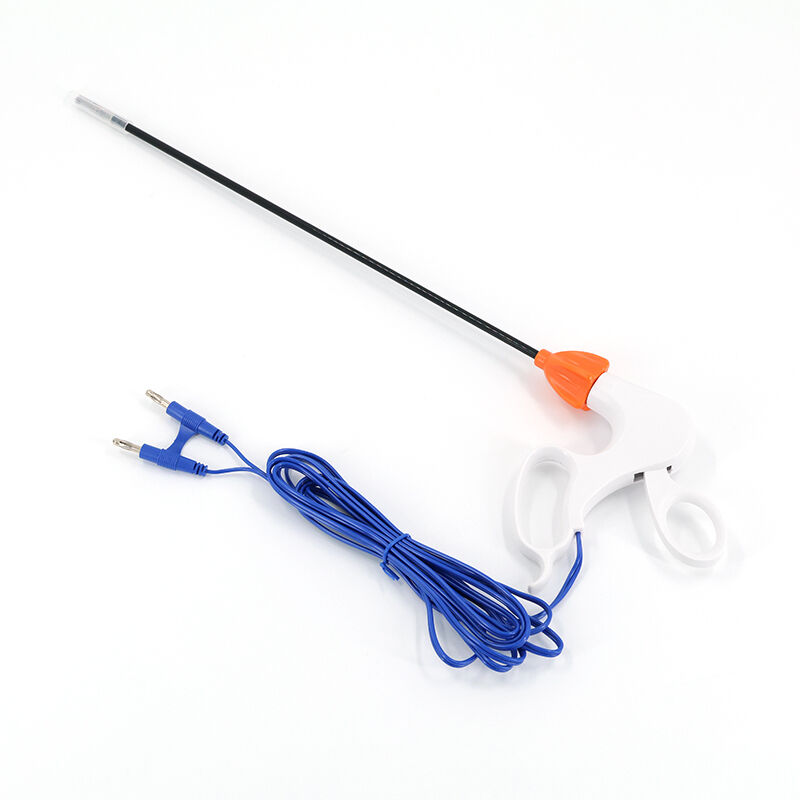
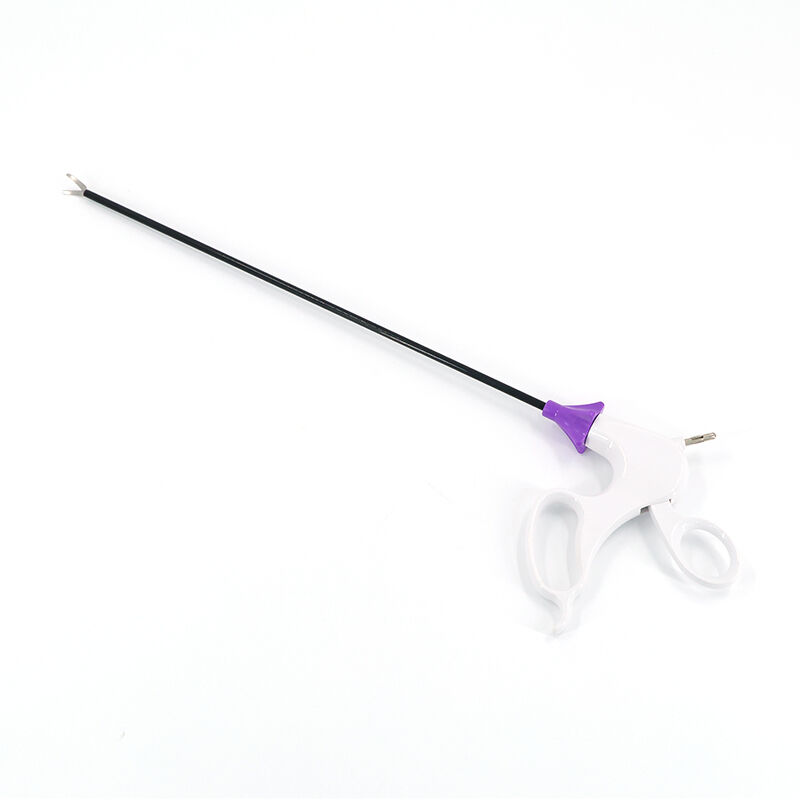
The ergonomic design philosophy underlying the bipolar fenestrated grasper prioritizes surgeon comfort and operational efficiency, recognizing that instrument usability directly impacts surgical outcomes and professional satisfaction. The carefully balanced weight distribution reduces hand and wrist strain during extended procedures, incorporating advanced materials that maintain strength while minimizing overall instrument mass. The handle geometry follows natural hand contours, featuring textured gripping surfaces that provide secure control even when wearing surgical gloves or in wet conditions. Intuitive control placement allows surgeons to operate both grasping and electrosurgical functions with single-handed precision, maintaining sterile technique while accessing all instrument capabilities. The activation mechanisms are designed with appropriate tactile feedback and resistance characteristics, preventing accidental energy delivery while ensuring responsive operation when needed. Advanced cable management systems reduce workspace clutter and prevent entanglement issues that can disrupt surgical flow, featuring reinforced connections that withstand repeated flexing without signal degradation. The instrument's profile and articulation capabilities are optimized for minimally invasive approaches, providing excellent maneuverability in confined spaces while maintaining full functional capability. Surgeons report significant improvements in procedural efficiency when using the bipolar fenestrated grasper, as the combined functionality reduces instrument exchanges and maintains continuous workflow. The learning curve for adoption proves minimal for surgeons familiar with basic electrosurgical principles, while the enhanced capabilities open new technical possibilities for advanced practitioners. Quality engineering ensures consistent mechanical performance across the instrument's operational range, with smooth jaw action and reliable electrical connections throughout multiple sterilization cycles. The modular design philosophy supports easy maintenance and component replacement when necessary, extending instrument lifespan and reducing total cost of ownership. Compatibility with existing surgical systems and sterilization protocols simplifies integration into established surgical practices, requiring minimal workflow modifications while delivering substantial performance improvements. The ergonomic advantages translate directly into reduced surgeon fatigue, improved procedural precision, and enhanced job satisfaction, contributing to better overall surgical outcomes and reduced occupational stress for medical professionals.


 EN
EN