retrieval bag in laparoscopic surgery
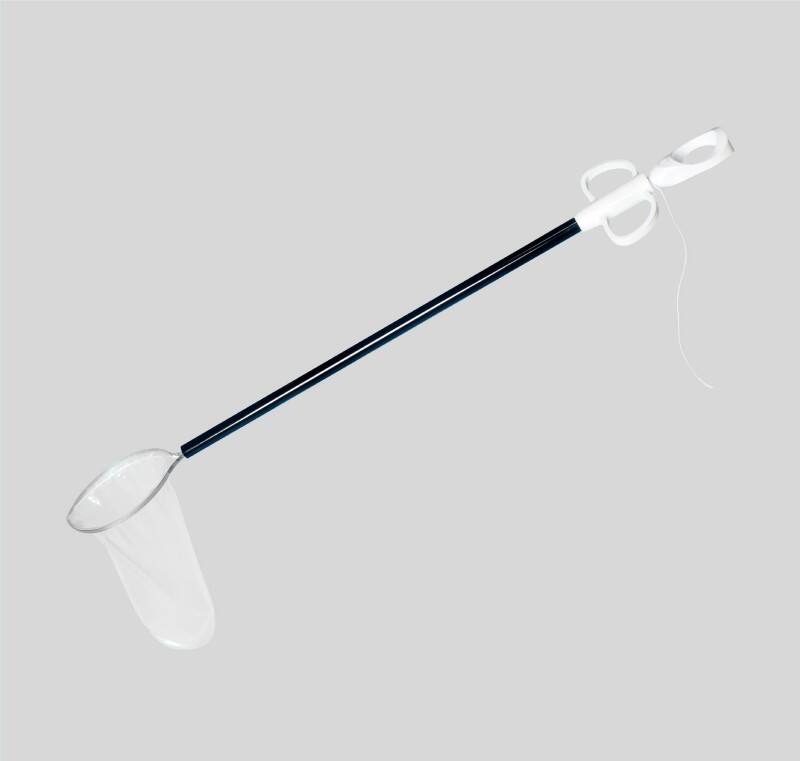
The retrieval bag in laparoscopic surgery represents a critical medical device designed to safely extract tissue specimens, organs, or foreign objects from the body during minimally invasive surgical procedures. This specialized surgical instrument serves as an essential component in modern laparoscopic operations, providing surgeons with a secure method to contain and remove biological materials without compromising patient safety or surgical integrity. The retrieval bag in laparoscopic surgery functions as a protective barrier that prevents specimen fragmentation, reduces contamination risks, and maintains the sterile environment crucial for successful surgical outcomes. These medical devices are engineered with advanced materials that offer exceptional durability while remaining flexible enough to navigate through small incisions. The technological features of the retrieval bag in laparoscopic surgery include reinforced seams, leak-proof construction, and ergonomic design elements that facilitate smooth deployment and closure mechanisms. Most modern retrieval bags incorporate innovative opening systems that allow for controlled expansion within the surgical cavity, enabling surgeons to capture specimens of varying sizes with precision and confidence. The applications of the retrieval bag in laparoscopic surgery extend across multiple medical specialties, including general surgery, gynecology, urology, and oncology procedures. Surgeons utilize these devices during gallbladder removal, appendectomies, tumor resections, and organ transplantation procedures where specimen containment is paramount. The retrieval bag in laparoscopic surgery also plays a vital role in preventing port site metastasis, a serious complication where malignant cells can spread through trocar sites. Advanced models feature radiopaque markers for enhanced visualization under fluoroscopy, while others incorporate antimicrobial coatings to further reduce infection risks. The construction materials typically include medical-grade polymers that resist tearing and maintain structural integrity under various surgical conditions, ensuring reliable performance throughout complex procedures.


 EN
EN