endoscopic retrieval bag
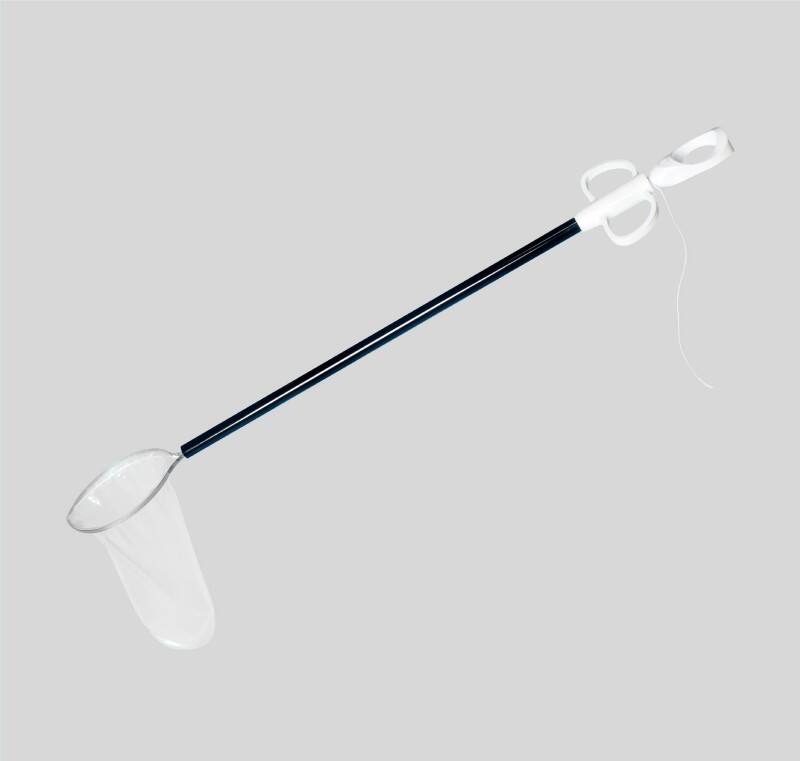
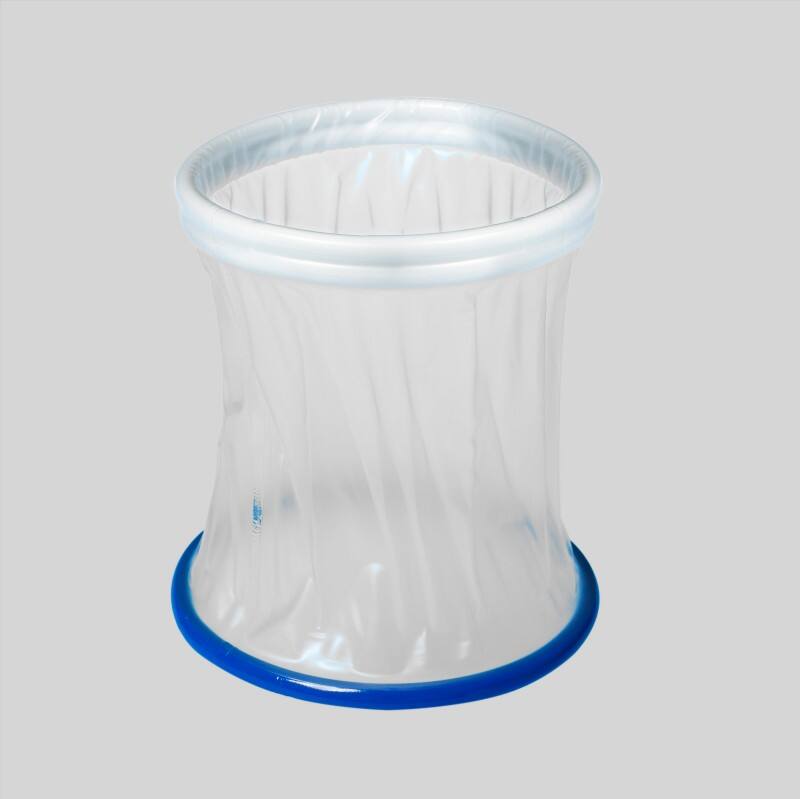
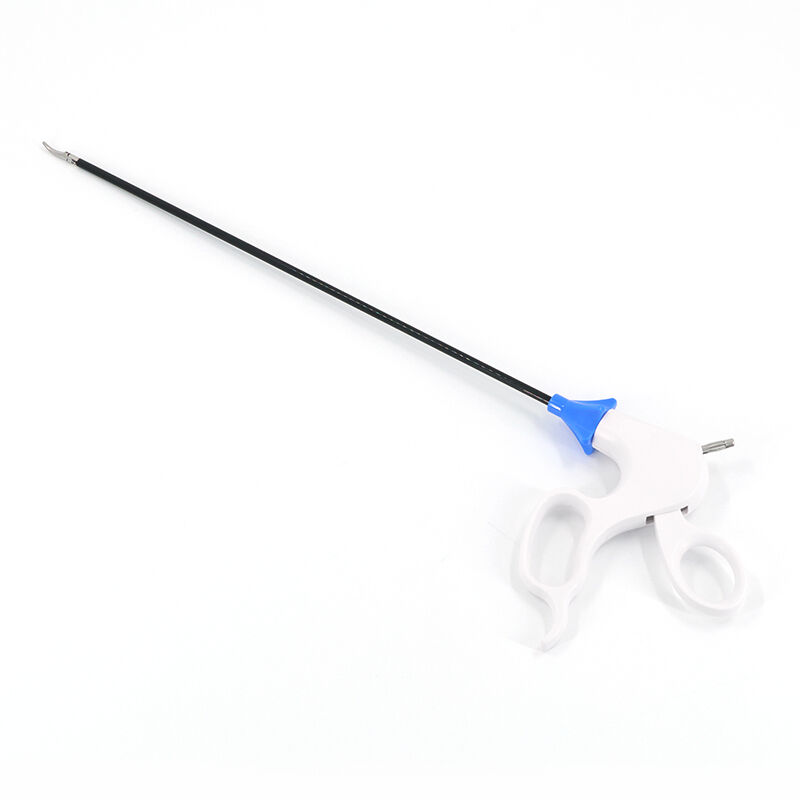
The endoscopic retrieval bag represents a crucial medical instrument designed specifically for minimally invasive surgical procedures, enabling surgeons to safely extract specimens, foreign objects, and tissue samples during laparoscopic and endoscopic operations. This specialized medical device consists of a flexible collection pouch attached to a deployment mechanism that can be inserted through small incisions or natural body openings. The primary function of the endoscopic retrieval bag centers on specimen containment and extraction, preventing spillage of potentially infectious or malignant materials into the body cavity during removal procedures. Modern endoscopic retrieval bags incorporate advanced materials and engineering solutions to ensure reliable performance in challenging surgical environments. The technological features include a drawstring closure mechanism that creates a secure seal around collected materials, preventing contamination and ensuring complete specimen retrieval. These bags are manufactured from biocompatible materials that resist tearing while maintaining flexibility for easy deployment and extraction. The deployment system typically features a controlled opening mechanism that allows surgeons to position the bag precisely before specimen collection. Size variations accommodate different surgical requirements, from small tissue samples to larger organ sections. Applications span across multiple medical specialties including general surgery, gynecology, urology, and oncology procedures. Surgeons utilize endoscopic retrieval bags during gallbladder removal, appendectomy procedures, tumor excision, and foreign body extraction operations. The device proves particularly valuable in oncological procedures where preventing cancer cell spillage is critical for patient outcomes. Quality endoscopic retrieval bags feature radiopaque markers for enhanced visualization under imaging guidance, ensuring proper positioning and deployment. The introduction mechanism varies between manual and automated systems, with some models offering single-handed operation capabilities. These instruments have revolutionized specimen extraction protocols by eliminating the need for larger incisions, thereby reducing patient trauma, recovery time, and surgical complications while maintaining the integrity of collected specimens throughout the extraction process.

 EN
EN