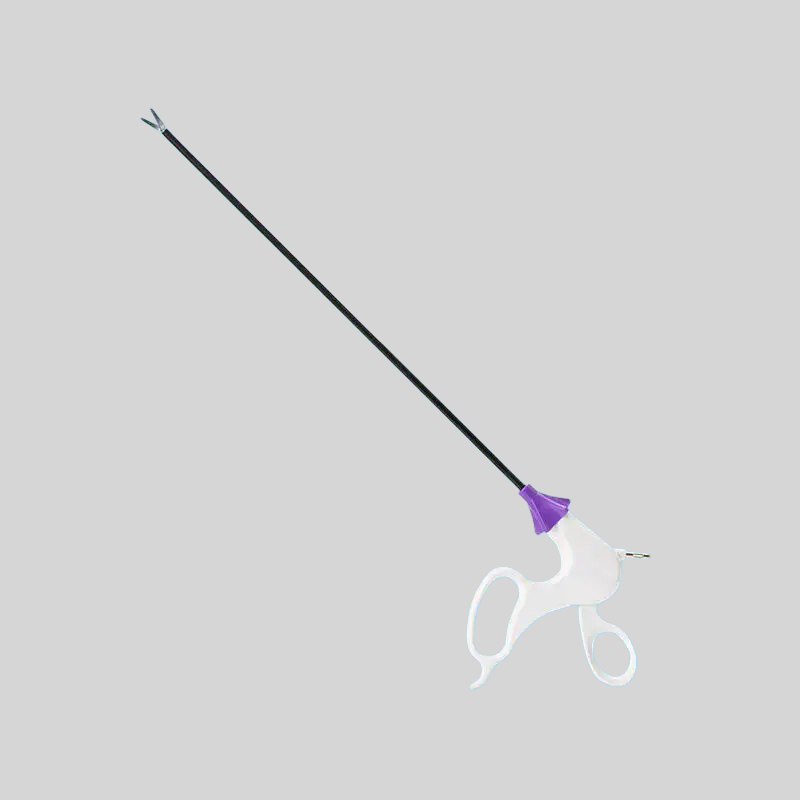
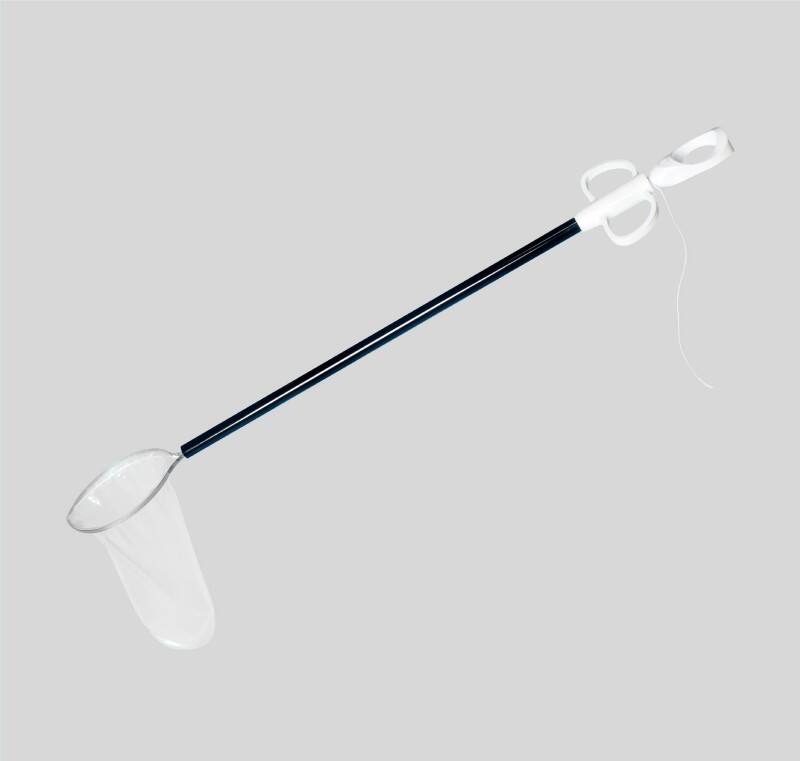
laparoscopic retrieval bag
The laparoscopic retrieval bag represents a crucial innovation in minimally invasive surgical procedures, serving as an essential tool for safely extracting tissue specimens, organs, and foreign objects during laparoscopic operations. This specialized medical device features a unique design that combines durability, flexibility, and precision to meet the demanding requirements of modern surgical environments. The laparoscopic retrieval bag consists of a collapsible pouch made from high-grade biocompatible materials, connected to a sophisticated deployment mechanism that allows surgeons to capture specimens with remarkable accuracy. The main functions of this device include secure specimen containment, preventing cross-contamination, and enabling safe removal through small incisions typical of laparoscopic procedures. Technologically, these bags incorporate advanced polymer materials that provide exceptional tensile strength while maintaining flexibility for easy manipulation within the confined surgical space. The deployment system utilizes spring-loaded mechanisms or drawstring closures that ensure reliable specimen capture and secure containment throughout the extraction process. Many models feature transparent or semi-transparent materials that allow surgeons to visually confirm specimen placement and bag closure. The applications of laparoscopic retrieval bags span numerous surgical specialties, including general surgery, gynecology, urology, and oncology. Surgeons routinely employ these devices during gallbladder removals, appendectomies, ovarian cyst extractions, kidney procedures, and tumor resections. The bags prove particularly valuable in cancer surgeries where preventing specimen spillage and maintaining tissue integrity are paramount concerns. Different sizes and configurations accommodate various specimen types, from small tissue samples to larger organs, ensuring versatility across diverse surgical scenarios. The integration of these devices into laparoscopic workflows has significantly enhanced surgical outcomes by reducing complications associated with traditional extraction methods while maintaining the minimally invasive nature of modern surgical techniques.


 EN
EN