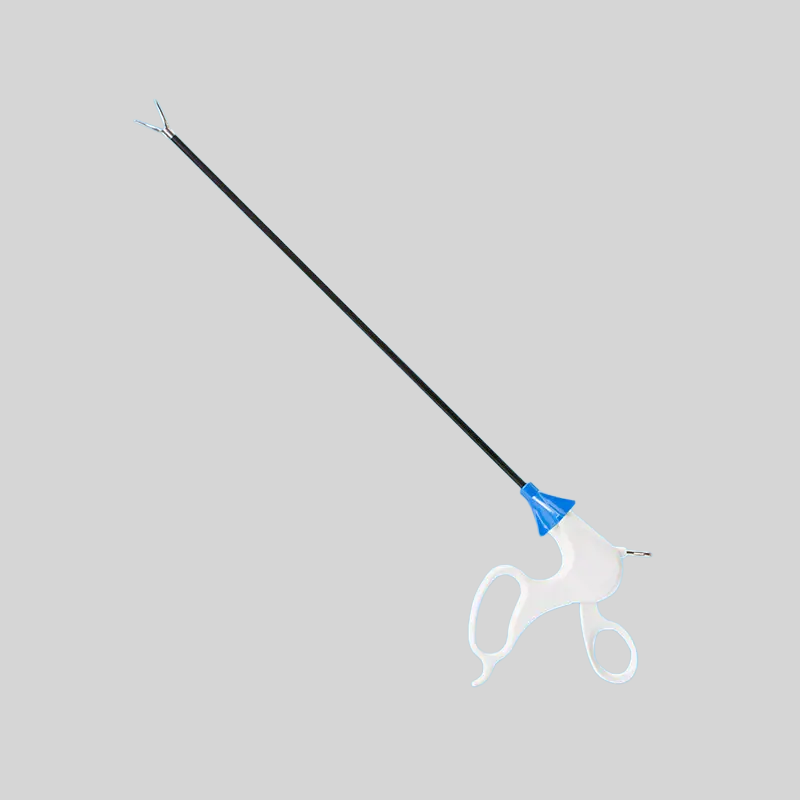
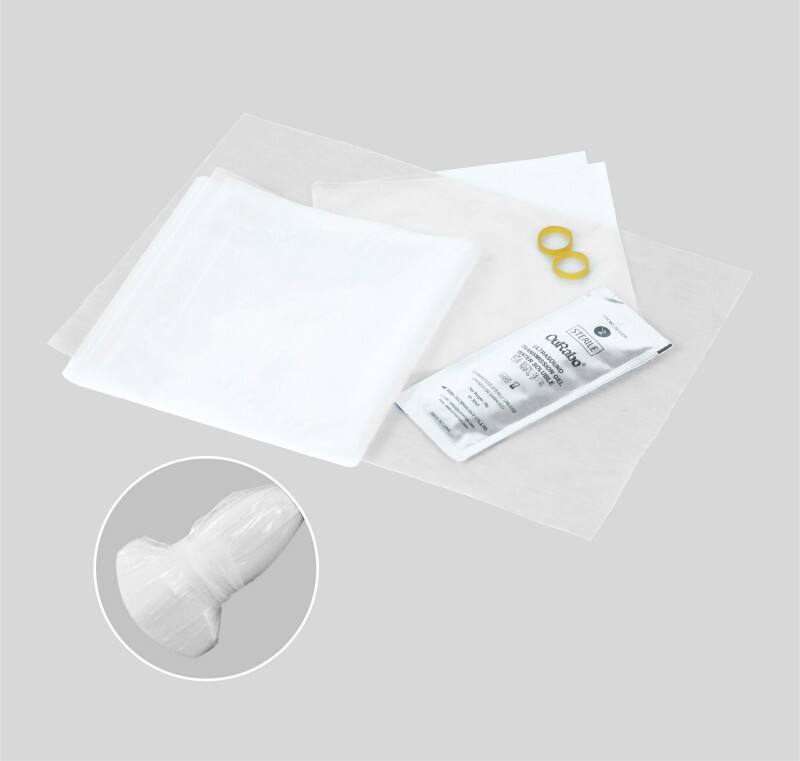
retrieval bag
The retrieval bag represents a revolutionary advancement in minimally invasive surgical technology, designed specifically to facilitate the safe collection and removal of tissue specimens during laparoscopic and endoscopic procedures. This sophisticated medical device serves as an essential component in modern surgical practice, enabling surgeons to maintain sterile conditions while efficiently extracting biological materials from the operative site. The retrieval bag system consists of a flexible collection pouch constructed from biocompatible materials, coupled with an innovative deployment mechanism that allows for precise positioning and secure specimen containment. The primary function of the retrieval bag centers on preventing cross-contamination during tissue extraction, thereby reducing the risk of surgical site infections and maintaining the integrity of collected specimens for accurate pathological analysis. This medical instrument operates through a streamlined insertion process via small incisions, where the collapsed bag is introduced through a trocar port and subsequently deployed within the surgical cavity. Once positioned correctly, the retrieval bag opens to create a secure containment area where surgeons can safely place excised tissues, organs, or foreign bodies. The technological framework incorporates advanced materials engineering, featuring puncture-resistant membranes that withstand manipulation while maintaining flexibility for optimal maneuverability within confined anatomical spaces. The retrieval bag demonstrates exceptional versatility across multiple surgical specialties, including general surgery, gynecology, urology, and thoracic surgery, making it an indispensable tool for various procedural applications. Modern retrieval bag designs integrate user-friendly features such as visual markers for proper orientation, reinforced sealing mechanisms to prevent specimen spillage, and ergonomic handle systems that enhance surgeon control during extraction procedures. The device significantly contributes to improved patient outcomes by minimizing tissue trauma, reducing operative time, and supporting the principles of evidence-based surgical practice through reliable specimen collection and preservation.


 EN
EN