Multi-Specialty Versatility Delivers Comprehensive Surgical Solutions
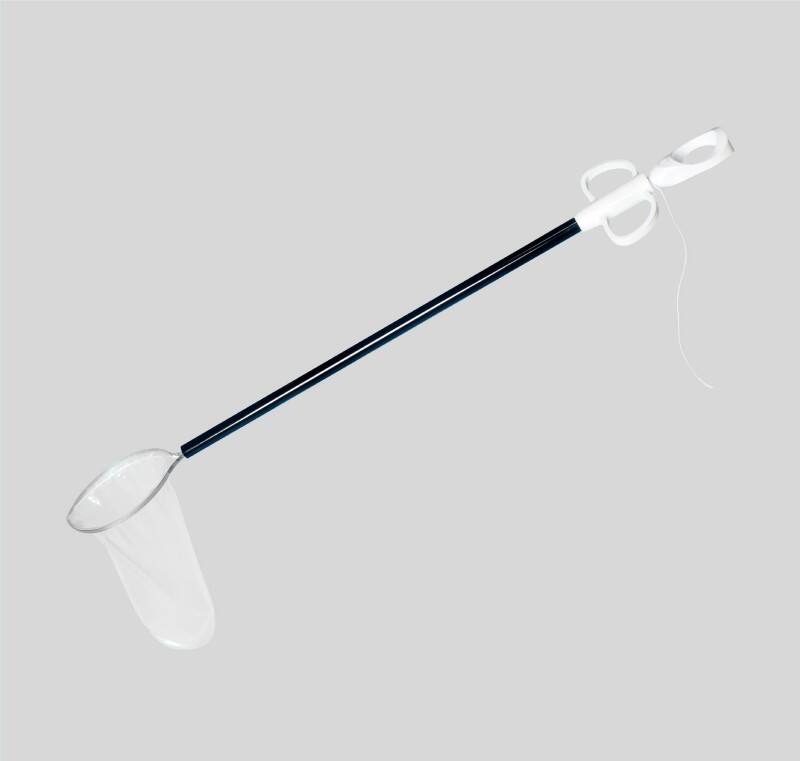
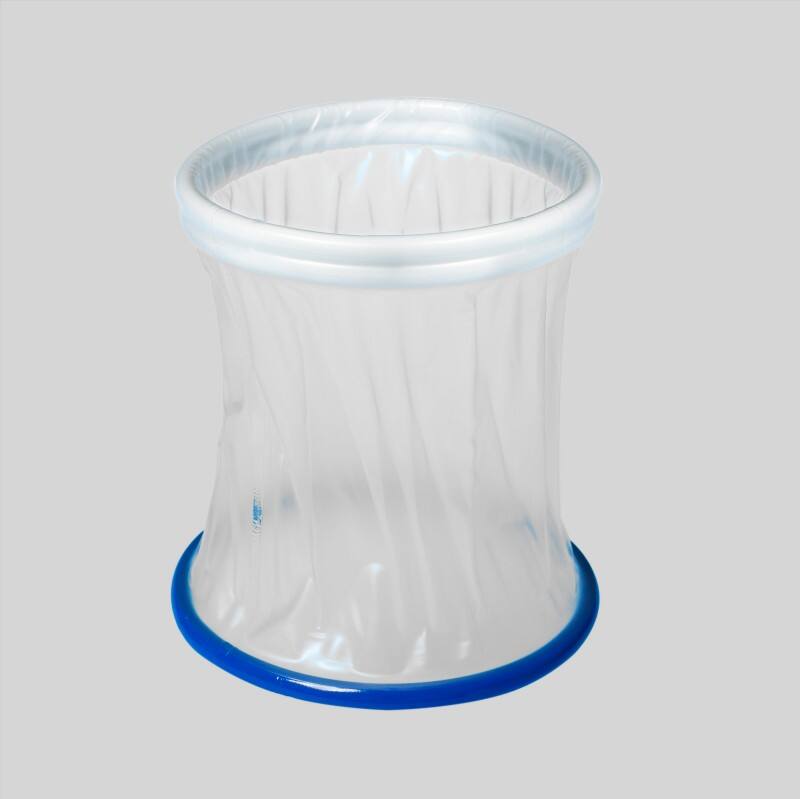
The specimen retrieval bag for laparoscopic surgery demonstrates exceptional versatility across multiple surgical specialties, providing comprehensive solutions that adapt to diverse procedural requirements and specimen characteristics. This multi-specialty compatibility makes the specimen retrieval bag for laparoscopic surgery an invaluable tool in modern surgical suites, where efficiency and standardization across different procedural types contribute significantly to operational effectiveness and patient safety outcomes. In general surgery applications, the specimen retrieval bag for laparoscopic surgery excels in procedures such as laparoscopic cholecystectomy, appendectomy, and hernia repairs, where secure specimen containment prevents gallstone spillage, infected appendiceal contents, or mesh-related complications from affecting surrounding tissues. The bag design accommodates the unique requirements of each procedure type, from containing inflamed appendiceal tissue to safely extracting gallbladders with potential stone contents that could cause significant complications if inadvertently released into the peritoneal cavity. Gynecological applications showcase the specimen retrieval bag for laparoscopic surgery versatility in procedures including ovarian cystectomy, myomectomy, and hysterectomy operations, where specimen integrity preservation proves crucial for accurate pathological diagnosis and staging. The bags effectively contain ovarian tissue, uterine specimens, and fibroid materials while preventing potential malignant cell dissemination that could compromise patient outcomes in oncological cases. Urological procedures benefit significantly from the specimen retrieval bag for laparoscopic surgery capabilities, particularly in nephrectomy, prostatectomy, and bladder tumor resection operations where specimen size variations and tissue consistency differences require adaptable containment solutions. The bags accommodate kidney specimens, prostatic tissue, and bladder wall samples while maintaining sterility and preventing urinary contamination of surgical sites. Oncological surgery applications represent perhaps the most critical use case for the specimen retrieval bag for laparoscopic surgery, where prevention of tumor cell seeding during extraction represents a fundamental safety requirement. The bags provide essential protection during tumor resection procedures across various organ systems, ensuring that potentially malignant tissues remain completely contained throughout extraction processes. This multi-specialty versatility eliminates the need for procedure-specific containment systems, reducing inventory complexity and training requirements while ensuring consistent performance standards across all surgical applications, ultimately contributing to improved patient outcomes and enhanced surgical team confidence in diverse procedural environments.

 EN
EN