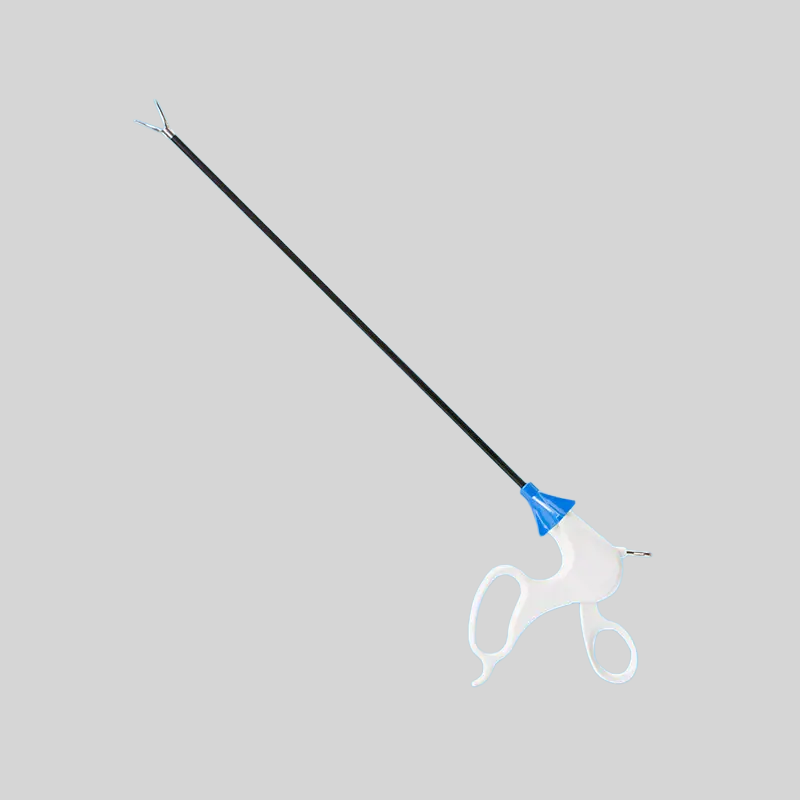
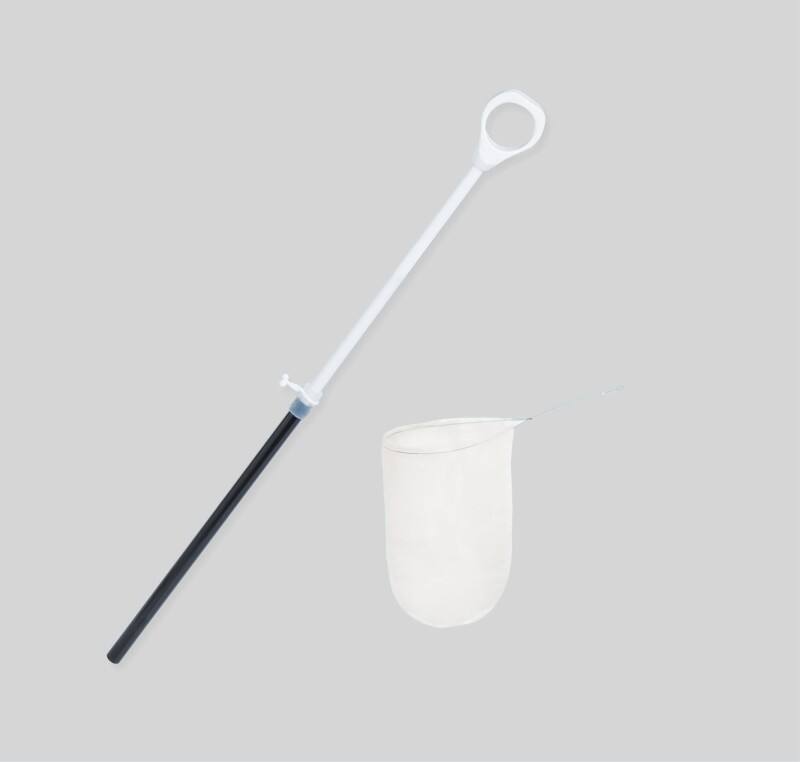
specimen retrieval pouch
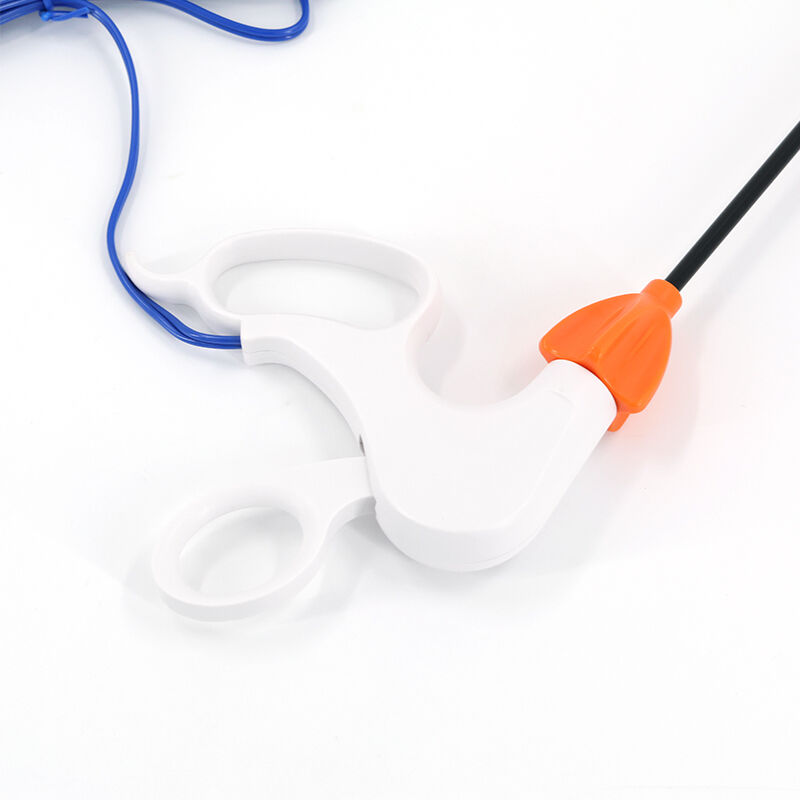
The specimen retrieval pouch represents a critical advancement in minimally invasive surgical procedures, serving as an essential tool for safe tissue extraction during laparoscopic and endoscopic operations. This innovative medical device functions as a protective containment system that allows surgeons to safely remove specimens from the body cavity without compromising the surgical site or causing contamination. The specimen retrieval pouch consists of a flexible, biocompatible material that forms a secure enclosure around tissue samples, organs, or foreign objects that need extraction during surgical procedures. The primary function of this device centers on maintaining the integrity of both the specimen and the surrounding anatomical structures during removal. Modern specimen retrieval pouches incorporate advanced technological features that enhance their effectiveness and reliability in clinical settings. These devices typically feature reinforced sealing mechanisms that prevent specimen fragmentation and fluid leakage during extraction procedures. The pouch material demonstrates exceptional tear resistance while maintaining flexibility necessary for navigation through small incisions and natural body openings. Many contemporary designs include graduated sizing options to accommodate various specimen dimensions, from small tissue samples to larger organ sections. The technological innovation extends to specialized opening mechanisms that facilitate easy specimen insertion while ensuring secure closure. Some advanced models incorporate radiopaque markers that enhance visibility under imaging guidance, allowing surgeons to track the pouch position throughout the procedure. The applications of specimen retrieval pouches span multiple surgical specialties, including general surgery, gynecology, urology, and oncology. These devices prove particularly valuable in cancer surgeries where preventing tumor cell spillage is paramount to patient outcomes. The specimen retrieval pouch also finds extensive use in gallbladder removal procedures, appendectomies, and various organ resection surgeries where maintaining specimen integrity is essential for accurate pathological analysis.

 EN
EN