laparoscopic needle holder
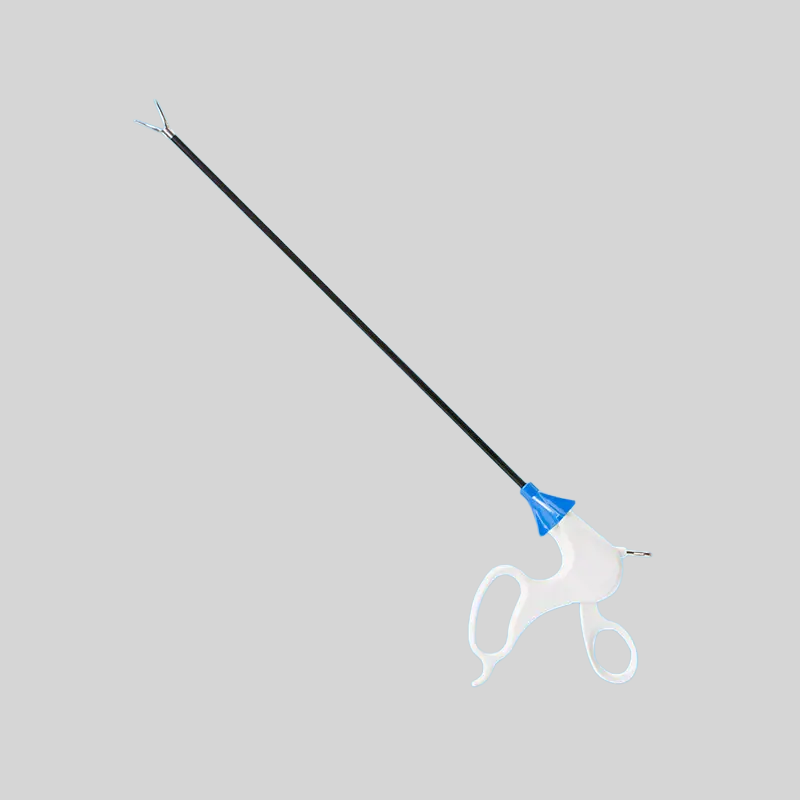
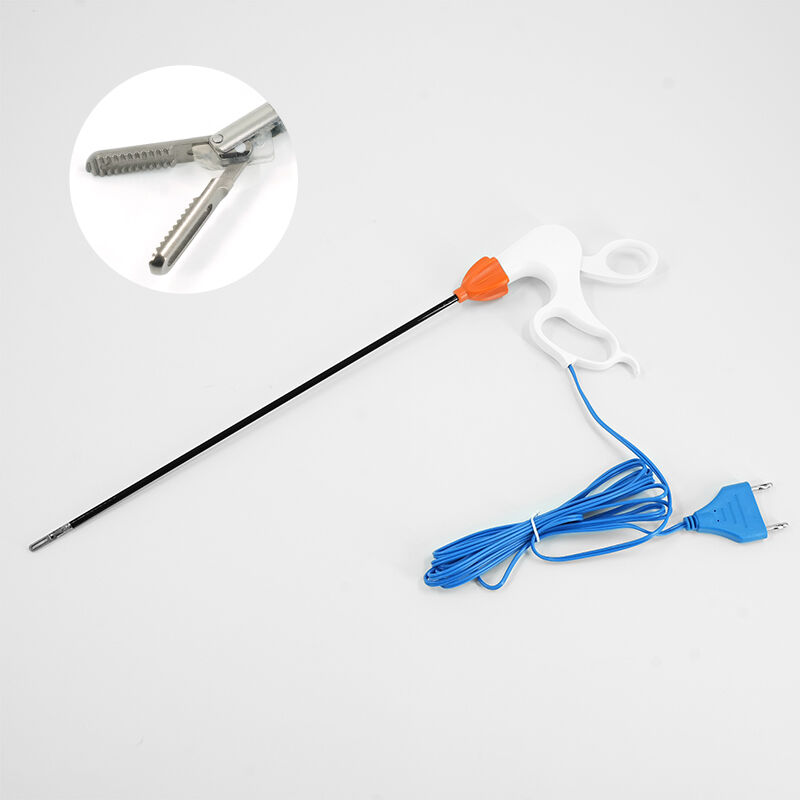
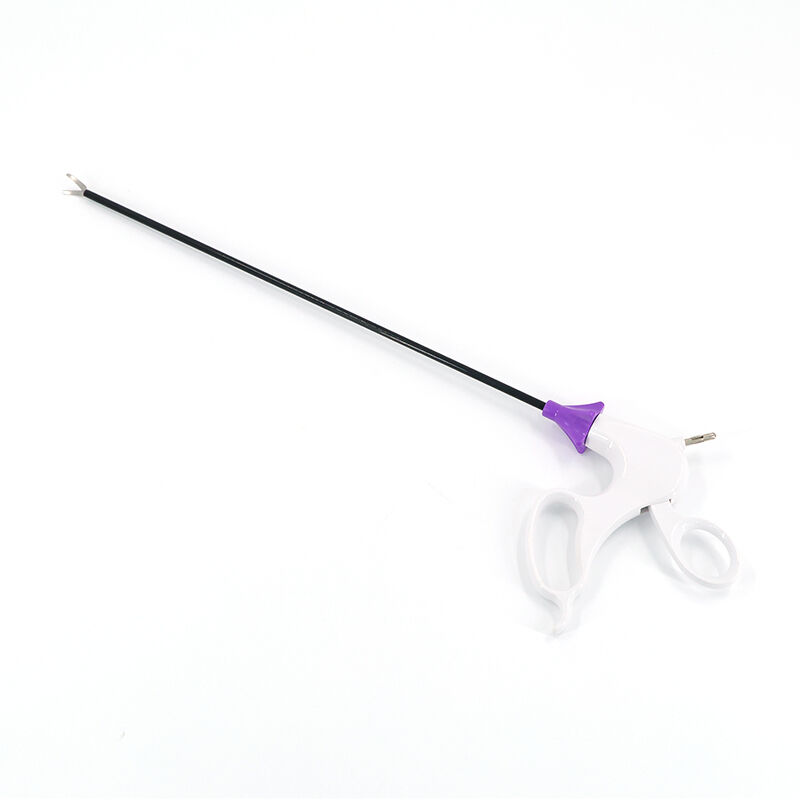
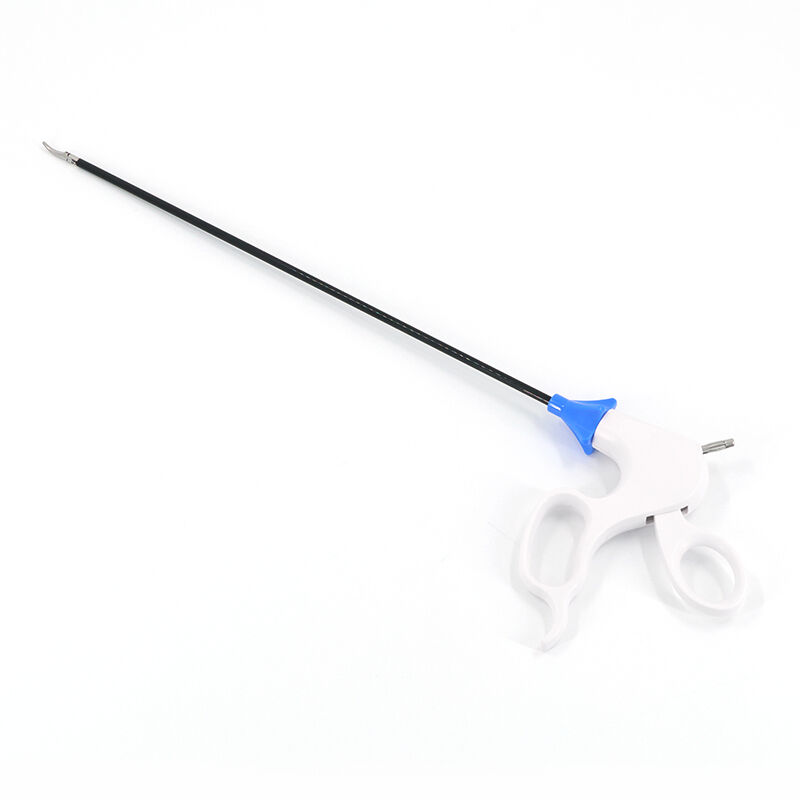
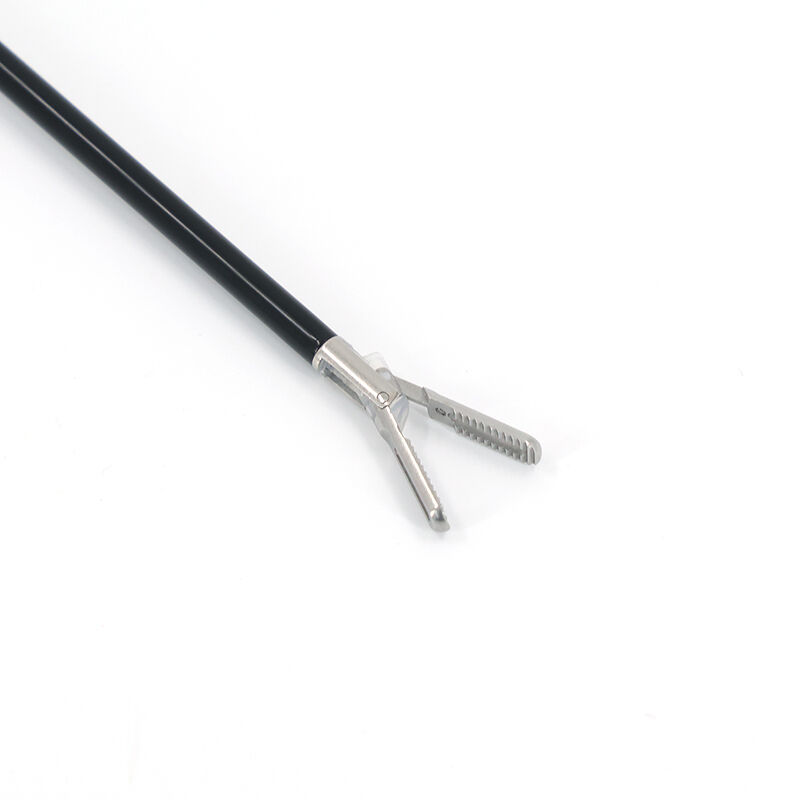
The laparoscopic needle holder represents a crucial surgical instrument specifically designed for minimally invasive procedures, enabling surgeons to perform precise suturing and tissue manipulation through small incisions. This specialized tool combines advanced engineering with ergonomic design to facilitate optimal control during delicate surgical operations. The laparoscopic needle holder features a unique grasping mechanism that securely holds surgical needles of various sizes while maintaining exceptional maneuverability within the confined space of the abdominal cavity. Its primary functions encompass needle positioning, suture placement, and precise tissue approximation during laparoscopic procedures. The instrument incorporates sophisticated technology including articulating joints that provide enhanced dexterity, allowing surgeons to navigate complex anatomical structures with confidence. Advanced materials such as medical-grade stainless steel ensure durability and resistance to sterilization processes, while specialized coatings reduce friction and prevent needle slippage. The technological features of the laparoscopic needle holder include ergonomic handles designed to reduce hand fatigue during extended procedures, precise jaw alignment for secure needle grip, and smooth articulation mechanisms that translate hand movements into accurate tip positioning. Many models feature interchangeable jaw inserts to accommodate different needle types and sizes, enhancing versatility across various surgical applications. The instrument's applications span multiple medical specialties including gynecologic surgery, general surgery, urologic procedures, and bariatric operations. Surgeons rely on the laparoscopic needle holder for procedures such as hernia repairs, gallbladder removal, appendectomies, and complex reconstructive surgeries. The tool's design allows for single-handed operation in many cases, freeing the surgeon's other hand for tissue manipulation or camera control. Modern versions incorporate advanced features such as rotation capabilities, locking mechanisms for sustained grip, and optimized weight distribution to minimize surgeon fatigue while maximizing precision and control throughout the surgical procedure.


 EN
EN