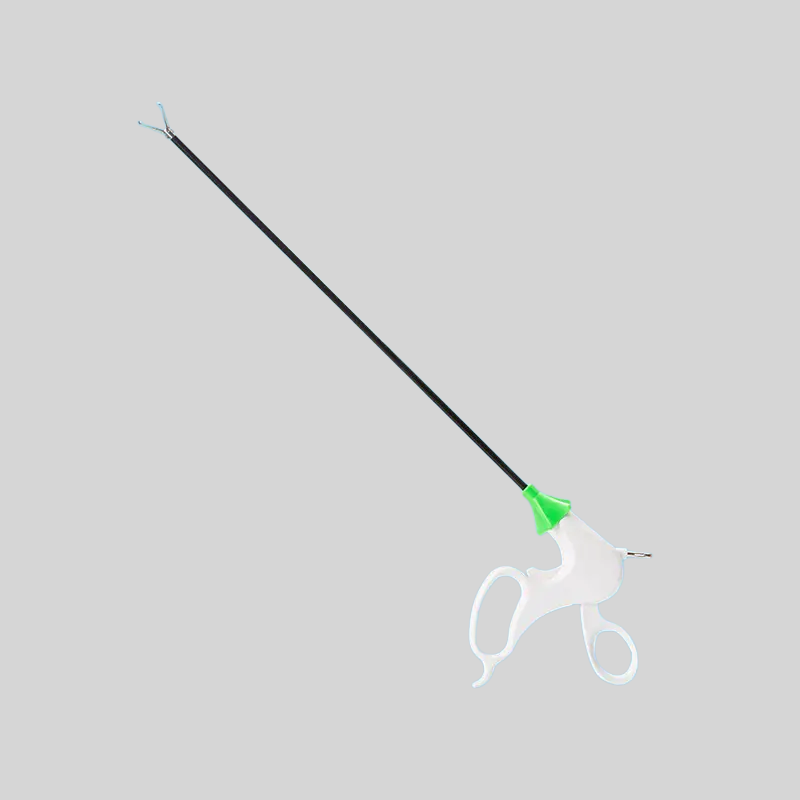
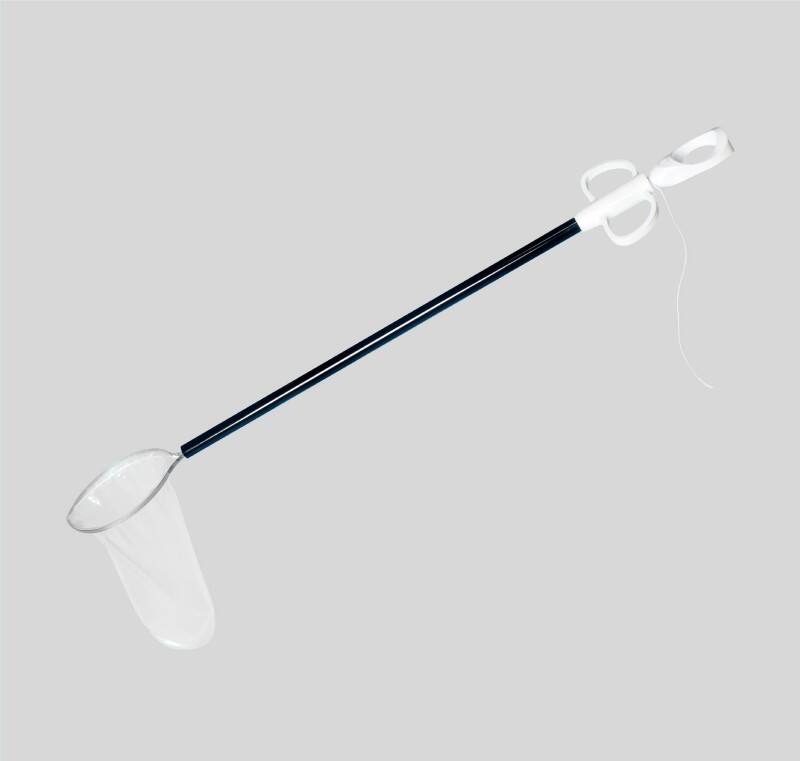
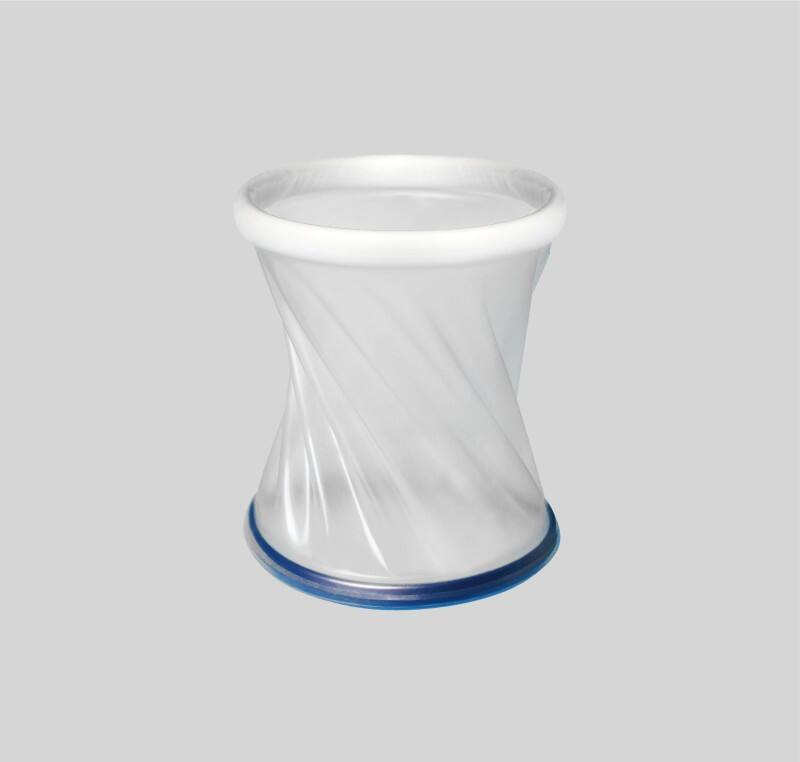
Advanced Laparoscopic Dissector - Precision Surgical Instrument for Minimally Invasive Procedures

Get a Free Quote

Our representative will contact you soon.
Email
Mobile/WhatsApp
Name
Company Name
Message
0/1000

laparoscopic dissector

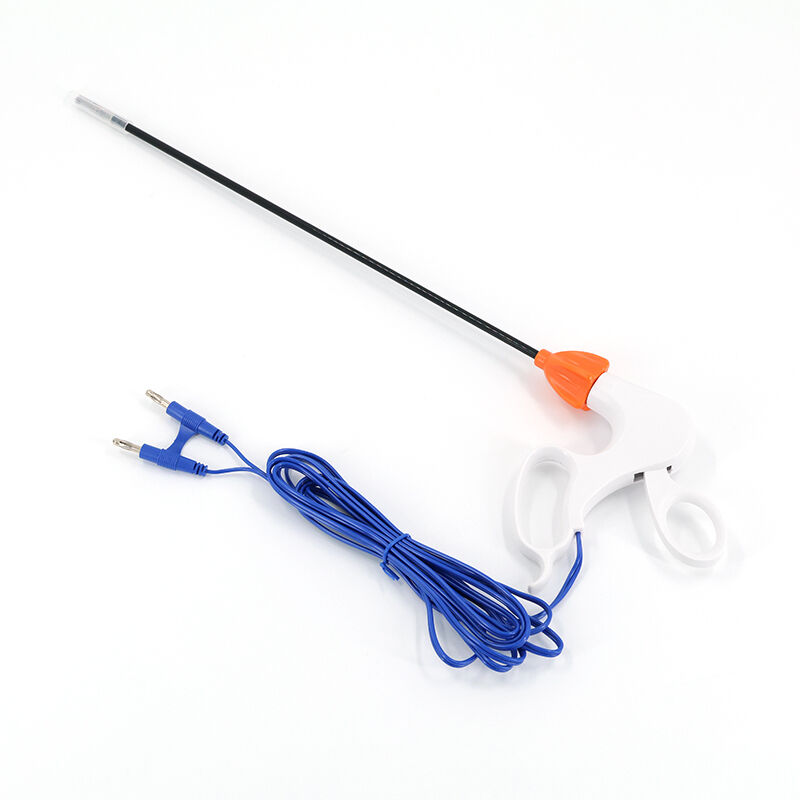
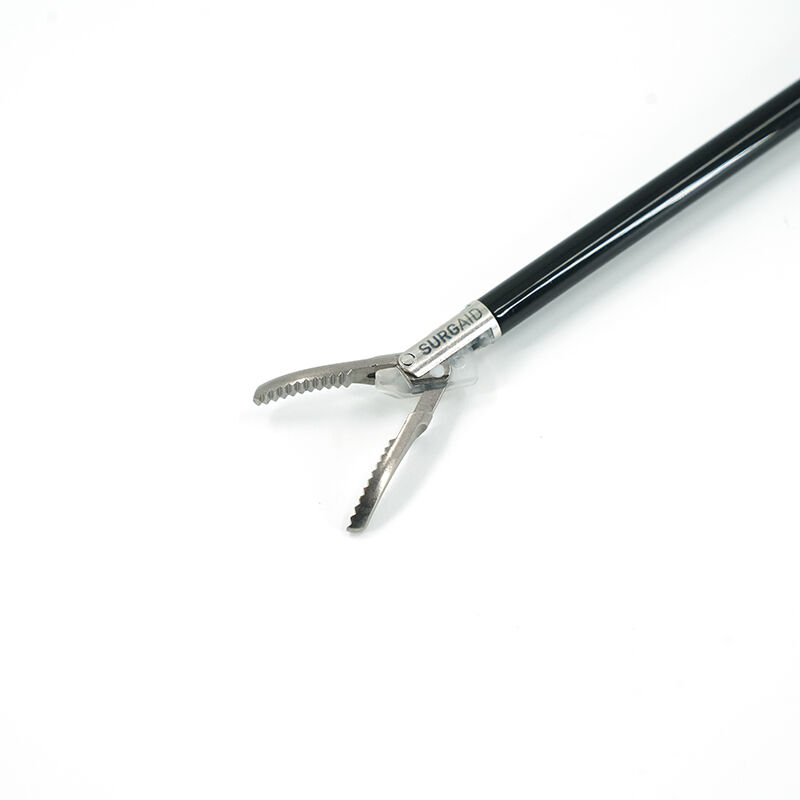
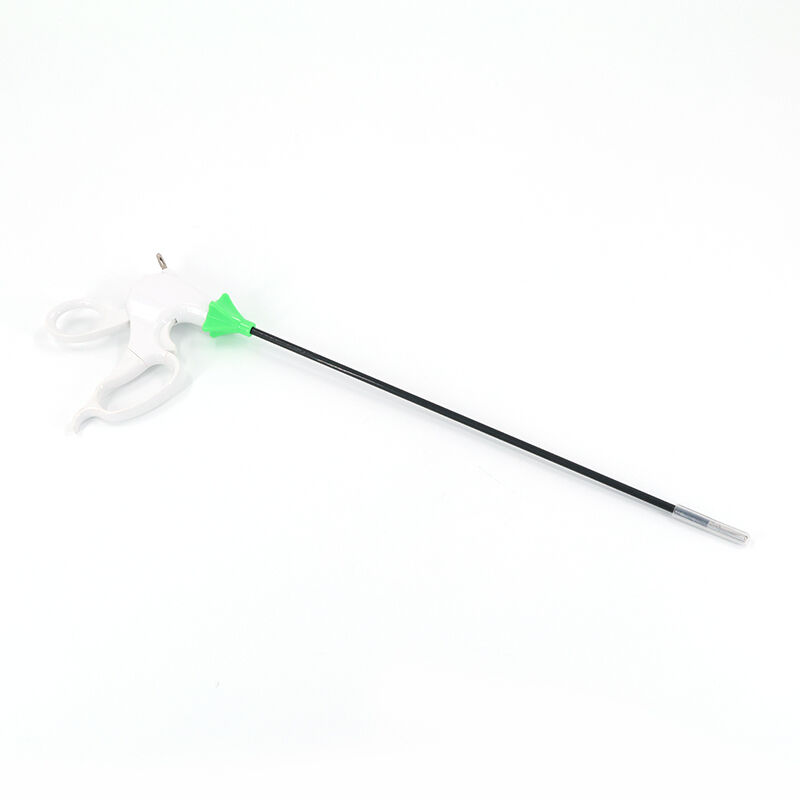
The laparoscopic dissector represents a revolutionary advancement in minimally invasive surgical instrumentation, designed specifically to enhance precision and safety during complex surgical procedures. This sophisticated medical device serves as an essential tool for surgeons performing laparoscopic operations, enabling them to separate tissues, dissect anatomical structures, and navigate through delicate surgical sites with unprecedented accuracy. The primary functions of the laparoscopic dissector encompass tissue manipulation, blunt dissection, electrosurgical cutting, and coagulation capabilities, making it an indispensable component of modern surgical suites. Technologically, the laparoscopic dissector incorporates advanced ergonomic design principles, featuring a streamlined profile that facilitates smooth insertion through trocar ports while maintaining optimal maneuverability within confined anatomical spaces. The instrument's shaft construction utilizes high-grade stainless steel or titanium alloys, ensuring durability and resistance to corrosion while providing the necessary flexibility for complex surgical maneuvers. Many contemporary laparoscopic dissectors integrate sophisticated electrosurgical capabilities, allowing surgeons to perform cutting and coagulation functions simultaneously through precisely controlled energy delivery systems. The tip configurations vary extensively, ranging from hook-shaped electrodes to spatula-style ends, each specifically engineered for particular surgical applications and tissue types. Clinical applications of the laparoscopic dissector span numerous surgical specialties, including gynecology for procedures such as ovarian cyst removal and hysterectomies, general surgery for gallbladder removal and hernia repairs, and urological interventions including kidney and prostate surgeries. The instrument's versatility extends to bariatric procedures, where precise tissue dissection is crucial for successful outcomes. Advanced models feature integrated suction and irrigation capabilities, enabling simultaneous tissue removal and surgical site cleansing without requiring additional instruments.

New Product Releases

The laparoscopic dissector delivers exceptional benefits that transform surgical experiences for both medical professionals and patients, establishing itself as an indispensable tool in modern healthcare facilities. Surgeons consistently report enhanced precision during complex procedures, as the laparoscopic dissector enables them to perform intricate tissue manipulation with remarkable accuracy that surpasses traditional open surgical methods. This precision translates directly into improved patient outcomes, reduced complications, and faster recovery times, making it an invaluable investment for healthcare institutions seeking to elevate their surgical capabilities. The ergonomic design of the laparoscopic dissector significantly reduces surgeon fatigue during lengthy procedures, featuring comfortable grip surfaces and balanced weight distribution that allows for extended use without compromising performance or accuracy. This thoughtful engineering approach ensures that medical professionals can maintain optimal control throughout challenging operations while minimizing physical strain and potential repetitive stress injuries. Cost-effectiveness emerges as another compelling advantage, as the laparoscopic dissector reduces overall procedural expenses by minimizing patient hospital stays, decreasing infection rates, and lowering the need for additional surgical interventions. Healthcare facilities benefit from improved operational efficiency, as the instrument's reliable performance and durability reduce replacement costs while maximizing surgical throughput. The versatility of the laparoscopic dissector allows surgical teams to utilize a single instrument across multiple procedure types, streamlining inventory management and reducing storage requirements. Training protocols become more standardized when surgical teams master the laparoscopic dissector, as its consistent design principles apply across various surgical specialties, enabling more efficient skill development and knowledge transfer among medical staff. Patient satisfaction scores consistently improve when procedures utilize the laparoscopic dissector, as the minimally invasive approach results in smaller incisions, reduced scarring, decreased postoperative pain, and quicker return to normal activities. The instrument's advanced safety features, including precise energy control systems and ergonomic handling characteristics, significantly reduce the risk of inadvertent tissue damage or surgical complications, providing peace of mind for both surgeons and patients throughout the entire surgical process.

Latest News

Building Core Competitive Advantage Through Technological Innovation and Quality Control

05

Feb

Building Core Competitive Advantage Through Technological Innovation and Quality Control

View More
Focusing On High-Value Medical Devices, Leveraging a Diversified Product Portfolio To Empower Clinical Minimally Invasive Treatments

05

Feb

Focusing On High-Value Medical Devices, Leveraging a Diversified Product Portfolio To Empower Clinical Minimally Invasive Treatments

View More
Deeply Engaged In The High-End Medical Consumables Field, With Innovation Driving The Development Of Minimally Invasive Surgery.

05

Feb

Deeply Engaged In The High-End Medical Consumables Field, With Innovation Driving The Development Of Minimally Invasive Surgery.

View More

Get a Free Quote

Our representative will contact you soon.
Email
Mobile/WhatsApp
Name
Company Name
Message
0/1000

laparoscopic dissector

Advanced Precision Control Technology

Advanced Precision Control Technology

The laparoscopic dissector incorporates cutting-edge precision control technology that revolutionizes surgical accuracy and patient safety standards across diverse medical procedures. This sophisticated system features micro-controlled energy delivery mechanisms that allow surgeons to adjust cutting and coagulation parameters with exceptional granularity, ensuring optimal tissue interaction for each specific surgical scenario. The advanced control interface provides real-time feedback regarding tissue impedance, temperature monitoring, and energy output levels, enabling surgeons to make informed decisions throughout the procedure while maintaining complete control over the surgical environment. The precision control technology extends beyond basic electrosurgical functions, incorporating intelligent tissue recognition algorithms that automatically adjust energy parameters based on tissue density and composition. This adaptive capability significantly reduces the learning curve for new users while providing experienced surgeons with enhanced control options for complex procedures. The system's responsiveness ensures immediate activation and deactivation of energy delivery, minimizing unwanted thermal spread and protecting surrounding healthy tissues from inadvertent damage. Surgeons consistently report improved confidence levels when utilizing this advanced technology, as the predictable and controllable nature of the laparoscopic dissector enables them to focus entirely on surgical technique rather than instrument limitations. The precision control technology also incorporates safety redundancies, including automatic shut-off mechanisms and overheat protection systems, ensuring patient safety remains paramount throughout the entire surgical process. This technological advancement represents a significant leap forward in surgical instrumentation, providing medical professionals with the tools necessary to achieve superior surgical outcomes while maintaining the highest safety standards. The integration of haptic feedback systems further enhances the surgeon's ability to detect tissue characteristics and adjust technique accordingly, creating an intuitive surgical experience that bridges the gap between traditional open surgery tactile feedback and minimally invasive techniques.
Ergonomic Design Excellence

Ergonomic Design Excellence

The ergonomic design excellence of the laparoscopic dissector represents a paradigm shift in surgical instrument engineering, prioritizing surgeon comfort and operational efficiency while maintaining uncompromised functionality and precision. Extensive research and development efforts have produced an instrument that naturally conforms to the human hand's anatomy, featuring contoured grip surfaces that distribute pressure evenly across contact points and reduce the risk of repetitive stress injuries during extended surgical procedures. The balanced weight distribution ensures that the instrument feels like a natural extension of the surgeon's hand, eliminating the fatigue and discomfort commonly associated with prolonged surgical interventions. The handle design incorporates advanced materials that provide optimal grip security without excessive force requirements, allowing surgeons to maintain precise control even in challenging surgical positions or during lengthy procedures. The instrument's activation mechanisms are strategically positioned to align with natural finger movements, reducing the cognitive load required for operation and enabling surgeons to focus entirely on surgical technique and decision-making. The ergonomic excellence extends to the visual design elements, featuring intuitive color coding and tactile indicators that provide immediate confirmation of instrument settings and operational status without requiring visual attention away from the surgical field. The streamlined profile of the laparoscopic dissector minimizes hand fatigue while maximizing maneuverability within confined surgical spaces, enabling surgeons to perform complex procedures with enhanced comfort and precision. Advanced surface texturing provides secure grip characteristics while remaining easy to clean and sterilize, ensuring consistent performance across multiple use cycles. The ergonomic design philosophy recognizes that surgeon comfort directly impacts patient outcomes, as reduced fatigue leads to improved concentration, enhanced precision, and decreased procedural complications. This comprehensive approach to ergonomic design establishes new standards for surgical instrument development, demonstrating how thoughtful engineering can simultaneously improve surgeon experience and patient care quality while reducing healthcare costs through improved efficiency and reduced complication rates.
Versatile Multi-Specialty Applications

Versatile Multi-Specialty Applications

The versatile multi-specialty applications of the laparoscopic dissector establish it as an essential instrument across diverse surgical disciplines, providing healthcare facilities with exceptional value through its broad applicability and consistent performance characteristics. This remarkable versatility stems from the instrument's adaptable design philosophy, which accommodates the unique requirements of various surgical specialties while maintaining optimal functionality and precision across all applications. In gynecological procedures, the laparoscopic dissector excels in delicate tissue manipulation during ovarian surgeries, endometriosis treatment, and complex hysterectomy procedures, enabling surgeons to navigate intricate anatomical structures with confidence and precision. The instrument's capabilities extend seamlessly into general surgery applications, where it proves invaluable for gallbladder removal, appendectomy procedures, and hernia repairs, consistently delivering superior results while minimizing patient trauma and recovery time. Urological specialists appreciate the laparoscopic dissector's precision capabilities during kidney surgeries, prostate procedures, and bladder interventions, where accurate tissue dissection is crucial for preserving organ function and preventing complications. The instrument's versatility shines particularly bright in bariatric surgery applications, where precise tissue handling and reliable hemostasis are essential for successful weight-loss procedures and metabolic interventions. Thoracic surgeons utilize the laparoscopic dissector for lung resections and cardiac procedures, benefiting from its precise control capabilities and reliable performance in challenging anatomical environments. The multi-specialty nature of this instrument significantly streamlines surgical inventory management, as healthcare facilities can standardize on a single high-quality dissector platform rather than maintaining separate instruments for each specialty. This consolidation approach reduces training requirements, simplifies maintenance protocols, and optimizes cost management while ensuring consistent performance standards across all surgical departments. The instrument's adaptability extends to various patient populations, from pediatric applications requiring ultra-precise control to complex adult procedures demanding robust performance characteristics. This comprehensive versatility makes the laparoscopic dissector an intelligent investment for healthcare institutions seeking to maximize operational efficiency while maintaining the highest standards of patient care across multiple surgical specialties and procedural complexity levels.
Advanced Laparoscopic Dissector - Precision Surgical Instrument for Minimally Invasive Procedures

Get a Free Quote

Our representative will contact you soon.
Email
Mobile/WhatsApp
Name
Company Name
Message
0/1000