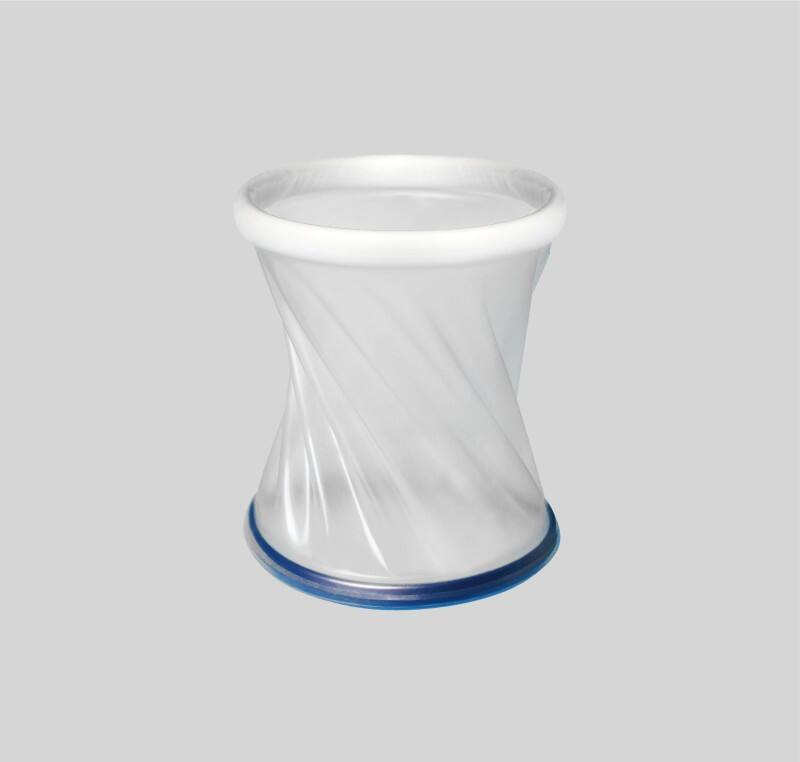
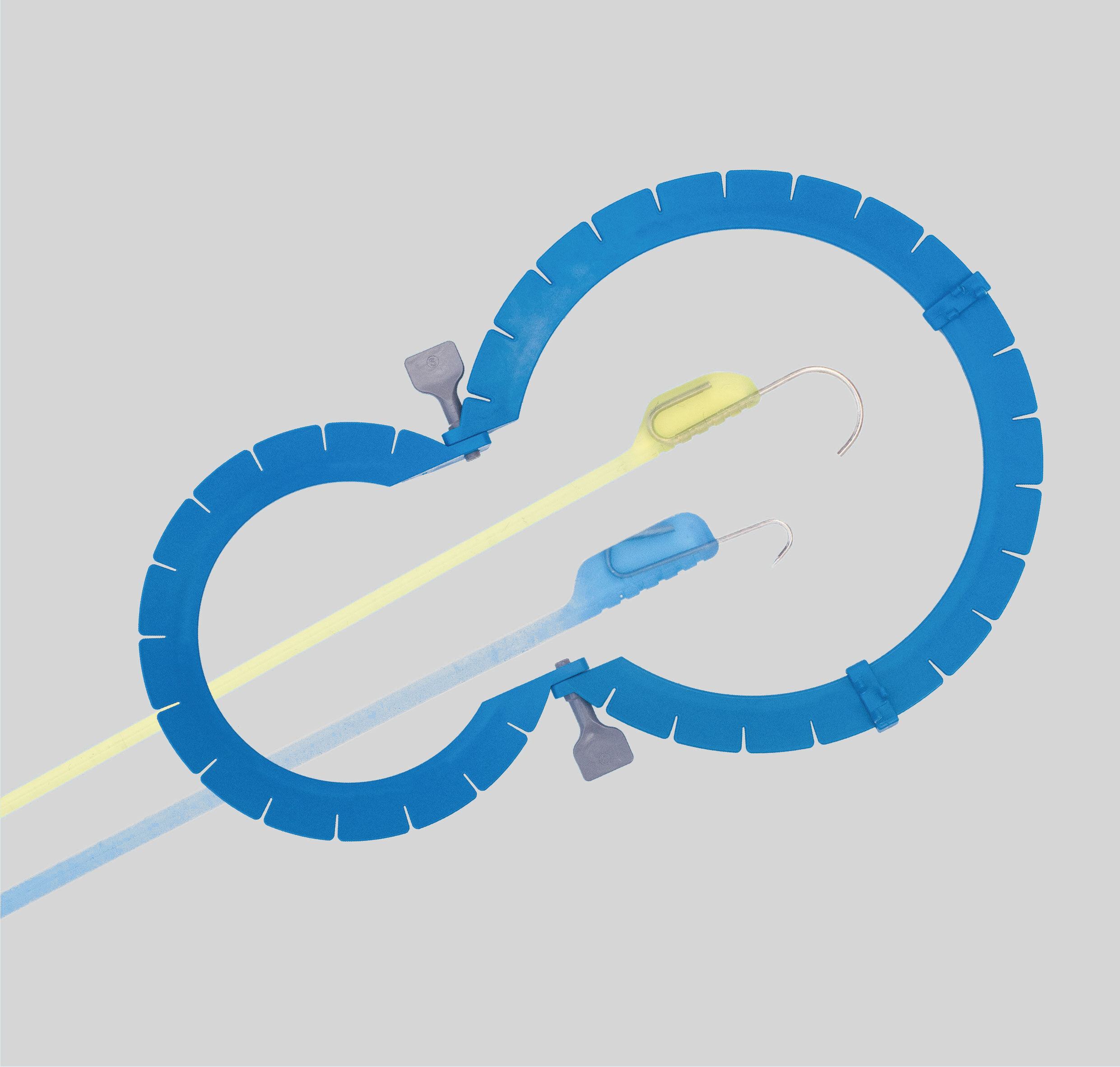
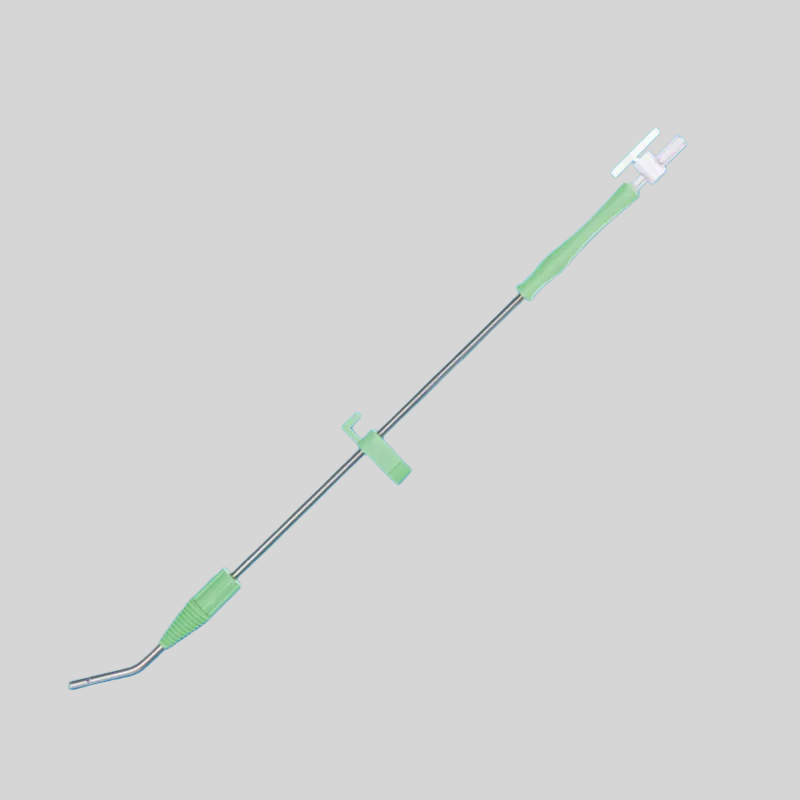
laparoscopic scissors
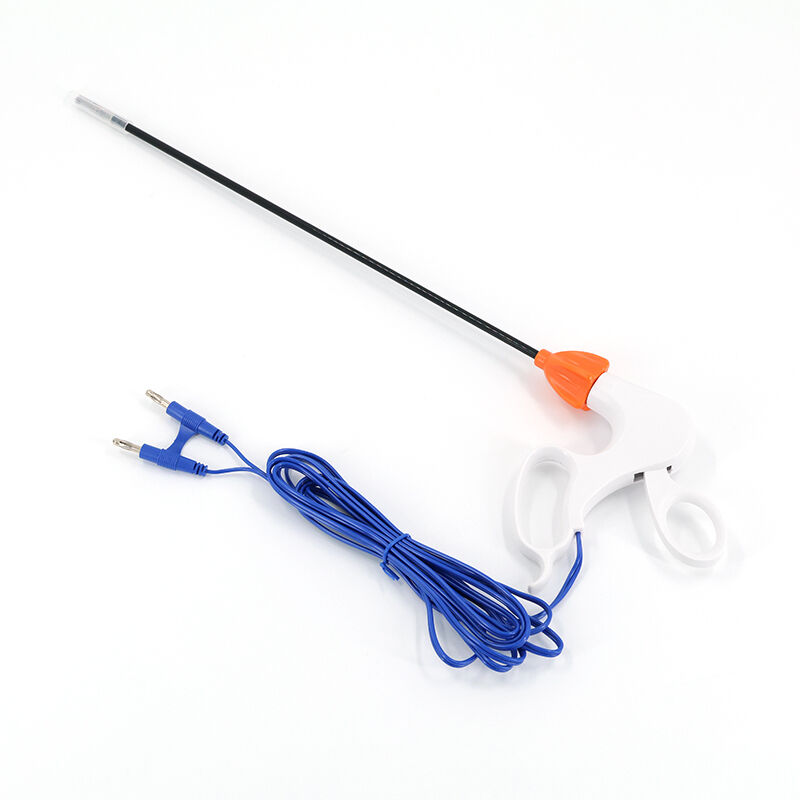
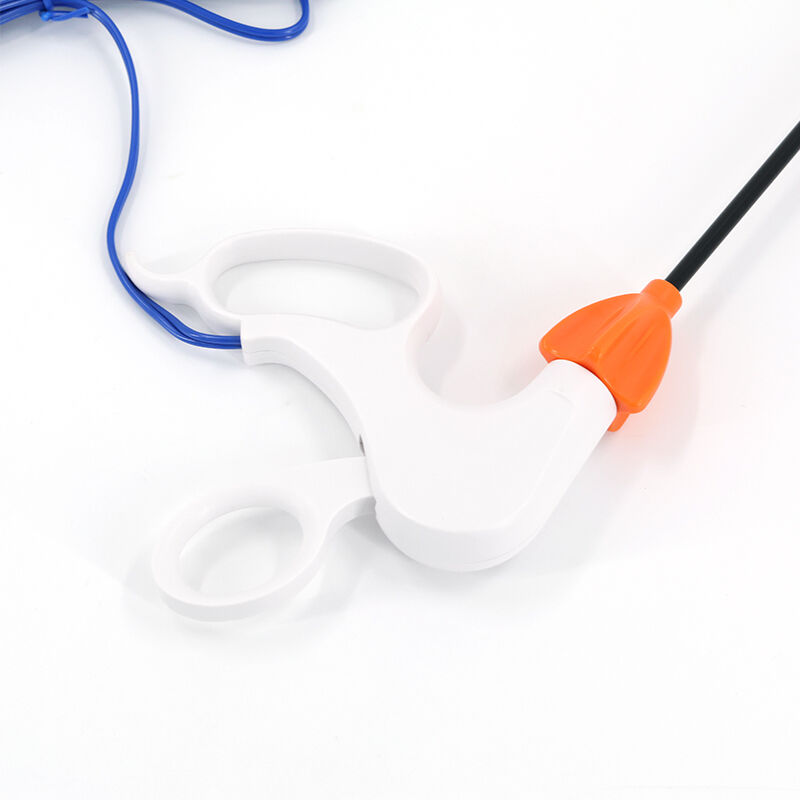
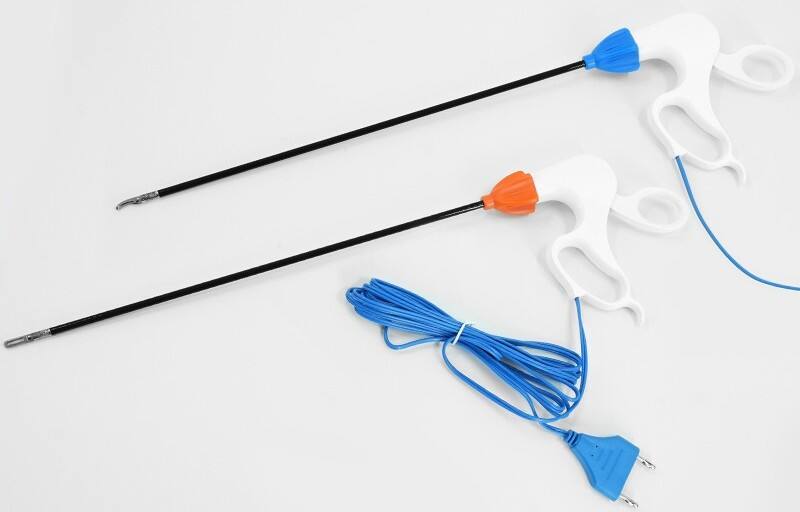
Laparoscopic scissors represent a revolutionary advancement in minimally invasive surgical technology, serving as essential cutting instruments specifically designed for endoscopic procedures. These specialized surgical tools enable surgeons to perform precise tissue cutting, dissection, and coagulation through small incisions rather than traditional open surgery methods. The primary functions of laparoscopic scissors encompass multiple surgical tasks including tissue separation, vessel cutting, suture removal, and delicate anatomical structure manipulation within confined body cavities. Modern laparoscopic scissors incorporate advanced technological features such as electrocautery capabilities, allowing simultaneous cutting and coagulation to minimize bleeding during procedures. The instruments typically measure between 5mm to 12mm in diameter, designed to fit through standard trocar ports used in laparoscopic surgery. Their ergonomic handles provide surgeons with comfortable grip and precise control, while the elongated shaft design enables access to deep anatomical structures. The cutting blades utilize high-grade surgical steel or titanium alloys, ensuring durability and maintaining sharpness throughout extended procedures. Many models feature rotating mechanisms that allow 360-degree blade orientation, providing optimal cutting angles regardless of approach direction. Applications of laparoscopic scissors span numerous surgical specialties including gynecology, general surgery, urology, and thoracic surgery. In gynecological procedures, these instruments facilitate ovarian cyst removal, endometriosis treatment, and hysterectomy procedures with minimal patient trauma. General surgeons employ laparoscopic scissors for gallbladder removal, hernia repairs, and appendectomy operations. The instruments prove invaluable in bariatric surgery, enabling precise tissue manipulation during gastric bypass and sleeve gastrectomy procedures. Urological applications include prostatectomy, kidney surgery, and bladder procedures where precision cutting is paramount. The technological sophistication of modern laparoscopic scissors includes integration with advanced energy systems, providing controlled tissue effects and enhanced hemostasis. These features significantly reduce operative time while improving patient outcomes through decreased blood loss and faster recovery periods.



 EN
EN