Basic Laparoscopic Instruments: Advanced Minimally Invasive Surgery Solutions

Get a Free Quote

Our representative will contact you soon.
Email
Mobile/WhatsApp
Name
Company Name
Message
0/1000

basic laparoscopic instruments

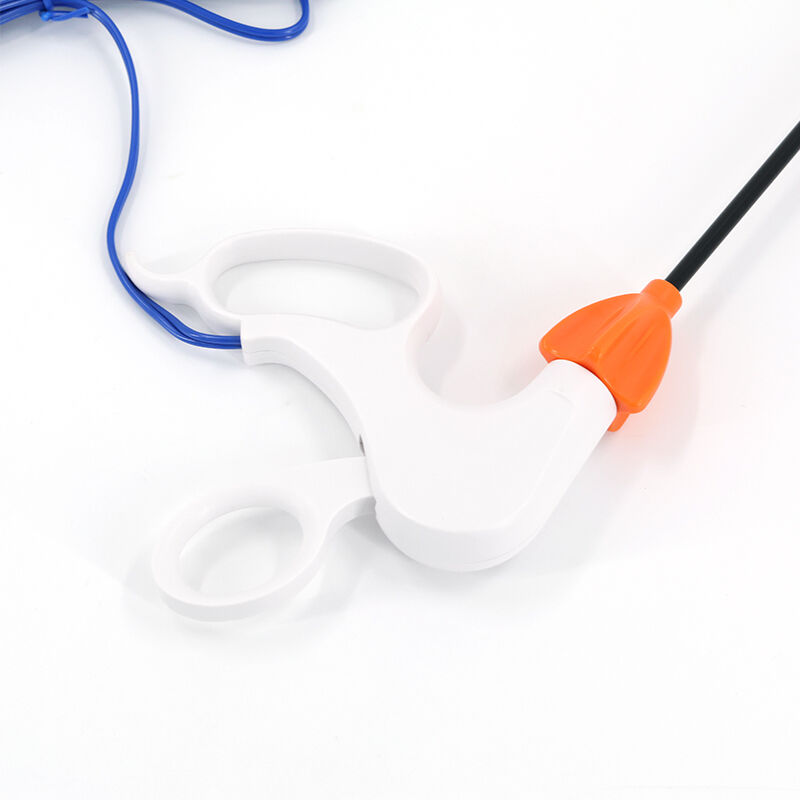
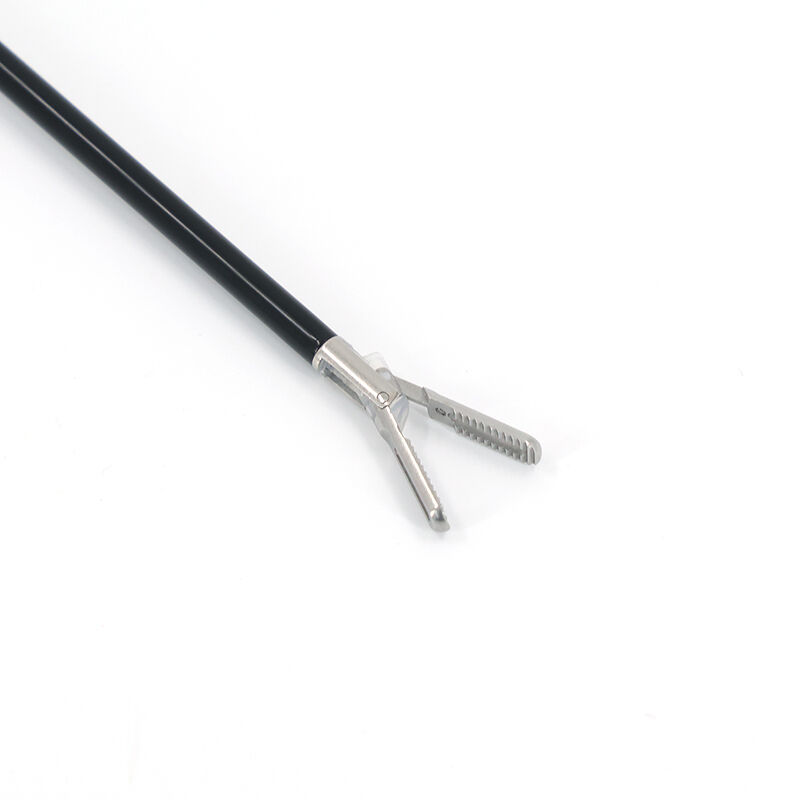
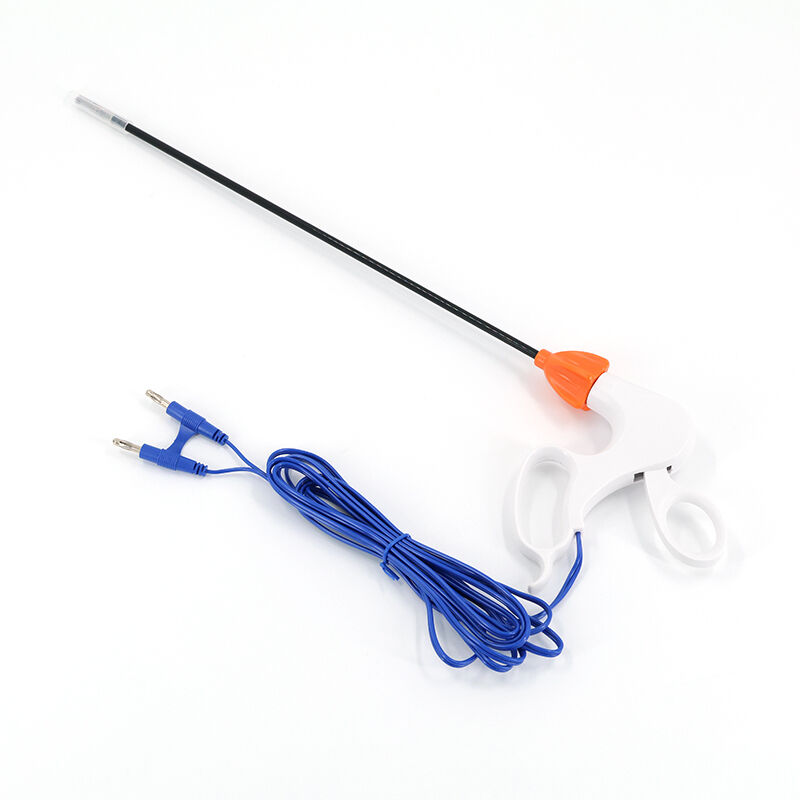
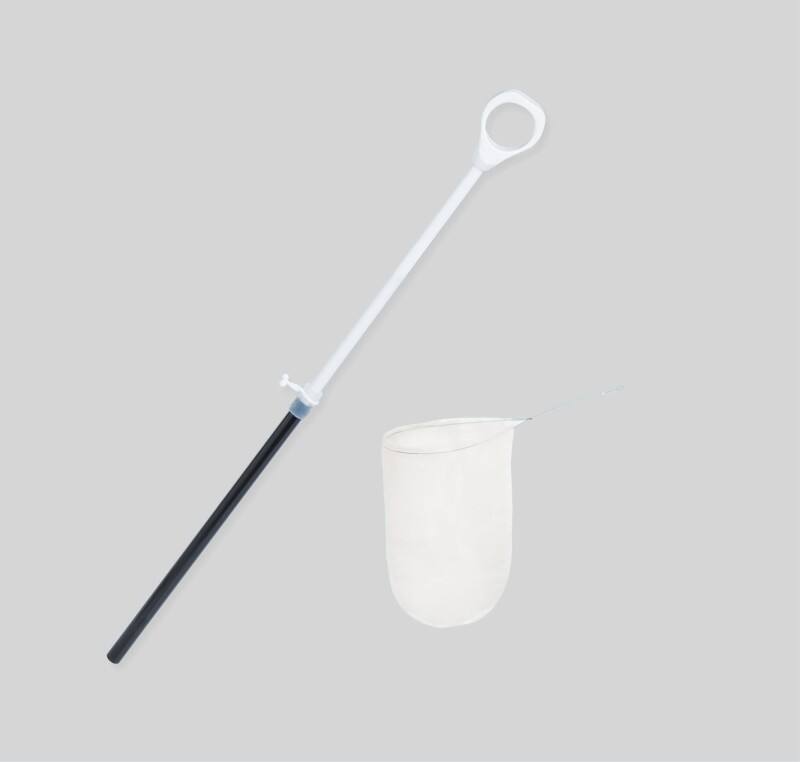
Basic laparoscopic instruments represent the fundamental tools that enable minimally invasive surgical procedures through small incisions in the patient's body. These sophisticated medical devices have revolutionized modern surgical practices by providing surgeons with precise control and enhanced visualization capabilities. The core components of basic laparoscopic instruments include trocars, laparoscopes, graspers, scissors, electrocautery devices, and insufflation systems. Each instrument serves a specific purpose in creating and maintaining the pneumoperitoneum necessary for safe laparoscopic surgery. Trocars function as entry ports, allowing other instruments to access the surgical site while maintaining gas seal integrity. The laparoscope itself contains advanced optical systems with high-definition cameras that transmit crystal-clear images to external monitors, enabling surgeons to navigate internal structures with remarkable precision. Modern basic laparoscopic instruments incorporate cutting-edge technological features such as articulating tips, ergonomic handles, and specialized coatings that reduce tissue trauma. The instruments utilize materials like stainless steel and titanium alloys that ensure durability while maintaining biocompatibility standards. Advanced sealing mechanisms prevent gas leakage during procedures, maintaining optimal working conditions throughout surgery. These instruments find extensive applications across various surgical specialties including general surgery, gynecology, urology, and thoracic procedures. Their versatility makes them indispensable for procedures ranging from cholecystectomy and appendectomy to hernia repairs and diagnostic explorations. The standardized design of basic laparoscopic instruments ensures compatibility across different surgical platforms and manufacturer systems. Quality basic laparoscopic instruments undergo rigorous testing to meet international medical device standards and regulatory requirements. Their modular design allows for easy sterilization and maintenance, reducing operational costs for healthcare facilities while ensuring patient safety through consistent performance standards.

Popular Products

The primary advantage of basic laparoscopic instruments lies in their ability to facilitate minimally invasive procedures that significantly reduce patient recovery times compared to traditional open surgery methods. Patients experience substantially less postoperative pain, requiring fewer pain medications and enabling faster return to normal daily activities. The smaller incisions created by basic laparoscopic instruments result in minimal scarring, providing superior cosmetic outcomes that patients greatly appreciate. Healthcare facilities benefit from reduced hospital stay durations, as patients typically discharge within 24-48 hours rather than extended periods required for open procedures. This efficiency translates directly into cost savings for both medical institutions and patients through reduced facility fees and shorter recovery periods. Basic laparoscopic instruments offer surgeons enhanced precision through magnified visualization systems that provide up to 10x magnification of internal structures. This improved visibility enables more accurate tissue handling and reduces the risk of inadvertent damage to surrounding organs or blood vessels. The ergonomic design of modern basic laparoscopic instruments reduces surgeon fatigue during lengthy procedures, maintaining optimal performance levels throughout complex operations. These instruments incorporate advanced safety features such as insulated shafts that prevent accidental electrical burns and secure locking mechanisms that ensure reliable instrument positioning. The standardized interface design allows surgical teams to quickly adapt to different instrument configurations, reducing learning curves and improving overall efficiency. Basic laparoscopic instruments demonstrate exceptional durability through multiple sterilization cycles while maintaining sharp cutting edges and precise mechanical function. Their modular construction enables cost-effective replacement of individual components rather than entire instrument sets. The reduced infection rates associated with laparoscopic procedures benefit both patients and healthcare providers by minimizing complications and associated treatment costs. Environmental benefits include reduced medical waste generation due to smaller dressing requirements and shorter hospitalization periods. Basic laparoscopic instruments support same-day discharge protocols for many procedures, revolutionizing outpatient surgical capabilities and patient satisfaction scores.

Practical Tips

Building Core Competitive Advantage Through Technological Innovation and Quality Control

05

Feb

Building Core Competitive Advantage Through Technological Innovation and Quality Control

View More
Focusing On High-Value Medical Devices, Leveraging a Diversified Product Portfolio To Empower Clinical Minimally Invasive Treatments

05

Feb

Focusing On High-Value Medical Devices, Leveraging a Diversified Product Portfolio To Empower Clinical Minimally Invasive Treatments

View More
Deeply Engaged In The High-End Medical Consumables Field, With Innovation Driving The Development Of Minimally Invasive Surgery.

05

Feb

Deeply Engaged In The High-End Medical Consumables Field, With Innovation Driving The Development Of Minimally Invasive Surgery.

View More

Get a Free Quote

Our representative will contact you soon.
Email
Mobile/WhatsApp
Name
Company Name
Message
0/1000

basic laparoscopic instruments

Advanced Optical Technology for Superior Visualization

Advanced Optical Technology for Superior Visualization

The optical technology integrated into basic laparoscopic instruments represents a quantum leap in surgical visualization capabilities that directly impacts patient outcomes and surgical precision. Modern basic laparoscopic instruments incorporate ultra-high-definition camera systems with 4K resolution capabilities, providing surgeons with unprecedented clarity and detail during procedures. The advanced lens systems utilize specialized coatings that minimize glare and enhance color reproduction, ensuring accurate tissue identification and differentiation. These optical enhancements enable surgeons to detect subtle anatomical variations and potential complications that might be missed with traditional visualization methods. The integrated LED lighting systems provide consistent, shadow-free illumination throughout the surgical field, eliminating the need for external light sources that can create shadows or hot spots. Basic laparoscopic instruments with advanced optical technology feature adjustable focus mechanisms that allow real-time optimization of image sharpness at varying distances within the surgical cavity. The anti-fogging technology prevents lens condensation that could obstruct visualization during critical moments of the procedure. Digital zoom capabilities enable surgeons to magnify specific areas of interest without compromising image quality, facilitating precise dissection and suturing techniques. The wide-angle lens design provides comprehensive field coverage, reducing the need for frequent instrument repositioning and minimizing operative time. Color enhancement algorithms built into these basic laparoscopic instruments improve contrast between different tissue types, making blood vessels, nerves, and organs more distinguishable. The ergonomic eyepiece design reduces eye strain during extended procedures, allowing surgeons to maintain optimal concentration levels. Advanced image stabilization technology compensates for minor hand tremors, ensuring steady visualization even during delicate maneuvers. These optical innovations in basic laparoscopic instruments translate into reduced complication rates, shorter operative times, and improved surgical outcomes that benefit both patients and healthcare providers through enhanced safety and efficiency.
Precision Engineering for Enhanced Surgical Control

Precision Engineering for Enhanced Surgical Control

The precision engineering incorporated into basic laparoscopic instruments delivers unparalleled surgical control that enables surgeons to perform complex procedures with confidence and accuracy. These instruments feature meticulously crafted articulating joints that provide 360-degree rotation capabilities, allowing access to anatomical structures from multiple angles without requiring additional incisions. The advanced fulcrum design optimizes force transmission while maintaining precise tip control, enabling delicate tissue manipulation with minimal applied pressure. Basic laparoscopic instruments utilize high-grade stainless steel construction with specialized surface treatments that provide optimal grip while preventing tissue adhesion during procedures. The innovative ratcheting mechanisms incorporated into grasping instruments ensure secure tissue hold without excessive compression, preventing tissue damage while maintaining reliable control. Precision-ground cutting edges on scissor instruments maintain sharpness through hundreds of uses while providing clean, controlled cuts that promote optimal healing. The balanced weight distribution in basic laparoscopic instruments reduces hand fatigue and improves tactile feedback, enabling surgeons to feel subtle tissue resistance changes that guide procedural decisions. Advanced spring mechanisms provide consistent jaw pressure across the full range of motion, ensuring uniform grasping force regardless of opening width. The smoothly operating pivot points eliminate binding or sticking that could interfere with precise movements during critical procedural moments. Specialized tip designs accommodate various surgical requirements, from blunt dissection to precise cutting applications, all within the same instrument platform. The precision-engineered sealing surfaces prevent gas leakage around moving parts, maintaining optimal insufflation pressure throughout procedures. Quality control measures ensure that each basic laparoscopic instrument meets strict tolerance specifications, guaranteeing consistent performance across entire instrument sets. The modular design allows for easy replacement of worn components while maintaining the precision characteristics of the original instrument. This engineering excellence translates into improved surgical outcomes, reduced operative complications, and enhanced surgeon confidence during challenging procedures.
Versatile Design for Multi-Specialty Applications

Versatile Design for Multi-Specialty Applications

The versatile design characteristics of basic laparoscopic instruments make them indispensable across multiple surgical specialties, providing healthcare facilities with cost-effective solutions that maximize instrument utilization while maintaining specialized functionality. These adaptable instruments feature interchangeable components that enable customization for specific procedural requirements without requiring completely separate instrument sets for different surgical disciplines. Basic laparoscopic instruments accommodate various trocar sizes and surgical approaches, ensuring compatibility with existing surgical infrastructure while providing flexibility for future equipment upgrades. The universal connector systems allow seamless integration with different energy sources, including monopolar and bipolar electrosurgery units, ultrasonic devices, and advanced energy platforms. Specialty tip attachments expand the functional capabilities of basic laparoscopic instruments, transforming single instruments into multi-purpose surgical tools that reduce overall instrument inventory requirements. The standardized shaft dimensions ensure compatibility with existing instrument trays and sterilization systems, minimizing the need for additional storage infrastructure. Adjustable length options accommodate patients of varying body habitus, from pediatric to bariatric populations, ensuring optimal instrument positioning regardless of patient size. The robust construction enables basic laparoscopic instruments to withstand the rigorous demands of high-volume surgical practices while maintaining consistent performance characteristics. Specialty coatings available on these instruments provide enhanced functionality such as reduced friction for smoother tissue passage or improved electrical insulation for safer energy delivery. The modular design philosophy allows surgical teams to configure instrument sets specifically for individual procedures, optimizing efficiency while reducing unnecessary instrument exposure and sterilization costs. Advanced materials science incorporated into basic laparoscopic instruments ensures biocompatibility across diverse patient populations while maintaining mechanical strength under extreme surgical conditions. The versatile design accommodates both disposable and reusable components, providing healthcare facilities with flexibility in managing costs while maintaining quality standards. These instruments support various surgical approaches including single-port, multi-port, and hybrid procedures, ensuring continued utility as surgical techniques evolve. The comprehensive training programs available for basic laparoscopic instruments enable rapid adoption across different surgical teams and specialties, maximizing return on investment through improved utilization rates and enhanced surgical capabilities.
Basic Laparoscopic Instruments: Advanced Minimally Invasive Surgery Solutions

Get a Free Quote

Our representative will contact you soon.
Email
Mobile/WhatsApp
Name
Company Name
Message
0/1000