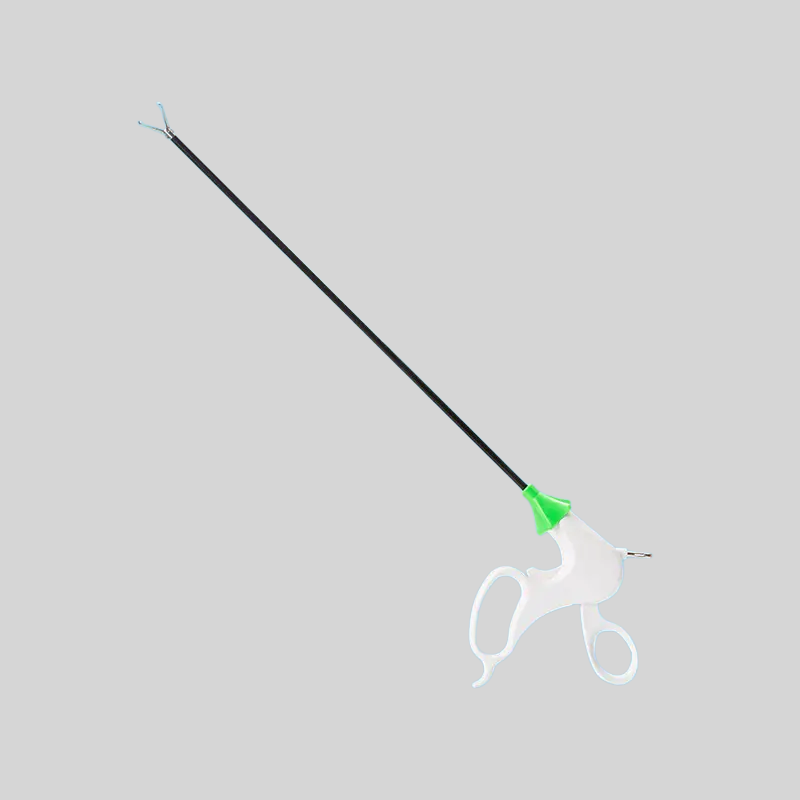
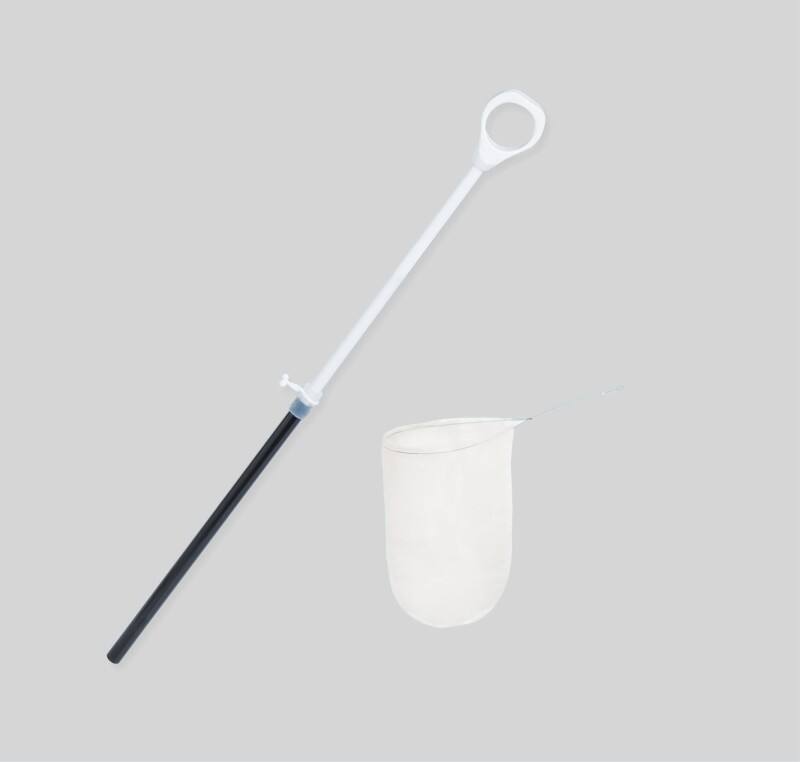
laparoscopic forceps
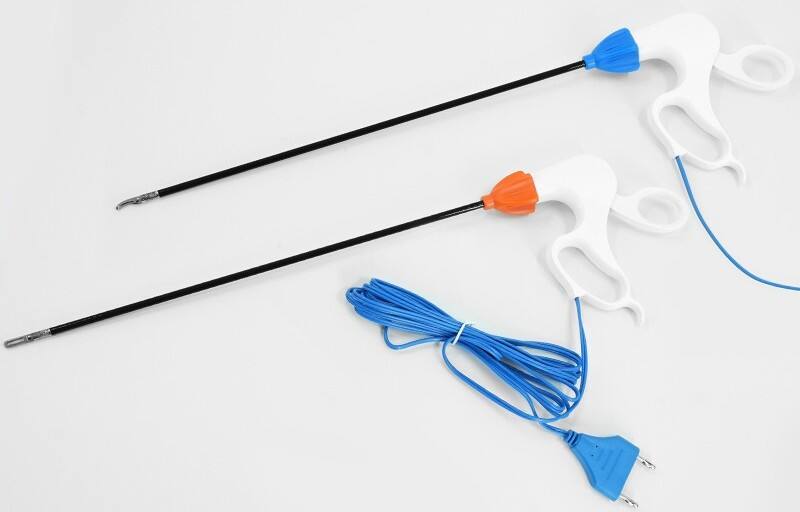
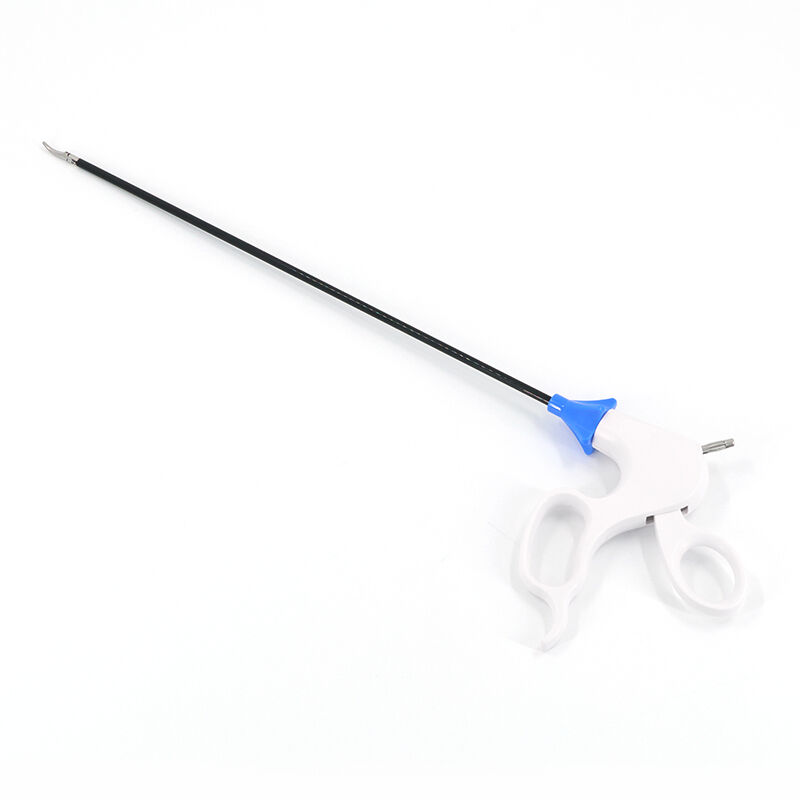
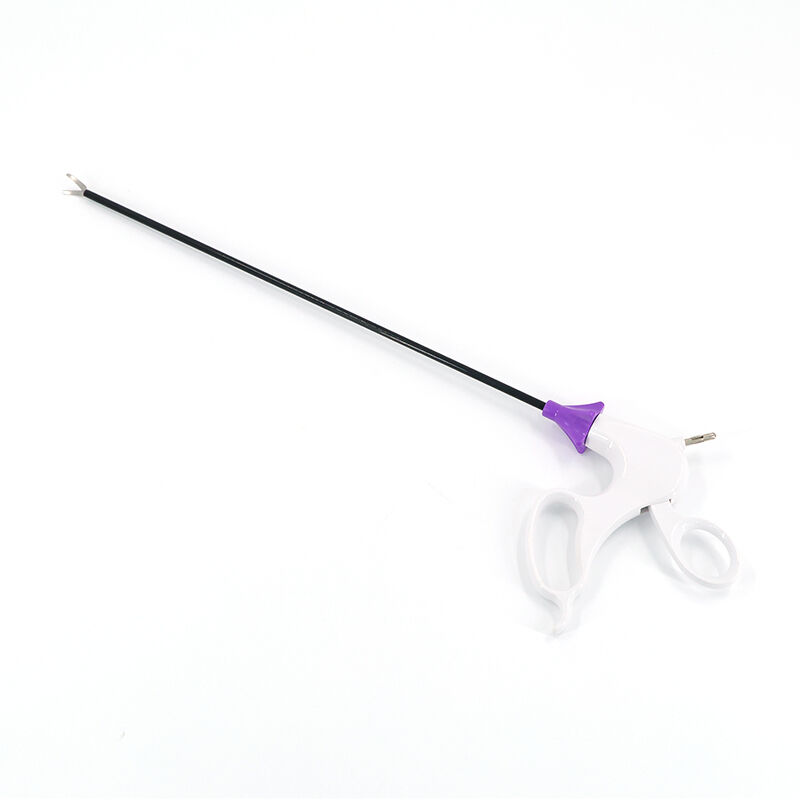
Laparoscopic forceps represent a cornerstone of minimally invasive surgical technology, designed specifically for precision manipulation during endoscopic procedures. These specialized surgical instruments feature elongated shafts with articulating jaws at the distal end, enabling surgeons to grasp, manipulate, and position tissues through small incisions typically measuring 5-12 millimeters in diameter. The fundamental design of laparoscopic forceps incorporates ergonomic handles that provide tactile feedback while maintaining precise control over delicate anatomical structures. Modern laparoscopic forceps utilize advanced materials including stainless steel and titanium alloys, ensuring durability and biocompatibility while maintaining optimal strength-to-weight ratios. The technological features of these instruments include various jaw configurations such as fenestrated, serrated, and smooth surfaces, each designed for specific tissue types and surgical requirements. Many contemporary laparoscopic forceps incorporate insulation technology, allowing for safe electrocautery applications during tissue manipulation. The articulation mechanisms enable 360-degree rotation and multiple degrees of freedom, providing surgeons with enhanced dexterity comparable to open surgical techniques. Applications for laparoscopic forceps span numerous surgical specialties including general surgery, gynecology, urology, and thoracic procedures. In abdominal surgeries, these instruments facilitate organ retraction, tissue dissection, and suture placement during procedures such as cholecystectomy, appendectomy, and hernia repairs. Gynecological applications include ovarian cyst removal, hysterectomy procedures, and endometriosis treatment. The instruments prove invaluable during laparoscopic kidney surgeries, prostate procedures, and bladder reconstructions in urological applications. Thoracic surgeons utilize specialized laparoscopic forceps for lung biopsies, mediastinal mass removals, and pleural procedures. The versatility of laparoscopic forceps extends to pediatric surgery, where smaller instrument variants accommodate the unique anatomical considerations of younger patients while maintaining the same precision and functionality required for successful outcomes.



 EN
EN