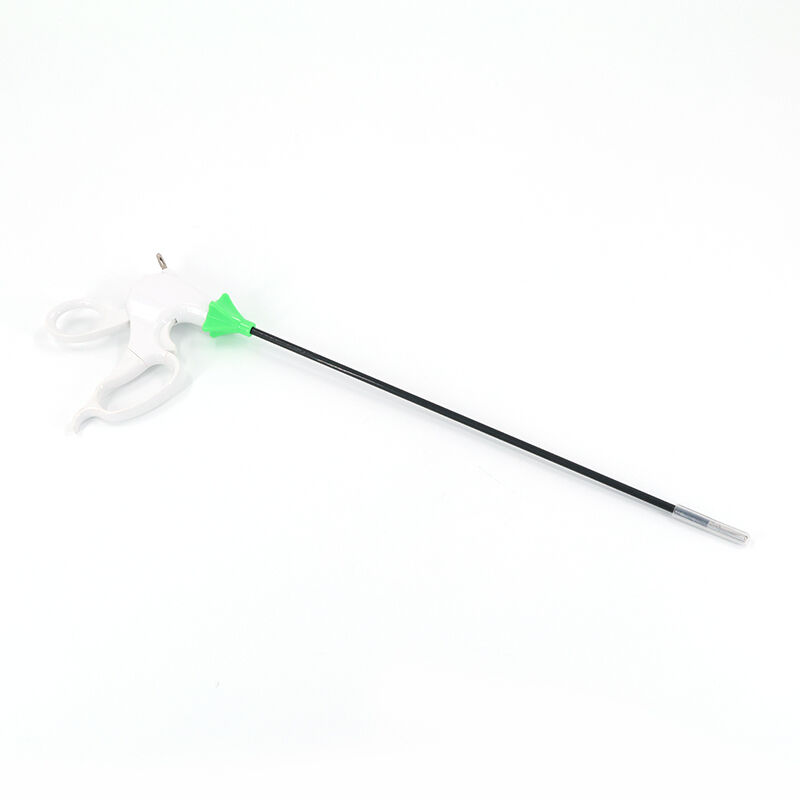
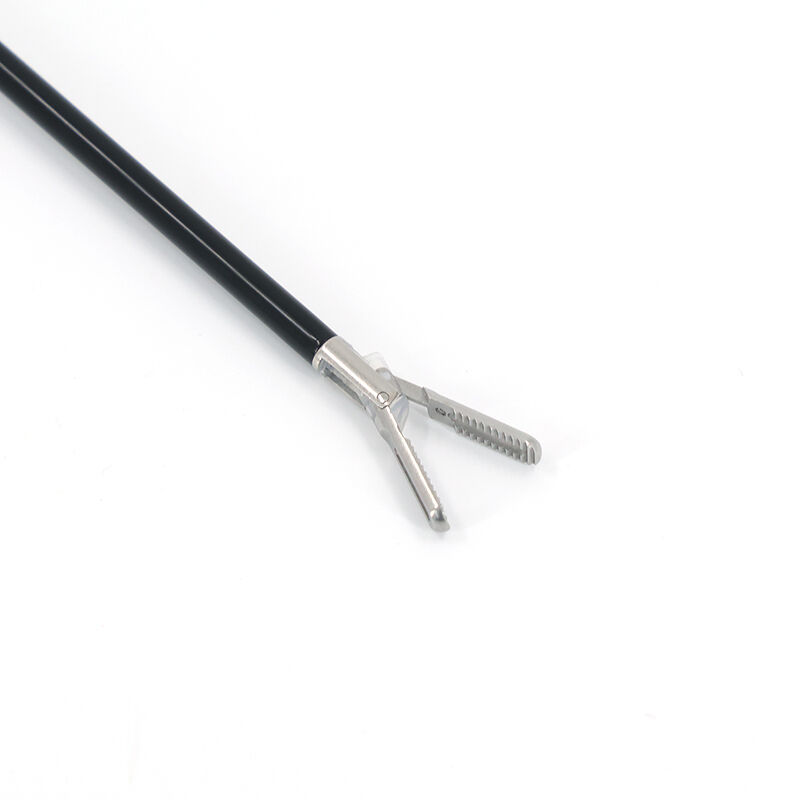
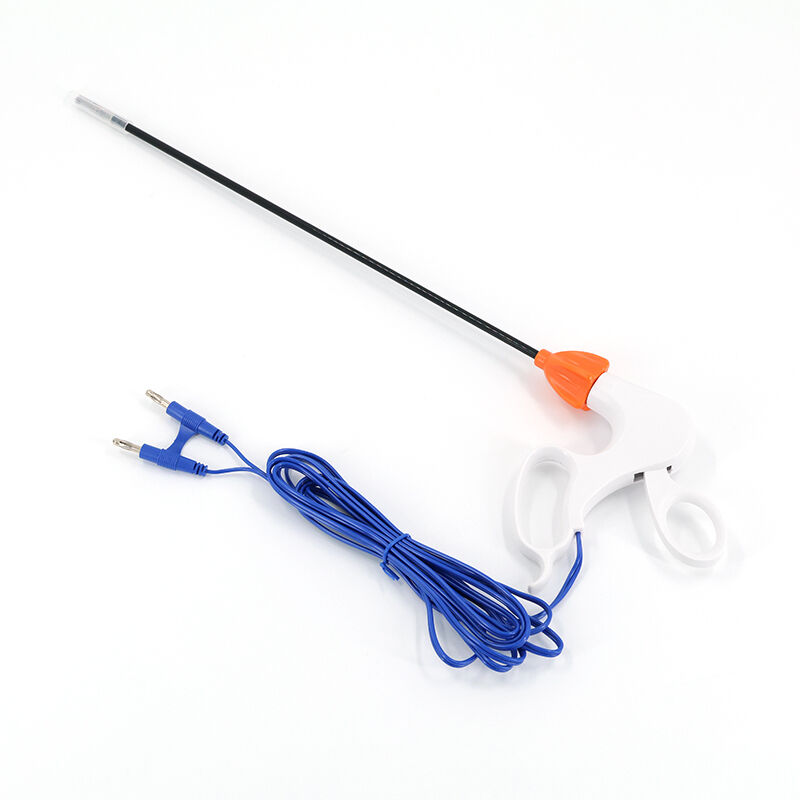
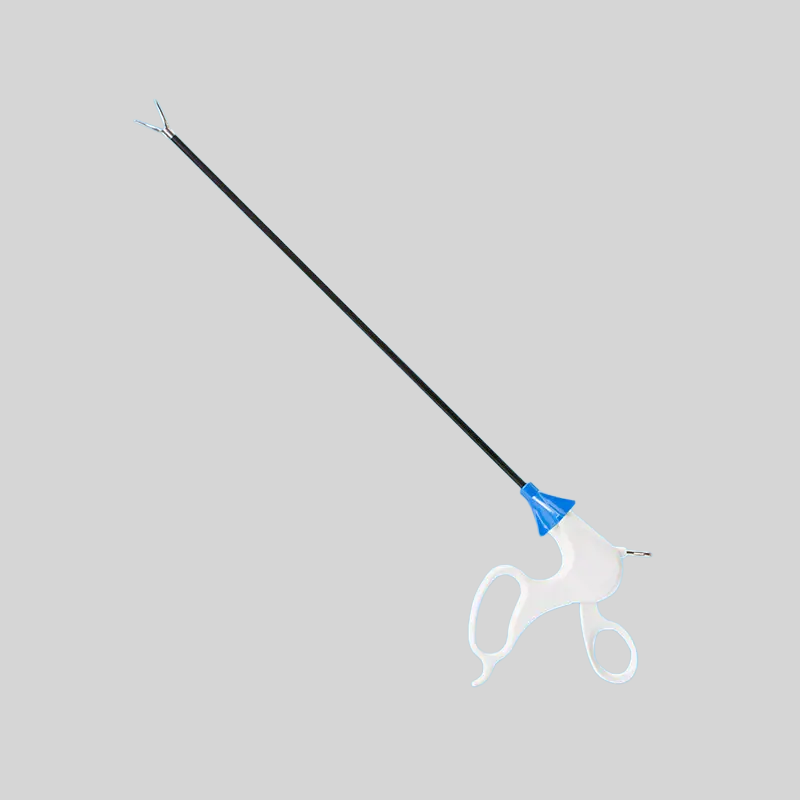
Advanced Laparoscopic Surgery Instruments: Precision Tools for Minimally Invasive Procedures

Get a Free Quote

Our representative will contact you soon.
Email
Mobile/WhatsApp
Name
Company Name
Message
0/1000

laparoscopic surgery instruments

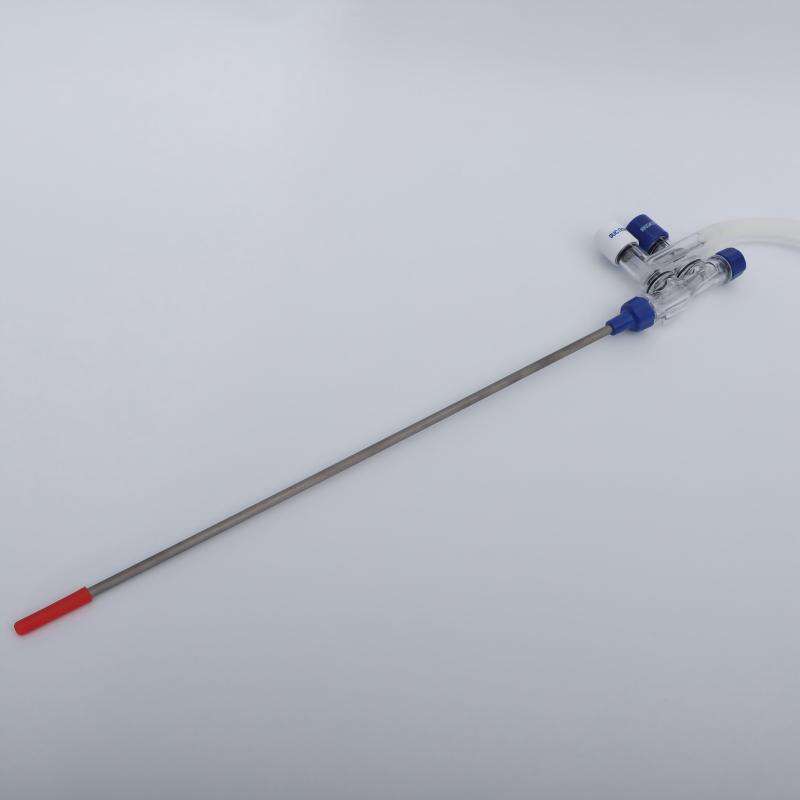
Laparoscopic surgery instruments represent a revolutionary advancement in minimally invasive surgical procedures, transforming how surgeons approach complex operations across multiple medical specialties. These sophisticated tools enable surgeons to perform intricate procedures through small incisions, typically measuring only 5-12 millimeters, rather than large open cuts traditional surgery requires. The primary functions of laparoscopic surgery instruments encompass visualization, manipulation, cutting, suturing, and tissue removal, all accomplished through trocar ports inserted into the patient's body cavity. The laparoscope itself serves as the central component, featuring a high-definition camera system that transmits real-time images to external monitors, providing surgeons with magnified, crystal-clear views of internal structures. Advanced optical systems incorporate LED lighting technology and specialized lens configurations that deliver superior image quality even in challenging anatomical locations. Technological features of modern laparoscopic surgery instruments include ergonomic handle designs that reduce surgeon fatigue during extended procedures, precision-engineered joints that provide smooth articulation, and durable materials that withstand repeated sterilization cycles. Many instruments feature advanced coatings that minimize tissue adhesion and improve cutting efficiency. Digital integration capabilities allow seamless connectivity with surgical recording systems and robotic platforms. Applications for laparoscopic surgery instruments span numerous medical fields including general surgery, gynecology, urology, thoracic surgery, and bariatric procedures. These versatile tools enable surgeons to perform appendectomies, cholecystectomies, hernia repairs, hysterectomies, prostatectomies, and gastric bypass surgeries with remarkable precision. The modular design of many laparoscopic surgery instruments allows for customization based on specific procedural requirements, ensuring optimal performance across diverse surgical scenarios. Contemporary manufacturing processes emphasize biocompatibility, incorporating materials that meet stringent medical device regulations while maintaining exceptional durability and performance standards throughout their operational lifespan.

Popular Products

Laparoscopic surgery instruments deliver exceptional benefits that revolutionize patient care and surgical outcomes across healthcare facilities worldwide. These advanced tools significantly reduce patient recovery times, enabling individuals to return to normal activities within days rather than weeks compared to traditional open surgery methods. The minimally invasive nature of procedures performed with laparoscopic surgery instruments results in smaller incisions that heal faster and leave minimal scarring, greatly improving cosmetic outcomes and patient satisfaction. Pain management becomes substantially easier for patients undergoing laparoscopic procedures, as reduced tissue trauma translates to lower analgesic requirements and decreased risk of chronic pain development. Healthcare providers appreciate how laparoscopic surgery instruments contribute to shorter hospital stays, reducing overall healthcare costs while improving bed turnover rates and operational efficiency. The precision engineering of these instruments allows surgeons to perform complex maneuvers with enhanced dexterity and control, leading to improved surgical accuracy and reduced complication rates. Advanced visualization capabilities provided by high-definition camera systems integrated into laparoscopic surgery instruments enable surgeons to identify anatomical structures with unprecedented clarity, minimizing the risk of inadvertent tissue damage during procedures. The reduced invasiveness of laparoscopic techniques significantly decreases the likelihood of postoperative infections, as smaller incisions provide fewer entry points for pathogens. Blood loss during surgery is markedly reduced when using laparoscopic surgery instruments, eliminating the need for blood transfusions in many cases and reducing associated risks. The ergonomic design of modern laparoscopic surgery instruments reduces surgeon fatigue during lengthy procedures, maintaining optimal performance throughout complex operations. Training programs for laparoscopic surgery instruments are increasingly accessible, allowing surgical teams to develop proficiency in these techniques and expand their procedural capabilities. The versatility of laparoscopic surgery instruments enables their use across multiple specialties, making them cost-effective investments for healthcare facilities seeking to modernize their surgical capabilities. Quality assurance measures built into laparoscopic surgery instruments ensure consistent performance and reliability, providing surgeons with confidence in their tools during critical procedures.

Tips And Tricks

Building Core Competitive Advantage Through Technological Innovation and Quality Control

05

Feb

Building Core Competitive Advantage Through Technological Innovation and Quality Control

View More
Focusing On High-Value Medical Devices, Leveraging a Diversified Product Portfolio To Empower Clinical Minimally Invasive Treatments

05

Feb

Focusing On High-Value Medical Devices, Leveraging a Diversified Product Portfolio To Empower Clinical Minimally Invasive Treatments

View More
Deeply Engaged In The High-End Medical Consumables Field, With Innovation Driving The Development Of Minimally Invasive Surgery.

05

Feb

Deeply Engaged In The High-End Medical Consumables Field, With Innovation Driving The Development Of Minimally Invasive Surgery.

View More

Get a Free Quote

Our representative will contact you soon.
Email
Mobile/WhatsApp
Name
Company Name
Message
0/1000

laparoscopic surgery instruments

Advanced High-Definition Visualization Technology

Advanced High-Definition Visualization Technology

The cornerstone of modern laparoscopic surgery instruments lies in their revolutionary visualization technology that transforms surgical precision and outcomes. Contemporary laparoscopic systems feature ultra-high-definition cameras capable of delivering 4K resolution imagery, providing surgeons with unparalleled clarity when navigating complex anatomical structures. These advanced optical systems incorporate specialized lens configurations and state-of-the-art sensor technology that captures minute details often invisible to the naked eye during open procedures. The integrated LED lighting systems within laparoscopic surgery instruments produce brilliant, consistent illumination that eliminates shadows and provides optimal visibility even in deep body cavities. Color accuracy and contrast enhancement features ensure that surgeons can distinguish between different tissue types with remarkable precision, reducing the risk of inadvertent damage to critical structures. The real-time image transmission capabilities of these laparoscopic surgery instruments allow multiple team members to observe procedures simultaneously on high-resolution monitors, facilitating better coordination and educational opportunities. Advanced image processing algorithms automatically adjust brightness, contrast, and color balance to compensate for varying tissue characteristics and lighting conditions throughout the procedure. The compact camera head design minimizes bulk while maximizing optical performance, allowing surgeons to maneuver instruments freely without compromising visualization quality. Many modern laparoscopic surgery instruments feature digital zoom capabilities that enable surgeons to magnify specific areas of interest without losing image clarity or increasing pixelation. The robust construction of these optical systems ensures consistent performance throughout extended procedures, maintaining image quality even under demanding operating conditions. Integration with digital recording systems allows comprehensive documentation of procedures for quality assurance, training purposes, and medicolegal requirements. The ergonomic positioning of visualization controls enables surgeons to make real-time adjustments without interrupting their focus on the operative field, maintaining workflow efficiency and procedural safety.
Precision Engineering for Enhanced Surgical Control

Precision Engineering for Enhanced Surgical Control

The exceptional precision engineering incorporated into laparoscopic surgery instruments represents a quantum leap in surgical tool design, delivering unmatched control and reliability for complex procedures. These meticulously crafted instruments feature precision-machined components that provide smooth, predictable movement with minimal play or backlash, enabling surgeons to perform intricate maneuvers with confidence. The articulation mechanisms within laparoscopic surgery instruments utilize advanced bearing systems and precision-ground surfaces that ensure consistent performance throughout thousands of operational cycles. Specialized joint designs incorporate self-lubricating materials that maintain smooth operation while resisting wear and corrosion from repeated sterilization processes. The handle ergonomics of modern laparoscopic surgery instruments are extensively researched and tested to provide optimal grip comfort and control authority, reducing surgeon fatigue during extended procedures. Advanced materials science contributes to the exceptional performance of these instruments, incorporating titanium alloys, medical-grade stainless steel, and specialized polymers that offer superior strength-to-weight ratios. The precision manufacturing tolerances maintained in laparoscopic surgery instruments ensure consistent performance between individual units, providing surgeons with familiar handling characteristics regardless of which specific instrument they use. Advanced surface treatments and coatings applied to critical components enhance durability while providing non-stick properties that prevent tissue adhesion and facilitate smooth cutting actions. The modular design philosophy employed in many laparoscopic surgery instruments allows for component replacement and customization, extending instrument lifespan while adapting to specific procedural requirements. Quality control processes implemented during manufacturing include comprehensive testing of mechanical properties, dimensional accuracy, and performance characteristics to ensure each instrument meets exacting standards. The precision engineering extends to the trocar systems and port designs that interface with laparoscopic surgery instruments, providing stable, leak-proof access while minimizing trauma to the abdominal wall. Advanced locking mechanisms and position indicators built into these instruments provide positive feedback to surgeons, ensuring secure connections and preventing inadvertent disconnection during critical portions of procedures.
Comprehensive Surgical Versatility Across Medical Specialties

Comprehensive Surgical Versatility Across Medical Specialties

The remarkable versatility of laparoscopic surgery instruments positions them as indispensable tools across virtually every surgical specialty, providing healthcare facilities with comprehensive solutions for diverse procedural requirements. General surgery applications utilize laparoscopic surgery instruments for procedures ranging from routine appendectomies and cholecystectomies to complex hernia repairs and colorectal resections. The adaptability of these instruments enables surgeons to transition seamlessly between different procedure types while maintaining consistent performance standards. Gynecological applications leverage the precision capabilities of laparoscopic surgery instruments for hysterectomies, ovarian cyst removals, endometriosis treatment, and fertility preservation procedures. The delicate nature of reproductive system surgery demands the exceptional control and visualization that these instruments provide, enabling surgeons to preserve critical structures while achieving optimal therapeutic outcomes. Urological procedures benefit significantly from the enhanced precision of laparoscopic surgery instruments, particularly in prostatectomies, nephrectomies, and bladder reconstructions where preservation of nerve pathways and vascular structures is paramount. The compact profile of these instruments allows access to confined spaces within the pelvis while maintaining full surgical capability. Bariatric surgery has been revolutionized by laparoscopic surgery instruments, enabling complex gastric bypass and sleeve gastrectomy procedures through minimal incisions while reducing complications and recovery times. The strength and reliability of these instruments accommodate the demanding requirements of metabolic surgery while providing the precision necessary for creating secure anastomoses. Thoracic applications utilize specialized laparoscopic surgery instruments designed for video-assisted thoracoscopic surgery, enabling lung biopsies, tumor resections, and pleural procedures with minimal chest wall trauma. The versatility extends to pediatric surgery, where appropriately sized laparoscopic surgery instruments enable minimally invasive procedures in young patients, reducing trauma and improving recovery outcomes. Cardiac surgery applications incorporate laparoscopic surgery instruments for minimally invasive valve repairs, coronary artery bypass procedures, and congenital defect corrections. The cross-specialty compatibility of many laparoscopic surgery instruments allows healthcare facilities to maximize their investment while providing surgeons with familiar tools across different procedural contexts, enhancing efficiency and reducing training requirements.
Advanced Laparoscopic Surgery Instruments: Precision Tools for Minimally Invasive Procedures

Get a Free Quote

Our representative will contact you soon.
Email
Mobile/WhatsApp
Name
Company Name
Message
0/1000