Advanced Laparoscopic Tools: High-Definition Surgical Equipment for Minimally Invasive Procedures

Get a Free Quote

Our representative will contact you soon.
Email
Mobile/WhatsApp
Name
Company Name
Message
0/1000

laparoscopic tools

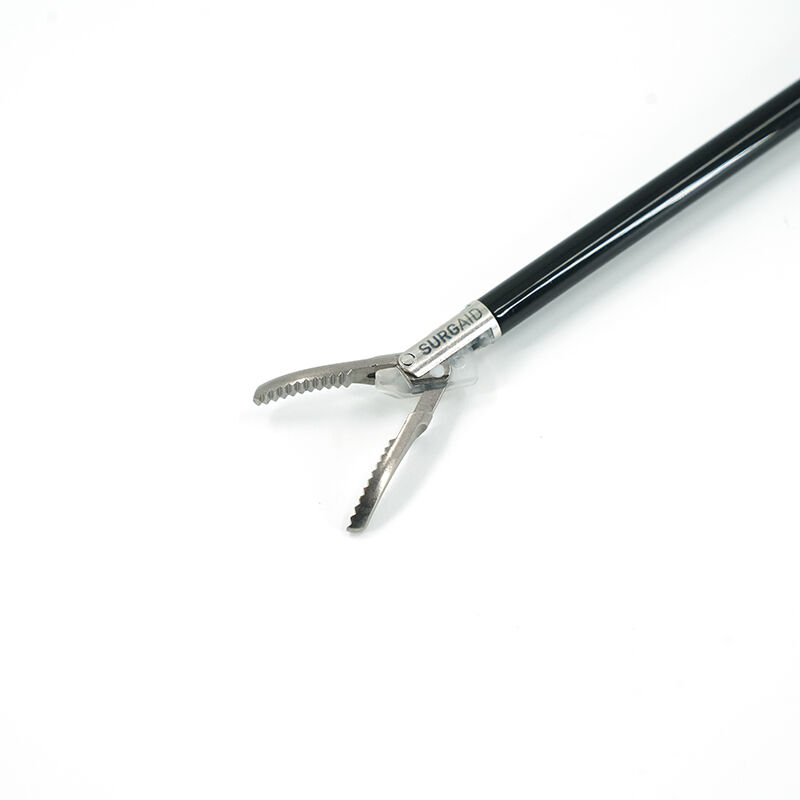
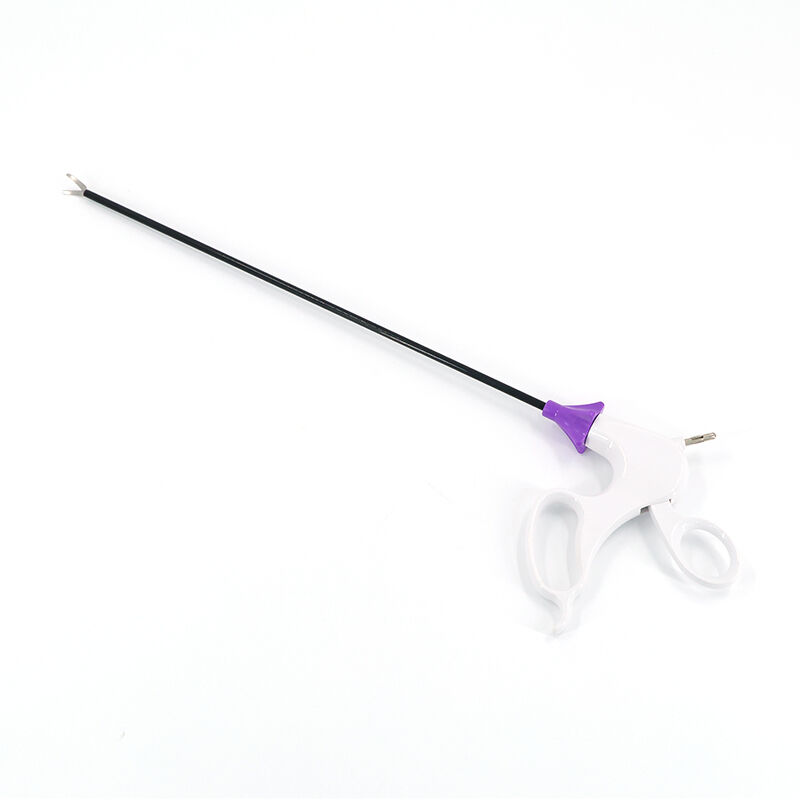
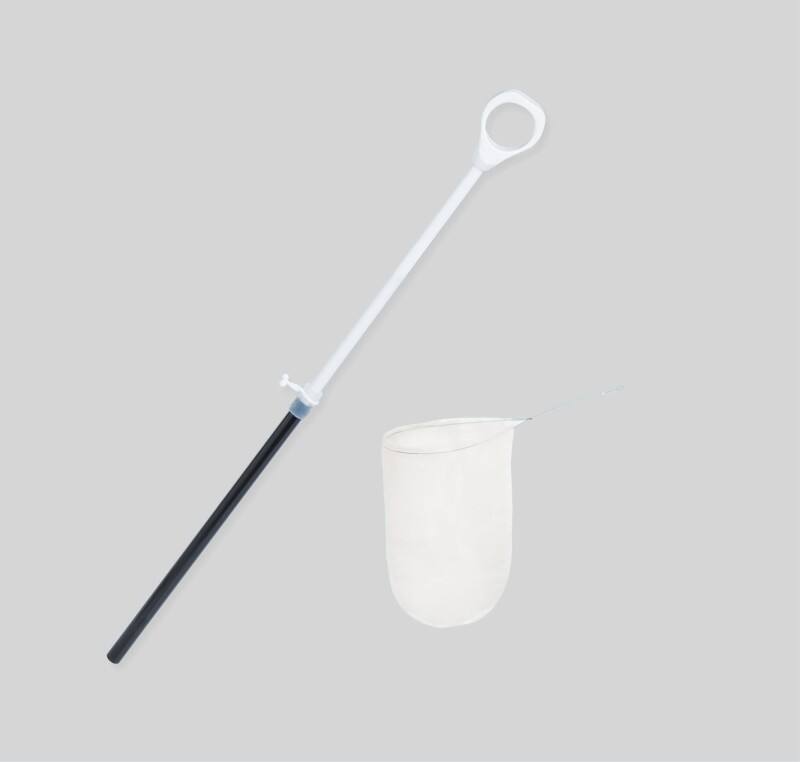
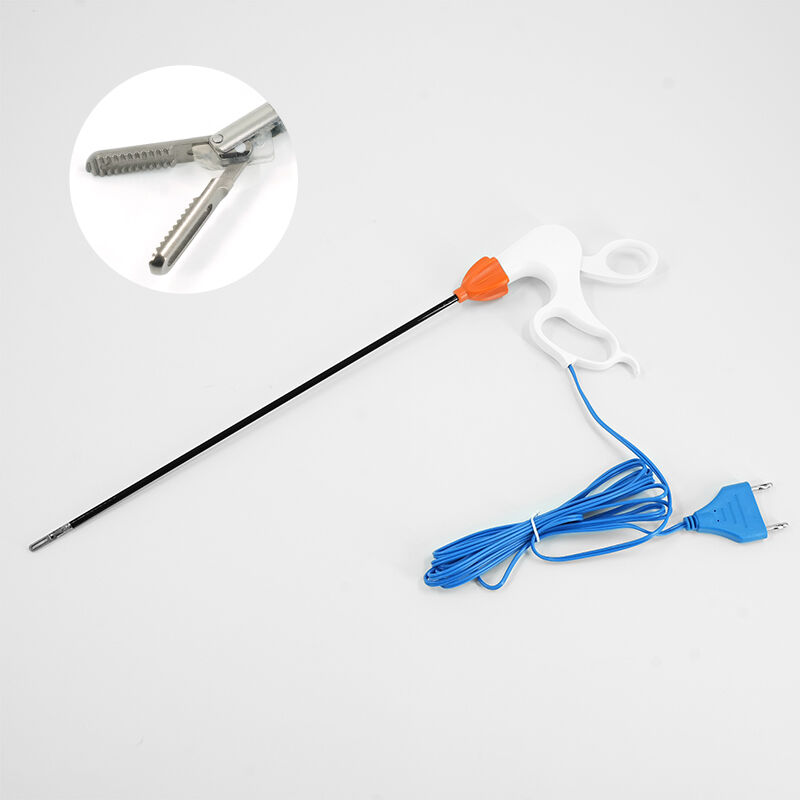
Laparoscopic tools represent a revolutionary advancement in modern surgical technology, fundamentally transforming how medical professionals approach minimally invasive procedures. These sophisticated instruments enable surgeons to perform complex operations through small incisions, typically measuring between 5 to 12 millimeters, rather than traditional open surgery requiring large cuts. The core functionality of laparoscopic tools centers around providing clear visualization and precise manipulation within the patient's body cavity using advanced optical and mechanical systems. The primary component, the laparoscope itself, features a high-definition camera system connected to a long, thin tube that transmits real-time images to external monitors, allowing surgeons to navigate internal anatomy with exceptional clarity. Supporting instruments include specialized graspers, scissors, electrocautery devices, and suction irrigation systems, each designed with articulating joints and ergonomic handles that translate surgeon hand movements into precise actions within the surgical field. Technological features of these laparoscopic tools incorporate cutting-edge innovations such as 4K ultra-high-definition imaging, LED illumination systems, and advanced lens coatings that eliminate glare and enhance contrast. Many modern laparoscopic tools integrate smart technology, including pressure sensors that provide tactile feedback, automated focusing mechanisms, and wireless connectivity for seamless data transfer and documentation. The applications span numerous medical specialties, including general surgery for procedures like cholecystectomy and appendectomy, gynecology for ovarian cyst removal and hysterectomies, urology for kidney and prostate surgeries, and thoracic surgery for lung biopsies and tumor resections. These versatile laparoscopic tools have become indispensable in emergency medicine, elective procedures, and diagnostic evaluations, establishing new standards for patient care across global healthcare systems. The precision engineering behind laparoscopic tools ensures consistent performance, reliability, and safety throughout demanding surgical environments, making them essential investments for modern medical facilities seeking to provide superior patient outcomes while maintaining operational efficiency and cost-effectiveness.

New Product Recommendations

Laparoscopic tools deliver transformative benefits that revolutionize surgical outcomes and patient experiences across healthcare facilities worldwide. The most significant advantage lies in dramatically reduced patient trauma, as these instruments enable surgeons to complete complex procedures through tiny incisions instead of large surgical wounds. This approach minimizes tissue damage, significantly reduces blood loss, and accelerates healing processes, allowing patients to return to normal activities weeks earlier than traditional surgery methods. Recovery times decrease substantially when using laparoscopic tools, with most patients experiencing shorter hospital stays, reduced pain levels, and faster return to work or daily routines. Healthcare providers benefit from improved operational efficiency as laparoscopic tools enable more procedures per day due to reduced setup times and streamlined surgical workflows. The enhanced visualization provided by high-definition cameras integrated into laparoscopic tools allows surgeons to identify anatomical structures with greater precision, reducing complications and improving surgical accuracy. Cost savings represent another crucial advantage, as hospitals reduce expenses through shorter patient stays, decreased medication requirements, and lower infection rates associated with minimally invasive techniques. Laparoscopic tools minimize scarring, addressing patient concerns about cosmetic outcomes while reducing long-term complications related to adhesion formation and wound healing issues. The ergonomic design of modern laparoscopic tools reduces surgeon fatigue during lengthy procedures, enabling better focus and maintaining steady hands throughout operations. Training requirements become more manageable as these tools incorporate intuitive controls and standardized interfaces that help medical professionals adapt quickly to new techniques. Infection risks decrease significantly when using laparoscopic tools because smaller incisions create fewer opportunities for bacterial contamination, leading to better patient safety profiles and reduced antibiotic usage. The versatility of laparoscopic tools allows healthcare facilities to expand their service offerings across multiple specialties using the same core equipment, maximizing return on investment while providing comprehensive patient care. Documentation capabilities built into advanced laparoscopic tools enable better medical record keeping, supporting quality assurance programs and continuing medical education initiatives. These combined advantages make laparoscopic tools essential investments for healthcare providers committed to delivering superior patient outcomes while maintaining competitive operational efficiency and financial performance.

Latest News

Building Core Competitive Advantage Through Technological Innovation and Quality Control

05

Feb

Building Core Competitive Advantage Through Technological Innovation and Quality Control

View More
Focusing On High-Value Medical Devices, Leveraging a Diversified Product Portfolio To Empower Clinical Minimally Invasive Treatments

05

Feb

Focusing On High-Value Medical Devices, Leveraging a Diversified Product Portfolio To Empower Clinical Minimally Invasive Treatments

View More
Deeply Engaged In The High-End Medical Consumables Field, With Innovation Driving The Development Of Minimally Invasive Surgery.

05

Feb

Deeply Engaged In The High-End Medical Consumables Field, With Innovation Driving The Development Of Minimally Invasive Surgery.

View More

Get a Free Quote

Our representative will contact you soon.
Email
Mobile/WhatsApp
Name
Company Name
Message
0/1000

laparoscopic tools

Advanced High-Definition Imaging Technology

Advanced High-Definition Imaging Technology

The cornerstone feature of modern laparoscopic tools centers on their revolutionary high-definition imaging capabilities that transform surgical visualization and precision. These advanced systems incorporate state-of-the-art 4K ultra-high-definition cameras that capture incredibly detailed images at resolutions exceeding 3840 x 2160 pixels, providing surgeons with crystal-clear views of internal anatomy that surpass what the human eye can perceive during traditional open surgery. The imaging technology features specialized lens systems with anti-fog coatings and advanced light transmission properties that maintain optimal clarity throughout extended procedures, eliminating the frustration of obscured vision that can compromise surgical outcomes. LED illumination integrated into laparoscopic tools provides consistent, shadow-free lighting that enhances contrast and color accuracy, enabling surgeons to distinguish between different tissue types and identify critical anatomical landmarks with confidence. The digital processing capabilities built into these laparoscopic tools include real-time image enhancement, automatic exposure adjustment, and noise reduction algorithms that ensure optimal viewing conditions regardless of surgical environment variables. Multiple viewing angles and zoom capabilities allow surgical teams to examine target areas from various perspectives, facilitating better decision-making and more precise instrument placement during critical moments. The high-definition imaging system connects seamlessly to multiple monitors throughout the operating room, enabling entire surgical teams to observe procedures simultaneously and collaborate effectively during complex operations. Recording capabilities integrated into laparoscopic tools support medical education, quality assurance reviews, and documentation requirements while maintaining patient privacy and regulatory compliance. The superior image quality provided by these advanced laparoscopic tools reduces eye strain for surgeons during lengthy procedures, contributing to better focus and steadier hand movements throughout operations. Color accuracy and depth perception enhancements help surgeons identify bleeding, inflammation, and other tissue conditions more effectively, leading to improved diagnostic capabilities and treatment outcomes. This cutting-edge imaging technology represents a significant value proposition for healthcare facilities seeking to provide the highest standard of surgical care while supporting surgeon confidence and patient safety through enhanced visualization capabilities that define modern minimally invasive surgery.
Ergonomic Design and Precision Control Systems

Ergonomic Design and Precision Control Systems

Laparoscopic tools feature meticulously engineered ergonomic designs that prioritize surgeon comfort, control precision, and operational efficiency during demanding surgical procedures. The handle configuration of these instruments incorporates extensive research into hand biomechanics, featuring contoured grips that naturally align with finger positioning and wrist angles to minimize fatigue and strain during extended operations. Advanced grip materials provide optimal friction and control while remaining comfortable against skin, even during procedures lasting several hours. The articulation mechanisms built into laparoscopic tools enable intuitive movement translation, where subtle hand motions convert seamlessly into precise instrument positioning within the surgical field, providing surgeons with natural feel and responsive control. Weight distribution throughout these instruments ensures balanced handling that reduces hand and arm fatigue, while compact designs minimize bulk without sacrificing functionality or durability. The control interfaces feature tactile feedback systems that communicate resistance levels and tissue interaction forces back to the surgeon's hands, enhancing safety and precision during delicate maneuvers around critical anatomical structures. Ambidextrous designs accommodate both right-handed and left-handed surgeons, while adjustable components allow customization to individual preferences and hand sizes. The mechanical advantage built into laparoscopic tools amplifies surgeon input forces appropriately, providing sufficient power for tissue manipulation while maintaining fine motor control for detailed work. Quick-connect systems enable rapid instrument changes during procedures, reducing operative times and maintaining sterile field integrity throughout complex surgeries. The durability engineering behind these laparoscopic tools ensures consistent performance through hundreds of sterilization cycles while maintaining precise tolerances and smooth operation. Maintenance requirements remain minimal due to robust construction and self-cleaning mechanisms that prevent debris accumulation in moving parts. The modular design philosophy allows healthcare facilities to configure instrument sets according to specific procedural requirements while maintaining compatibility across different manufacturer systems. Training becomes more efficient as the intuitive design of laparoscopic tools reduces learning curves for medical professionals transitioning from traditional surgical techniques. These ergonomic advantages directly translate into improved patient outcomes through reduced surgical times, decreased complication rates, and enhanced surgeon performance during critical moments that determine procedural success.
Versatile Multi-Specialty Applications

Versatile Multi-Specialty Applications

The exceptional versatility of laparoscopic tools enables their deployment across numerous medical specialties, making them invaluable assets for healthcare facilities seeking to maximize equipment utilization while expanding service capabilities. General surgery applications encompass a comprehensive range of procedures including cholecystectomy, appendectomy, hernia repairs, and colorectal surgeries, where these tools consistently demonstrate superior outcomes compared to traditional open surgical approaches. Gynecological procedures benefit tremendously from laparoscopic tools, particularly for ovarian cyst removals, endometriosis treatment, hysterectomies, and fertility-related surgeries where precision and minimal invasiveness directly impact patient recovery and long-term health outcomes. Urological applications showcase the adaptability of these instruments through kidney surgeries, prostate procedures, bladder operations, and stone removal techniques that require navigation through complex anatomical spaces with minimal patient trauma. Thoracic surgery utilizes specialized laparoscopic tools for lung biopsies, mediastinal procedures, and minimally invasive cardiac interventions that traditionally required major chest incisions and extended recovery periods. Bariatric surgery represents another crucial application area where laparoscopic tools enable gastric bypass procedures, sleeve gastrectomies, and other weight-loss surgeries with dramatically reduced complications and faster patient recovery compared to open techniques. The diagnostic capabilities of laparoscopic tools extend beyond therapeutic applications, providing excellent visualization for exploratory procedures, biopsy collection, and staging evaluations across multiple organ systems. Emergency surgery scenarios benefit from the rapid deployment capabilities of laparoscopic tools, enabling quick assessment and treatment of acute conditions like appendicitis, bowel obstructions, and traumatic injuries where time-sensitive decisions determine patient outcomes. Pediatric applications require specialized smaller laparoscopic tools that accommodate young patient anatomy while providing the same precision and safety benefits that improve outcomes for vulnerable populations. Research and teaching applications utilize the recording and imaging capabilities of laparoscopic tools to advance medical education and contribute to ongoing clinical studies that improve surgical techniques and patient care protocols. The standardized interfaces and compatible accessories across different laparoscopic tools enable healthcare facilities to build comprehensive instrument libraries that support diverse procedural requirements without duplicating basic infrastructure investments. Cross-training opportunities emerge as medical professionals become proficient with laparoscopic tools in one specialty, enabling them to support procedures in related fields and increasing staffing flexibility during peak demand periods.
Advanced Laparoscopic Tools: High-Definition Surgical Equipment for Minimally Invasive Procedures

Get a Free Quote

Our representative will contact you soon.
Email
Mobile/WhatsApp
Name
Company Name
Message
0/1000