laparoscopic surgical instruments
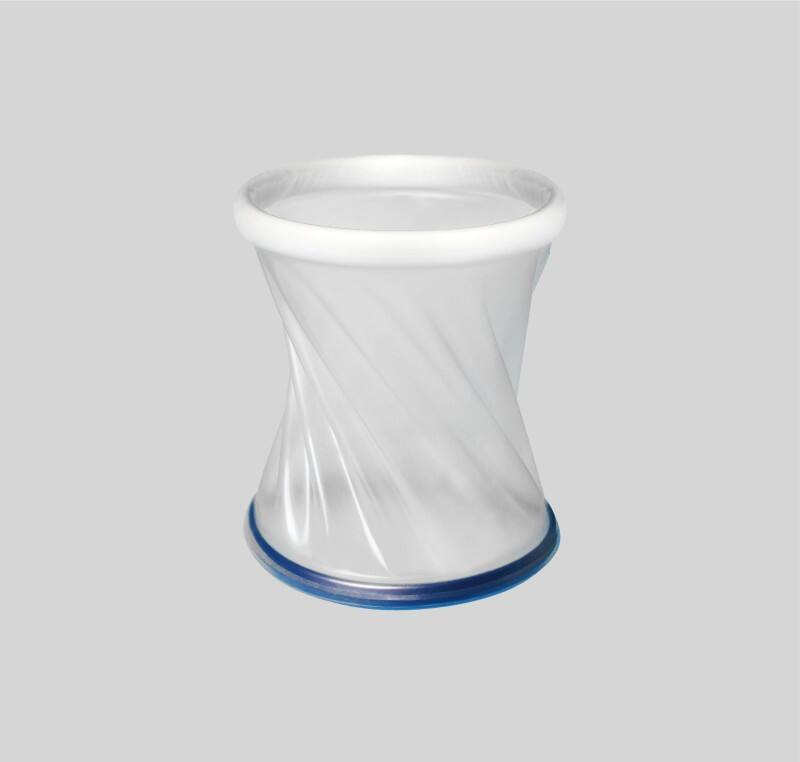
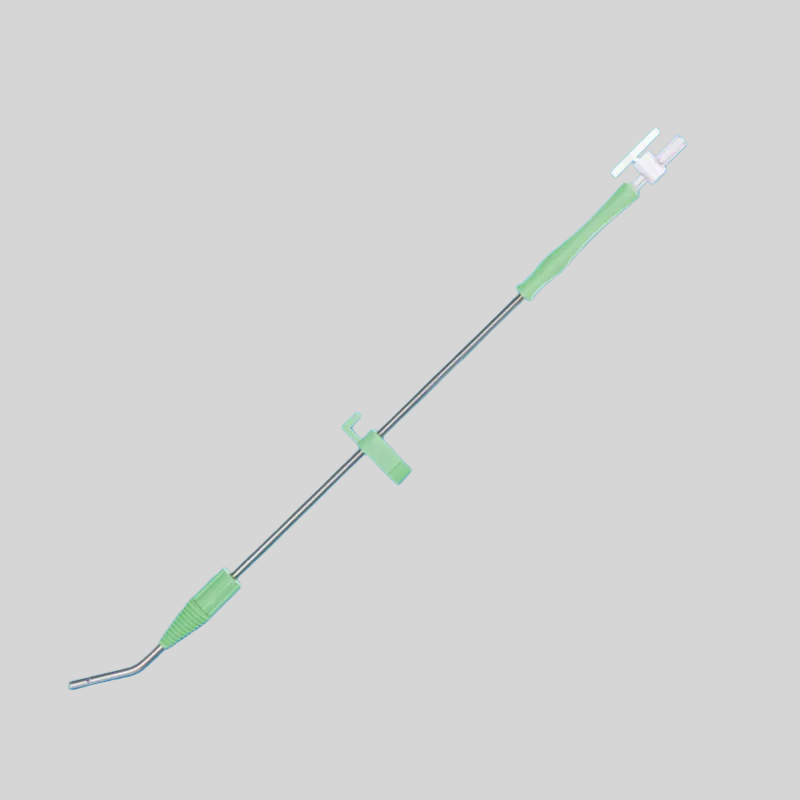
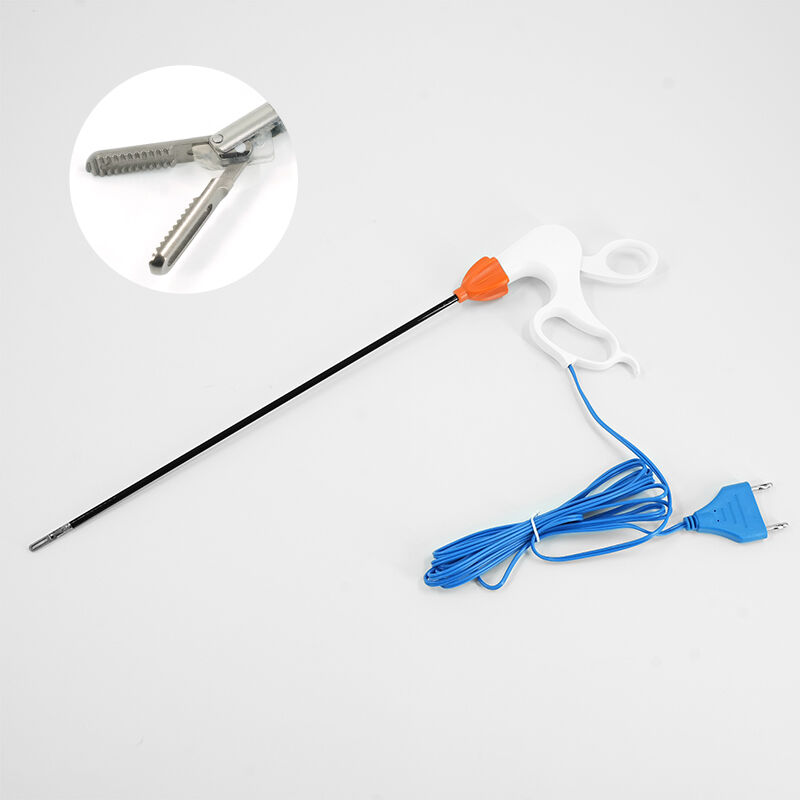
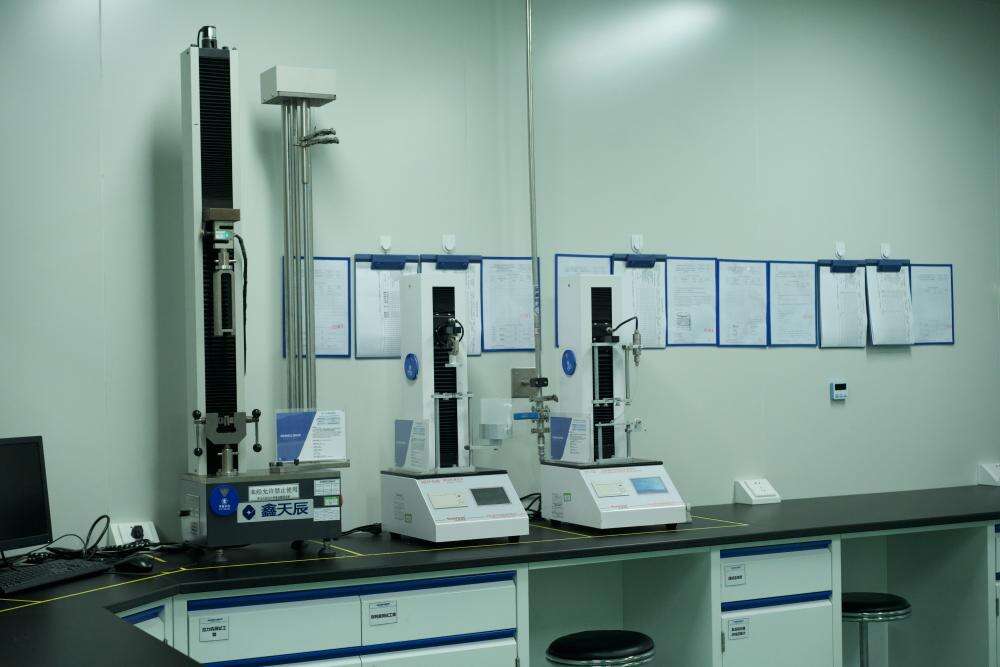
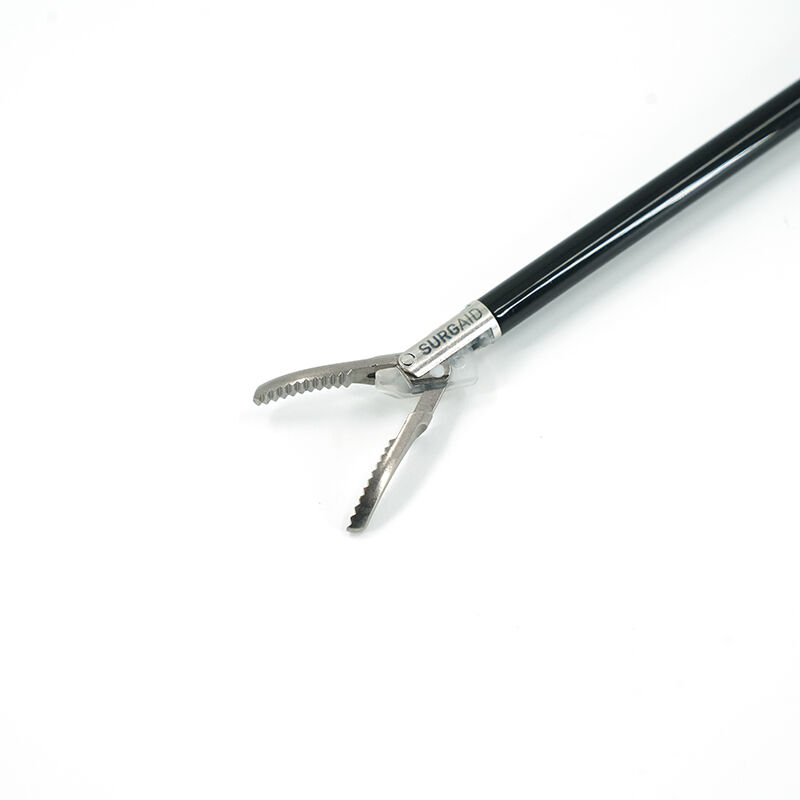
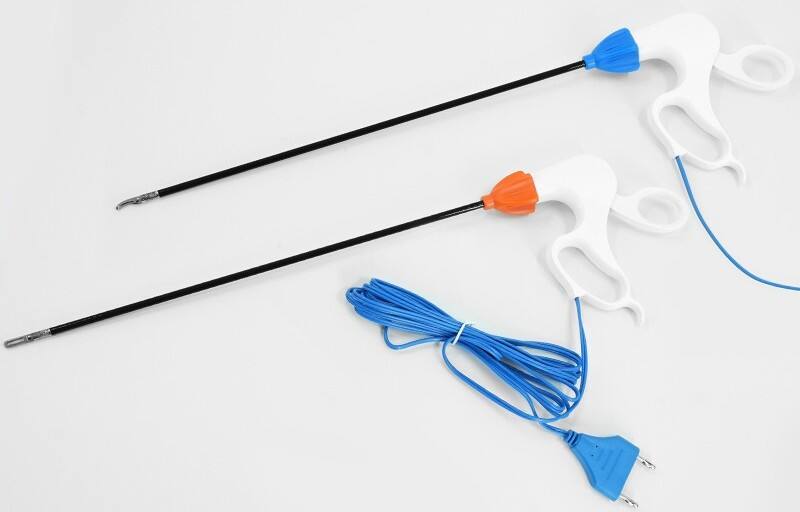
Laparoscopic surgical instruments represent a revolutionary advancement in minimally invasive surgical technology, transforming modern medical procedures across multiple specialties. These sophisticated tools enable surgeons to perform complex operations through small incisions, typically measuring only 5-12 millimeters in diameter. The comprehensive system of laparoscopic surgical instruments includes essential components such as trocars for initial access, high-definition cameras for visualization, specialized graspers for tissue manipulation, cutting devices for precise dissection, and energy-based instruments for coagulation and hemostasis. The technological features of laparoscopic surgical instruments incorporate state-of-the-art engineering principles, including ergonomic handle designs that reduce surgeon fatigue during extended procedures, articulating tips that provide enhanced dexterity within confined anatomical spaces, and advanced coating technologies that minimize tissue adhesion and improve instrument longevity. Modern laparoscopic surgical instruments utilize high-grade stainless steel construction with precision-machined components that ensure reliable performance and sterilization compatibility. The optical systems integrate ultra-high-definition imaging capabilities with advanced light transmission technology, delivering crystal-clear visualization of surgical sites. These instruments find extensive applications across numerous medical disciplines, including general surgery for procedures like cholecystectomies and appendectomies, gynecological operations such as hysterectomies and ovarian cyst removals, urological interventions including nephrectomies and prostatectomies, and thoracic surgeries for lung resections. The versatility of laparoscopic surgical instruments extends to bariatric procedures, hernia repairs, and colorectal surgeries, demonstrating their adaptability to diverse surgical requirements. Each instrument undergoes rigorous quality testing and manufacturing standards compliance to ensure patient safety and surgical efficacy, making laparoscopic surgical instruments indispensable tools in contemporary medical practice.




 EN
EN