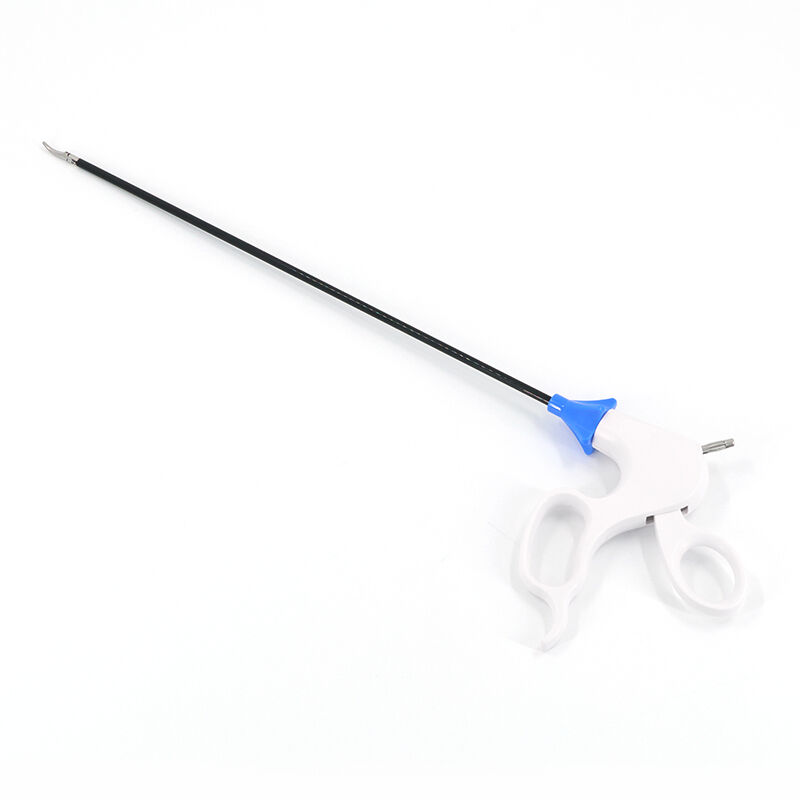
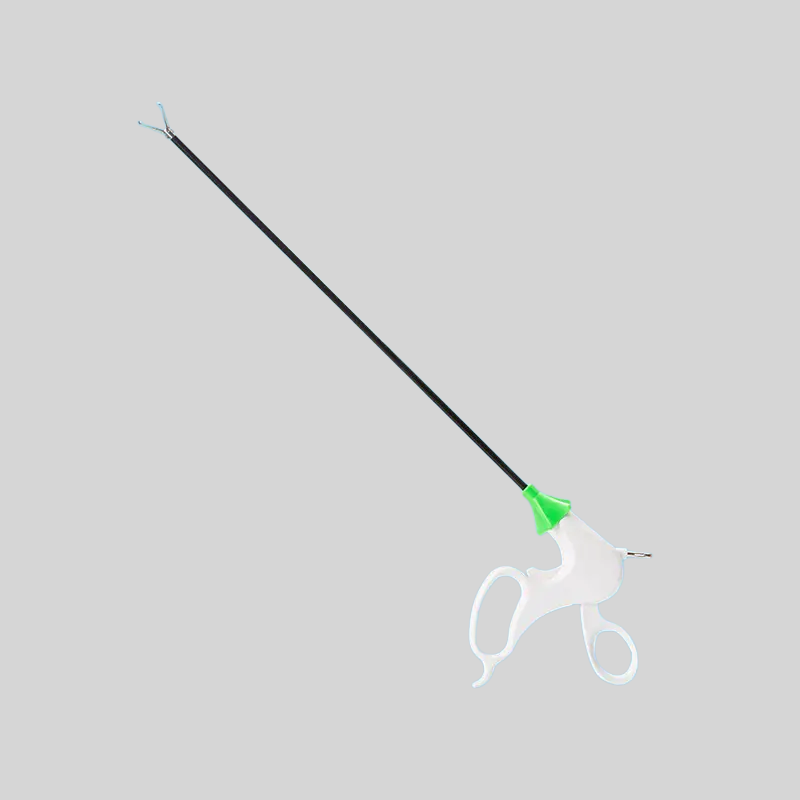
Professional Laparoscopic Training Instruments - Advanced Surgical Simulation Systems

Get a Free Quote

Our representative will contact you soon.
Email
Mobile/WhatsApp
Name
Company Name
Message
0/1000

laparoscopic instruments for training

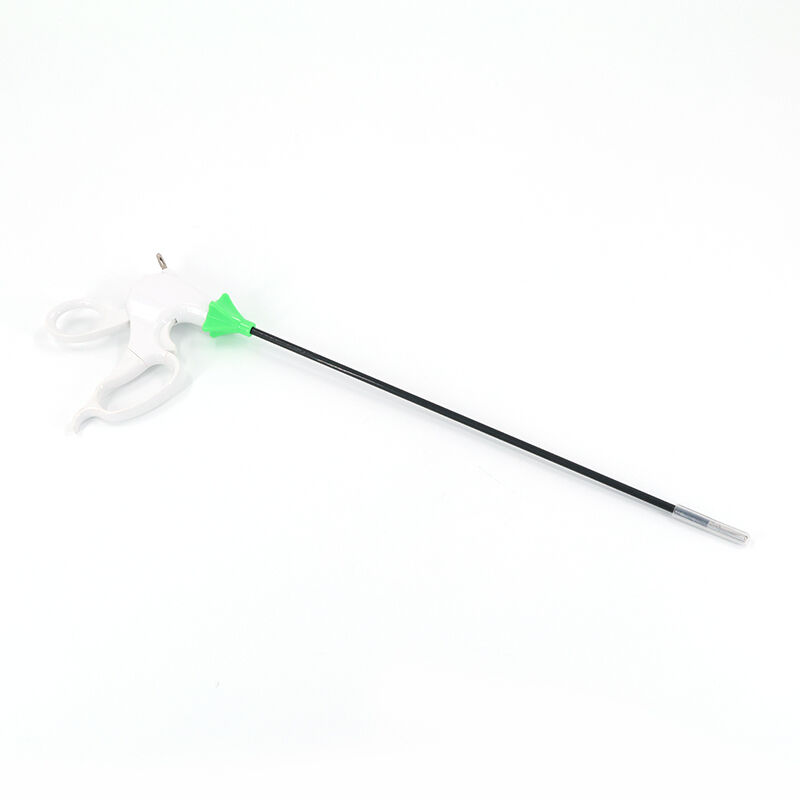
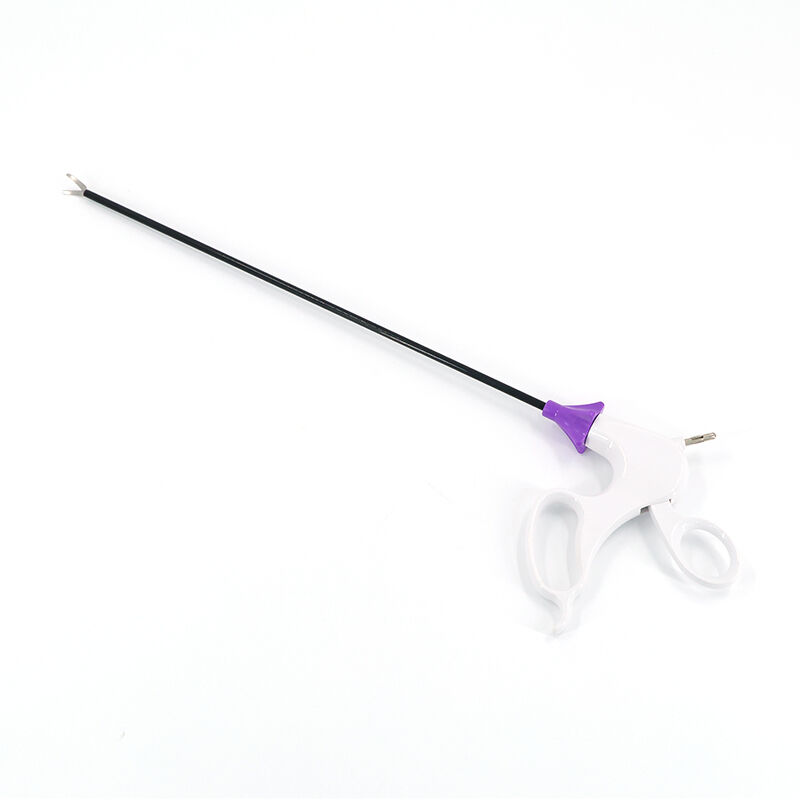
Laparoscopic instruments for training represent a revolutionary approach to medical education, specifically designed to enhance surgical skill development in minimally invasive procedures. These specialized training tools provide medical professionals with hands-on experience in laparoscopic techniques without the risks associated with real patient procedures. The comprehensive training systems incorporate high-quality simulators, practice boxes, and authentic surgical instruments that replicate the exact conditions surgeons encounter during actual operations. The main functions of laparoscopic instruments for training include developing hand-eye coordination, improving dexterity in confined spaces, mastering camera navigation, and perfecting suturing techniques. These training systems feature advanced technological components such as realistic tissue models, adjustable difficulty levels, and performance tracking capabilities. The instruments typically include trocars, graspers, scissors, electrocautery devices, and cameras that mirror professional-grade equipment used in operating rooms. Modern training platforms integrate virtual reality technology, haptic feedback systems, and computer-based assessment tools to provide comprehensive learning experiences. Applications extend across various medical specialties including general surgery, gynecology, urology, and gastroenterology. Training centers, medical schools, and hospitals worldwide utilize these instruments to establish standardized competency requirements and certification programs. The systems accommodate different skill levels, from novice medical students to experienced surgeons seeking to refine specific techniques. Educational institutions benefit from structured curriculum integration, while healthcare facilities use these tools for ongoing professional development and quality assurance programs. The technology enables instructors to monitor progress, identify areas requiring improvement, and customize training protocols based on individual learning needs. These comprehensive training solutions ensure that medical professionals develop proficient laparoscopic skills in controlled environments before advancing to patient care scenarios.

New Product Releases

The advantages of laparoscopic instruments for training extend far beyond traditional surgical education methods, offering significant benefits that transform how medical professionals acquire essential skills. Safety represents the most compelling advantage, as these training systems eliminate patient risk while allowing learners to practice complex procedures repeatedly until mastery is achieved. Medical professionals can make mistakes, learn from errors, and refine techniques without compromising patient safety or facing legal consequences. Cost-effectiveness emerges as another major benefit, since training programs reduce the need for expensive animal models, cadaveric specimens, and operating room time traditionally required for surgical education. Healthcare institutions save substantial resources by implementing standardized training protocols that accelerate skill development and reduce the learning curve for new procedures. The flexibility of laparoscopic instruments for training allows medical professionals to practice at their own pace, accommodating busy schedules and varying learning speeds. Unlike traditional apprenticeship models, these systems provide 24/7 availability, enabling surgeons to maintain and improve skills during off-hours or between cases. Standardized assessment capabilities ensure consistent evaluation across different learners and institutions, creating objective metrics for skill progression and competency verification. The technology provides immediate feedback, allowing trainees to identify and correct mistakes instantly rather than waiting for instructor evaluation. Realistic simulation creates authentic surgical experiences that closely mirror actual operating room conditions, including proper ergonomics, instrument handling, and procedural workflows. These training systems support continuous professional development throughout medical careers, not just initial education phases. Experienced surgeons use these instruments to learn new techniques, practice challenging procedures, and maintain skills during periods of reduced surgical activity. The portability of many training systems enables flexible installation in various educational settings, from major teaching hospitals to remote training facilities. Quality assurance benefits include reduced surgical complications, shorter procedure times, and improved patient outcomes when trainees advance to real surgical cases. The comprehensive nature of laparoscopic instruments for training creates confident, competent surgeons who demonstrate superior performance compared to those trained through traditional methods alone.

Practical Tips

Building Core Competitive Advantage Through Technological Innovation and Quality Control

05

Feb

Building Core Competitive Advantage Through Technological Innovation and Quality Control

View More
Focusing On High-Value Medical Devices, Leveraging a Diversified Product Portfolio To Empower Clinical Minimally Invasive Treatments

05

Feb

Focusing On High-Value Medical Devices, Leveraging a Diversified Product Portfolio To Empower Clinical Minimally Invasive Treatments

View More
Deeply Engaged In The High-End Medical Consumables Field, With Innovation Driving The Development Of Minimally Invasive Surgery.

05

Feb

Deeply Engaged In The High-End Medical Consumables Field, With Innovation Driving The Development Of Minimally Invasive Surgery.

View More

Get a Free Quote

Our representative will contact you soon.
Email
Mobile/WhatsApp
Name
Company Name
Message
0/1000

laparoscopic instruments for training

Advanced Haptic Feedback Technology

Advanced Haptic Feedback Technology

The integration of advanced haptic feedback technology in laparoscopic instruments for training represents a groundbreaking advancement that fundamentally transforms surgical education experiences. This sophisticated technology provides realistic tactile sensations that closely replicate the feeling of manipulating actual tissue, organs, and surgical instruments during real procedures. Haptic feedback systems utilize force sensors, actuators, and computer algorithms to generate precise resistance and texture sensations that correspond to different tissue types and surgical interactions. When trainees use these instruments, they experience the subtle differences between cutting through fascia, grasping delicate organs, or navigating around critical anatomical structures. This tactile information proves crucial for developing the refined touch sensitivity that distinguishes expert surgeons from novices. The technology enables users to feel tissue elasticity, density variations, and resistance changes that occur during different phases of surgical procedures. Advanced haptic systems in laparoscopic instruments for training incorporate multiple force vectors, allowing users to experience pushing, pulling, twisting, and compression forces simultaneously. This multi-dimensional feedback creates immersive training environments that engage muscle memory formation and procedural intuition development. The precision of modern haptic technology reaches submillimeter accuracy levels, ensuring that trainees develop the exact manual skills required for successful patient outcomes. Calibration features allow instructors to adjust force parameters based on specific procedure requirements or individual learning needs. The immediate nature of haptic feedback accelerates skill acquisition by providing instant correction opportunities when excessive force is applied or improper technique is used. Research demonstrates that surgeons trained with haptic-enabled laparoscopic instruments for training show significantly improved performance metrics, including reduced tissue trauma, shorter procedure times, and fewer technical errors during actual surgeries. This technology particularly benefits complex procedure training where tissue manipulation requires exceptional precision and control.
Comprehensive Performance Analytics Dashboard

Comprehensive Performance Analytics Dashboard

The comprehensive performance analytics dashboard integrated into modern laparoscopic instruments for training provides unprecedented insight into skill development progress, creating data-driven educational experiences that optimize learning outcomes. This sophisticated tracking system monitors multiple performance parameters simultaneously, including hand movement efficiency, instrument trajectory accuracy, task completion times, and error frequency patterns. The dashboard presents real-time visual feedback through intuitive graphs, heat maps, and statistical summaries that help trainees understand their current skill levels and identify specific areas requiring improvement. Advanced algorithms analyze movement patterns to detect inefficient motions, excessive force application, or suboptimal instrument positioning during training exercises. The system creates detailed performance profiles for each user, tracking progress over time and highlighting improvement trends across different skill categories. Instructors benefit from centralized monitoring capabilities that enable simultaneous oversight of multiple trainees, allowing for personalized coaching and intervention when needed. The analytics platform generates comprehensive reports that document competency achievements, certification readiness, and ongoing professional development requirements. Comparative analysis features allow institutions to benchmark individual performance against established standards or peer groups, ensuring consistent quality across training programs. The dashboard incorporates adaptive learning algorithms that automatically adjust exercise difficulty based on demonstrated skill levels, maintaining optimal challenge levels that promote continuous improvement without causing frustration. Integration capabilities enable seamless data sharing with hospital credentialing systems, medical school databases, and continuing education platforms. The performance metrics captured by laparoscopic instruments for training include precision measurements, speed optimization data, and safety compliance indicators that directly correlate with surgical success rates. Historical data analysis reveals learning patterns and predicts future performance trajectories, enabling proactive educational interventions. The system supports multiple assessment methodologies, from basic pass-fail evaluations to complex competency frameworks that align with professional certification requirements. This comprehensive analytics approach transforms subjective skill assessment into objective, measurable outcomes that enhance the credibility and effectiveness of laparoscopic training programs.
Modular Training Curriculum Integration

Modular Training Curriculum Integration

The modular training curriculum integration capability of modern laparoscopic instruments for training revolutionizes surgical education by providing structured, progressive learning pathways that adapt to diverse educational needs and institutional requirements. This sophisticated educational framework divides complex surgical procedures into manageable skill components, allowing learners to master fundamental techniques before advancing to more challenging applications. The modular approach enables customized training sequences that align with specific specialty requirements, whether focusing on general surgery basics, advanced gynecological procedures, or specialized urological techniques. Each module within the laparoscopic instruments for training system includes detailed learning objectives, prerequisite skills, and measurable competency outcomes that ensure systematic skill development. The curriculum integration features support both self-paced independent learning and instructor-guided classroom environments, accommodating different educational preferences and institutional constraints. Advanced modules progressively increase complexity, introducing new instruments, challenging anatomical scenarios, and time-pressure elements that simulate real surgical conditions. The system maintains detailed records of module completion, competency achievements, and time invested in each training component, providing comprehensive documentation for certification and credentialing purposes. Flexibility within the modular structure allows institutions to customize training sequences based on available time, resource constraints, and specific learning objectives. The integration capabilities extend beyond basic skill development to include patient safety protocols, surgical decision-making scenarios, and complication management training. Each training module incorporates evidence-based best practices and current surgical guidelines, ensuring that learners acquire techniques that align with contemporary medical standards. The curriculum framework supports multiple learning modalities, including visual demonstrations, interactive simulations, and hands-on practice exercises that accommodate different learning styles. Assessment components within each module provide immediate feedback and objective performance measurements that guide progression decisions. The modular system facilitates continuous curriculum updates as surgical techniques evolve, ensuring training content remains current and relevant. Integration with existing medical education platforms enables seamless incorporation into established residency programs, continuing education requirements, and specialty certification pathways. This comprehensive approach to curriculum integration ensures that laparoscopic instruments for training deliver consistent, high-quality educational experiences that produce competent, confident surgical professionals.

Professional Laparoscopic Training Instruments - Advanced Surgical Simulation Systems

Get a Free Quote

Our representative will contact you soon.
Email
Mobile/WhatsApp
Name
Company Name
Message
0/1000