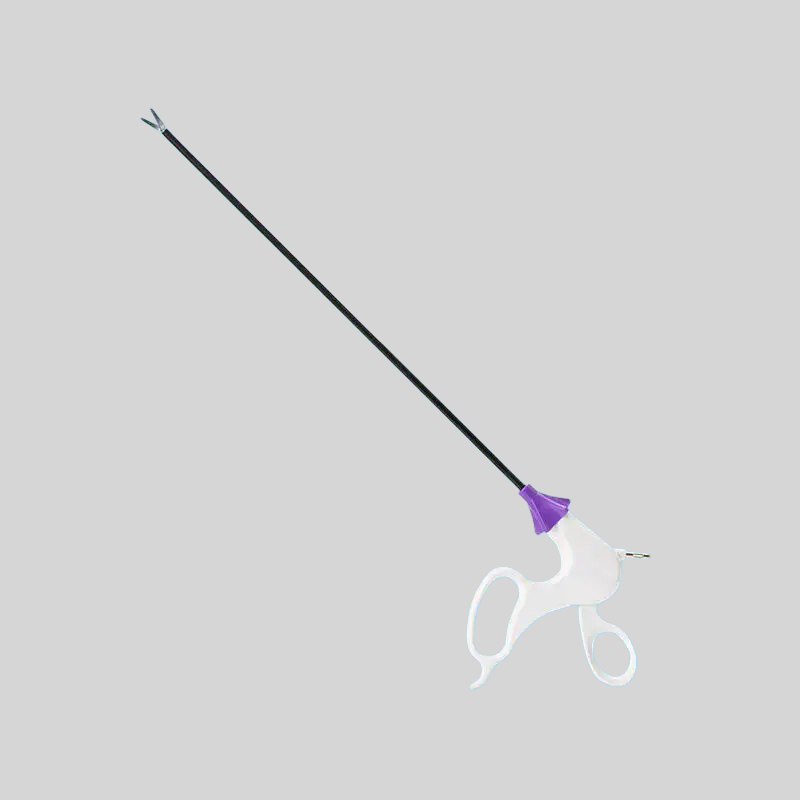
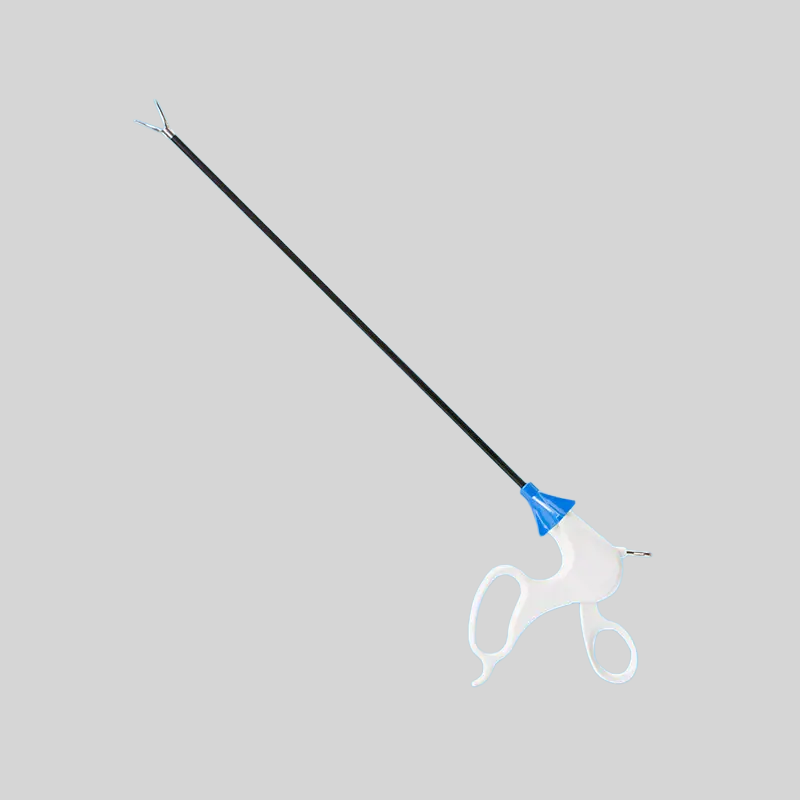
bipolar forceps laparoscopic
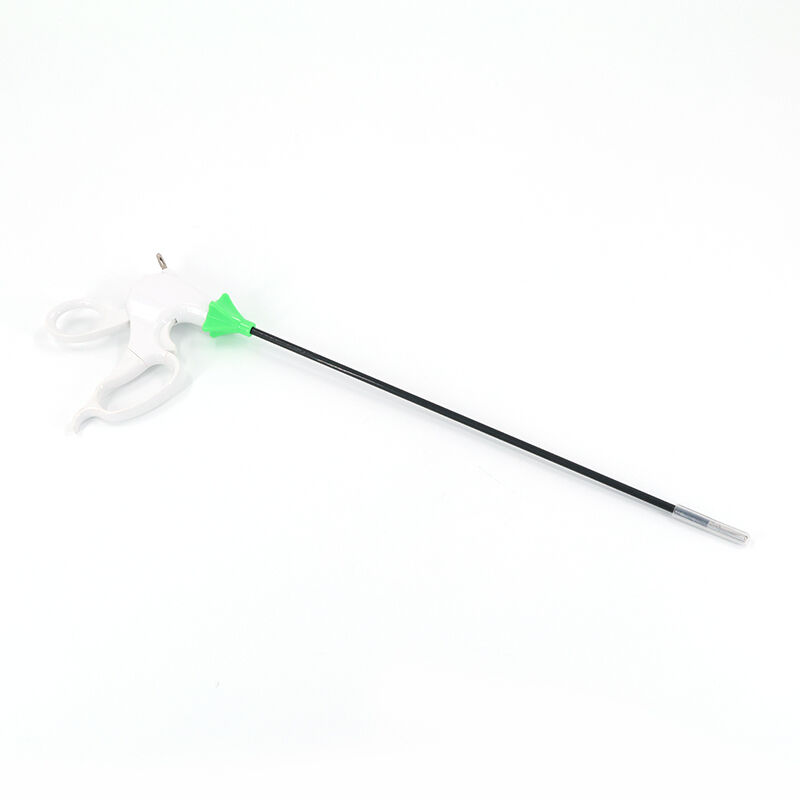
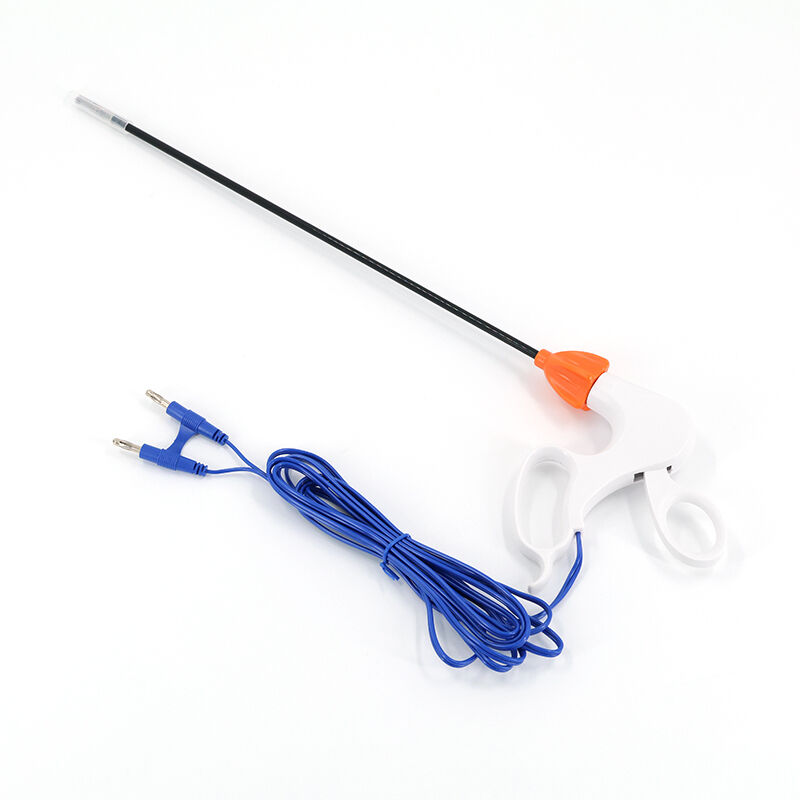
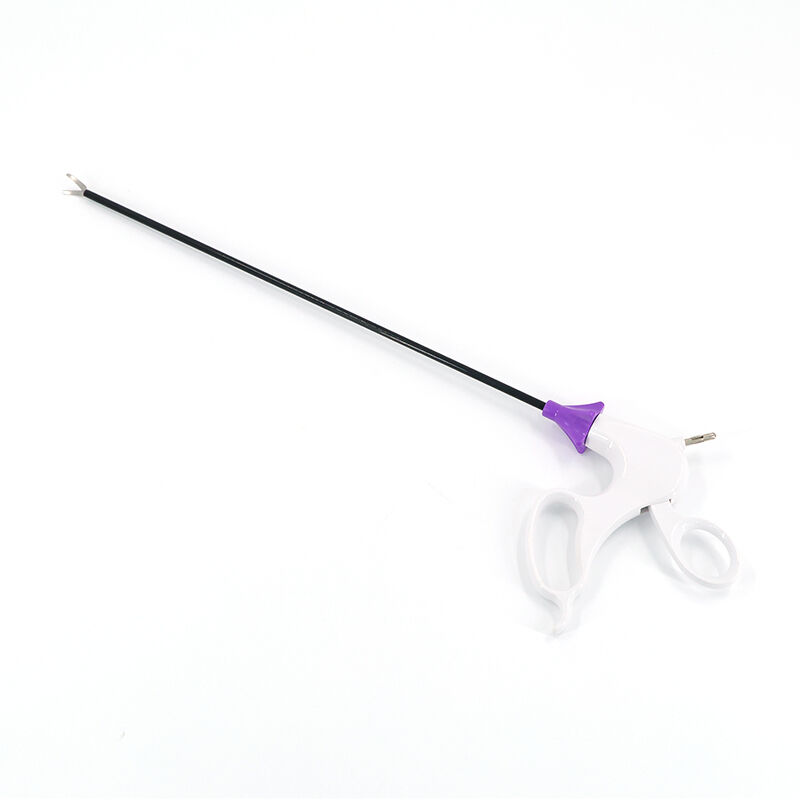
Bipolar forceps laparoscopic instruments represent a cornerstone technology in modern minimally invasive surgery, combining precision electrocautery capabilities with the delicate handling required for laparoscopic procedures. These sophisticated surgical tools integrate advanced bipolar electrosurgical technology with ergonomic forceps design, enabling surgeons to perform complex tissue manipulation, coagulation, and cutting procedures through small incisions. The bipolar forceps laparoscopic system operates by delivering controlled electrical current between two electrode tips, creating localized thermal effects that achieve hemostasis without affecting surrounding tissues. This targeted approach significantly reduces the risk of unintended tissue damage compared to monopolar alternatives. The technological framework of bipolar forceps laparoscopic devices incorporates high-frequency generators that produce precisely controlled electrical energy, sophisticated insulation systems that prevent current leakage, and ergonomic handle designs that provide optimal tactile feedback during procedures. Advanced models feature integrated sensors that monitor tissue impedance, automatically adjusting power output to maintain consistent performance across varying tissue types. The applications for bipolar forceps laparoscopic instruments span multiple surgical specialties, including gynecology, general surgery, urology, and bariatric procedures. These versatile tools excel in procedures requiring precise tissue dissection, vessel sealing, and organ manipulation within confined anatomical spaces. The laparoscopic approach enabled by these instruments offers patients reduced recovery times, minimal scarring, decreased postoperative pain, and lower infection rates compared to traditional open surgical methods. Modern bipolar forceps laparoscopic systems incorporate innovative features such as articulating tips for enhanced maneuverability, integrated suction capabilities for improved visibility, and modular designs that accommodate various surgical approaches. The precision control offered by these instruments allows surgeons to perform delicate procedures with confidence, knowing that thermal spread is minimized and hemostatic control is optimized throughout the surgical process.

 EN
EN