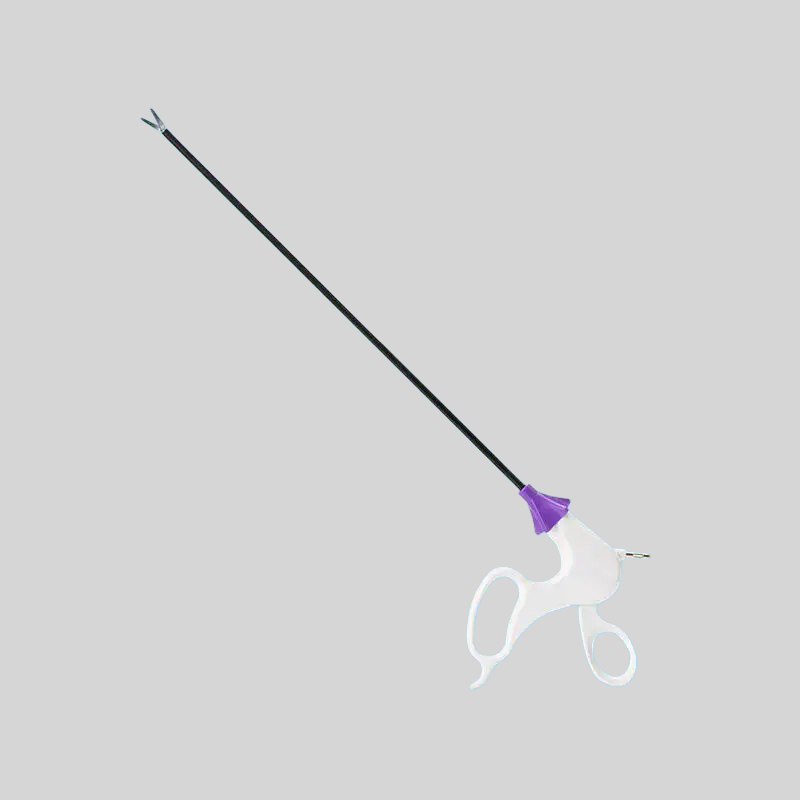
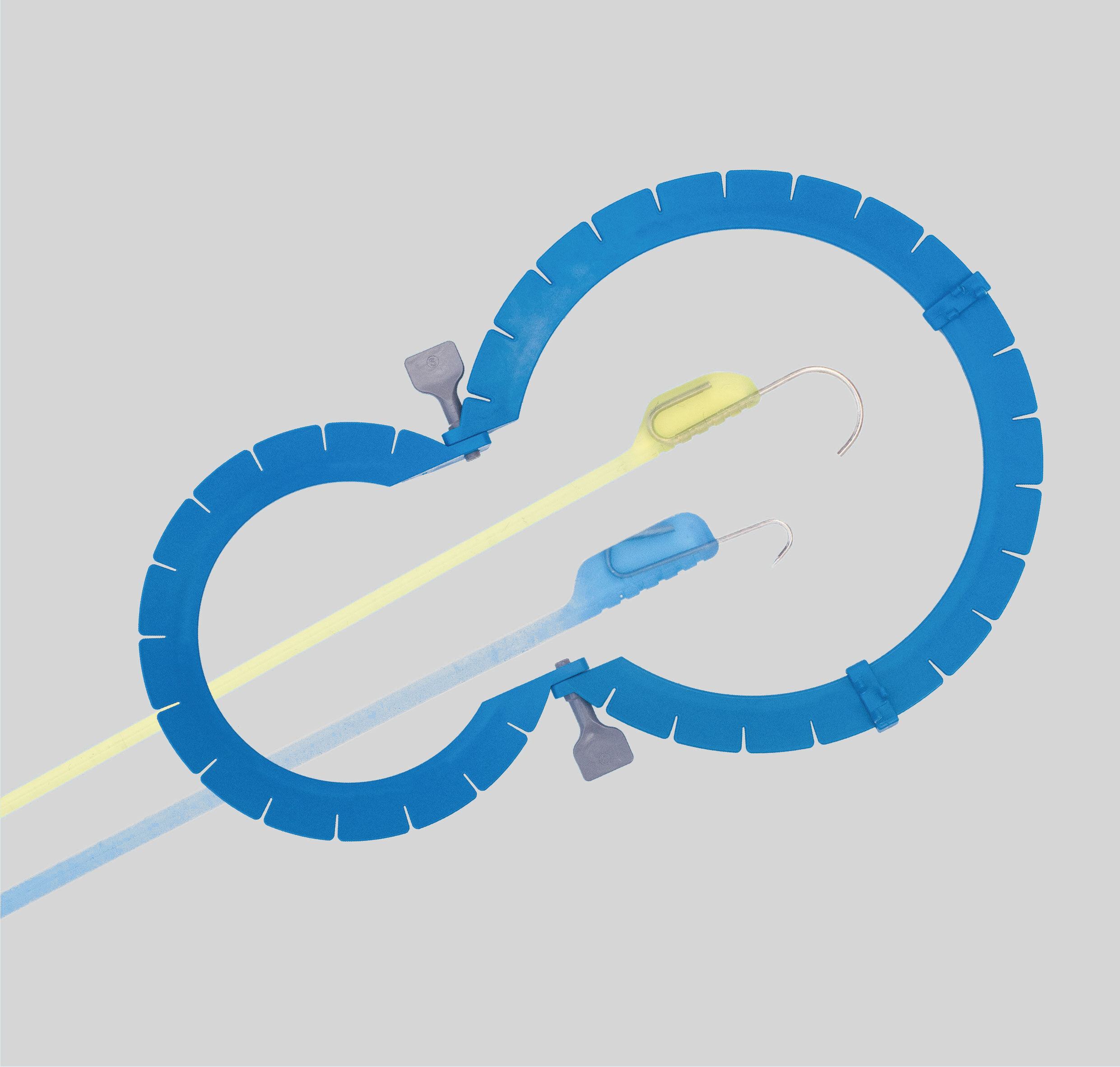
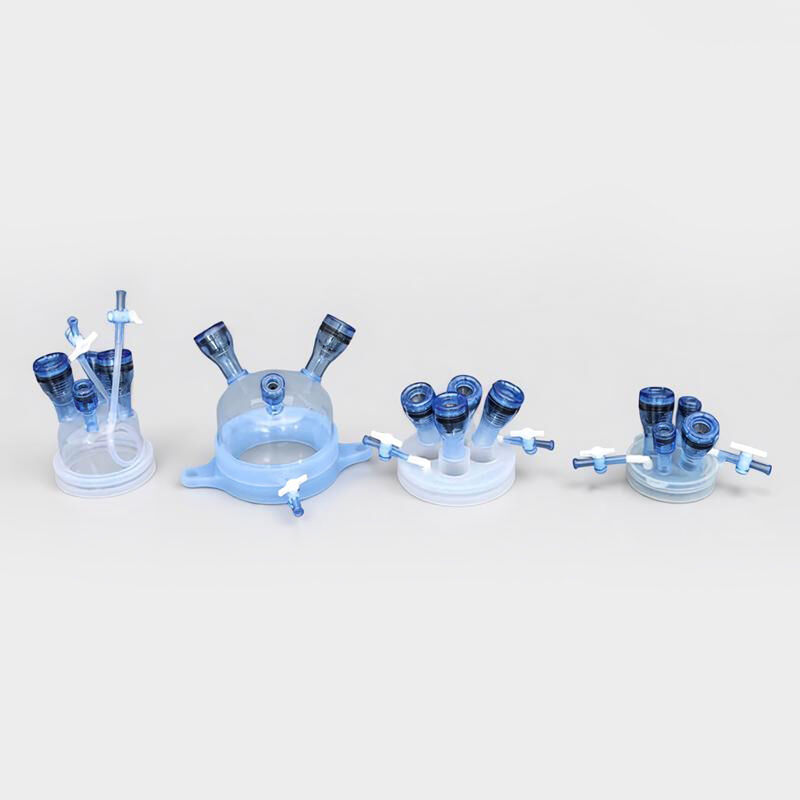
laparoscopic instrument set
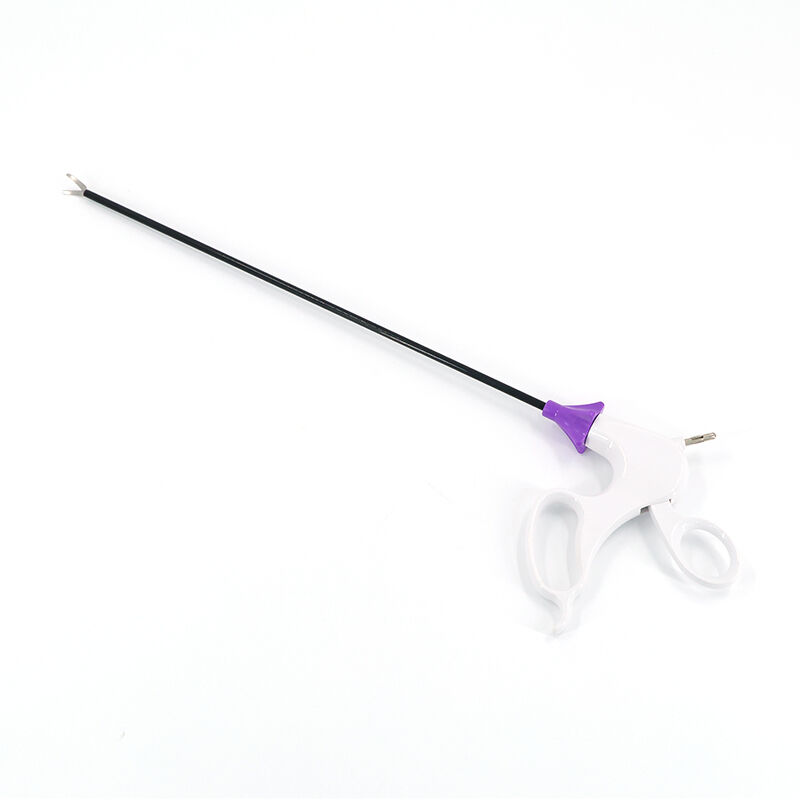
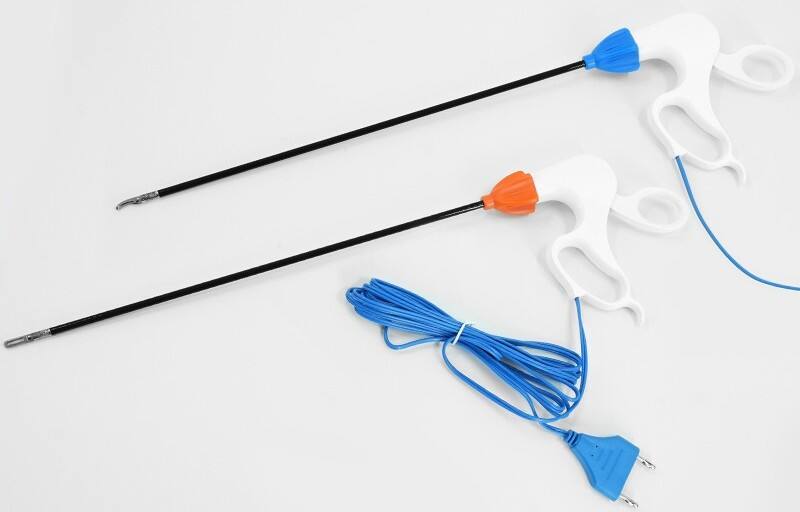
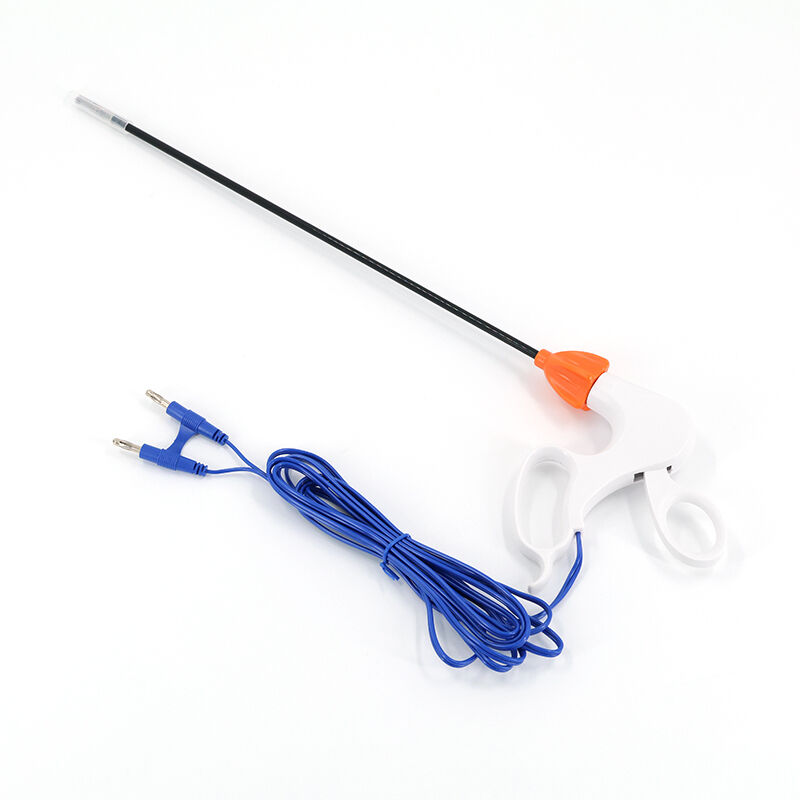
The laparoscopic instrument set represents a revolutionary advancement in minimally invasive surgical technology, designed to facilitate precise and efficient surgical procedures through small incisions. This comprehensive collection of specialized tools enables surgeons to perform complex operations with enhanced visualization and control while significantly reducing patient trauma. The laparoscopic instrument set typically includes essential components such as trocars for creating access ports, laparoscopes with high-definition cameras for superior visualization, graspers for tissue manipulation, scissors for precise cutting, electrocautery devices for hemostasis, and insufflation systems for creating optimal working space. Each component is meticulously engineered with state-of-the-art materials and cutting-edge technology to ensure optimal performance and reliability. The main functions of this instrument set encompass diagnostic visualization, tissue manipulation, cutting and dissection, coagulation and hemostasis, and specimen removal. Technological features include high-definition imaging systems that provide crystal-clear visualization, ergonomic designs that reduce surgeon fatigue, precision-engineered mechanisms for enhanced control, and compatibility with various energy sources. The applications of laparoscopic instrument sets span across multiple surgical specialties including gynecology, general surgery, urology, gastroenterology, and bariatric procedures. These versatile tools enable procedures such as cholecystectomy, appendectomy, hernia repair, ovarian cystectomy, and numerous other surgical interventions. The instrument set's design prioritizes both functionality and safety, incorporating features like insulation testing capabilities, autoclave compatibility, and durable construction materials that withstand repeated sterilization cycles. Advanced optical systems within the laparoscopic instrument set deliver exceptional image quality, allowing surgeons to navigate complex anatomical structures with confidence and precision, ultimately leading to improved patient outcomes and reduced complication rates.



 EN
EN