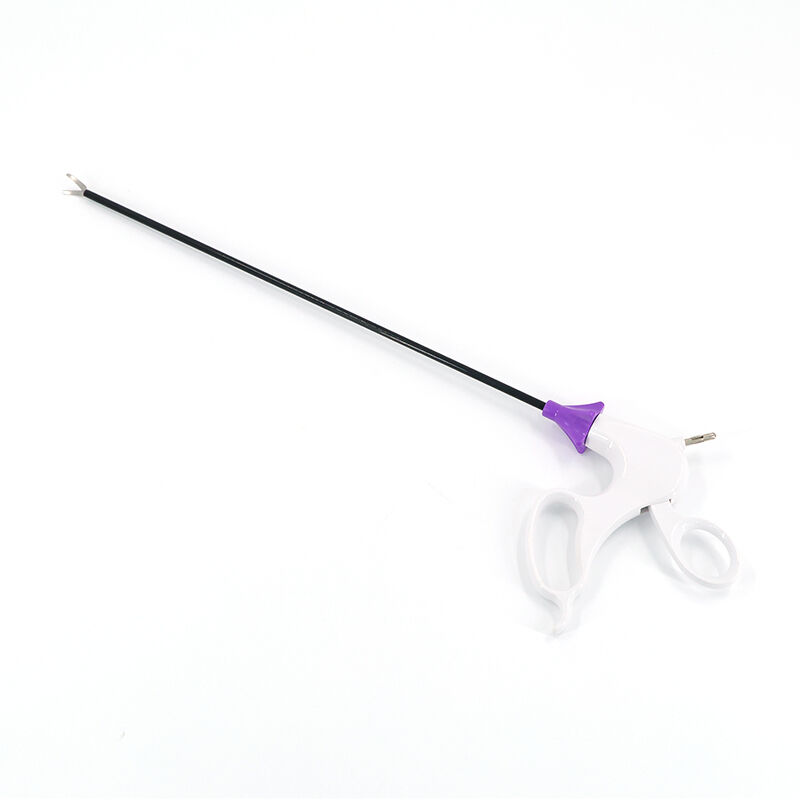
laparoscopic cholecystectomy instruments
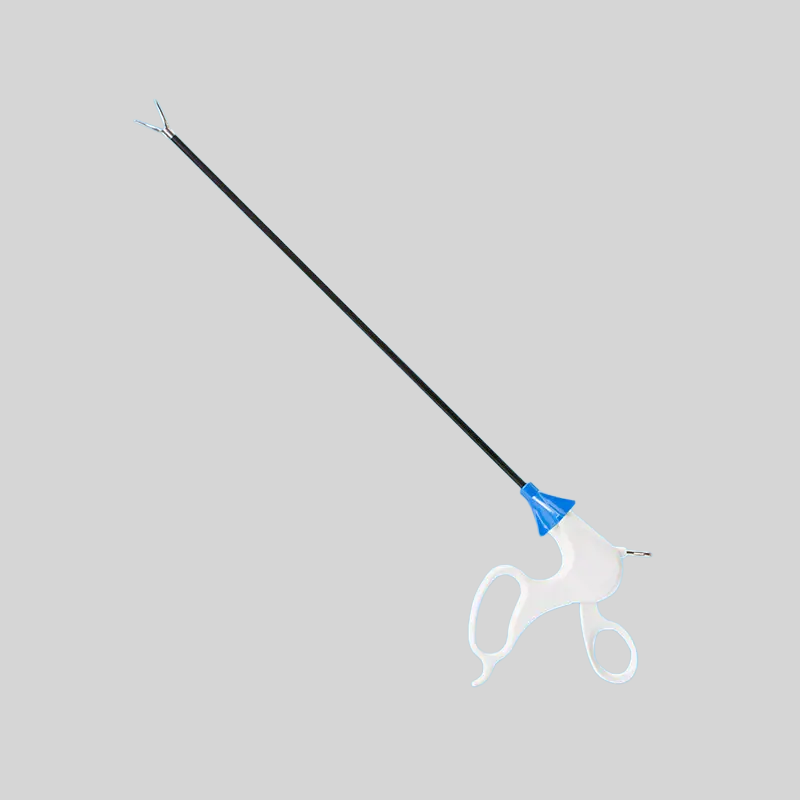
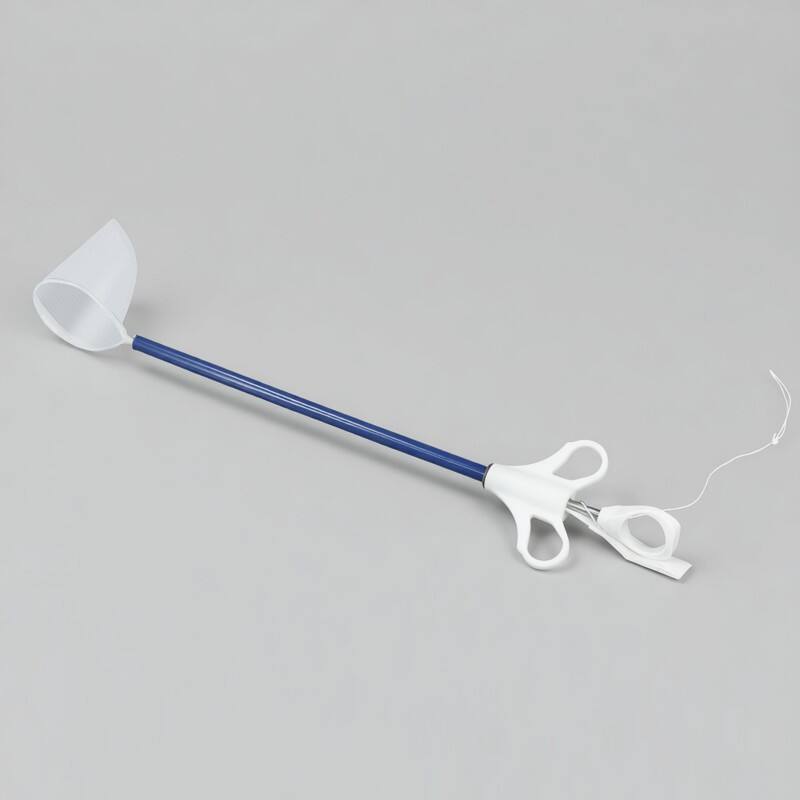
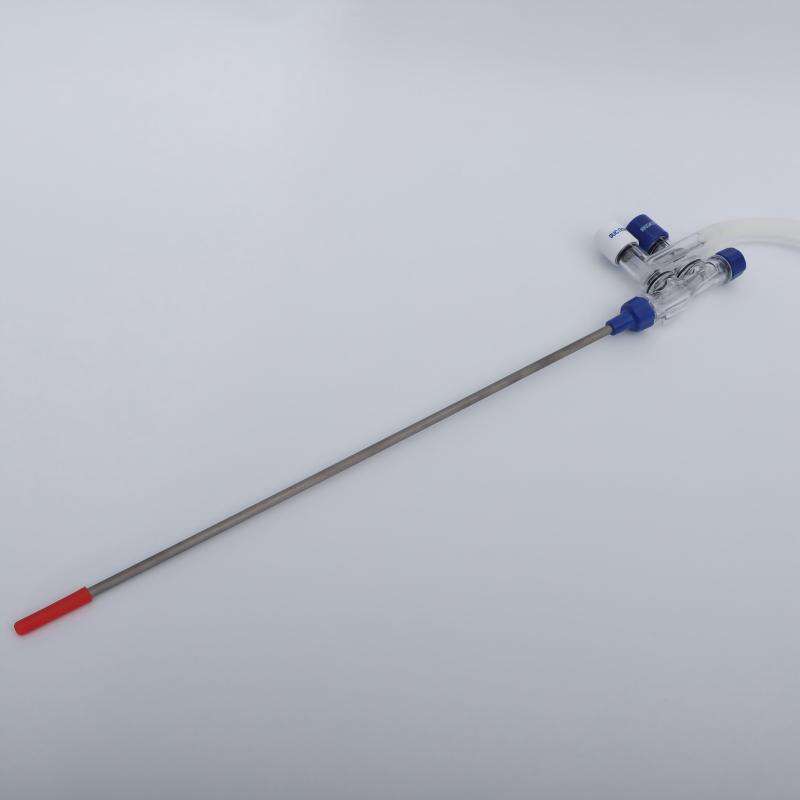
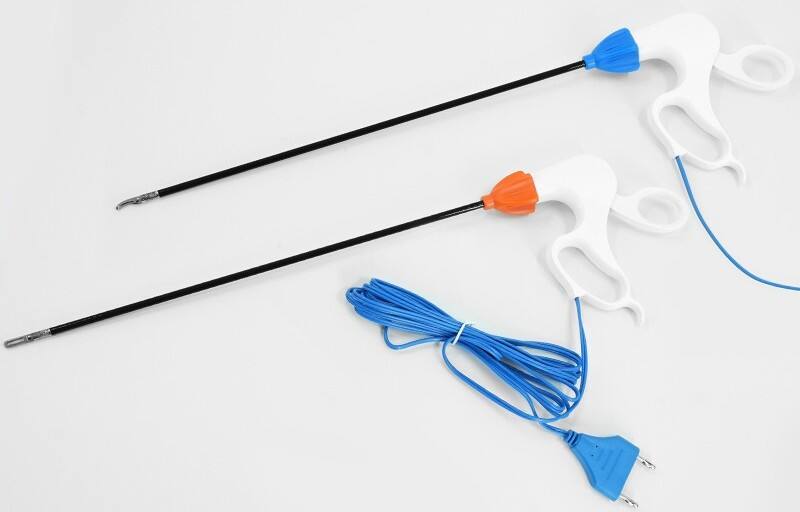
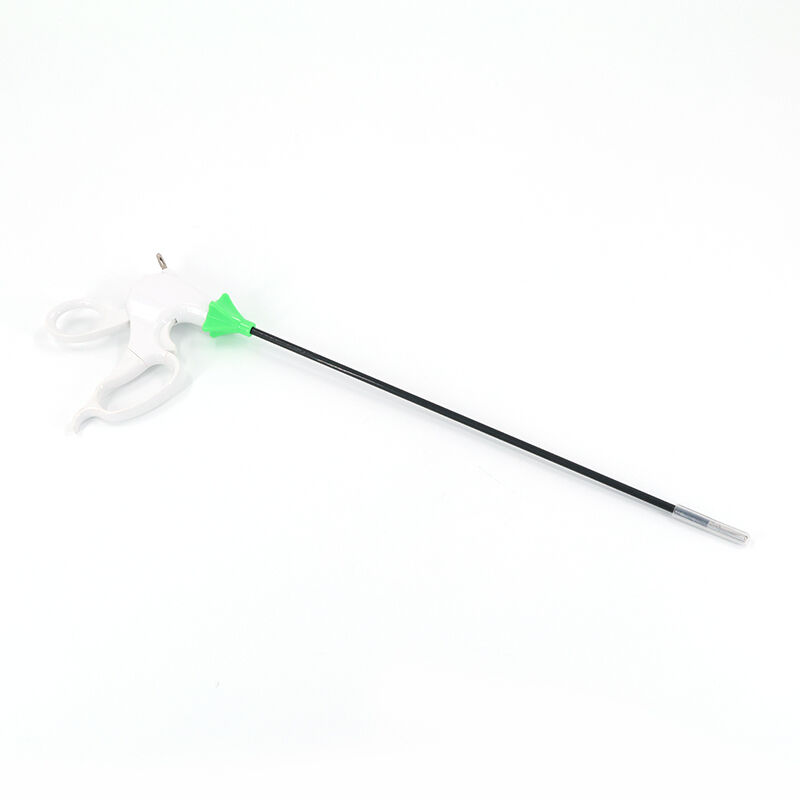
Laparoscopic cholecystectomy instruments represent a revolutionary advancement in minimally invasive surgical technology, specifically designed for the safe and efficient removal of the gallbladder. These sophisticated medical devices have transformed surgical procedures by enabling surgeons to perform complex operations through small incisions rather than traditional open surgery methods. The comprehensive instrument set includes essential components such as laparoscopes with high-definition cameras, specialized graspers, dissectors, clip appliers, electrocautery devices, and insufflation systems that work together seamlessly to ensure optimal surgical outcomes. The main functions of laparoscopic cholecystectomy instruments encompass visualization, tissue manipulation, cutting, coagulation, and specimen retrieval. The laparoscope itself provides crystal-clear imaging capabilities, allowing surgeons to navigate internal anatomy with unprecedented precision. Grasping forceps enable controlled tissue handling, while dissecting instruments facilitate careful separation of anatomical structures. Clip appliers secure blood vessels and ducts, preventing hemorrhage and ensuring patient safety throughout the procedure. Technological features of modern laparoscopic cholecystectomy instruments include advanced optics with LED illumination systems, ergonomic handle designs that reduce surgeon fatigue, and integration with digital imaging platforms for enhanced visualization. Many instruments incorporate articulating mechanisms that provide greater maneuverability within confined surgical spaces. The applications of these instruments extend beyond routine gallbladder removal to include complex cases involving inflammation, adhesions, and anatomical variations. Healthcare facilities worldwide rely on laparoscopic cholecystectomy instruments for treating cholelithiasis, cholecystitis, and gallbladder polyps. The instruments support both elective and emergency procedures, demonstrating remarkable versatility in clinical settings. Training programs extensively utilize these tools to educate the next generation of surgeons in minimally invasive techniques, ensuring continued advancement in surgical care quality and patient outcomes across diverse medical institutions.

 EN
EN