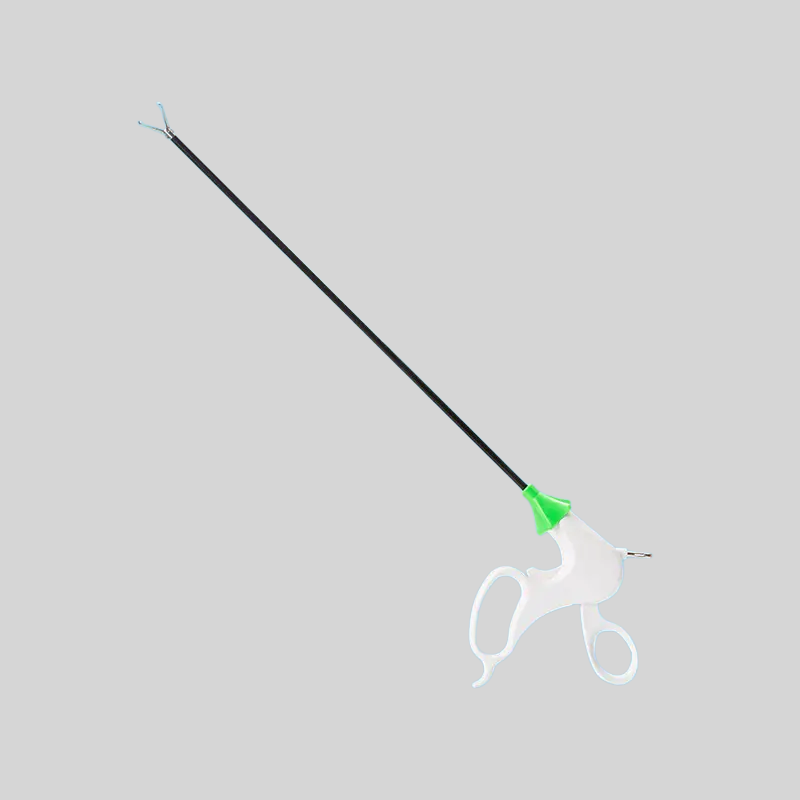
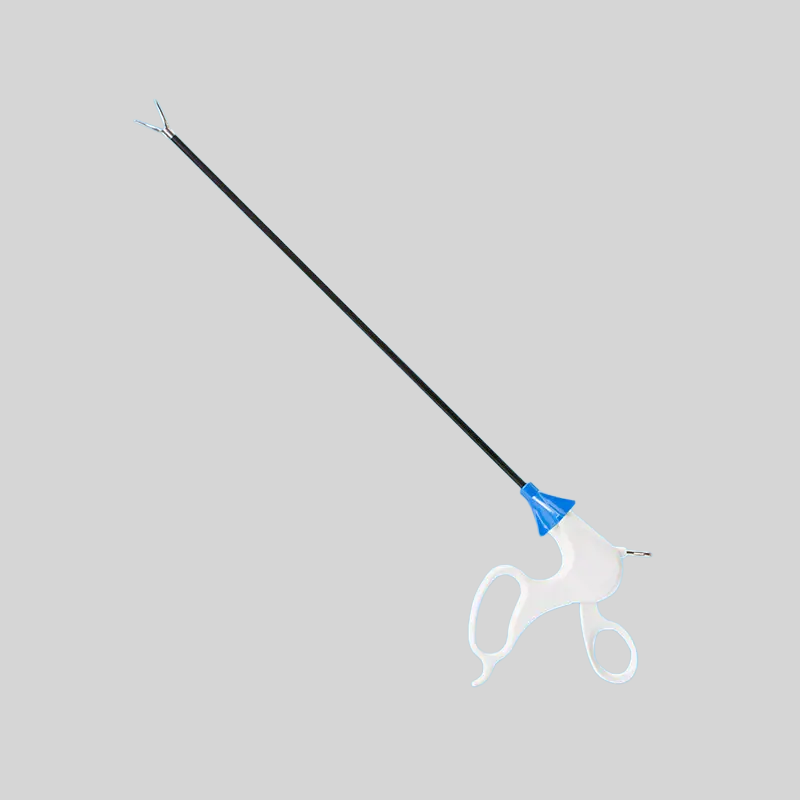
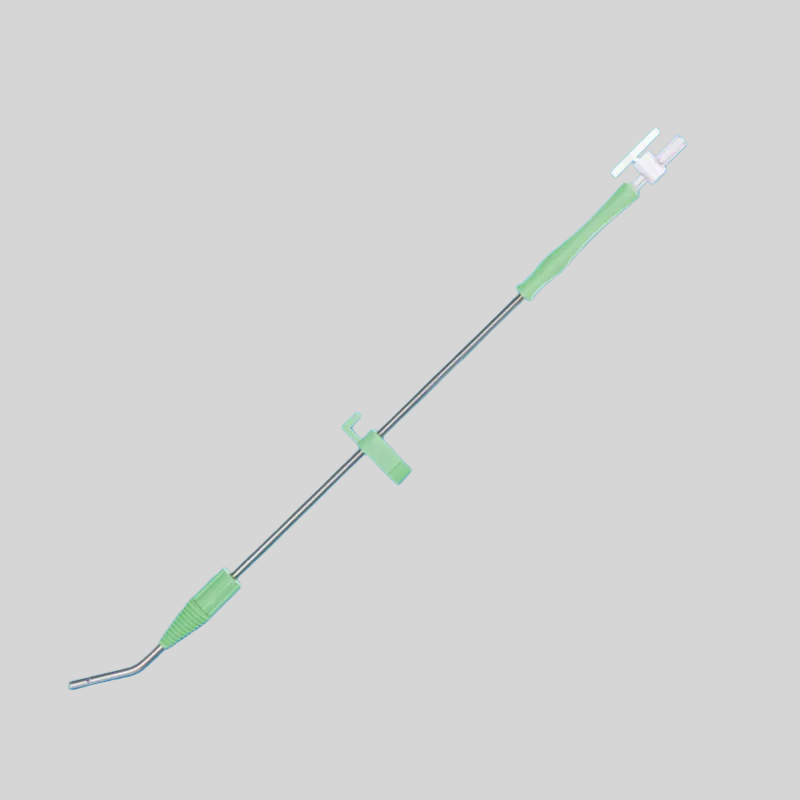
laparoscopic retractor
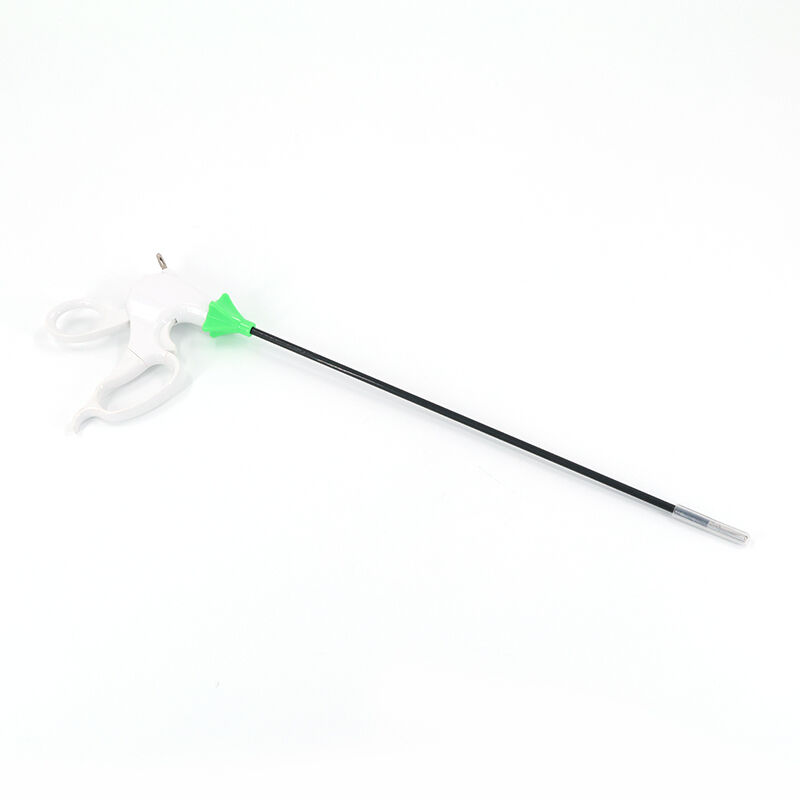
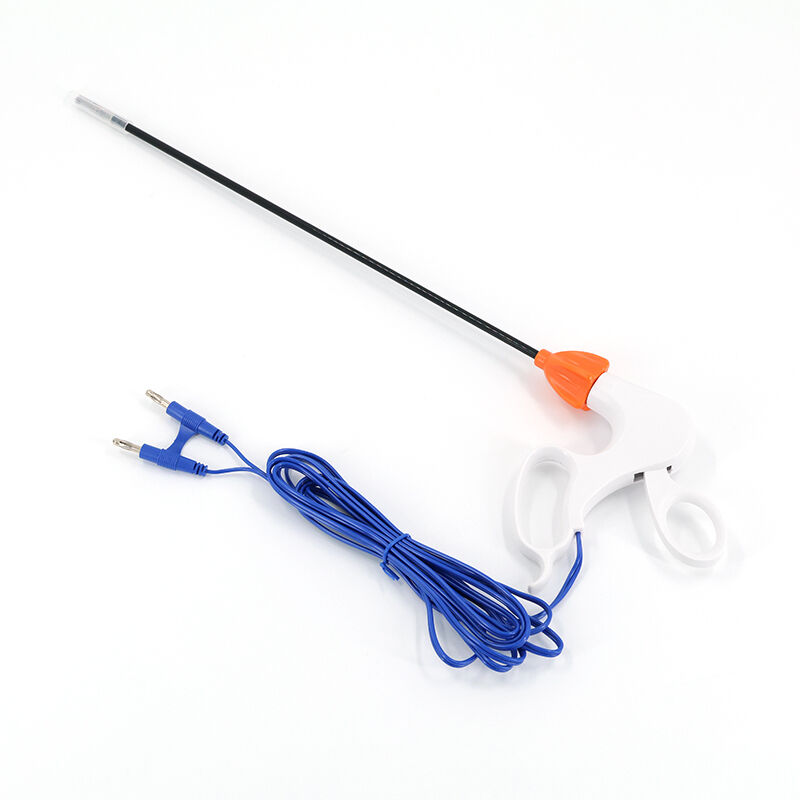
The laparoscopic retractor represents a crucial advancement in minimally invasive surgical technology, designed specifically to enhance visualization and surgical access during laparoscopic procedures. This sophisticated medical instrument serves as an essential tool that enables surgeons to gently manipulate and hold tissues away from the operative site, creating optimal working space within the confined environment of the abdominal cavity. The laparoscopic retractor functions as a mechanical extension of the surgeon's hands, providing precise control and steady tissue manipulation throughout complex surgical procedures. Modern laparoscopic retractors incorporate cutting-edge engineering principles to deliver superior performance in challenging surgical environments. These instruments feature ergonomically designed handles that reduce surgeon fatigue during extended procedures, while their precision-engineered tips provide delicate tissue handling capabilities. The retractor's construction utilizes high-grade stainless steel or advanced titanium alloys, ensuring durability, biocompatibility, and resistance to sterilization processes. Advanced models integrate articulating joints that allow for multi-directional movement, enabling surgeons to navigate around anatomical structures with unprecedented precision. The technological features of contemporary laparoscopic retractors include innovative locking mechanisms that maintain consistent retraction force, eliminating the need for continuous manual pressure. Many models incorporate insulated designs that prevent electrical interference during electrocautery procedures, enhancing surgical safety. The applications of laparoscopic retractors span numerous surgical specialties, including general surgery, gynecology, urology, and thoracic surgery. In cholecystectomy procedures, these instruments facilitate safe dissection of Calot's triangle by providing clear visualization of critical anatomical landmarks. During laparoscopic appendectomy, retractors enable surgeons to manipulate the appendix and surrounding tissues with minimal trauma. In gynecological procedures such as hysterectomy or ovarian cystectomy, laparoscopic retractors prove invaluable for exposing pelvic anatomy while protecting adjacent organs. The versatility of these instruments extends to bariatric surgery, where they assist in stomach mobilization and tissue manipulation during sleeve gastrectomy or gastric bypass procedures.



 EN
EN