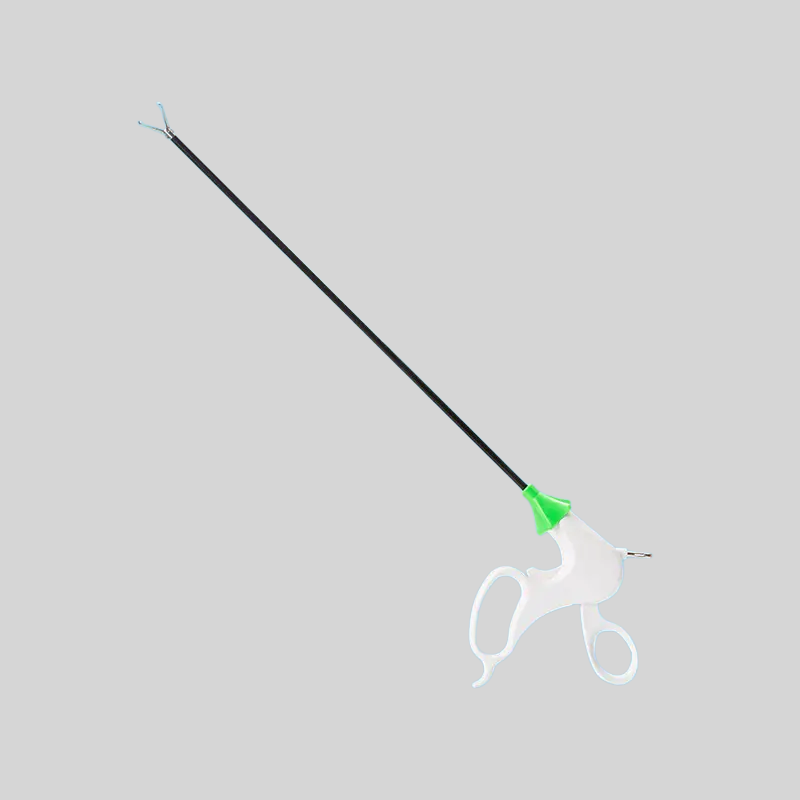
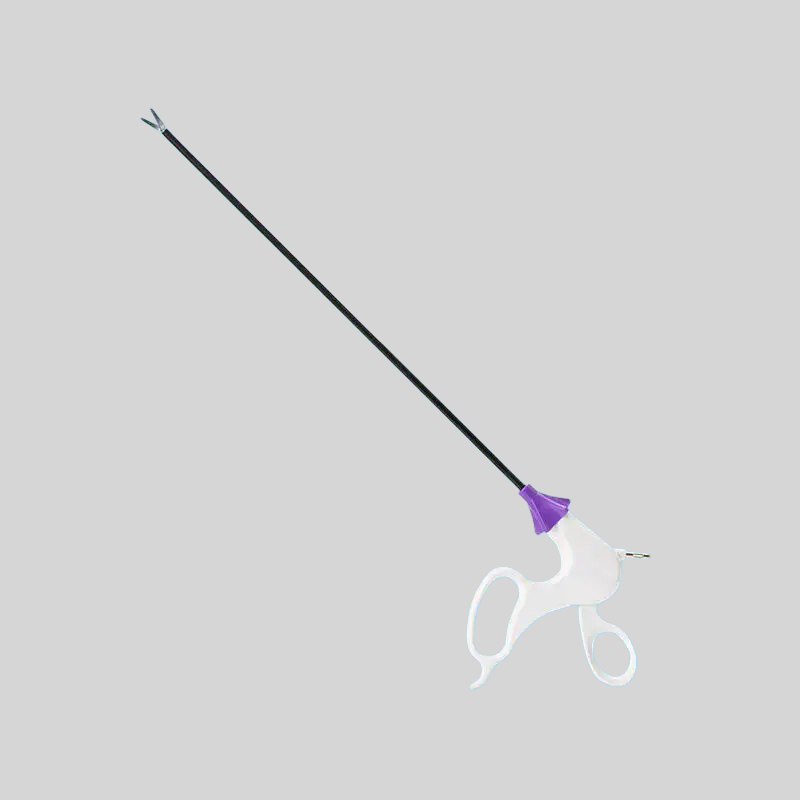
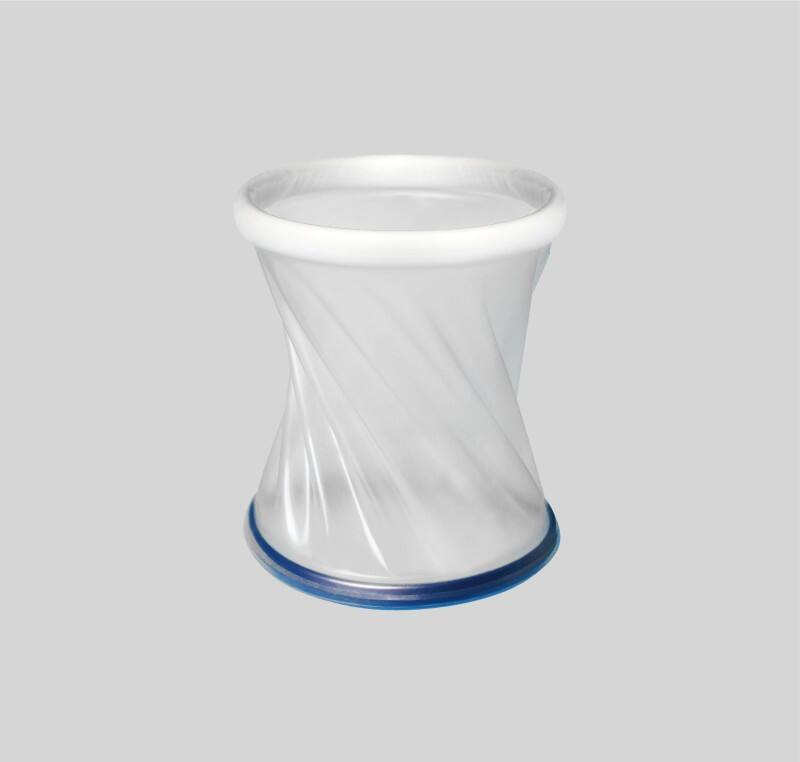
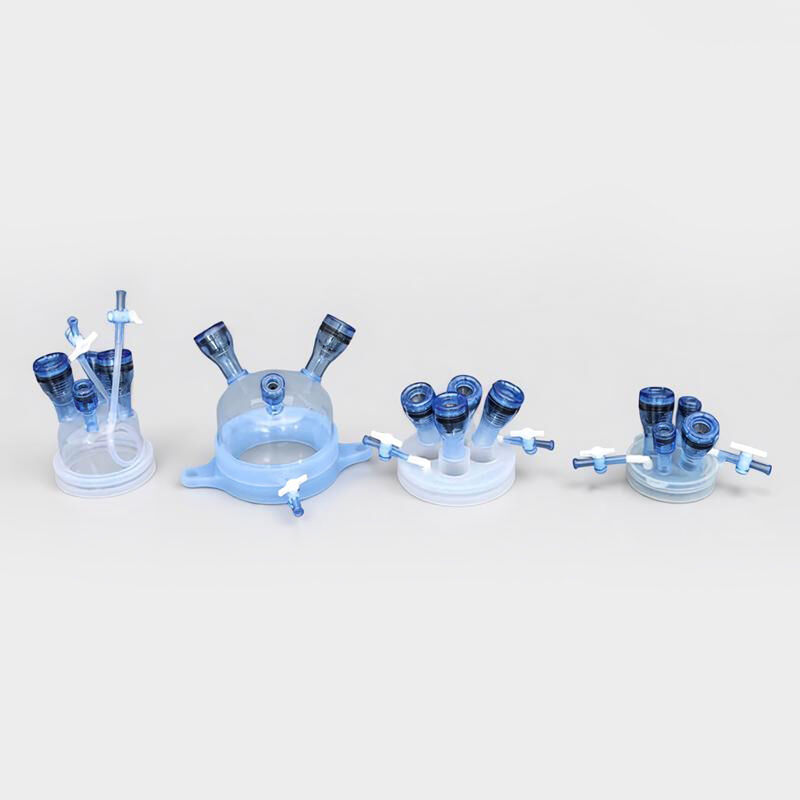
endo sterile covers
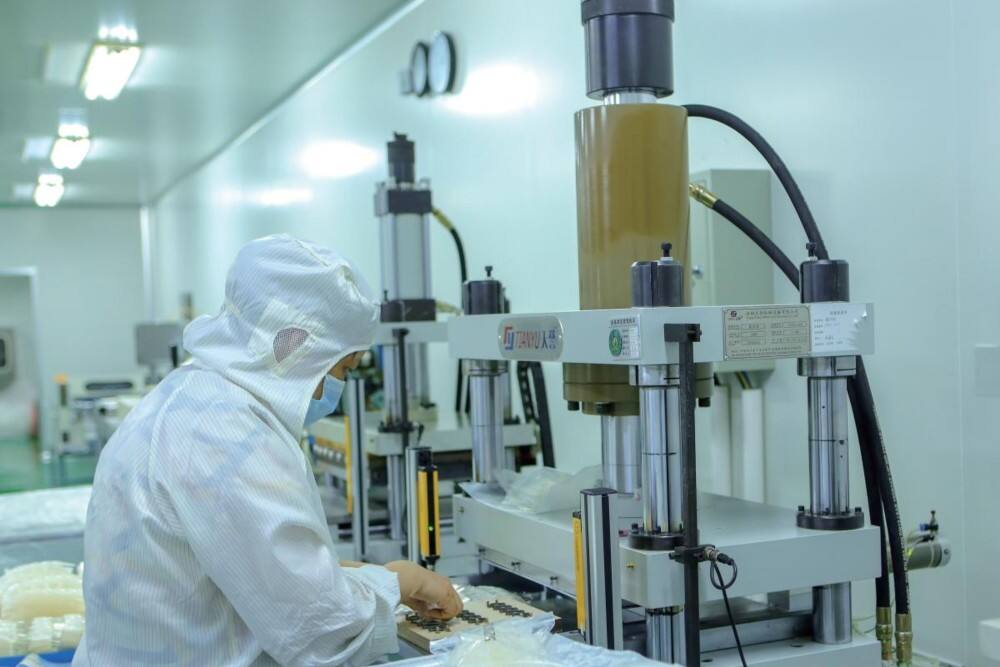
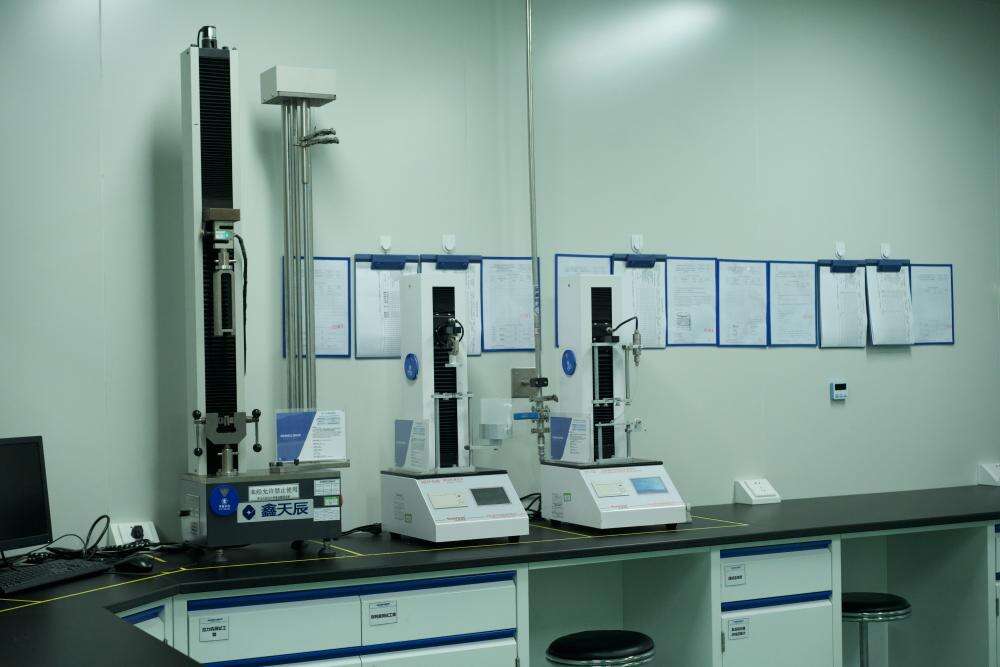
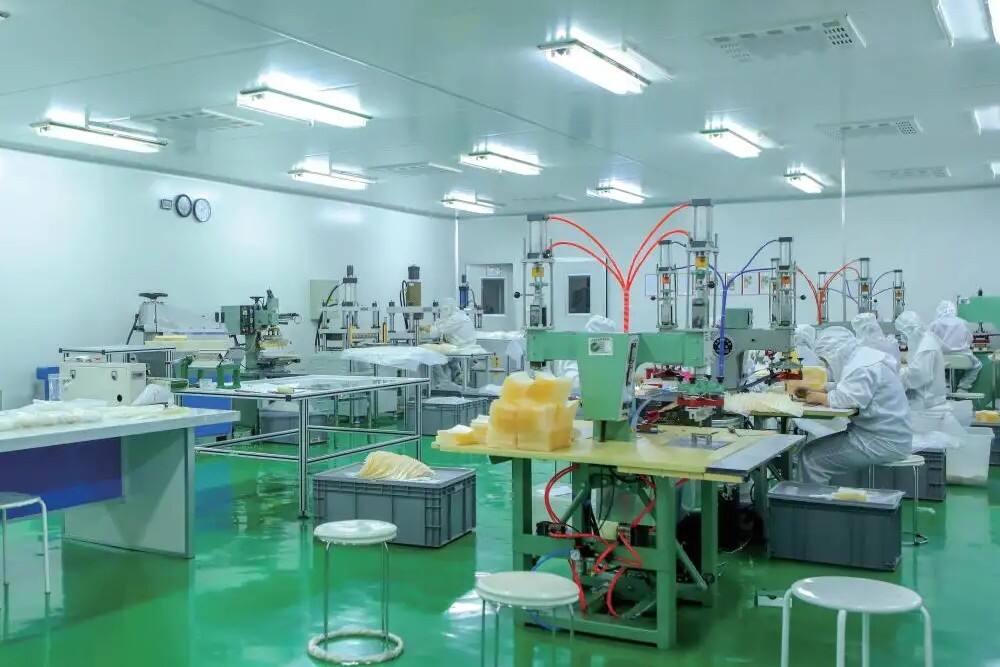
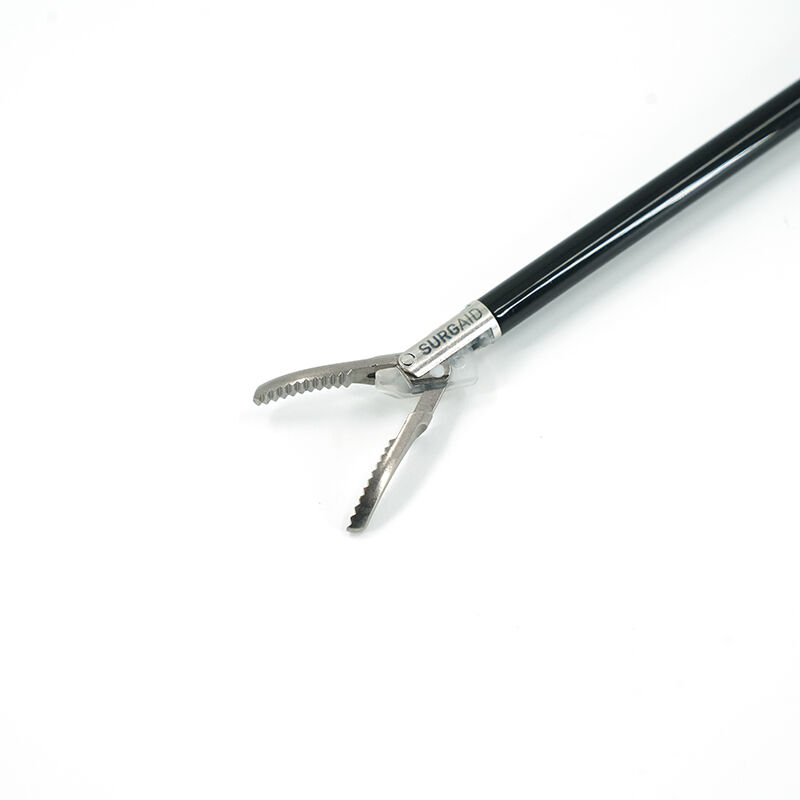
Endo sterile covers represent a critical component in modern medical facilities, specifically designed to maintain sterile environments during endoscopic procedures. These specialized protective barriers serve as essential safeguards that prevent contamination while ensuring optimal functionality of delicate endoscopic equipment. The primary function of endo sterile covers involves creating an impermeable barrier between sterile surgical instruments and potentially contaminated surfaces or environments. These covers are meticulously engineered using advanced materials that combine durability with complete sterility assurance. The technological features of endo sterile covers include multi-layer construction that incorporates antimicrobial properties, ensuring maximum protection against bacterial transmission. Each cover undergoes rigorous sterilization processes using gamma radiation or ethylene oxide, guaranteeing complete elimination of microorganisms. The transparent design allows medical professionals to maintain full visibility of equipment controls while preserving sterile conditions. Advanced sealing mechanisms ensure secure attachment to various endoscopic devices without compromising equipment functionality. The applications of endo sterile covers span across multiple medical specialties including gastroenterology, pulmonology, urology, and gynecology. These covers are essential during colonoscopy procedures, bronchoscopy examinations, cystoscopy investigations, and laparoscopic surgeries. Healthcare facilities utilize endo sterile covers in operating rooms, endoscopy suites, and outpatient procedure centers to maintain infection control standards. The covers accommodate various endoscope sizes and configurations, making them versatile solutions for different medical environments. Quality assurance protocols ensure each endo sterile cover meets stringent regulatory requirements set by medical device authorities. The manufacturing process follows ISO standards and FDA guidelines, guaranteeing consistent product quality and patient safety. These protective barriers significantly reduce healthcare-associated infection risks while enabling efficient workflow in medical procedures.

 EN
EN