Enhanced Equipment Longevity and Cost Effectiveness
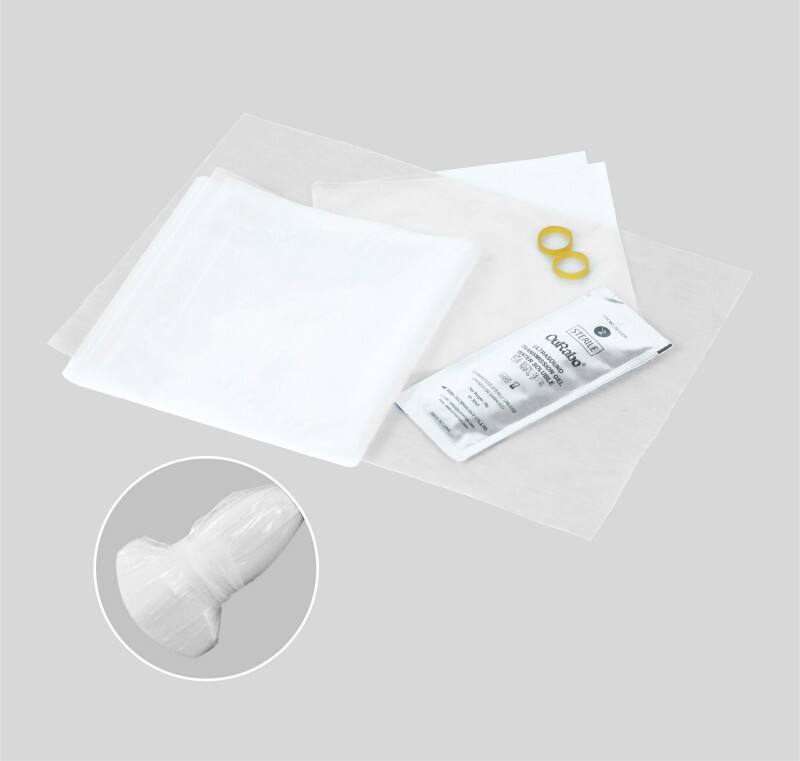
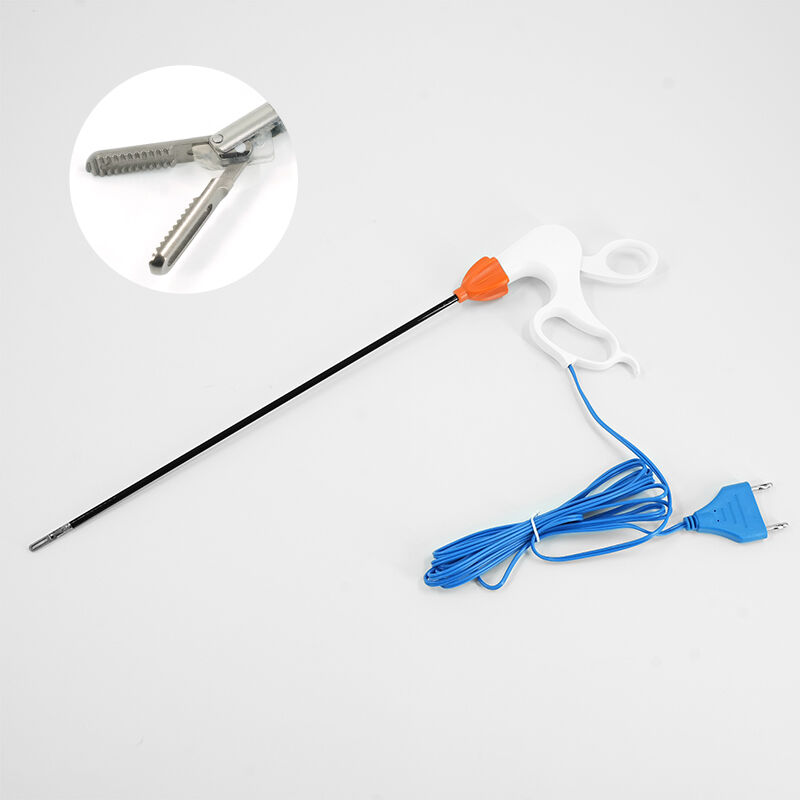
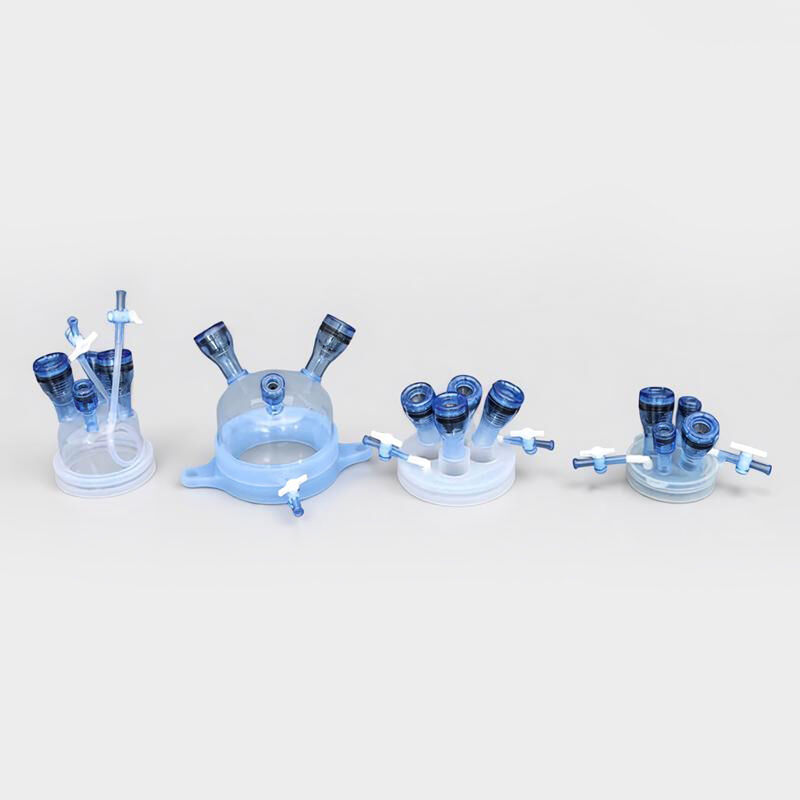
The implementation of endo covers for laparoscopic instruments delivers exceptional value through dramatically enhanced equipment longevity and substantial long-term cost savings that benefit healthcare facilities of all sizes. These protective covers serve as a shield against the cumulative wear and damage that typically results from repeated sterilization cycles, chemical exposure, and physical handling during surgical procedures. The financial impact of extended equipment lifespan becomes apparent when considering the substantial initial investment required for high-quality laparoscopic instruments, which can cost tens of thousands of dollars per unit. By protecting these valuable assets with endo covers for laparoscopic instruments, healthcare facilities can extend useful equipment life by several years, effectively reducing the total cost of ownership and improving return on investment calculations. The protection provided by these covers is particularly important for sensitive optical components, which are susceptible to damage from cleaning chemicals, temperature fluctuations, and physical contact during sterilization processes. Traditional maintenance procedures, while necessary for infection control, can gradually degrade instrument performance through microscopic scratches, chemical residue buildup, and thermal stress on electronic components. Endo covers for laparoscopic instruments eliminate direct exposure to these harmful factors while maintaining full instrument functionality and performance standards. The cost-effectiveness extends beyond simple equipment protection to include reduced maintenance expenses, decreased repair frequency, and minimized equipment downtime that can disrupt surgical scheduling. Healthcare administrators particularly appreciate the predictable cost structure that endo covers for laparoscopic instruments provide, allowing for more accurate budget planning and resource allocation. The long-term financial benefits compound over time, as protected instruments maintain their performance characteristics longer and require less frequent replacement, ultimately resulting in significant cost savings that can be redirected toward other critical healthcare initiatives and patient care improvements.

 EN
EN