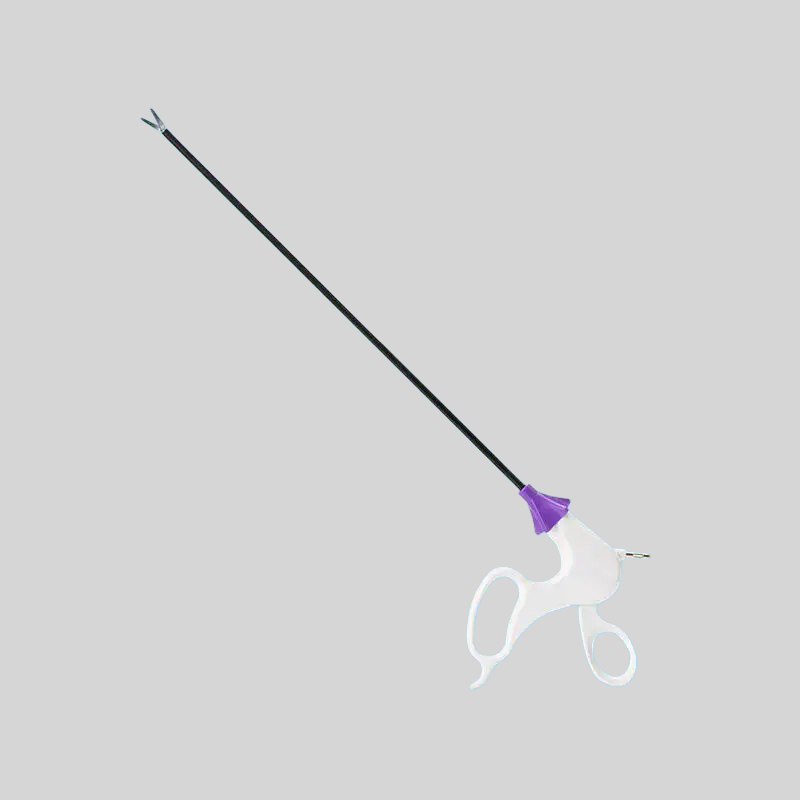
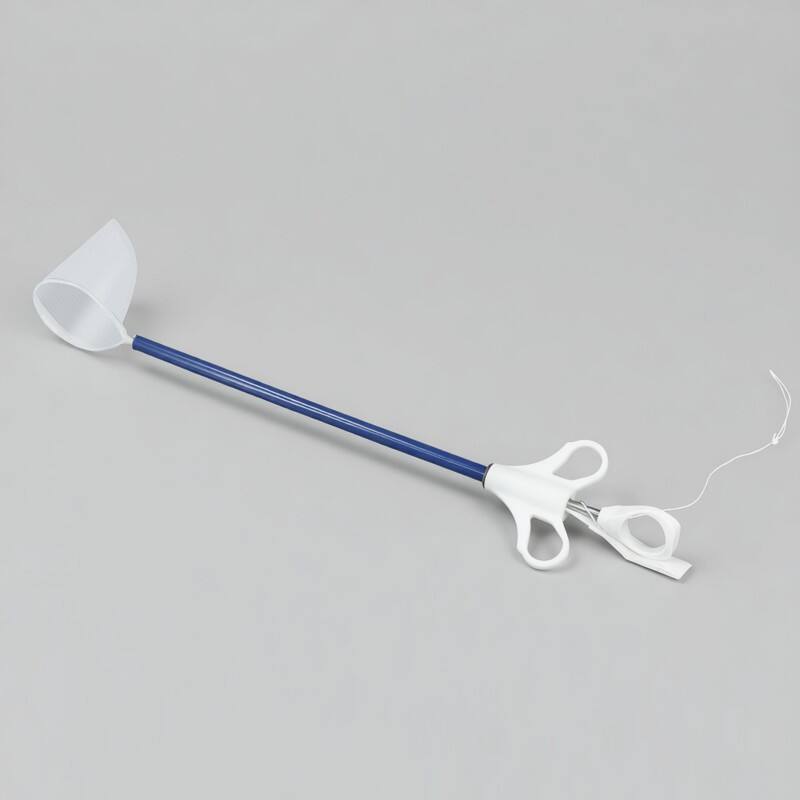
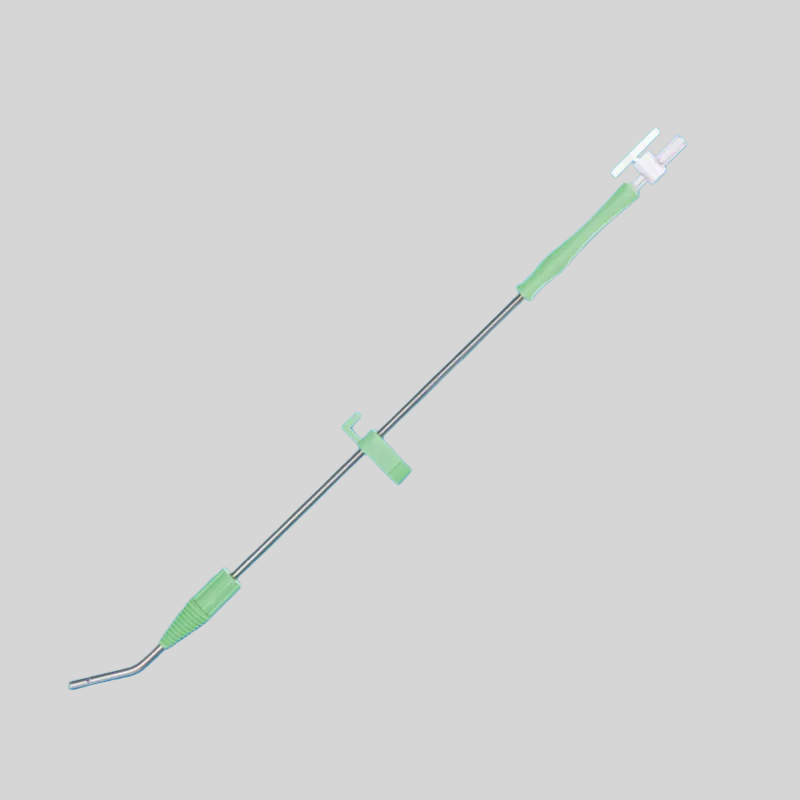
medical endo covers
Medical endo covers represent essential protective equipment designed specifically for endoscopic procedures in healthcare environments. These specialized covers serve as critical barriers between medical equipment and potential contaminants, ensuring optimal hygiene standards during minimally invasive surgical procedures. The primary function of medical endo covers focuses on preventing cross-contamination between patients while maintaining the sterile integrity of expensive endoscopic instruments. These protective solutions are engineered with advanced materials that provide excellent barrier properties against fluids, bacteria, and other potentially harmful microorganisms that could compromise patient safety. The technological features of medical endo covers include sophisticated polymer construction that offers superior durability and resistance to punctures or tears during clinical use. Many modern medical endo covers incorporate transparent materials that allow healthcare professionals to maintain clear visibility of equipment controls and displays while providing complete protection. The design specifications ensure compatibility with various endoscopic systems, including flexible endoscopes, rigid scopes, and associated accessories. Advanced manufacturing processes create seamless construction that eliminates potential weak points where contamination might occur. The applications of medical endo covers span across numerous medical specialties, including gastroenterology, pulmonology, urology, gynecology, and surgical departments. These protective devices are utilized in hospitals, outpatient clinics, ambulatory surgery centers, and specialized endoscopy facilities worldwide. The versatile design accommodates different endoscope sizes and configurations, making them suitable for both diagnostic and therapeutic procedures. Healthcare facilities rely on medical endo covers to comply with stringent infection control protocols and regulatory requirements while reducing equipment maintenance costs and extending the operational lifespan of expensive endoscopic instruments through effective contamination prevention strategies.

 EN
EN