surgical endo covers
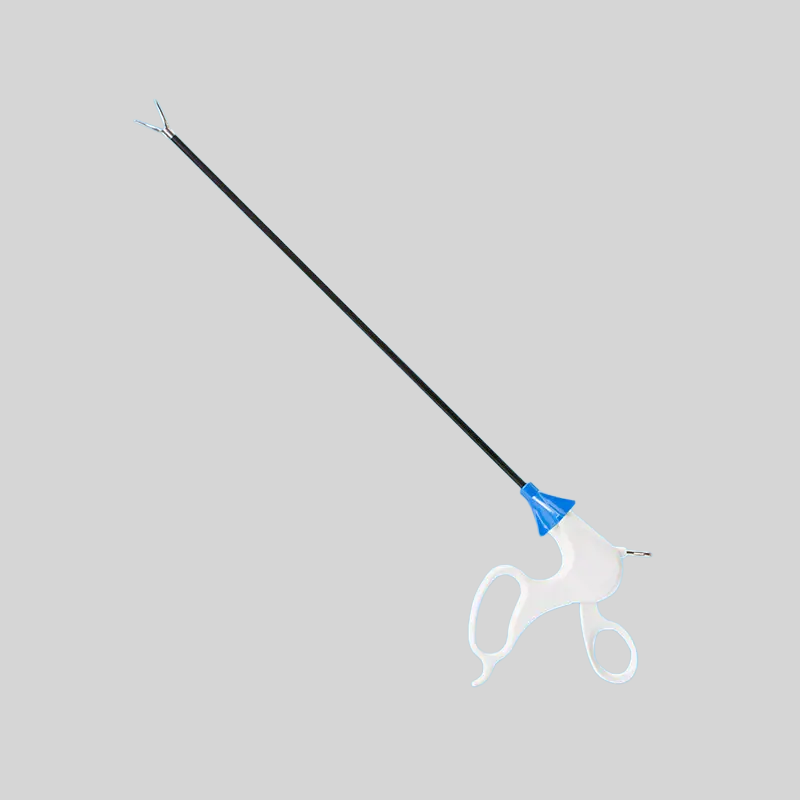
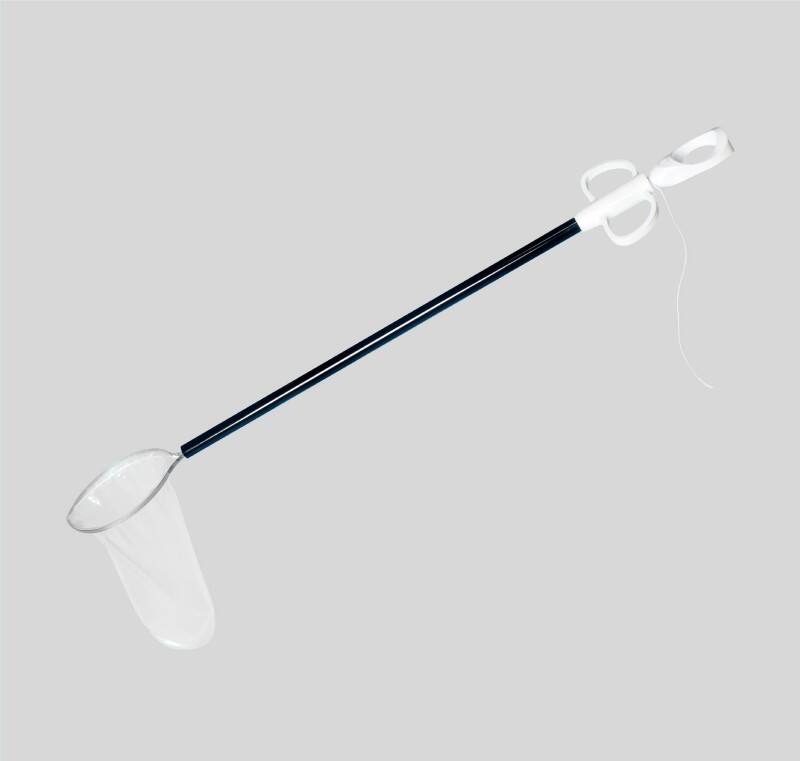
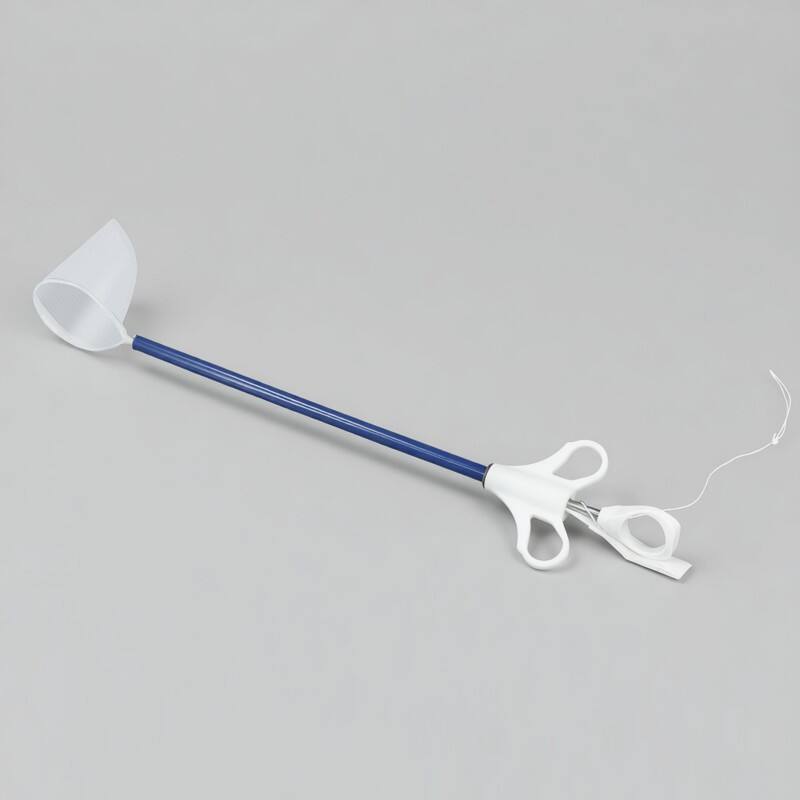
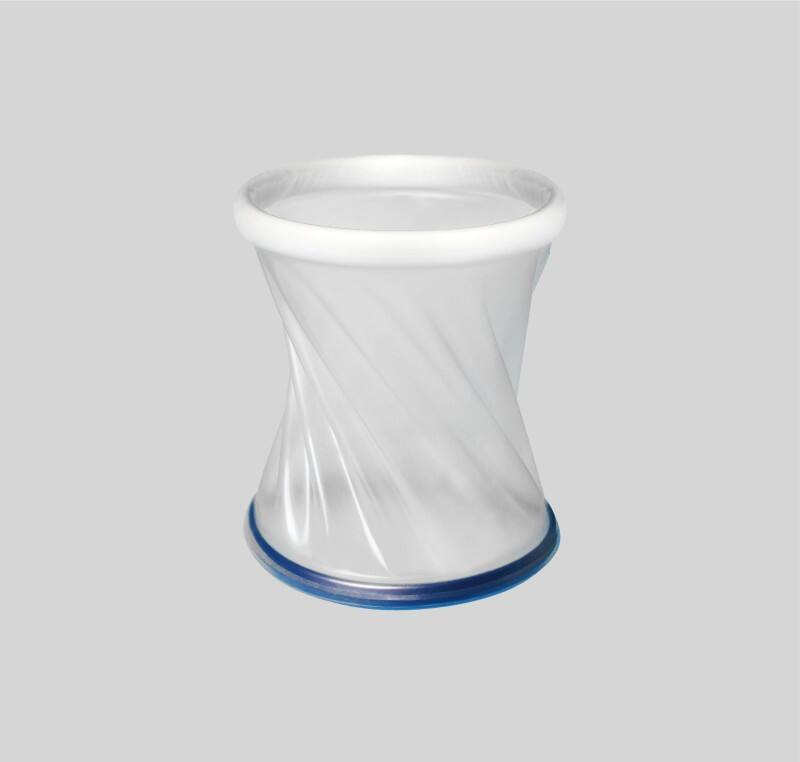
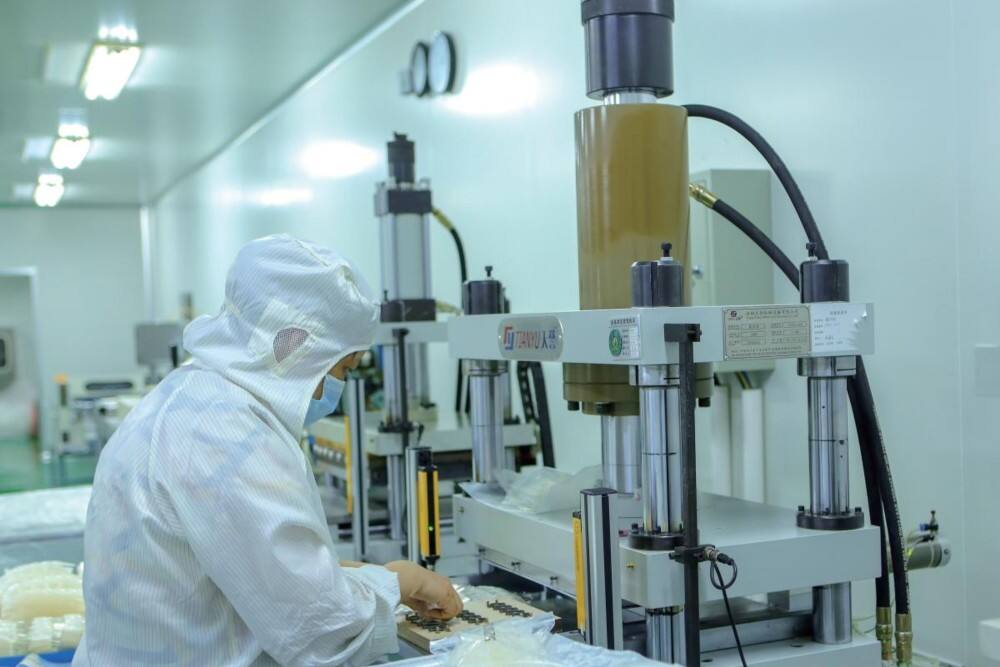
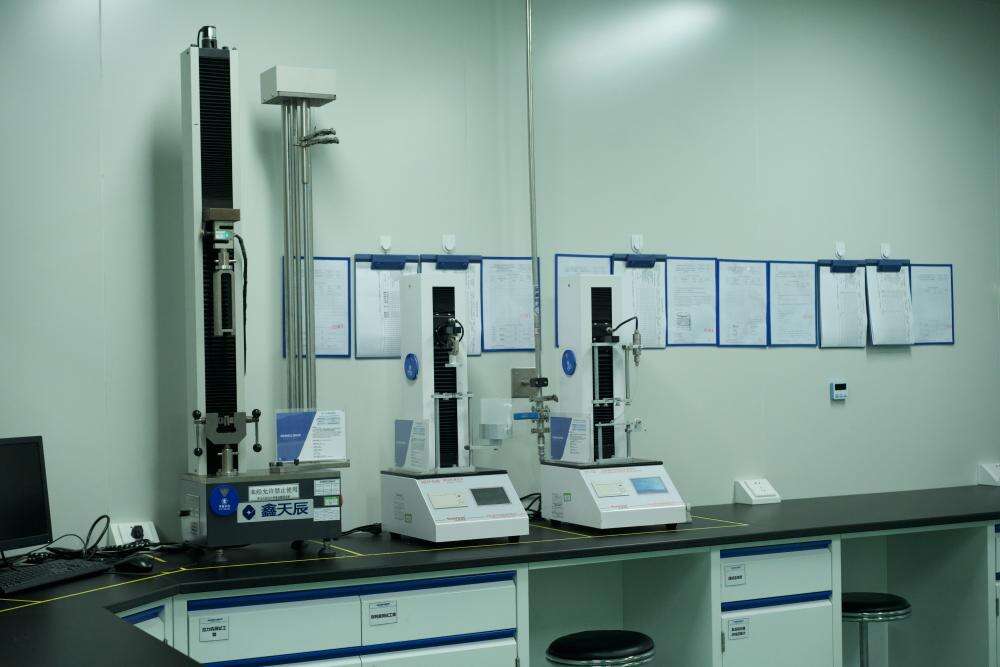
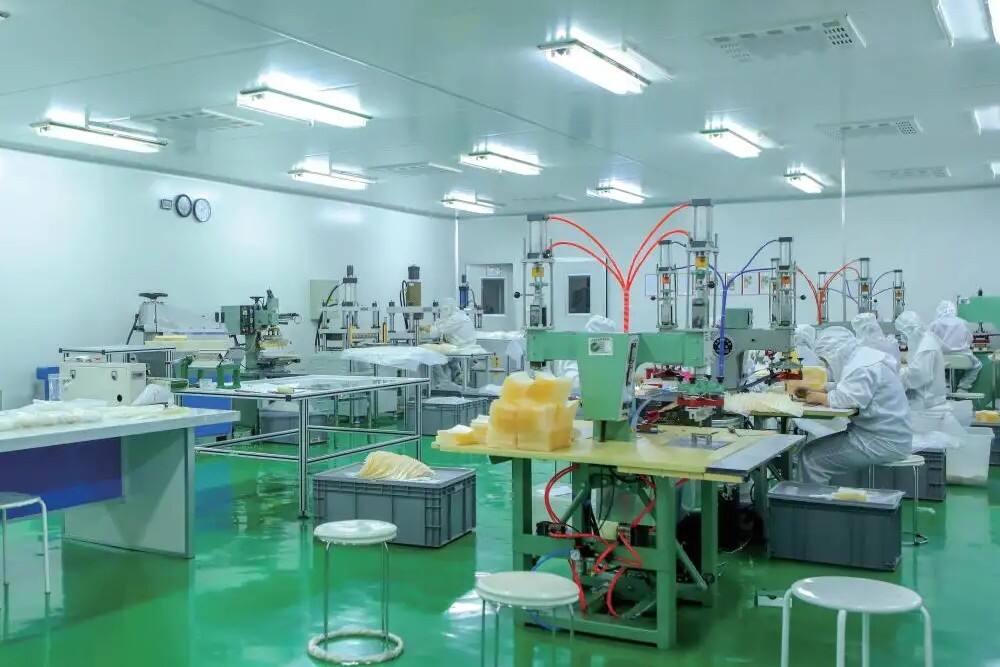
Surgical endo covers represent a critical component in modern endoscopic procedures, serving as protective barriers that maintain sterility while enabling precise instrument manipulation during minimally invasive surgeries. These specialized covers are meticulously designed to accommodate various endoscopic equipment, including cameras, light sources, and surgical instruments, ensuring optimal functionality throughout complex medical procedures. The primary function of surgical endo covers revolves around infection control and contamination prevention, creating a sterile environment that protects both patients and medical equipment from potential cross-contamination. These covers feature advanced materials engineered to withstand the rigorous demands of surgical environments while maintaining transparency and flexibility essential for successful endoscopic interventions. Technological innovations in surgical endo covers include antimicrobial coatings that actively prevent bacterial growth, reinforced construction materials that resist tearing under pressure, and ergonomic designs that facilitate easy installation and removal. The covers incorporate specialized sealing mechanisms that ensure complete coverage without compromising equipment functionality, allowing surgeons to perform intricate procedures with confidence and precision. Applications of surgical endo covers span numerous medical specialties, including gastroenterology, pulmonology, urology, gynecology, and orthopedics, where endoscopic procedures are routinely performed. These versatile protective solutions accommodate different endoscope sizes and configurations, making them indispensable tools in operating theaters worldwide. The manufacturing process involves stringent quality control measures to guarantee consistent performance and reliability, with each surgical endo cover undergoing comprehensive testing to meet international medical standards. Modern surgical endo covers also feature enhanced visibility properties that do not interfere with imaging quality, ensuring surgeons maintain clear visualization throughout procedures while benefiting from superior protection against contamination risks.

 EN
EN