Comprehensive Cost-Effectiveness and Resource Optimization
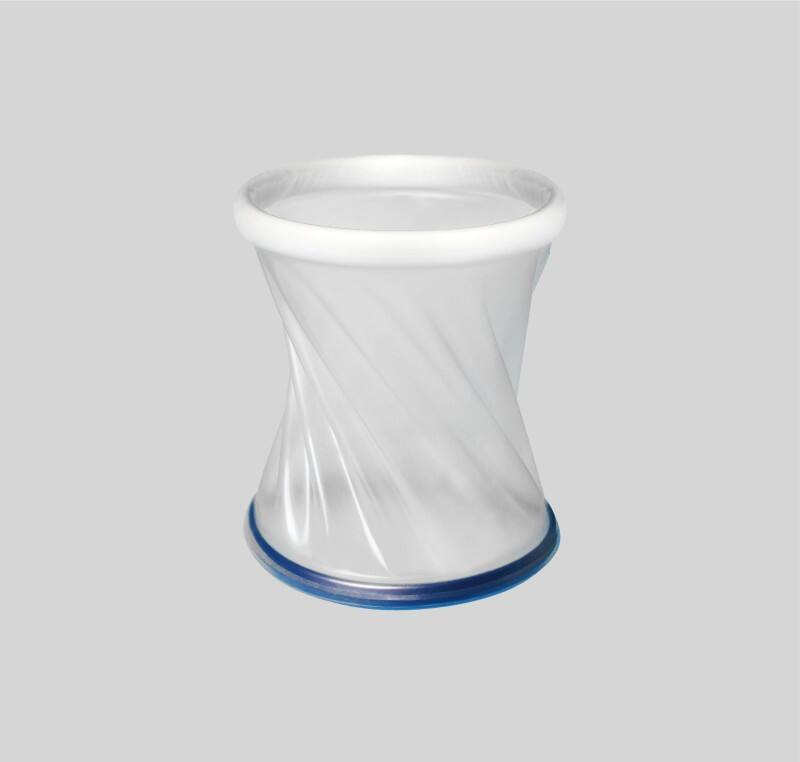
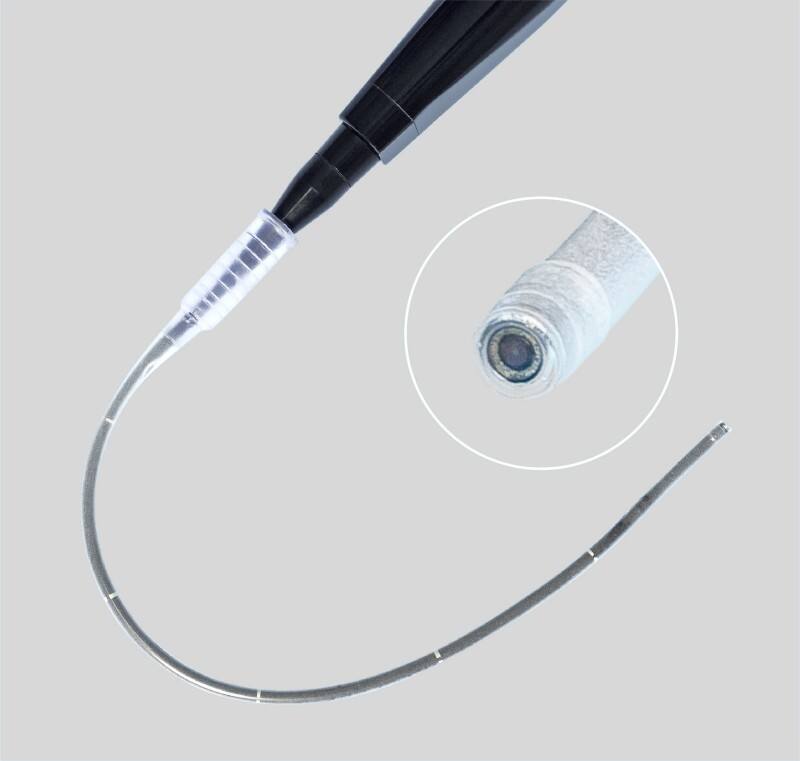
The comprehensive cost-effectiveness of single use endo covers extends far beyond initial purchase price, delivering substantial long-term value through resource optimization, risk reduction, and operational efficiency improvements that significantly impact healthcare facility profitability and performance metrics. Financial analysis consistently demonstrates that the total cost of ownership for single use endo covers remains lower than traditional sterilization approaches when factoring in labor costs, utility expenses, equipment depreciation, and risk mitigation benefits. Labor cost reduction represents a primary component of these savings, as facilities eliminate the need for specialized technicians to perform complex cleaning and sterilization procedures between cases. This workforce reallocation allows healthcare facilities to redirect skilled personnel toward direct patient care activities, improving overall productivity while reducing operational overhead. Utility cost savings emerge through reduced consumption of steam, electricity, and water typically required for autoclave sterilization cycles, contributing to both financial and environmental sustainability objectives. Equipment depreciation costs decrease significantly as single use endo covers protect expensive endoscopic instruments from repeated exposure to harsh cleaning chemicals and high-temperature sterilization processes that gradually degrade sensitive components and optical systems. Inventory management simplification reduces storage requirements for sterilization supplies, cleaning chemicals, and backup equipment traditionally needed to maintain adequate endoscope availability during sterilization cycles. Risk mitigation value becomes quantifiable through reduced liability exposure related to healthcare-associated infections, regulatory violations, and equipment damage claims that could result in costly legal settlements or accreditation issues. Insurance premium reductions often accompany improved infection control practices, as carriers recognize the decreased risk profile associated with enhanced sterility protocols. Revenue optimization occurs through increased case throughput enabled by faster equipment turnover, allowing facilities to accommodate more procedures within existing operational hours and staffing levels. Patient satisfaction improvements correlate with reduced infection rates and shorter procedure delays, contributing to higher reimbursement rates and improved facility reputation metrics. Supply chain efficiency benefits include simplified procurement processes, reduced storage space requirements, and elimination of complex sterilization equipment maintenance contracts that consume both financial and administrative resources throughout healthcare organizations.
 EN
EN