 EN
EN

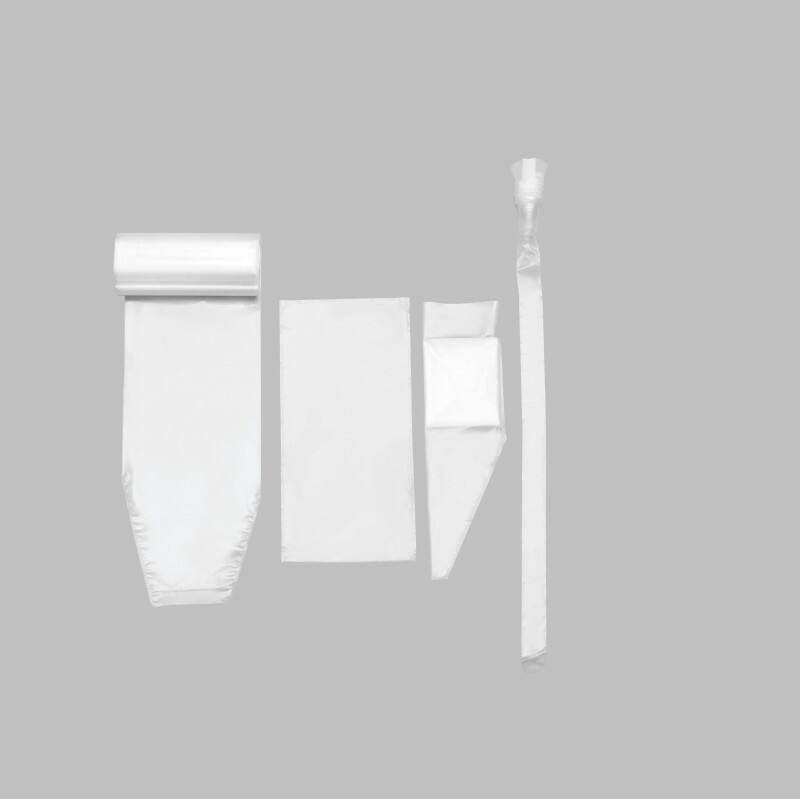
In the world of minimally invasive surgery, every instrument and accessory must meet stringent performance standards to ensure patient safety and surgical efficiency. Among the many components that surgeons rely on, the tpu bag has emerged as a critical tool for specimen retrieval during laparoscopic procedures. Its design directly influences how smoothly a surgery progresses, how safely tissue is contained, and how efficiently the operating team can work within the constraints of small port incisions.
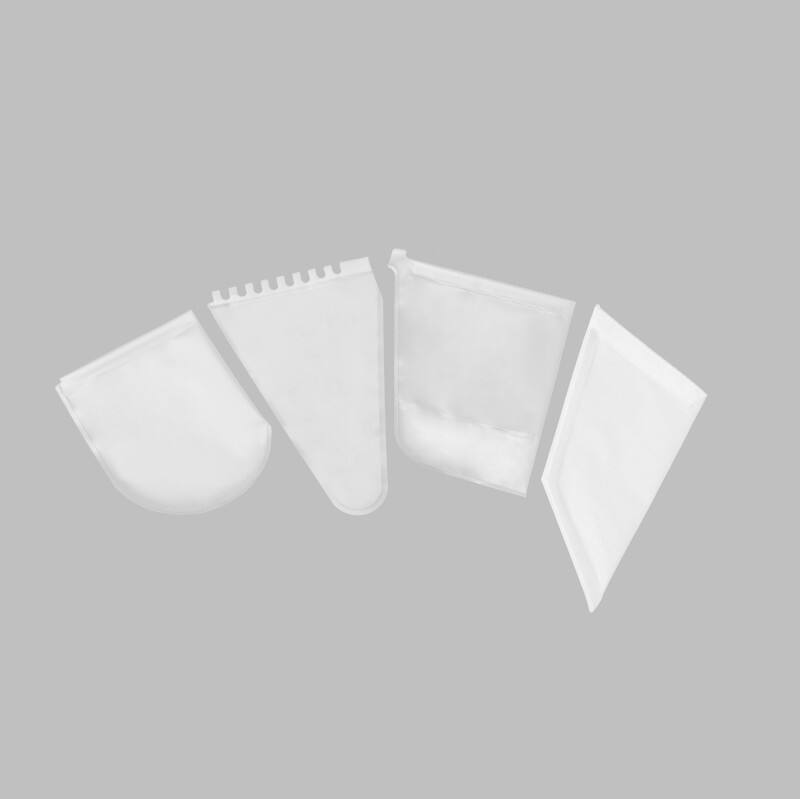
Flexibility is not simply a desirable feature in a tpu bag — it is a fundamental requirement that determines clinical outcomes. When surgeons need to retrieve organs, cysts, or tissue masses through narrow laparoscopic ports, a rigid or poorly conforming bag creates dangerous complications and procedural delays. Understanding why flexibility matters so deeply helps surgical teams make informed decisions when selecting retrieval systems for minimally invasive procedures.
The Role of the TPU Bag in Laparoscopic Specimen Retrieval
What the TPU Bag Is Designed to Do
A tpu bag, made from thermoplastic polyurethane film, is used in laparoscopic surgery to enclose and retrieve excised specimens — such as the gallbladder, appendix, ovarian cysts, or lymph nodes — through a small trocar port. The bag is introduced into the abdominal cavity in a compactly folded state, deployed inside the body cavity, loaded with the target tissue, and then withdrawn through a limited incision. Each of these steps demands a material that can adapt dynamically to changing shapes, sizes, and forces.
Thermoplastic polyurethane is selected for this application precisely because it offers a unique combination of mechanical flexibility, tensile strength, and biological compatibility. The tpu bag must maintain structural integrity under traction forces while simultaneously conforming to irregular anatomical geometries within the peritoneal cavity. Without adequate flexibility, none of these requirements can be satisfied simultaneously.
Surgeons depend on the bag not only to contain the specimen but also to facilitate controlled morcellation or intact extraction depending on the clinical protocol. A flexible tpu bag accommodates both approaches without tearing, leaking, or losing its seal — outcomes that are entirely dependent on the material's capacity to flex without failure.
Why TPU Is Chosen Over Other Materials
Compared to polyethylene or nylon-based retrieval bags, the tpu bag offers superior elastic recovery, meaning it returns to a stable shape after deformation rather than becoming permanently distorted. This is critical during deployment and loading stages when the bag is pushed, stretched, and manipulated inside a pressurized abdominal cavity. Polyethylene films may crack or crease under repeated bending, while TPU maintains its film integrity through multiple flexion cycles.
Additionally, TPU film exhibits excellent low-temperature flexibility, which is relevant in environments where instruments pass through cold irrigation fluid. The tpu bag remains pliable even under these conditions, ensuring consistent handling characteristics throughout the procedure. This reliability reduces cognitive load on the surgeon and minimizes unexpected equipment-related interruptions during critical surgical moments.
How Flexibility Directly Affects Surgical Performance
Deployment and Expansion Inside the Abdominal Cavity
Once a tpu bag is inserted through the trocar port, it must expand smoothly and fully inside the peritoneal space. A flexible bag unfolds predictably under gentle manipulation by laparoscopic instruments, allowing the surgeon to open the bag mouth and position it beneath the target organ with minimal effort. A stiff or poorly flexible bag tends to resist unfolding, requiring excessive instrument force and potentially displacing surrounding tissue structures.
The bag's flexibility also determines how easily the surgeon can maneuver it in three-dimensional space using tools that have limited degrees of freedom. In laparoscopic surgery, every instrument move is magnified and constrained by port geometry. A compliant, flexible tpu bag allows the surgeon to reposition and adjust the bag orientation using small, precise movements rather than requiring brute mechanical manipulation.
This adaptability during the deployment phase directly reduces operative time. Faster, smoother bag deployment means less time spent under pneumoperitoneum, which reduces physiological stress on the patient and decreases the risk of port-site complications from prolonged instrument use.
Specimen Loading and Containment Security
Loading an excised specimen into the tpu bag is one of the most technically demanding steps in laparoscopic retrieval. The surgeon must guide an irregularly shaped, often mobile tissue mass into the open bag mouth using only laparoscopic graspers. A flexible bag wall accommodates the specimen's shape passively, draping over and conforming to contours that no rigid container could match.
When a specimen pushes against the wall of a flexible tpu bag, the material yields slightly, preventing the sharp forces that might otherwise cause micropunctures or seal failures at stress concentration points. This elasticity is especially important when loading specimens with rough or irregular surfaces, such as calcified gallstones or fibrotic tissue masses. A stiff bag would concentrate stress at corners and seams, creating failure points that compromise the containment integrity of the entire retrieval system.
Secure containment is a patient safety matter, not merely a convenience factor. If the tpu bag fails during loading or extraction, malignant cells or infected material can spill into the peritoneal cavity, potentially leading to tumor seeding or infectious complications. Flexibility is therefore directly linked to containment reliability and clinical safety outcomes.
Flexibility During the Extraction Phase
Passing Through Narrow Trocar Ports
The extraction phase places the most extreme mechanical demands on the tpu bag. The loaded bag, now containing a specimen that may be larger than the port diameter, must be drawn through a small fascial incision — often 10 to 15 millimeters wide. This requires the bag material to compress tightly around the specimen, elongate under traction, and slide through the port channel without tearing.
A flexible tpu bag accomplishes this through a combination of elastic elongation and lateral compression. As the surgeon applies axial traction, the bag stretches longitudinally while narrowing in cross-section, essentially wrapping the specimen in a tightly conforming film layer that can navigate the geometric constraints of the port. Rigid or low-flexibility bag materials cannot achieve this adaptive compression and are far more likely to snag, tear, or require port extension.
Port extension to accommodate a non-compliant bag increases incision trauma, prolongs recovery time, and negates some of the fundamental advantages of laparoscopic surgery. Investing in a high-flexibility tpu bag is therefore a practical decision that preserves the minimally invasive nature of the entire procedure.
Reducing Extraction Force and Patient Trauma
When the tpu bag is flexible enough to deform and compress, the force required to extract the loaded specimen is significantly lower than with a rigid alternative. Lower extraction force means less fascial stretching, reduced risk of incision tearing, and a more controlled withdrawal process. The surgeon maintains better tactile feedback throughout extraction, which is essential for preventing inadvertent bag rupture at a critical moment.
From the patient's perspective, lower extraction forces translate directly into reduced soft tissue trauma, less postoperative pain at the port site, and faster recovery. These outcomes are especially significant in same-day surgery settings where rapid patient discharge is a clinical and operational priority. The flexibility of the tpu bag thus has measurable downstream effects on patient satisfaction and healthcare resource utilization.
Flexibility and Instrument Compatibility in Laparoscopic Settings
Interaction with Laparoscopic Graspers and Instruments
During a laparoscopic procedure, the tpu bag is handled exclusively through instruments — graspers, dissectors, and occasionally needle drivers — that exert highly localized forces on small areas of the bag material. Flexibility ensures that these instrument interactions do not create stress risers or localized thinning in the bag wall. A compliant material distributes instrument-applied loads across a broader film area, preserving uniform wall thickness and preventing focal weak spots.
Rigid bag films, by contrast, are susceptible to cracking or pinhole formation at grasper contact points, particularly after repeated repositioning of instruments. The tpu bag material's ability to flex back after each instrument interaction is what allows surgeons to reposition graspers multiple times without degrading the bag's structural integrity.
This compatibility with standard laparoscopic instruments also means that surgical teams do not need to adopt specialized handling techniques or purchase additional equipment to work with a flexible tpu bag. The integration into existing instrument workflows is seamless, which lowers the training burden and speeds up adoption across surgical departments.
Performance in Pneumoperitoneum Conditions
Laparoscopic procedures are performed under pneumoperitoneum — a state where the abdominal cavity is inflated with carbon dioxide gas to create working space. This pressurized environment adds unique stresses to every instrument and accessory used inside the cavity, including the tpu bag. A flexible bag material maintains its handling characteristics under intra-abdominal pressure variations that occur during patient repositioning or instrument exchanges.
Pressure-induced distension of the abdominal wall can alter the effective space available for bag manipulation. A flexible tpu bag adapts to these dynamic geometric changes without becoming taut or difficult to reposition. Surgeons working in this environment report that high-flexibility retrieval bags reduce the number of corrective maneuvers needed during the retrieval sequence, contributing to smoother procedural flow and less fatigue for the operating team.
Clinical and Operational Value of Flexibility in TPU Bag Selection
Impact on Complication Rates and Surgical Outcomes
Clinical literature on laparoscopic retrieval consistently identifies bag failure — including rupture, seal compromise, and difficulty with extraction — as a meaningful contributor to intraoperative complications. The root cause of many of these failures traces back to inadequate material flexibility. A high-quality tpu bag with well-engineered flexibility characteristics significantly reduces the incidence of intraoperative bag-related complications.
For oncological laparoscopic procedures, this is particularly critical. Inadvertent specimen spillage during retrieval of potentially malignant tissue can lead to peritoneal seeding and substantially worsen patient prognosis. The flexibility of the tpu bag is therefore not a secondary engineering consideration — it is directly tied to oncological safety and long-term patient outcomes.
Procurement Considerations for Surgical Facilities
When surgical procurement teams evaluate retrieval bag options, flexibility should be weighted as a primary performance criterion alongside sterility, biocompatibility, and size range. A tpu bag that meets clinical flexibility standards reduces instrument-related adverse events, shortens average procedure times, and minimizes the likelihood of costly complications that require additional interventions.
Standardizing on a flexible, clinically validated tpu bag across a surgical department also simplifies staff training and reduces variability in procedural outcomes. When every surgeon on a team uses the same high-flexibility retrieval system, institutional benchmarks for procedure time and complication rates become more predictable and easier to improve upon systematically.
In value-based healthcare environments, where reimbursement increasingly ties to outcomes rather than procedure volume, the quality of individual components like the tpu bag has a measurable influence on the financial performance of surgical programs. Flexibility is therefore both a clinical and an economic investment.
FAQ
What makes TPU a better material for retrieval bags compared to standard polyethylene?
Thermoplastic polyurethane offers superior elastic recovery, puncture resistance, and flexibility at low temperatures compared to standard polyethylene films. A tpu bag made from TPU can flex repeatedly without developing cracks or permanent deformation, which is essential for the multi-step mechanical demands of laparoscopic specimen retrieval. This makes TPU the preferred material for retrieval bags used in demanding minimally invasive procedures.
Can lack of flexibility in a retrieval bag cause surgical complications?
Yes. A tpu bag that lacks adequate flexibility is more prone to tearing during extraction, seal failure during specimen loading, and difficulty in deployment inside the peritoneal cavity. These failures can lead to specimen spillage, port-site contamination, and extended operative time. In oncological cases, bag failure during retrieval of malignant tissue can have serious long-term consequences for the patient's prognosis.
How does flexibility in the tpu bag affect the size of the incision required?
A highly flexible tpu bag can compress and elongate around the specimen during extraction, allowing passage through a smaller port incision. This preserves the minimally invasive character of the procedure. A less flexible bag resists this adaptive compression, often requiring the surgeon to extend the port incision to accommodate the loaded bag, which increases trauma and recovery time for the patient.
Is flexibility the only important property of a tpu bag for laparoscopic use?
Flexibility is arguably the most operationally critical property, but it works in concert with other characteristics such as tensile strength, film uniformity, seal integrity, and biocompatibility. A well-designed tpu bag balances all of these properties — high flexibility without sacrificing tear resistance, and strong seals that remain intact under the mechanical stresses of both loading and extraction. Selecting a bag that optimizes all of these factors together is the foundation of safe, efficient laparoscopic specimen retrieval.
Table of Contents
- The Role of the TPU Bag in Laparoscopic Specimen Retrieval
- How Flexibility Directly Affects Surgical Performance
- Flexibility During the Extraction Phase
- Flexibility and Instrument Compatibility in Laparoscopic Settings
- Clinical and Operational Value of Flexibility in TPU Bag Selection
-
FAQ
- What makes TPU a better material for retrieval bags compared to standard polyethylene?
- Can lack of flexibility in a retrieval bag cause surgical complications?
- How does flexibility in the tpu bag affect the size of the incision required?
- Is flexibility the only important property of a tpu bag for laparoscopic use?