 EN
EN

In clinical and surgical environments, the integrity of a biological specimen can determine the accuracy of a diagnosis, the course of a treatment plan, and ultimately a patient's outcome. Every step in the specimen handling chain demands precision, containment, and traceability. The tpu bag has become a widely adopted solution in operating rooms and pathology departments precisely because it addresses the multifaceted risks associated with specimen transport, from contamination and leakage to mislabeling and mechanical damage. Understanding how this specialized containment device functions in a real clinical workflow reveals why it has earned a central role in modern surgical practice.
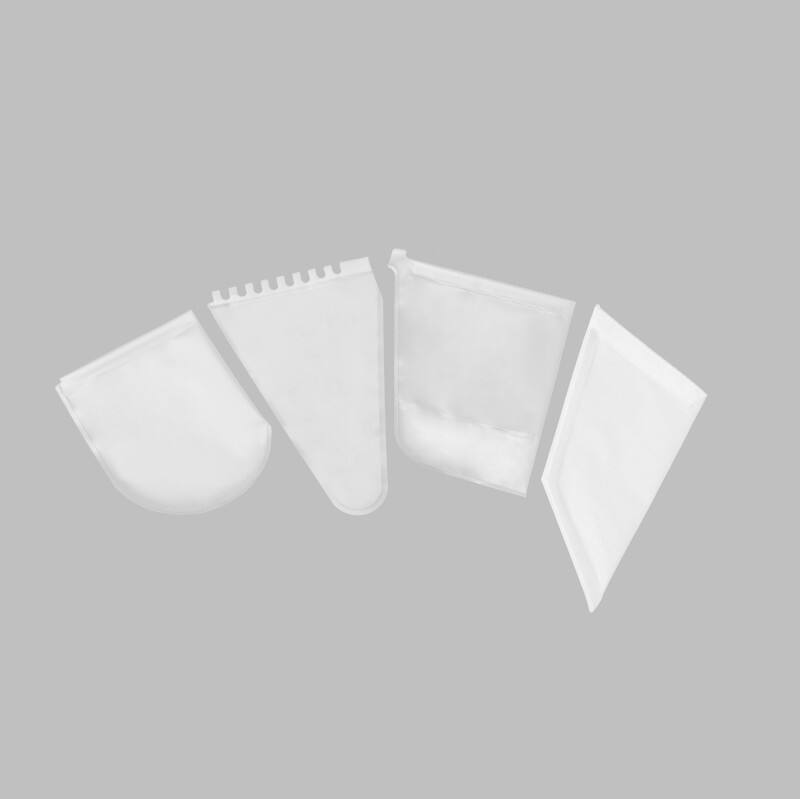
A tpu bag, constructed from thermoplastic polyurethane film, offers a distinctive combination of flexibility, chemical resistance, and mechanical durability that synthetic alternatives often cannot match. This material choice is not incidental — it reflects a deliberate engineering decision to meet the rigorous demands of biological containment in healthcare settings. Unlike standard polyethylene pouches, a well-designed tpu bag maintains its structural integrity when exposed to formalin, saline, and other fixative solutions routinely used in pathology specimen preparation. This article examines the precise mechanisms through which a tpu bag ensures secure, reliable handling of surgical specimens throughout the clinical workflow.
Material Properties That Define Specimen Security
Why Thermoplastic Polyurethane Matters in Specimen Containment
The foundation of any tpu bag's performance lies in the thermoplastic polyurethane material itself. TPU is an elastomeric polymer that combines the flexibility of rubber with the processability of thermoplastics, creating a film that can stretch without tearing and return to its original form under normal handling conditions. In a surgical specimen context, this elasticity is critically important because tissue samples, organs, and biopsy fragments vary enormously in size, shape, and surface texture. A rigid container may cause mechanical compression; a tpu bag conforms gently around the specimen while maintaining a sealed environment.
TPU also demonstrates excellent resistance to a wide range of chemicals commonly encountered in pathology workflows. Formalin fixation is standard practice for preserving excised tissue, and exposure to this chemical over extended periods can degrade lesser materials. A tpu bag resists chemical permeation and swelling, ensuring that fixative solutions remain contained and do not compromise the bag's outer surface or sealing mechanisms. This chemical resilience directly protects laboratory personnel from inadvertent exposure and preserves the evidentiary and diagnostic value of the specimen inside.
Furthermore, TPU film provides a degree of optical clarity that supports visual verification. Clinical staff can confirm specimen presence and approximate condition without opening the tpu bag, reducing unnecessary handling and the associated contamination risk. This transparency is a practical safety feature that underpins specimen chain-of-custody protocols in accredited pathology labs.
Seal Integrity and Leakage Prevention Mechanisms
One of the most critical performance requirements for any specimen containment solution is a reliable, leak-proof seal. A tpu bag typically incorporates a heat-sealed or press-lock closure mechanism engineered to maintain integrity under the mechanical stresses of transport and the chemical pressures of internal fluids. When a tissue sample is immersed in fixative and the tpu bag is sealed, internal pressure can increase slightly with temperature changes or agitation. A properly designed seal resists this pressure without delamination or failure.
Double-seal architectures are increasingly common in clinical-grade tpu bag products. This design provides a primary closure that contacts the specimen environment and a secondary outer closure that acts as a redundant safeguard against leakage. Should the primary seal experience stress during transit, the secondary seal contains any potential leakage before it can reach external surfaces or personnel. This layered approach to sealing reflects the clinical understanding that specimen bags must perform reliably even under non-ideal conditions, including rough transport, temperature fluctuations, and prolonged storage.
Leak testing protocols during manufacturing are an important quality assurance measure. A clinical-grade tpu bag is typically subjected to pressure tests and immersion trials before release to healthcare facilities. These tests validate that the seal construction meets defined performance thresholds under simulated transport and handling conditions, providing objective evidence that the product will perform as intended in a real operating room or pathology department setting.
Functional Design Features Supporting Clinical Workflow
Labeling and Traceability Integration in the Tpu Bag
Specimen misidentification is a recognized patient safety risk in surgical pathology, and the design of a tpu bag addresses this risk through dedicated labeling surfaces and identification zones. Most clinical tpu bag products include a white writing panel or adhesive label area positioned on the exterior where surgical technologists or scrub nurses can record essential specimen identification data — patient name, surgical site, date, time, and surgeon identifier — immediately following excision. This contemporaneous documentation practice is a core element of specimen traceability protocols required by accreditation bodies worldwide.
Some tpu bag formats are designed to accommodate barcode labels or RFID tags, enabling integration with laboratory information management systems. When a barcode is applied at the point of excision and scanned at each subsequent handling step, the specimen's chain of custody is digitally documented in real time. This capability reduces reliance on handwritten records and minimizes the transcription errors that have historically contributed to specimen mislabeling events. The tpu bag thus becomes not merely a physical container but an active component in a broader specimen management system.
The placement of the labeling zone on the tpu bag is a deliberate ergonomic decision. It should be positioned so that information remains visible when the bag is stored in a specimen transport container, allowing pathology staff to identify samples without disturbing the arrangement. Well-designed labeling integration on a tpu bag supports the operational efficiency of busy surgical pathology workflows without compromising the containment function of the device.
Ergonomic Opening and Closing Mechanisms for Sterile Field Use
In an active surgical environment, a specimen containment device must be operable with gloved hands, under time pressure, and without introducing contamination to the sterile field. A tpu bag engineered for surgical use incorporates opening mechanisms that accommodate these constraints. Wide-mouth openings with reinforced rims, pull-tab seals, and intuitive press-close systems are design elements that enable one-handed or two-handed operation under realistic intraoperative conditions.
The size range available in clinical tpu bag products reflects the diversity of surgical procedures and specimen types encountered in a modern hospital. Small-format bags accommodate needle biopsy cores and polyp fragments, while larger formats are designed for organ specimens or bulky tissue excisions. Having the correct size readily available reduces improvised handling — a situation where staff might use an ill-fitting container, increasing the risk of damage or contamination during transfer to the tpu bag.
Some tpu bag designs incorporate an internal fixative compartment or are pre-loaded with formalin solution, further streamlining the intraoperative workflow. Surgeons or scrub technologists can place a fresh specimen directly into the fixative-containing tpu bag without requiring a separate dispensing step, reducing handling time and minimizing the period during which the specimen is outside a contained environment. This integration of containment and preservation into a single device represents a meaningful workflow improvement in high-volume surgical centers.
Biological Safety and Infection Control Considerations
Protecting Clinical Personnel from Biohazard Exposure
Surgical specimens represent a biological hazard. Blood, lymphatic fluid, and tissue components may harbor infectious agents including bloodborne pathogens. A tpu bag provides a primary physical barrier between the specimen and the hands, clothing, and mucous membranes of all personnel who handle it after excision. The material's puncture resistance is particularly relevant here: sharp bone fragments, calcified tissue, or instrument artifacts within a specimen could penetrate a thin polyethylene pouch, whereas the greater tear resistance of thermoplastic polyurethane provides a measurable safety margin.
Standard precautions in healthcare require that all blood and body fluid specimens be treated as potentially infectious, regardless of the patient's known status. A tpu bag supports this precautionary framework by providing a reliable, visible biohazard containment solution that reduces the need for additional secondary packaging in many transport scenarios. When clinical staff can visually confirm that a tpu bag is sealed and intact, they can handle it with appropriate gloves and standard precautions without requiring additional protective measures beyond those already in use.
Disposal of a used tpu bag after pathological examination also falls under regulated medical waste management protocols. Because the tpu bag is a disposable, single-use device, it is discarded with the residual specimen material following analysis, eliminating the decontamination burden associated with reusable containers. This single-use approach aligns with contemporary infection control guidelines and reduces the labor cost and contamination risk associated with cleaning and sterilizing reusable specimen jars in high-throughput pathology departments.
Maintaining Specimen Quality for Accurate Pathological Analysis
Beyond personnel safety, a tpu bag protects the diagnostic quality of the specimen itself. Tissue autolysis begins immediately after excision, and the rate of degradation is influenced by temperature, exposure to air, and mechanical trauma. A sealed tpu bag minimizes oxygen exposure within the containment environment, slowing autolytic processes until the specimen can be processed by the pathology laboratory. When the bag is pre-loaded with or used in combination with appropriate fixative, the specimen is stabilized at the earliest possible point in the handling chain.
Mechanical protection is equally important. A tpu bag's flexible walls cushion the specimen from impact during transport, reducing the risk of fragmentation in friable tissue samples. For specimens where architectural integrity is critical to histological interpretation — such as core needle biopsies or resection margins — this cushioning effect can be the difference between a diagnostically adequate sample and one that requires repeat excision. The clinical implications of specimen quality are direct: accurate pathological diagnosis depends on receiving an intact, well-preserved sample, and the tpu bag is the first line of defense in achieving that goal.
Moisture retention is another dimension of specimen quality that a tpu bag manages effectively. The impermeability of TPU film prevents evaporative drying of fresh specimens during transit, which is particularly important in cases where fixation is delayed or where frozen section analysis is planned. Maintaining tissue hydration preserves cellular morphology and staining characteristics, supporting the pathologist's ability to render an accurate diagnosis from the submitted material.
Regulatory Compliance and Quality Standards
Medical Device Classification and Regulatory Expectations
A tpu bag used for surgical specimen containment is generally classified as a medical device in most regulatory frameworks. This classification means that manufacturers are required to demonstrate biocompatibility of the materials used, validate the performance of sealing mechanisms, and maintain quality management systems that ensure product consistency across production batches. For healthcare procurement professionals, understanding the regulatory status of a tpu bag product is an important element of supplier qualification.
Biocompatibility testing for a tpu bag typically follows internationally recognized standards that evaluate cytotoxicity, sensitization potential, and systemic toxicity of the materials in contact with biological specimens and potentially with patient tissue. A tpu bag that has undergone documented biocompatibility evaluation provides healthcare facilities with objective assurance that the product will not introduce chemical contaminants to the specimen or create health risks for laboratory personnel who handle it routinely.
Sterilization compatibility is another regulatory consideration. Some clinical protocols require that the tpu bag itself be sterile at the point of use, particularly when the bag will be introduced into or near the sterile field during intraoperative specimen collection. Manufacturers of clinical-grade tpu bag products must validate that their chosen sterilization method — typically ethylene oxide or gamma irradiation — does not compromise the mechanical or chemical properties of the TPU film or affect the integrity of the bag's closure system.
Institutional Procurement and Quality Assurance Practices
Hospitals and surgical centers selecting a tpu bag supplier typically evaluate products against a defined set of performance criteria including seal strength, material thickness, chemical resistance, labeling surface quality, and package sterility. Standardizing on a validated tpu bag product across a hospital system reduces variability in specimen handling outcomes and simplifies staff training, as personnel working in different departments or shifts encounter consistent equipment and workflow expectations.
Post-market surveillance is an ongoing obligation for institutions using medical devices, including specimen containment products. Tracking incidents involving tpu bag failures — such as seal failures, labeling adhesion problems, or material tears — provides quality improvement data that can inform procurement decisions and supplier performance evaluations. A culture of specimen handling quality that includes monitoring tpu bag performance contributes to the broader patient safety framework within a healthcare organization.
Clinical staff education is equally essential. Even a high-performing tpu bag will not deliver its intended safety benefits if it is used incorrectly — for example, if seals are not fully engaged, if the bag is overfilled beyond its designed capacity, or if labeling is applied in ways that obscure critical identification information. Training programs that include hands-on demonstration of correct tpu bag usage help ensure that the product's engineering is translated into reliable clinical practice.
FAQ
What makes a tpu bag more suitable for surgical specimens than a standard polyethylene pouch?
A tpu bag offers superior chemical resistance to fixatives like formalin, greater puncture and tear resistance for samples with irregular or sharp surfaces, and better seal integrity under the pressure and temperature variations encountered during specimen transport. These properties make it a more reliable containment solution in clinical settings compared to standard polyethylene alternatives.
Can a tpu bag be used with all types of fixative solutions commonly used in pathology?
Thermoplastic polyurethane demonstrates broad chemical compatibility with fixatives including formalin, neutral buffered formalin, alcohol-based solutions, and saline. However, procurement teams should verify specific chemical compatibility data from the manufacturer for any unusual or concentrated fixative solutions used in specialized pathology applications.
How should clinical staff verify that a tpu bag seal is adequate before transport?
After closing the tpu bag, staff should visually inspect the entire seal length for gaps, partial engagement, or visible fluid tracks. A gentle manual press along the seal confirms full closure for press-lock mechanisms. Any tpu bag showing signs of incomplete sealing or physical damage should be replaced with a new bag, and the specimen should be transferred carefully with appropriate protective equipment.
Is a tpu bag considered a single-use medical device, and how should it be disposed of after pathological analysis?
Yes, a clinical-grade tpu bag is a single-use device and should be disposed of as regulated medical or biohazardous waste following pathological examination of the enclosed specimen. It should not be cleaned and reused. Disposal must comply with the institution's infection control policies and applicable local regulations governing biological waste management.
Table of Contents
- Material Properties That Define Specimen Security
- Functional Design Features Supporting Clinical Workflow
- Biological Safety and Infection Control Considerations
- Regulatory Compliance and Quality Standards
-
FAQ
- What makes a tpu bag more suitable for surgical specimens than a standard polyethylene pouch?
- Can a tpu bag be used with all types of fixative solutions commonly used in pathology?
- How should clinical staff verify that a tpu bag seal is adequate before transport?
- Is a tpu bag considered a single-use medical device, and how should it be disposed of after pathological analysis?