 EN
EN

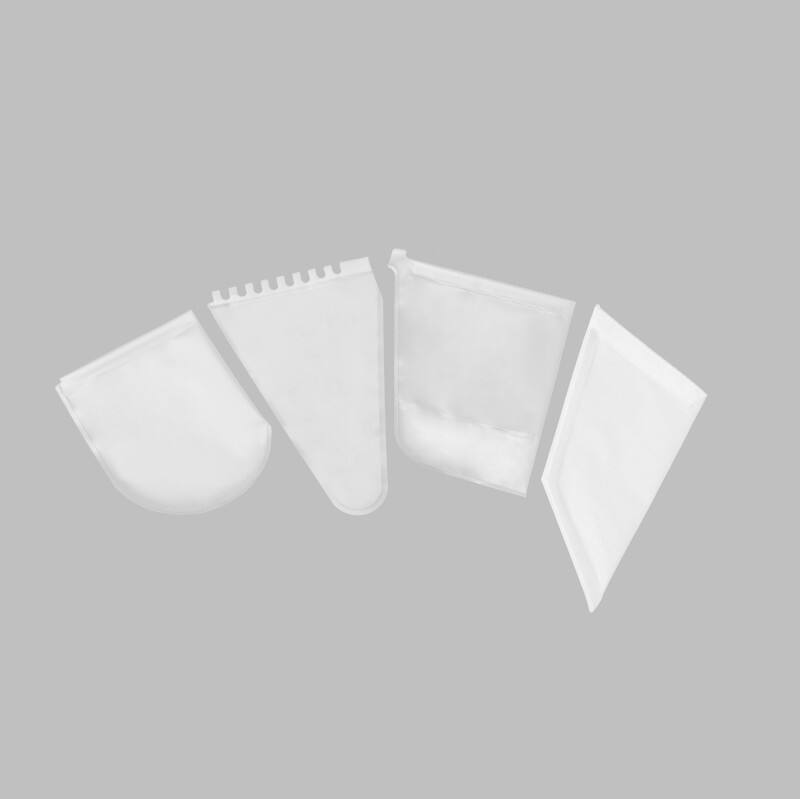
In surgical environments, the materials used in every instrument and accessory are held to an exceptionally high standard. A tpu bag used during minimally invasive procedures must endure mechanical stress, fluid exposure, and precise manipulation without compromising its structural integrity. Understanding how material strength directly influences the durability of a tpu bag is essential for surgical teams, procurement specialists, and medical device engineers who depend on reliable performance in the operating room.
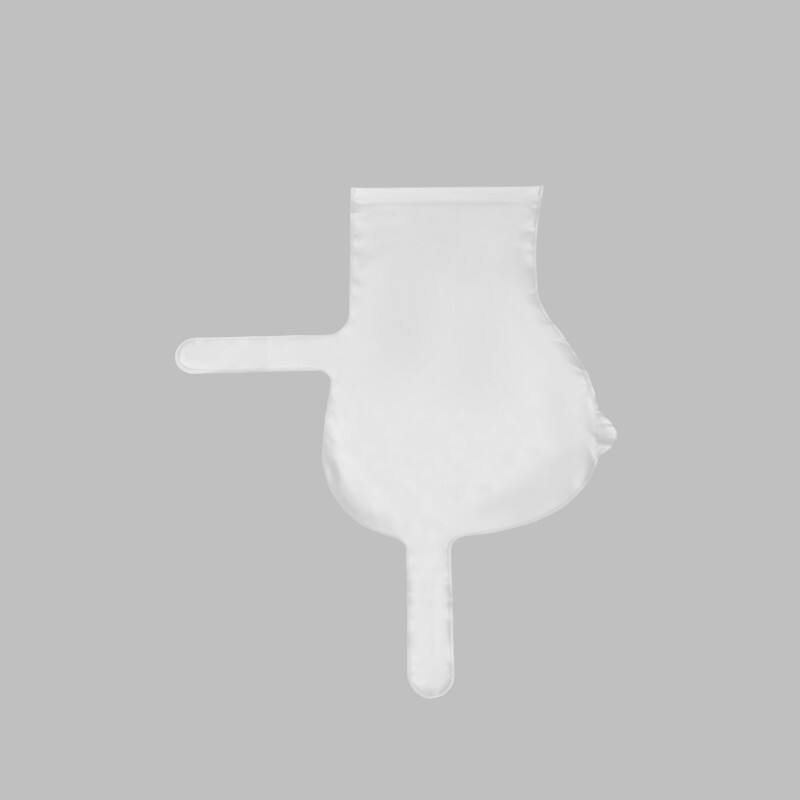
Thermoplastic polyurethane, the base polymer behind every tpu bag, is selected precisely because it combines flexibility with tensile resilience. However, not all TPU formulations deliver the same mechanical performance. The specific grade, thickness, processing method, and structural design of a tpu bag each play a measurable role in determining how long it holds up under the demanding conditions of laparoscopic and endoscopic surgery. This article examines the relationship between material strength and surgical durability in depth, giving clinicians and procurement teams the technical context they need to make informed decisions.
The Mechanical Properties That Define a Durable TPU Bag
Tensile Strength and Its Role in Bag Integrity
Tensile strength refers to the maximum stress a material can withstand while being stretched before it breaks. For a tpu bag deployed inside a body cavity, tensile strength is one of the most critical mechanical parameters. During specimen retrieval, the bag is pulled, expanded, and sometimes twisted as the surgeon maneuvers tissue through a trocar port. A tpu bag with insufficient tensile strength may develop micro-tears or catastrophic ruptures under this load, leading to specimen spillage and potential contamination of the surgical field.
High-grade TPU formulations used in surgical-grade bags typically exhibit tensile strength values that allow the material to stretch significantly without permanent deformation or failure. This elasticity is not a weakness — it is a deliberate mechanical advantage. The material absorbs energy from sudden movements or instrument contact rather than transferring that stress into a tear. When evaluating a tpu bag for surgical use, tensile strength data from the manufacturer provides a direct indicator of how the bag will behave under real procedural loads.
It is also important to consider that tensile strength is directional. A tpu bag may perform differently when stress is applied longitudinally versus laterally. Surgical-grade designs account for this by engineering the bag geometry and seam placement to distribute stress evenly, ensuring that no single point becomes a failure zone during use.
Tear Resistance and Puncture Durability
Tear resistance is distinct from tensile strength and equally important for a tpu bag used in surgery. While tensile strength measures resistance to stretching, tear resistance measures how well the material resists the propagation of an existing nick or cut. In a surgical context, instruments such as graspers, scissors, and trocars can create small surface defects in the bag material. If the TPU formulation has low tear resistance, a minor nick can rapidly propagate into a full tear under continued mechanical stress.
High tear resistance in a tpu bag is achieved through the molecular architecture of the polyurethane chain. Longer polymer chains with higher molecular weight tend to resist tear propagation more effectively because more energy is required to break the intermolecular bonds. Manufacturers who optimize their TPU formulations for surgical applications specifically target this property to ensure that even if the bag surface is contacted by a sharp instrument, the damage remains localized and does not compromise the bag's containment function.
Puncture resistance is a related but separate concern. A tpu bag must resist perforation from bone fragments, calcified tissue, or sharp specimen edges during retrieval. The combination of adequate wall thickness and a high-performance TPU grade is the primary engineering solution to this challenge. Thicker walls increase puncture resistance but must be balanced against the need for the bag to remain flexible enough for easy deployment and retrieval through a small port.
How Material Strength Translates to Surgical Performance
Maintaining Containment Under Procedural Stress
The primary function of a tpu bag in surgery is containment — keeping the specimen isolated from the surrounding tissue and body cavity until it can be safely extracted. Material strength is the foundation of this containment function. A tpu bag that loses structural integrity mid-procedure creates immediate clinical risks, including specimen fragmentation, fluid leakage, and potential seeding of malignant cells in oncological cases. The mechanical durability of the bag material is therefore not merely a product quality metric but a direct patient safety consideration.
During laparoscopic procedures, the tpu bag is subjected to repeated cycles of inflation, compression, and traction. Each cycle imposes stress on the material, and over the duration of a procedure, cumulative fatigue can weaken areas that were initially intact. A tpu bag manufactured from a high-strength TPU grade with good fatigue resistance maintains its mechanical properties across these repeated stress cycles, ensuring that containment is preserved from the moment of deployment through final extraction.
Surgeons also apply morcellation or tissue fragmentation techniques inside the bag in some procedures. This subjects the bag interior to abrasive contact and localized pressure spikes. Material strength in this context means the tpu bag must resist abrasion as well as tensile and tear forces, requiring a well-rounded mechanical profile rather than optimization for a single property.
Flexibility Versus Strength: Finding the Right Balance
One of the defining engineering challenges in designing a surgical tpu bag is balancing flexibility with strength. A bag that is too rigid cannot be deployed through a narrow trocar port or conform to irregular specimen shapes. A bag that is too soft may lack the structural resistance needed to contain dense or sharp specimens. TPU as a material class is uniquely suited to this challenge because its mechanical properties can be tuned across a wide range by adjusting the ratio of hard and soft segments in the polymer chain.
The hard segments in TPU provide stiffness and tensile strength, while the soft segments provide elasticity and flexibility. By controlling the ratio and molecular weight of these segments, manufacturers can produce a tpu bag that is supple enough to fold compactly for trocar insertion yet strong enough to resist tearing under specimen load. This tunability is one of the primary reasons TPU has become the material of choice for high-performance surgical retrieval bags.
From a clinical perspective, the balance between flexibility and strength affects how the tpu bag handles during the procedure. A well-balanced bag opens smoothly, conforms to the specimen without resistance, and closes securely without requiring excessive force. These handling characteristics are direct expressions of the underlying material strength profile and contribute significantly to procedural efficiency and safety.
The Impact of Manufacturing Quality on Material Strength
Film Thickness Consistency and Structural Uniformity
Even the highest-grade TPU formulation will underperform if the manufacturing process introduces inconsistencies in film thickness or structural uniformity. A tpu bag with uneven wall thickness has localized weak points where stress concentrates during use. These thin spots are the most likely locations for tear initiation and puncture failure. Consistent film thickness across the entire bag surface is therefore a manufacturing quality requirement that directly determines the realized durability of the finished product.
Advanced film extrusion and casting processes used by quality-focused manufacturers maintain tight tolerances on wall thickness, ensuring that the mechanical properties of the TPU material are uniformly expressed across the bag. Quality control protocols including optical inspection, thickness measurement, and mechanical testing of finished bags are essential to verifying that manufacturing consistency meets the design specification. A tpu bag that passes rigorous quality control is one where the material strength of the TPU is fully realized in the final product.
Seam integrity is another manufacturing factor with direct implications for durability. The seams of a tpu bag — where separate film sections are joined — are inherently potential weak points. High-frequency welding or thermal bonding techniques that create seams with strength approaching that of the base material are the industry standard for surgical-grade bags. Poorly bonded seams can delaminate under stress even when the bag film itself is strong, so seam quality is inseparable from overall bag durability.
Sterilization Compatibility and Long-Term Material Stability
Surgical devices including the tpu bag must undergo sterilization before use, and the sterilization process itself can affect material strength if the TPU formulation is not compatible with the chosen method. Ethylene oxide sterilization, gamma irradiation, and electron beam sterilization each interact with polymer chains differently. Some TPU grades experience chain scission or cross-linking under irradiation, which can reduce tensile strength or increase brittleness. Selecting a TPU formulation that maintains its mechanical properties through the required sterilization cycle is a critical design consideration.
Long-term storage stability is also relevant to material strength. A tpu bag stored for extended periods must retain its mechanical properties until the point of use. TPU formulations with good hydrolytic stability and resistance to oxidative degradation maintain their strength over the product shelf life. Manufacturers who validate shelf-life stability through accelerated aging studies provide procurement teams with confidence that the tpu bag will perform as specified regardless of when it is used within its labeled expiration period.
Fluid exposure during surgery is another stability consideration. Body fluids, irrigation solutions, and blood contact can affect some polymer materials over the duration of a procedure. High-quality TPU used in a surgical tpu bag is formulated to resist fluid absorption and maintain its mechanical properties throughout the procedure, ensuring that the bag does not weaken progressively as the surgery proceeds.
Clinical Implications of Material Strength Choices
Risk Reduction in Oncological and Complex Procedures
In oncological laparoscopic surgery, the consequences of a tpu bag failure are particularly severe. Rupture of the bag during specimen retrieval can result in tumor cell dissemination within the peritoneal cavity, a complication with serious implications for patient prognosis. The material strength of the tpu bag is therefore a direct contributor to oncological safety. Surgeons performing procedures such as laparoscopic nephrectomy, colectomy, or ovarian cystectomy rely on the bag's mechanical integrity to maintain the sterile containment barrier throughout the extraction process.
High-strength TPU bags designed for oncological applications are typically engineered with additional safety margins in tensile and tear resistance to account for the unpredictable nature of tumor tissue, which may be dense, irregular, or calcified. The material specification for these bags reflects a deliberate risk-reduction strategy, where the cost of a stronger material is justified by the clinical consequences of bag failure. Procurement decisions in oncology departments should therefore prioritize material strength data alongside other product specifications.
Beyond oncology, complex procedures involving large or dense specimens — such as fibroid removal or splenectomy — also place exceptional demands on the tpu bag. The weight and volume of the specimen create sustained tensile loads on the bag during extraction, and the irregular surface of some specimens increases puncture risk. Material strength in these contexts is not a secondary consideration but a primary determinant of whether the procedure can be completed safely and efficiently.
Surgeon Confidence and Procedural Efficiency
The mechanical reliability of a tpu bag has a direct effect on surgeon confidence and procedural efficiency. When a surgical team trusts that the bag will maintain its integrity under the stresses of the procedure, they can focus entirely on the surgical task rather than monitoring the bag for signs of failure. This confidence is built through consistent product performance, which in turn is built on consistent material strength and manufacturing quality.
Conversely, a tpu bag with questionable material strength introduces cognitive load and procedural caution that can slow the operation and increase fatigue for the surgical team. In high-volume surgical centers where efficiency is a clinical and economic priority, the reliability of every instrument and accessory — including the tpu bag — contributes to overall procedural throughput. Investing in a tpu bag with verified material strength is therefore a decision that pays dividends in both safety and operational efficiency.
Feedback from surgical teams about bag handling, deployment ease, and resistance to failure during use is a valuable source of real-world performance data that complements laboratory mechanical testing. Manufacturers who actively collect and respond to this clinical feedback are better positioned to refine their TPU formulations and bag designs to meet the evolving demands of modern minimally invasive surgery.
FAQ
What makes TPU a preferred material for surgical retrieval bags compared to other polymers?
TPU offers a unique combination of high tensile strength, tear resistance, flexibility, and biocompatibility that most other polymers cannot match simultaneously. Materials like polyethylene or nylon may offer strength but lack the elasticity needed for smooth deployment through narrow ports. TPU's tunable hard-soft segment ratio allows manufacturers to engineer a tpu bag that is both strong enough to contain dense specimens and flexible enough for minimally invasive use, making it the material of choice for high-performance surgical retrieval applications.
How does wall thickness affect the durability of a tpu bag during surgery?
Wall thickness directly influences puncture resistance and tear propagation resistance in a tpu bag. Thicker walls provide more material for stress to distribute across before a failure point is reached, reducing the risk of perforation from sharp specimen edges or instrument contact. However, excessive thickness reduces flexibility and makes the bag harder to deploy and retrieve through small trocar ports. The optimal wall thickness for a surgical tpu bag represents a carefully engineered balance between mechanical protection and clinical usability, validated through both laboratory testing and procedural feedback.
Can sterilization processes reduce the material strength of a tpu bag?
Yes, certain sterilization methods can affect the mechanical properties of TPU if the formulation is not specifically selected for compatibility with that method. Gamma irradiation and electron beam sterilization can cause chain scission in some TPU grades, reducing tensile strength and increasing brittleness. Reputable manufacturers select TPU formulations that have been validated for stability through the specific sterilization process used, and they conduct post-sterilization mechanical testing to confirm that the tpu bag retains its specified strength properties after processing.
How should procurement teams evaluate material strength when selecting a tpu bag for surgical use?
Procurement teams should request technical data sheets that include tensile strength, elongation at break, tear resistance, and puncture resistance values for the specific tpu bag under consideration. These values should be compared against the mechanical demands of the intended procedures, with higher-risk applications such as oncological surgery requiring higher safety margins. Additionally, teams should ask for evidence of post-sterilization mechanical testing, shelf-life stability validation, and quality control protocols for film thickness consistency. Clinical references and surgeon feedback from comparable procedural settings provide complementary real-world performance evidence that supports data-driven procurement decisions.
Table of Contents
- The Mechanical Properties That Define a Durable TPU Bag
- How Material Strength Translates to Surgical Performance
- The Impact of Manufacturing Quality on Material Strength
- Clinical Implications of Material Strength Choices
-
FAQ
- What makes TPU a preferred material for surgical retrieval bags compared to other polymers?
- How does wall thickness affect the durability of a tpu bag during surgery?
- Can sterilization processes reduce the material strength of a tpu bag?
- How should procurement teams evaluate material strength when selecting a tpu bag for surgical use?