 EN
EN

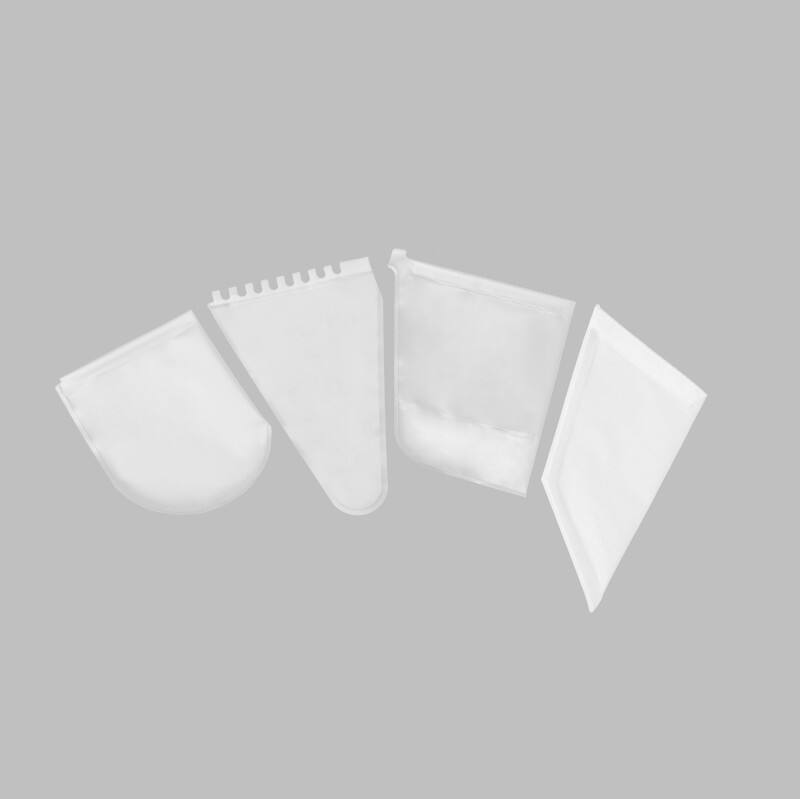
In minimally invasive surgery, the tools used to contain and retrieve tissue specimens are just as critical as the instruments used to cut or dissect. A tpu bag system is one such tool, and its safety performance depends heavily on how it is designed rather than simply what material it is made from. Surgeons and procurement teams increasingly recognize that not all tpu bag products deliver the same level of intraoperative protection, and the differences almost always trace back to specific engineering and design decisions made during product development.
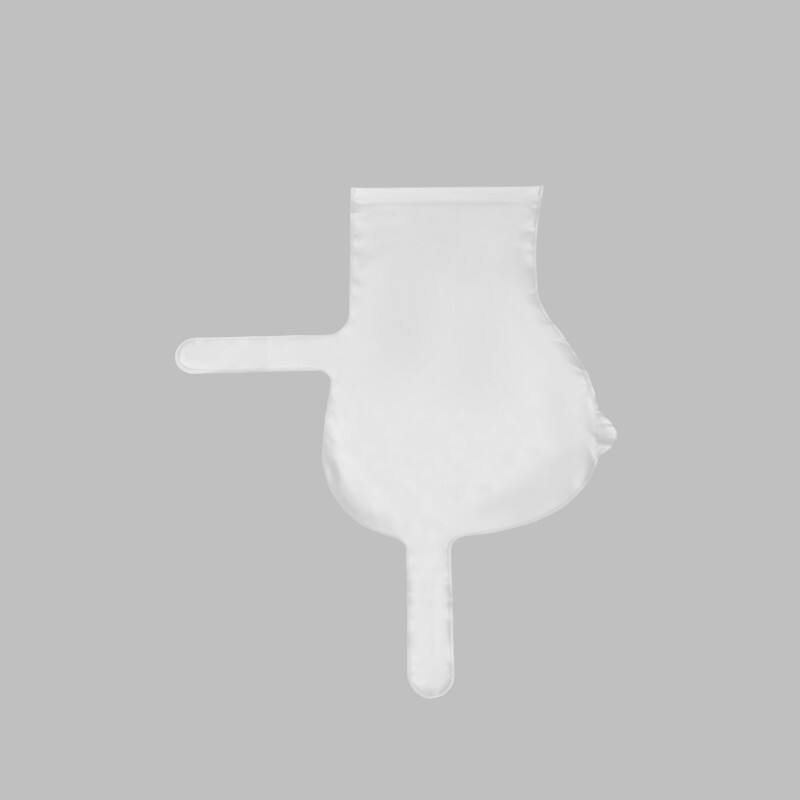
Understanding what design factors actually improve the safety performance of a tpu bag system helps clinical teams make better purchasing decisions, supports surgical planning, and ultimately reduces the risk of complications such as specimen spillage, bag rupture, or difficult retrieval. This article examines the key design dimensions that determine how safely and reliably a tpu bag performs across a range of laparoscopic and endoscopic procedures.
Material Properties and Film Construction
Thickness and Uniformity of the TPU Film
The foundational safety attribute of any tpu bag begins with the film itself. Thermoplastic polyurethane offers a favorable combination of flexibility, tensile strength, and chemical resistance, but these properties are only realized when the film is manufactured to a consistent thickness. Variations in wall thickness across the surface of a tpu bag create stress concentration points that can lead to micro-tears or full rupture under the mechanical loads encountered during specimen manipulation.
A well-designed tpu bag uses film that has been produced through a controlled extrusion or casting process, ensuring uniform gauge across the entire bag surface. This uniformity is especially important at the base and corners of the bag, where tensile forces are highest during specimen loading. Procurement specifications should include minimum thickness tolerances and require documentation of film uniformity testing as part of quality assurance.
Beyond thickness, the molecular orientation of the TPU film affects how the tpu bag responds to puncture and tear propagation. Films with balanced biaxial orientation resist tear propagation more effectively than those with a dominant machine-direction orientation, which can split along a single axis under stress. This distinction matters significantly when the bag contains sharp or irregular tissue fragments.
Transparency and Optical Clarity
Optical clarity is a safety-relevant design factor that is sometimes undervalued in tpu bag selection. When a surgeon can clearly visualize the specimen through the bag wall, they can better assess the position of the tissue, monitor for unexpected bleeding, and confirm complete containment before initiating morcellation or retrieval. A tpu bag with poor optical clarity forces the surgeon to work with reduced visual feedback, increasing the risk of inadvertent bag perforation or incomplete specimen capture.
High-clarity TPU formulations are available and should be specified for any tpu bag intended for use in procedures where visual monitoring of the contained specimen is clinically relevant. The clarity of the film should be maintained even after the bag has been folded, compressed into a delivery sheath, and re-expanded inside the body cavity, since some materials develop haze or micro-cracking during this process.
Closure and Sealing Mechanism Design
Drawstring and Cinch System Reliability
The closure mechanism of a tpu bag is one of the highest-risk design elements from a safety standpoint. If the closure fails during specimen manipulation, the consequences can include tissue spillage into the peritoneal cavity, which carries serious clinical implications in oncological procedures. The drawstring or cinch system must be designed to maintain a secure seal under the full range of forces applied during laparoscopic retrieval.
A robust tpu bag closure design incorporates a reinforced channel through which the drawstring passes, preventing the string from cutting through the bag material under tension. The drawstring material itself should have sufficient tensile strength to withstand repeated tightening without fraying or snapping. Some designs use a dual-string configuration that provides redundancy, so that if one string is compromised, the second maintains closure integrity.
The geometry of the bag opening also influences closure reliability. A tpu bag with a wide, evenly distributed opening perimeter allows the drawstring to cinch smoothly without creating folds or gaps that could compromise the seal. Designs that allow the opening to bunch unevenly under tension are more likely to leave small unsealed channels through which fluid or small tissue fragments could escape.
Seal Integrity at the Bag Base and Weld Zones
In addition to the closure at the opening, the structural integrity of the bag base and any weld or bond zones is critical to overall safety. A tpu bag is typically formed by welding or bonding two or more layers of film together, and the quality of these joints determines whether the bag can withstand the mechanical stresses of specimen loading without delamination or leakage.
Thermal welding of TPU film, when performed correctly, creates a bond that approaches the strength of the parent material. However, weld quality is sensitive to process parameters including temperature, pressure, and dwell time. A tpu bag produced with inadequate weld quality may appear intact during visual inspection but fail under the dynamic loads of surgical use. Design specifications should require peel strength testing of weld zones as a standard quality control measure.
The geometry of the weld zone also matters. Wide, overlapping weld margins distribute stress more effectively than narrow seams, reducing the likelihood of peel initiation at the weld edge. Some tpu bag designs incorporate a double-weld configuration at the base to provide an additional margin of safety against base failure during heavy specimen retrieval.
Deployment and Delivery System Design
Sheath Compatibility and Bag Deployment Reliability
A tpu bag that performs well in isolation may still create safety risks if its delivery system is poorly designed. The sheath through which the bag is introduced into the body cavity must be sized and shaped to allow smooth, controlled deployment without damaging the bag during insertion. If the bag is forced through a sheath that is too narrow or has sharp internal edges, micro-tears can be introduced before the bag is even opened, compromising its containment integrity from the outset.
Well-designed tpu bag delivery systems use sheaths with smooth internal surfaces and appropriately sized lumens that allow the folded bag to pass through without excessive friction or compression. The deployment mechanism should allow the surgeon to open the bag fully and position it correctly before loading the specimen, rather than requiring the bag to be manipulated into position after partial deployment.
Deployment reliability also depends on how the tpu bag is folded and packed within the sheath. A consistent, repeatable fold pattern ensures that the bag opens predictably and fully upon deployment. Inconsistent packing can result in partial deployment, where sections of the bag remain folded and reduce the effective volume available for specimen containment.
Bag Opening Diameter and Volume Capacity
The opening diameter and internal volume of a tpu bag must be matched to the intended clinical application. A bag that is too small for the target specimen forces the surgeon to apply excessive force during loading, increasing the risk of bag rupture or closure failure. Conversely, an oversized bag may be difficult to maneuver within the body cavity and may complicate the retrieval process.
Design teams developing a tpu bag system should conduct clinical use studies to establish the range of specimen sizes encountered in the target procedures and size the bag accordingly, with an appropriate safety margin. The relationship between bag volume and opening diameter should also be optimized so that the bag can be loaded efficiently without requiring the surgeon to stretch the opening beyond its designed range.
Ergonomics and Handling Safety
Instrument Compatibility and Grip Design
The safety of a tpu bag system is not limited to the bag itself. The instruments used to deploy, position, and retrieve the bag contribute significantly to the overall safety profile of the system. Handles and grips should be designed for secure, fatigue-resistant use during procedures that may last several minutes, and the mechanism for controlling the drawstring should allow precise, incremental tightening without the risk of sudden uncontrolled closure.
Instrument compatibility is another important consideration. A tpu bag system designed to work with standard laparoscopic graspers and introducers reduces the learning curve for surgical teams and minimizes the risk of handling errors that could compromise bag integrity. Systems that require proprietary instruments or non-standard techniques introduce additional complexity that can translate into safety risks in the operating room.
Color Coding and Visual Identification
Visual identification features, including color coding of components and clear labeling of size variants, contribute to safe use of a tpu bag system by reducing the risk of selecting the wrong bag size or misidentifying system components under the time pressure of a surgical procedure. A tpu bag system that uses consistent, intuitive color coding for different sizes allows scrub technicians and surgeons to quickly confirm they have the correct product before opening the sterile package.
Labeling should also clearly indicate the maximum specimen weight or volume for which the tpu bag has been validated, providing surgeons with a clear reference point for safe use. This information is particularly important in procedures where specimen size may be difficult to estimate preoperatively.
Sterilization Compatibility and Shelf Life Considerations
Sterilization Method and Material Stability
The sterilization process used for a tpu bag must be compatible with the TPU material and must not degrade the mechanical properties of the film or the integrity of the weld zones. Ethylene oxide sterilization is commonly used for TPU-based medical devices and is generally well-tolerated by the material, but the sterilization cycle parameters must be validated to ensure that residual EO levels are within safe limits and that the bag material is not adversely affected by the process.
Some tpu bag designs incorporate components made from materials other than TPU, such as nylon drawstrings or polypropylene handles, and the sterilization method must be validated for the complete assembly rather than individual components in isolation. Incompatibility between sterilization conditions and any component of the tpu bag system can result in material degradation that is not visible during inspection but manifests as reduced mechanical performance during use.
Packaging Integrity and Shelf Life Validation
The packaging of a tpu bag must maintain sterility and protect the bag from mechanical damage throughout its intended shelf life. Packaging validation should include accelerated aging studies that simulate the full shelf life under realistic storage conditions, followed by mechanical testing of the bag to confirm that its safety-relevant properties have not degraded over time.
A tpu bag that meets all performance specifications at the time of manufacture but degrades significantly over a two-year shelf life presents a real clinical risk, particularly in facilities that maintain large inventories. Shelf life claims should be supported by data rather than assumed based on material class alone.
FAQ
What makes TPU a preferred material for surgical retrieval bags?
TPU offers a combination of high tensile strength, flexibility, and chemical resistance that makes it well-suited for surgical containment applications. A tpu bag made from quality TPU film can withstand the mechanical stresses of specimen loading and retrieval while remaining flexible enough to be folded into a compact delivery sheath. Its optical clarity also supports intraoperative visualization, which contributes to safer specimen handling.
How does bag size selection affect safety in laparoscopic procedures?
Selecting the correct tpu bag size for the anticipated specimen is a direct safety consideration. An undersized bag forces the surgeon to apply excessive tension during loading, increasing the risk of rupture or closure failure. An oversized bag may be difficult to maneuver and retrieve. Matching bag volume and opening diameter to the expected specimen size, with an appropriate safety margin, is a fundamental step in safe tpu bag use.
Can the delivery system design affect the integrity of the bag before use?
Yes. If the sheath or delivery mechanism is poorly designed, it can introduce micro-tears or stress damage to the tpu bag during insertion, before the bag is even deployed. A well-designed delivery system uses smooth-bore sheaths sized appropriately for the folded bag and allows controlled, predictable deployment that preserves the bag's structural integrity from insertion through retrieval.
What quality checks should be expected from a tpu bag manufacturer?
Reputable manufacturers of a tpu bag system should provide documentation of film thickness uniformity testing, weld zone peel strength testing, closure mechanism tensile testing, sterilization validation, and shelf life aging studies. These quality checks collectively verify that the tpu bag will perform safely across its intended range of clinical applications and throughout its labeled shelf life.