 EN
EN

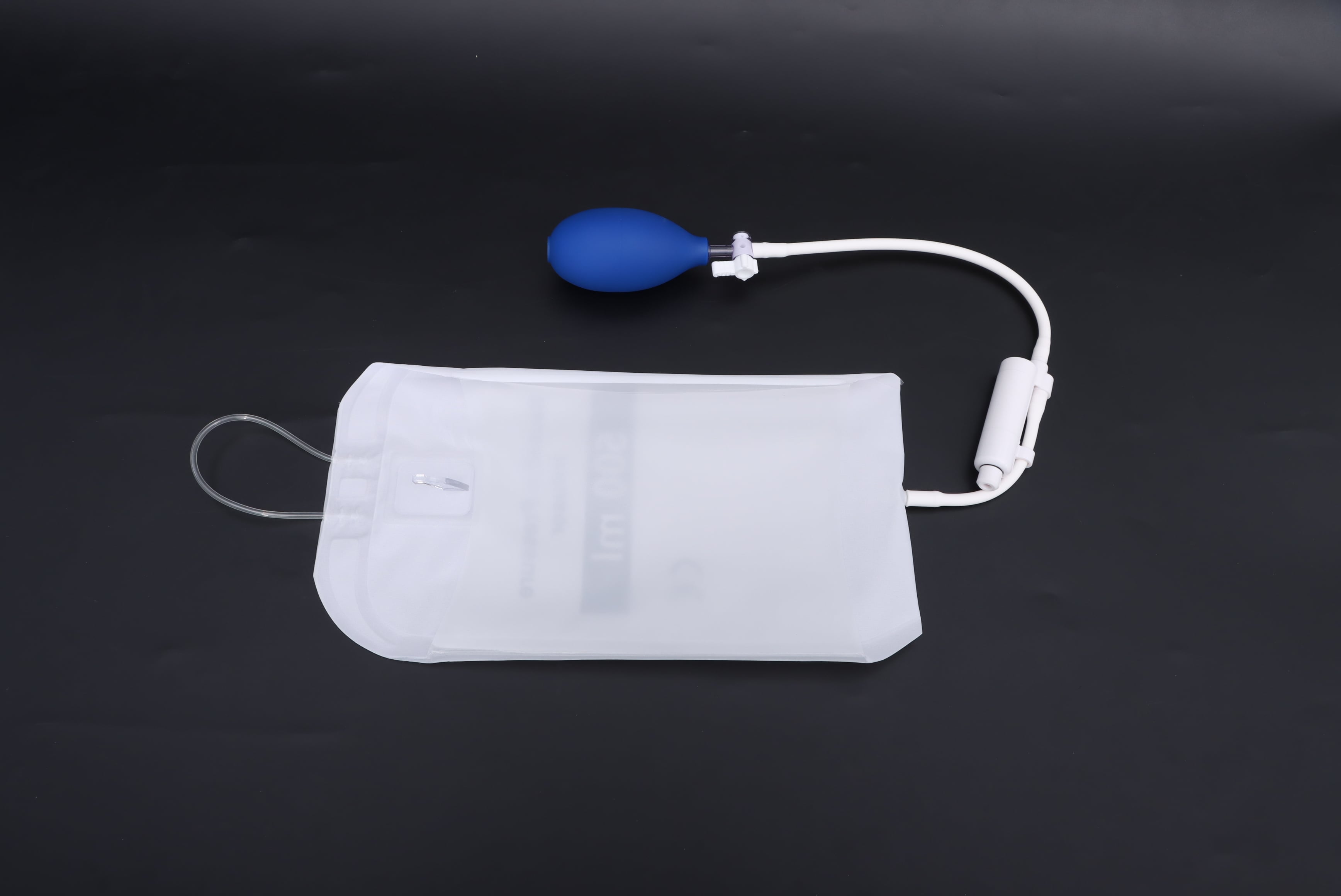
A pressure bag represents a critical tool in modern clinical practice, particularly in emergency departments, operating rooms, and trauma centers where rapid fluid administration becomes essential. Healthcare professionals must understand the specific clinical situations that necessitate a pressure bag to ensure swift and appropriate patient interventions. The pressure bag device enables controlled, accelerated delivery of intravenous fluids when standard gravity-fed infusions cannot meet clinical demands, making it indispensable in time-sensitive scenarios.
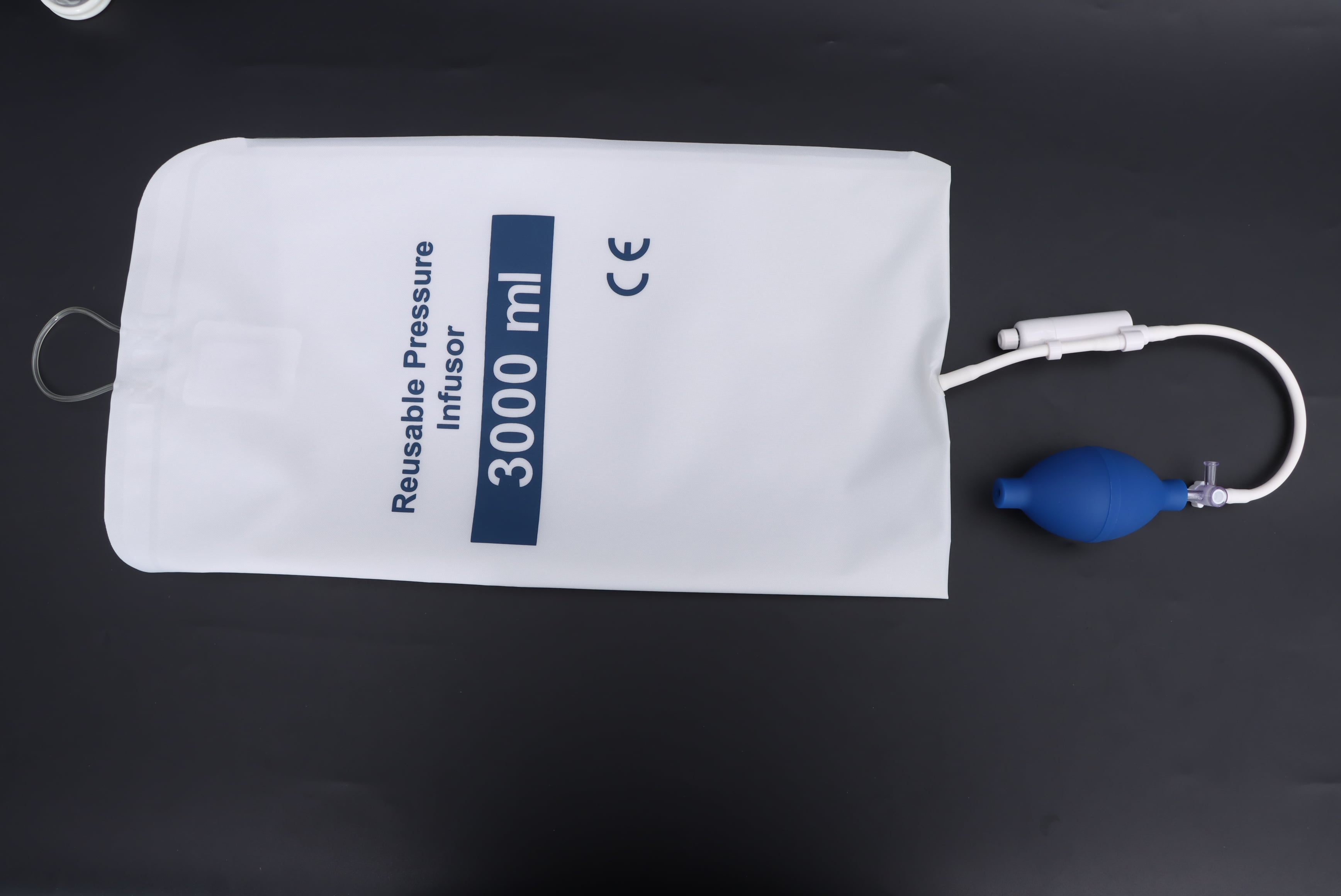
Understanding when to deploy a pressure bag distinguishes experienced clinical teams from those facing preventable delays in critical care. This comprehensive guide explores the key clinical situations demanding pressure bag technology, examines the physiological principles underlying their use, and provides practical guidance for implementation in varied healthcare settings. By recognizing these scenarios early, clinicians optimize patient outcomes and prevent complications that arise from inadequate perfusion or delayed resuscitation.
Emergency Hemorrhage and Acute Blood Loss
Massive Transfusion Protocols
Severe hemorrhage represents perhaps the most compelling indication for rapid pressure bag deployment. When patients sustain traumatic injuries, surgical complications, or spontaneous bleeding events causing significant intravascular volume loss, a pressure bag becomes essential for delivering packed red blood cells and crystalloid solutions at velocities gravity alone cannot achieve. Standard intravenous tubing permits flow rates insufficient for exsanguinating patients, where minutes determine survival outcomes. A pressure bag device pressurizes the fluid container, forcing contents through the tubing at rates often exceeding two to three liters per minute when required.
Trauma surgeons and emergency physicians recognize that activating massive transfusion protocols demands immediate pressure bag implementation alongside rapid-infuser pumps and central access. The pressure bag serves dual purposes: it maintains continuous flow to peripheral IV sites while larger-bore central catheters are being placed, and it preserves battery life on electronic infusion devices by providing mechanical assistance. Healthcare facilities managing high-acuity trauma cases maintain multiple pressure bag devices at ready stations throughout their emergency departments.
Hypovolemic Shock Management
Hypovolemic shock from burn injuries, ruptured abdominal aortic aneurysms, or perforated viscus demands immediate restoration of circulating volume, making the pressure bag indispensable. When a patient presents with compensated shock that is rapidly decompensating, clinicians cannot afford the extended infusion times that gravity-dependent systems require. Applying a pressure bag to initial fluid boluses while establishing larger access points accelerates resuscitation and prevents progression to irreversible shock. The pressure bag provides the bridge to advanced interventions such as endovascular repair, operative hemorrhage control, or massive transfusion.
Perioperative and Surgical Applications
Intraoperative Fluid Replacement
Operating rooms represent another environment where pressure bag devices prove essential, particularly during extensive surgical procedures involving significant blood loss or fluid shifts. Anesthesiologists frequently employ a pressure bag to maintain rapid infusion capabilities during major abdominal, vascular, or orthopedic surgeries where patient positioning or anatomical factors limit reliable intravenous access. The pressure bag ensures that fluid replacement keeps pace with operative blood loss and maintains adequate preload for cardiac function. Many surgical teams position a pressure bag on standby as part of their standard setup for high-risk procedures.
Laparoscopic surgeries, though minimally invasive externally, can produce rapid internal bleeding that demands swift volume restoration. A pressure bag device connected to a peripheral IV line provides immediate fluid acceleration if the surgical team discovers unexpected hemorrhage. Recovery room protocols also mandate available pressure bag devices for postoperative bleeding management, recognizing that immediate intervention prevents deterioration requiring return to the operating room.
Transfusion and Blood Product Administration
Administering blood products frequently necessitates a pressure bag, particularly packed red blood cells or fresh frozen plasma that possess higher viscosity than crystalloid solutions. Standard gravity infusion proves too slow for treating acute anemia or correcting coagulopathy in actively bleeding patients. A pressure bag overcomes the resistance imposed by blood product viscosity and delivers these critical agents at clinically meaningful rates. Blood bank protocols often require that any patient receiving massive transfusion have a pressure bag device applied to at least one fluid line.
Specialized Clinical Scenarios
Septic Shock and Severe Infections
Septic shock management guidelines mandate aggressive early fluid resuscitation, often requiring infusion of one to four liters of crystalloid solution within the first hour of recognition. A pressure bag enables achievement of these rapid infusion targets through peripheral IV access, potentially preventing deterioration while central venous catheter placement is being arranged. The pressure bag device helps overcome capillary leak and third-spacing fluid losses characteristic of severe sepsis by delivering large volumes quickly. Emergency protocols in many hospitals now include pressure bag deployment as a standard component of sepsis response bundles.
Pediatric Resuscitation and Uncommon Access
Pediatric emergency medicine frequently encounters situations where obtaining appropriate vascular access proves challenging, making each available line precious. When a child presents with severe dehydration, hemorrhagic gastroenteritis, or traumatic injury requiring rapid fluid replacement, a pressure bag applied to a single peripheral line delivers fluid at rates that would otherwise require multiple IV sites or central access. Pediatric resuscitation protocols increasingly recognize the pressure bag as essential for managing volume-responsive shock in children where access limitations exist.
Intra-hospital Transport Situations
Moving critically ill patients between departments or facilities demands continued rapid fluid administration despite logistical constraints. A pressure bag remains functional during transport, wheelchair movement, and position changes that would compromise gravity-dependent infusions. Critical care transport teams and interfacility transfer services consider pressure bag devices mandatory equipment when transporting unstable patients requiring ongoing resuscitation. The portable nature and reliability of a pressure bag make it superior to electronic pumps in settings with unreliable power access or frequent repositioning.
FAQ
What pressure does a pressure bag device typically deliver?
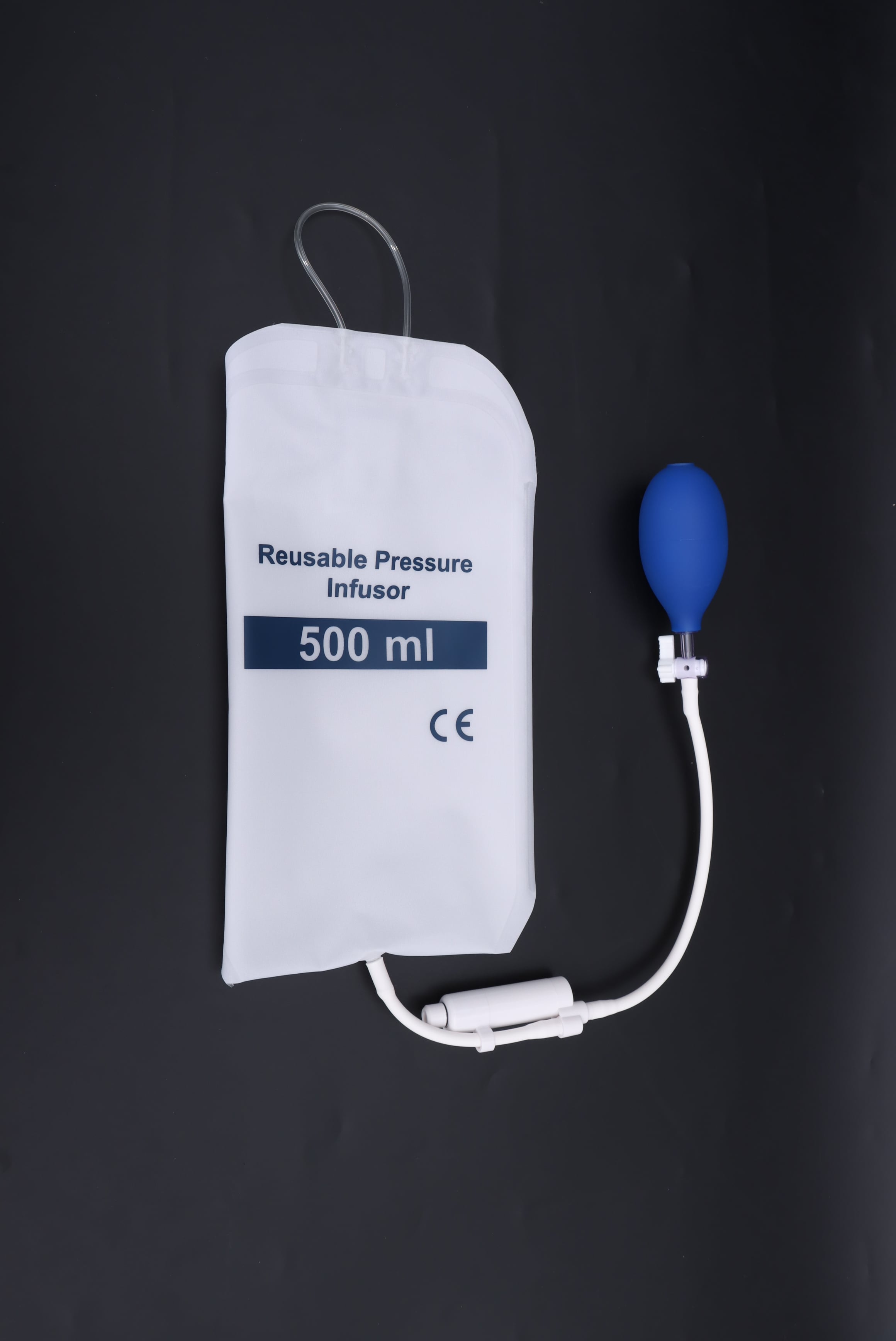
A standard pressure bag device applies approximately 300 millimeters of mercury (mmHg) of pressure when fully inflated, enabling flow rates of two to three liters per minute through peripheral IV catheters depending on catheter gauge and fluid viscosity. Higher pressures can damage blood products or cellular components, so pressure bag devices incorporate safety features preventing excessive pressure application. The actual flow rate achieved with any pressure bag depends on the specific IV catheter size, infusion tubing diameter, and fluid characteristics.
Can a pressure bag device be used for all intravenous fluids?
Most crystalloid solutions and packed red blood cells tolerate pressure bag administration safely, but certain medications and solutions require caution. Fresh frozen plasma, platelets, and some medications cannot withstand the pressure application of a standard pressure bag without cellular damage or drug degradation. Healthcare teams must verify that each fluid or medication can tolerate pressure bag delivery before deployment. Institutional protocols specify which IV medications and solutions are contraindicated with pressure bag use.
How does a pressure bag device compare to mechanical infusion pumps?
A pressure bag device provides mechanical pressure without requiring electricity, making it reliable during power failures, transport situations, and resource-limited environments. Mechanical infusion pumps offer precise flow rate control and programmable features superior to a pressure bag for stable, ongoing infusions. In emergencies requiring immediate rapid fluid delivery, a pressure bag activates faster than pump setup and typically achieves higher maximum flow rates. Many clinical teams employ both technologies sequentially, using a pressure bag for initial rapid resuscitation and then transitioning to pump-controlled infusions once patient stability improves.