 EN
EN

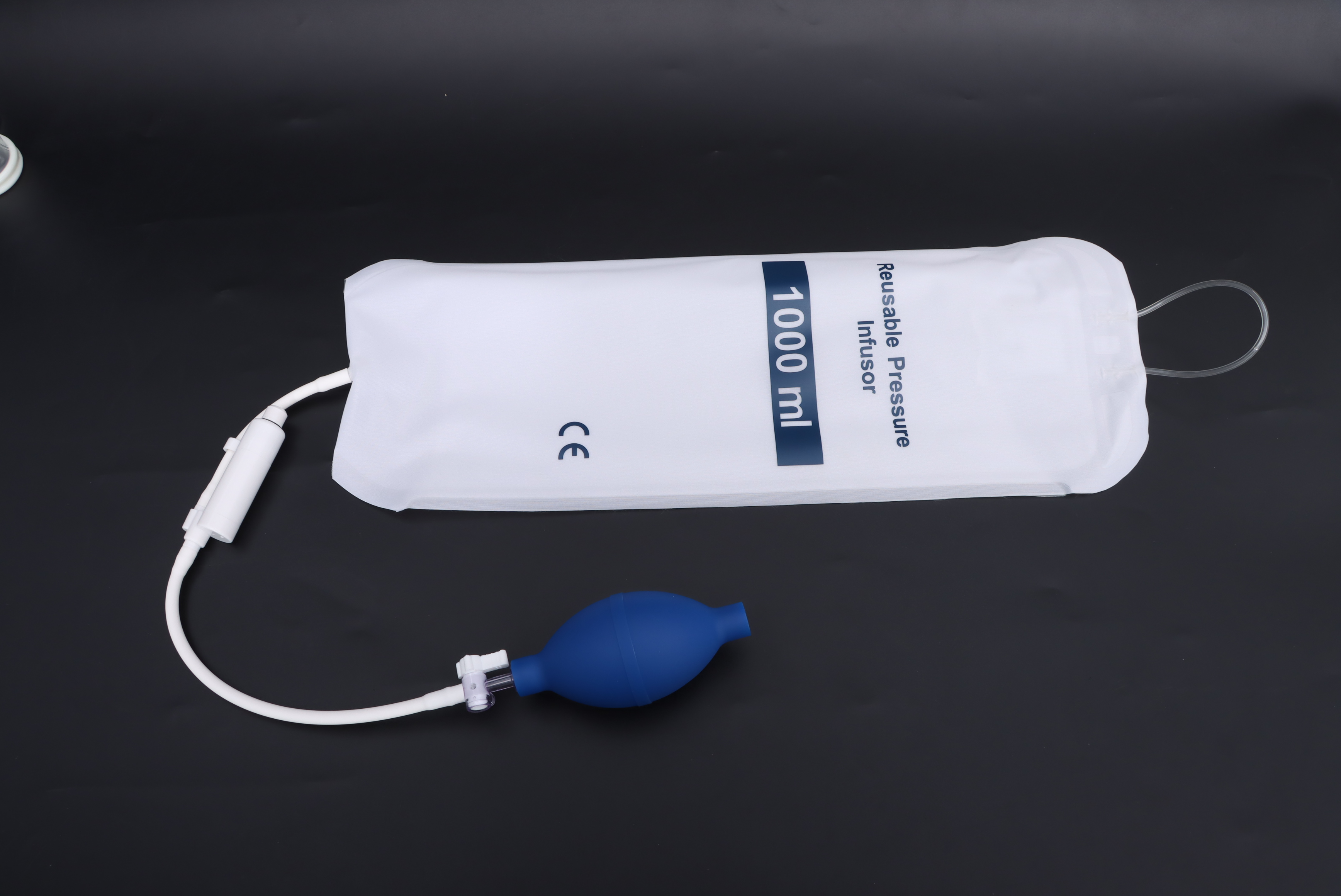
A pressure bag serves as a critical component in numerous industrial, medical, and commercial applications, from pneumatic systems to emergency medical transport. The design and engineering of a pressure bag demand rigorous attention to safety factors that prevent catastrophic failures, protect end users, and ensure reliable long-term performance under demanding conditions. Understanding these safety considerations is essential for manufacturers, engineers, and procurement professionals who must specify or select pressure bag solutions that meet both regulatory requirements and operational demands.
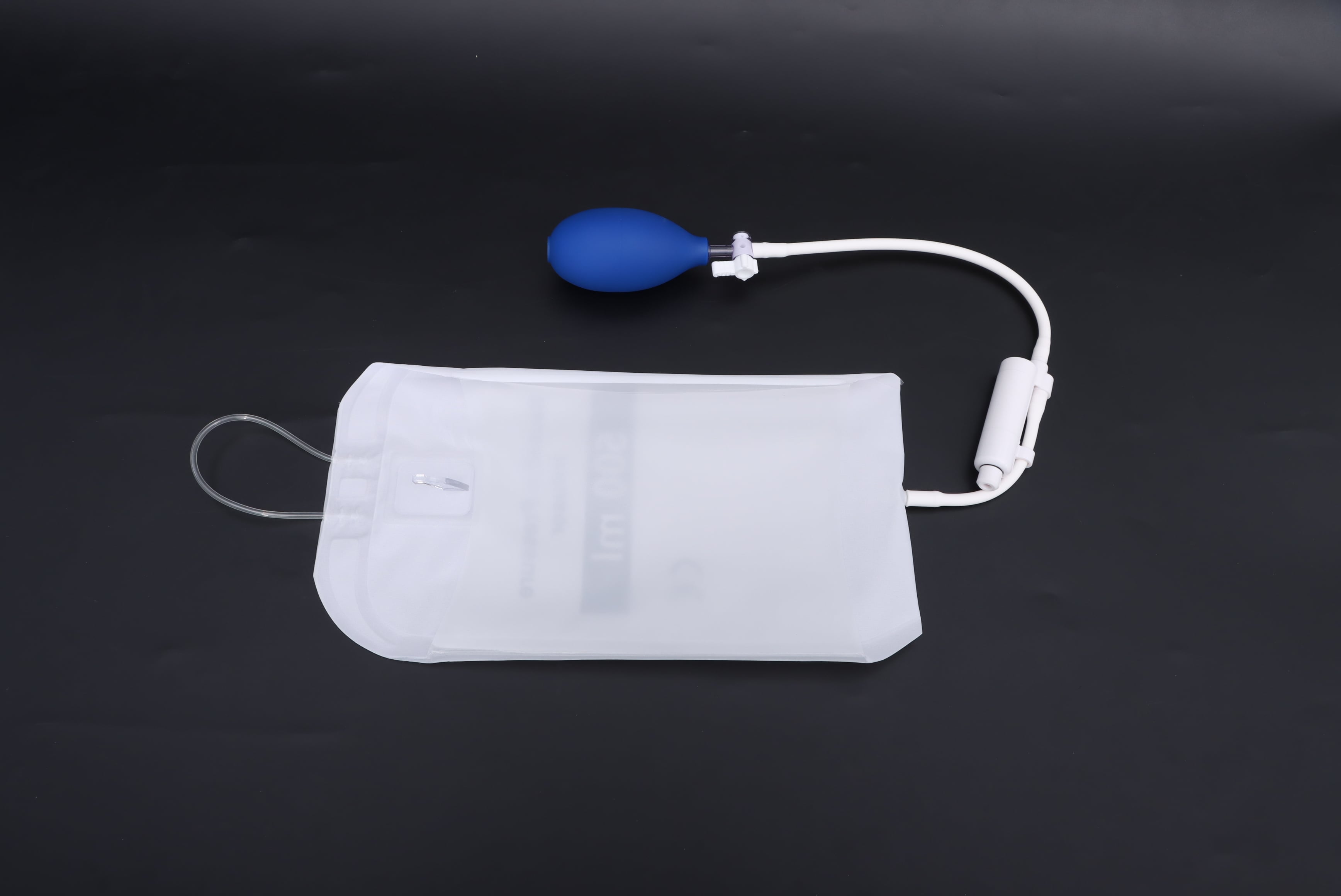
The fundamental challenge in pressure bag design is balancing durability, flexibility, and structural integrity while managing the forces exerted by pressurized contents. A well-engineered pressure bag maintains its containment function across a wide range of operating temperatures, pressures, and environmental conditions while resisting puncture, abrasion, and chemical degradation. This article explores the critical safety factors that must be evaluated during pressure bag design, from material composition to burst testing protocols, helping stakeholders make informed decisions about pressure bag selection and specification.
Material Selection and Durability in Pressure Bag Design
Understanding Material Performance Under Pressure
The material chosen for a pressure bag fundamentally determines its ability to withstand internal forces and resist failure modes. High-strength polymers such as thermoplastic polyurethane (TPU), reinforced nylon, and multilayer composites provide the structural foundation for pressure bag applications. Each material exhibits distinct characteristics in terms of tensile strength, elasticity, puncture resistance, and chemical compatibility. A pressure bag constructed from inferior materials may fail prematurely, leading to product loss, contamination, or safety hazards for personnel handling the system.
Material selection for a pressure bag must account for the specific pressures the system will experience during normal operation and during potential surge conditions. Temperature stability is equally important, as many materials lose strength at elevated temperatures or become brittle in cold environments. When designing a pressure bag, engineers must also consider the interaction between the pressurized contents and the bag material itself, ensuring that chemical compatibility prevents degradation, leaching, or permeation that could compromise the integrity of the pressure bag over its intended service life.
Multilayer Construction and Reinforcement Strategies
Modern pressure bag design increasingly incorporates multilayer construction to enhance safety and performance. A pressure bag with double-layer or triple-layer architecture distributes stress more evenly across the structure, reducing localized stress concentrations that often initiate failures. The outer layer of a pressure bag typically provides abrasion resistance and environmental protection, while inner layers contribute to pressure containment and tear resistance. Reinforcement fabrics embedded within a pressure bag structure can significantly increase burst pressure capacity while maintaining flexibility and reducing weight.
The integration of tear-resistant materials into pressure bag design creates redundancy in the containment system. If the outer layer of a pressure bag is compromised by puncture or abrasion, reinforced inner layers continue to hold pressure, preventing sudden catastrophic release. This layered approach to pressure bag safety reduces the likelihood of complete system failure and provides operators with time to address degradation before complete loss of containment occurs.
Pressure Rating, Burst Testing, and Performance Validation
Establishing Safe Operating Pressure Limits
Every pressure bag must be assigned a maximum working pressure rating that represents the safe upper limit for continuous operation. This rating is determined through rigorous burst testing protocols that expose sample pressure bags to incrementally increasing pressure until failure occurs. The working pressure limit for a pressure bag is typically set at 25 to 33 percent of the burst pressure, providing a substantial safety margin that accounts for material degradation, manufacturing variations, and environmental stress. Manufacturers of quality pressure bag systems conduct burst testing on random samples from each production batch to verify consistency.
Surge pressure conditions, which exceed the normal working pressure of a pressure bag, must also be evaluated during design validation. Industrial systems often experience transient pressure spikes when valves close rapidly or when flow patterns change suddenly. A pressure bag rated for specific working conditions must tolerate brief exposure to higher pressures without permanent deformation or failure. Engineers designing pressure bag systems must understand the full pressure profile their application will encounter, including both steady-state and dynamic conditions.
Cyclic Pressure Testing and Fatigue Analysis
The practical life expectancy of a pressure bag extends far beyond a single pressurization cycle. Repeated pressurization and depressurization gradually weakens the material through a process called fatigue. Cyclic pressure testing of sample pressure bags simulates thousands or millions of pressure cycles to identify when material fatigue may cause failure. A high-quality pressure bag is engineered to withstand the expected number of cycles throughout its intended service life without significant strength loss. This testing protocol reveals the cumulative effects of stress on a pressure bag that static or burst testing alone cannot predict.
Fatigue analysis in pressure bag design examines how different materials and construction methods respond to repeated stress. Natural rubber and certain synthetic polymers exhibit superior fatigue resistance compared to materials that become brittle after numerous cycles. By selecting materials with proven cyclic performance, pressure bag designers can confidently specify products that will maintain safety and functionality over extended operational periods. This factor is particularly critical for applications where pressure bags experience daily cycling or where service interruptions are costly.
Environmental Factors and Long-Term Safety Considerations
Chemical Compatibility and Barrier Properties
The contents stored or transported within a pressure bag can significantly impact material degradation and safety over time. Oils, solvents, aggressive chemicals, and UV exposure all present challenges for pressure bag longevity. A pressure bag must be formulated with materials that resist permeation by the specific fluids or gases it will contain. Chemical attack on the pressure bag material can cause swelling, softening, or cracking that gradually reduces structural strength and increases the risk of failure. Manufacturers must provide clear guidance on chemical compatibility for each pressure bag product line.
Environmental exposure also affects pressure bag safety when systems are operated outdoors or in harsh industrial settings. Ultraviolet radiation degrades many polymers, making a pressure bag more prone to cracking and brittleness over time. Temperature extremes cause dimensional changes and can accelerate aging of the pressure bag material. Water absorption in certain polymers can reduce the strength of a pressure bag, particularly in the seams and bonded areas. Comprehensive pressure bag design specifications should address these environmental risks and may recommend protective coatings or covers to extend service life.
Seam Integrity and Construction Quality Control
The seams of a pressure bag represent a critical vulnerability where material strength is reduced and potential failure paths may form. High-pressure seam construction techniques such as heat sealing, adhesive bonding, or mechanical fastening must be evaluated for their reliability in the specific pressure bag application. Inconsistent sealing during manufacturing can create weak points where a pressure bag will fail at significantly lower pressures than expected. Quality control procedures must include pressure testing of seams during manufacturing to identify and reject defective pressure bag units before they reach customers.
Modern pressure bag manufacturers employ advanced sealing technologies and rigorous inspection methods to minimize seam-related failures. Hot-melt adhesives and ultrasonic welding create permanent bonds that distribute stress across the pressure bag seam rather than concentrating it at a narrow line. Multiple seam passes and reinforcing patches around critical pressure bag connection points add redundancy and improve overall safety. By investing in superior construction processes, pressure bag manufacturers reduce warranty claims, prevent dangerous field failures, and build customer confidence in their products.
FAQ
What is the most important safety factor to consider when selecting a pressure bag?
The maximum working pressure rating of a pressure bag is the most fundamental safety factor to evaluate. This rating must match or exceed the peak pressures your specific application will generate under normal and surge conditions. Always verify that the pressure bag you select provides at least a 3:1 safety factor between its working pressure rating and the maximum pressure your system produces. Additionally, confirm that the material composition of the pressure bag is compatible with the fluids or gases it will contain, as material degradation can rapidly compromise safety.
How often should a pressure bag be tested or inspected in service?
The inspection frequency for a pressure bag depends on its application, operating pressure, and environmental conditions. In critical applications, routine visual inspection of the pressure bag for signs of swelling, cracking, discoloration, or loss of flexibility should occur before each use or on a regular schedule. Pressure bags used in medical or emergency applications may require formal testing and certification at intervals specified by regulatory bodies. For industrial pressure bags in continuous service, annual or semi-annual inspections combined with pressure testing can identify material degradation before catastrophic failure occurs.
Can a pressure bag be repaired if it shows signs of damage?
Most pressure bags should not be repaired in the field, as repair patches do not reliably restore the structural integrity of a damaged pressure bag at high pressures. Temporary patch repairs may hold for a short period but cannot match the durability and safety characteristics of the original pressure bag construction. Once a pressure bag shows significant damage such as punctures, seam separation, or bulging, the safest approach is to replace it with a new pressure bag. Using compromised pressure bags creates unacceptable risks of sudden failure and potential safety hazards.