 EN
EN

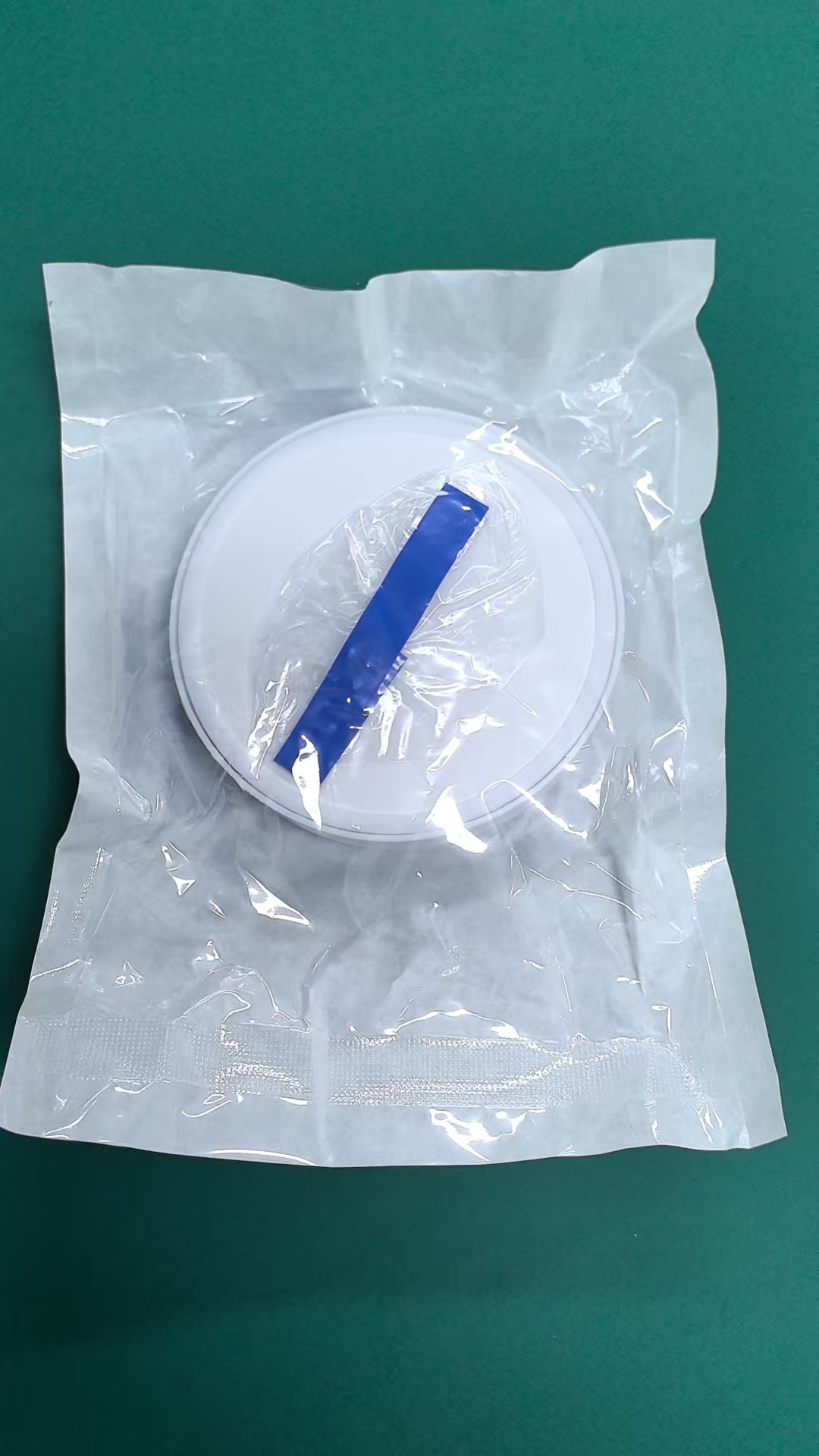
Maintaining sterility in surgical environments represents one of the most critical responsibilities in modern healthcare. Every instrument, surface, and procedure must meet rigorous infection control standards to protect patients from preventable complications. Among the essential tools that healthcare facilities deploy to uphold these standards, endo covers play a vital role in safeguarding both patient safety and surgical outcomes. These specialized protective barriers have become indispensable in operating rooms, endoscopy suites, and surgical centers worldwide, transforming how surgical teams approach instrument contamination prevention.
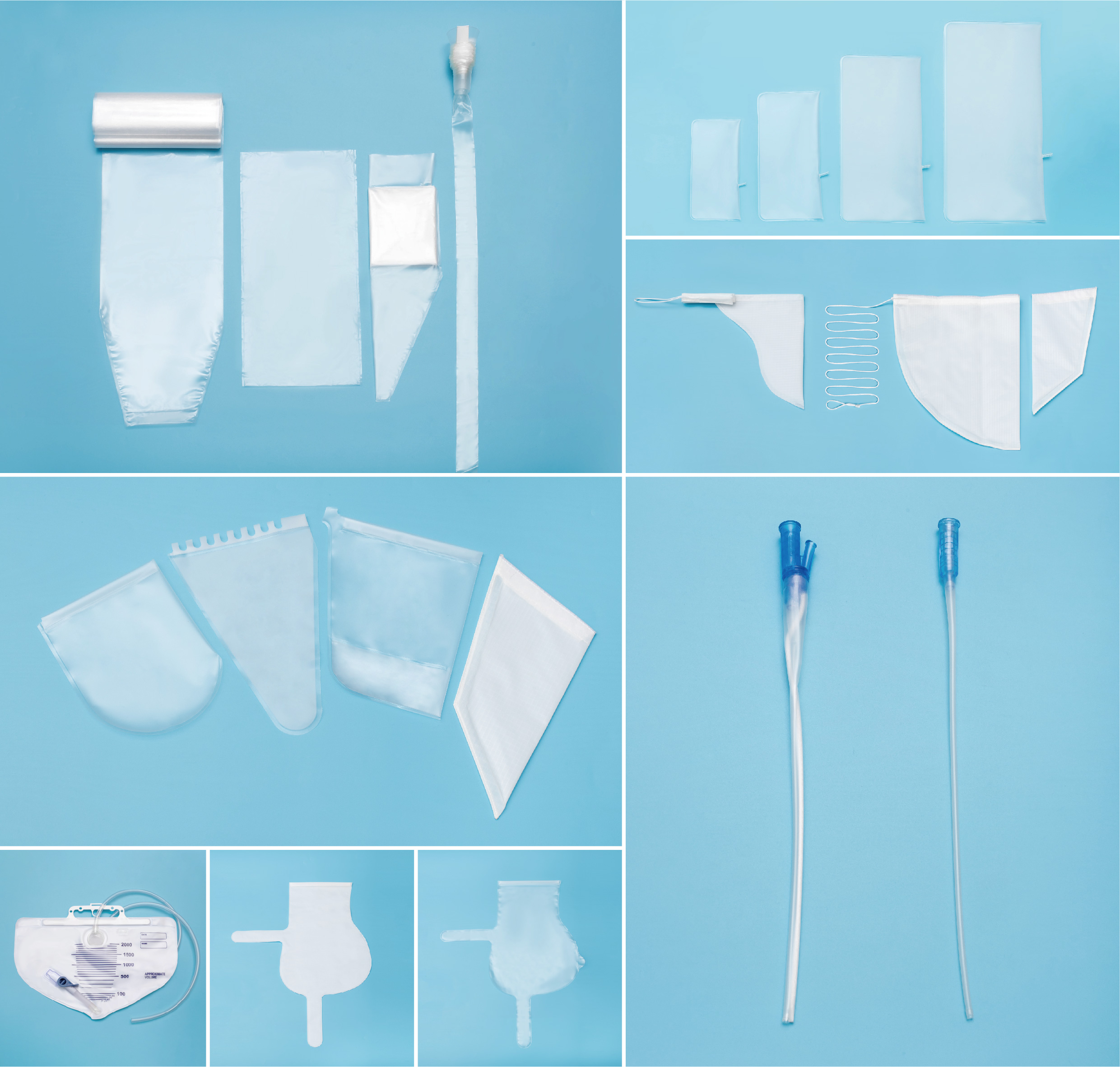
The challenge of maintaining surgical sterility extends beyond standard cleaning protocols. Endoscopes and similar delicate instruments face unique contamination risks due to their complex design, multiple channels, and frequent handling. Endo covers provide a physical barrier that minimizes these risks while supporting comprehensive infection control strategies. By understanding how endo covers function and why they matter, surgical teams can make informed decisions that strengthen their sterility assurance programs and ultimately enhance patient outcomes.
The Core Role of Endo Covers in Surgical Sterility
Understanding Contamination Risks in Surgical Settings
Surgical contamination occurs through multiple pathways, and each pathway requires targeted prevention strategies. Endo covers address specific contamination vectors by creating physical separation between sterile instruments and environmental hazards. During surgical procedures, endoscopes and similar devices may contact gloved hands, non-sterile surfaces, or ambient air. Each contact point introduces potential contamination risk. Endo covers function as primary barriers, dramatically reducing the likelihood that infectious agents will transfer to the instrument surface or internal channels. Healthcare facilities that implement endo covers as part of their infection control protocols report significantly lower contamination incidents compared to facilities relying solely on manual cleaning and sterilization processes.
How Endo Covers Create Sterile Barriers
Endo covers are typically constructed from medical-grade, fluid-resistant materials that maintain their integrity throughout surgical procedures. The design of endo covers allows surgical teams to maintain complete sterile field integrity while using endoscopic instruments without risk of compromise. When properly applied, endo covers seal around instrument connections and prevent fluid, blood, or tissue particles from contacting the sterile interior. The transparent or semi-transparent construction of many endo covers enables physicians to visualize the instrument and monitor its condition without removal. This design consideration means that endo covers enhance sterility without sacrificing operational visibility or clinical workflow efficiency.
Clinical Benefits and Risk Mitigation
Reducing Cross-Contamination and Infection Rates
Healthcare-associated infections represent a significant burden on patient outcomes and healthcare system resources. Endo covers directly contribute to reducing cross-contamination by preventing direct contact between instruments and potential contamination sources. Surgical teams using endo covers consistently demonstrate lower rates of surgical site infections compared to standard practice. The systematic use of endo covers throughout surgical procedures creates multiple layers of protection that work synergistically with standard sterilization and cleaning protocols. Research in surgical environments shows that facilities implementing comprehensive endo cover protocols report measurable reductions in infection rates, shorter average hospital stays, and improved patient satisfaction metrics.
Protecting Instrument Integrity and Extending Equipment Life
Beyond infection control, endo covers protect valuable surgical equipment from physical damage and contamination. Endoscopes and similar instruments represent significant capital investments for healthcare facilities. Endo covers shield these instruments from blood, tissue debris, and other bodily fluids that can degrade optical components and internal mechanisms. By reducing instrument exposure to harsh cleaning chemicals and aggressive sterilization processes, endo covers help extend equipment lifespan and maintain optical clarity. This dual benefit means that endo covers deliver return on investment through both improved patient safety outcomes and reduced equipment replacement costs over time.
Implementation and Workflow Integration
Best Practices for Endo Cover Application
Effective sterility improvement depends on proper endo cover application and consistent adherence to protocol. Surgical teams must establish clear procedures for applying endo covers before instrument use and verifying that the barrier remains intact throughout the procedure. Training programs should emphasize the importance of checking endo covers for tears, punctures, or improper sealing before beginning surgery. Best practice protocols recommend having backup endo covers readily available in the operating room to address any integrity concerns. Documentation of endo cover application and condition monitoring creates accountability and provides valuable data for quality improvement initiatives. Healthcare facilities that implement standardized endo cover protocols see significantly better adherence rates and more consistent sterility outcomes compared to facilities with informal or variable approaches.
Integration with Existing Sterilization Protocols
Endo covers function most effectively when integrated systematically into existing infection control and sterilization protocols rather than viewed as standalone solutions. Surgical teams should understand how endo covers complement standard autoclaving, high-level disinfection, and manual cleaning procedures. The combination of endo covers plus comprehensive sterilization creates redundant protection that significantly exceeds the effectiveness of either approach alone. Implementation planning should include assessment of current cleaning protocols, identification of high-risk procedures, and development of training materials that explain endo cover use in the context of existing workflows. Many healthcare facilities find that introducing endo covers motivates broader improvements in infection control culture and adherence to sterility standards across their surgical departments.
FAQ
What exactly are endo covers and why do they matter in surgery?
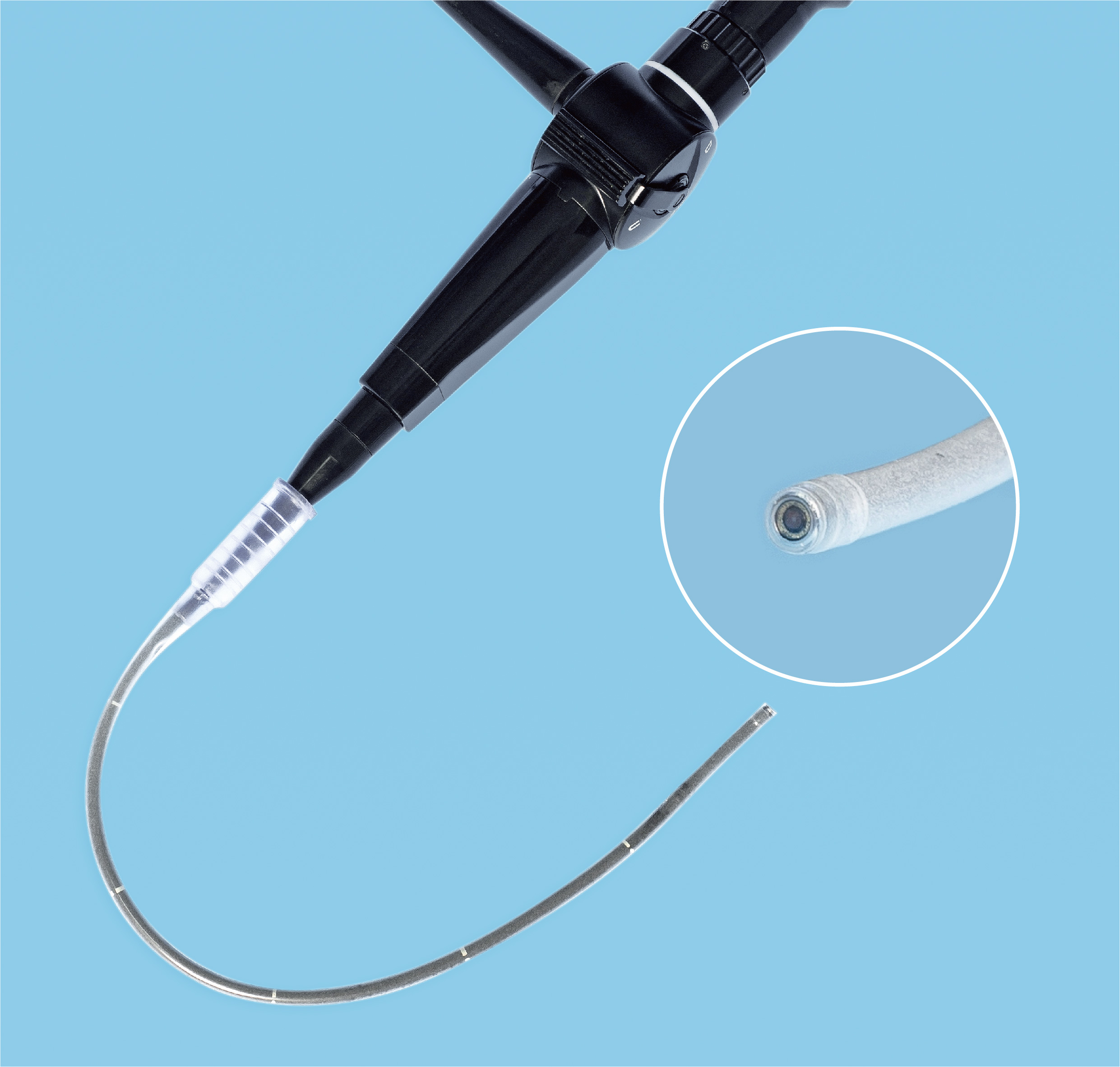
Endo covers are sterile protective barriers designed to shield endoscopes and surgical instruments from contamination during procedures. They matter because they create a physical barrier between the instrument and potential contamination sources like blood, tissue, and environmental microorganisms, significantly reducing infection risk and protecting valuable equipment from damage.
How do endo covers compare to standard sterilization alone?
While standard sterilization is essential, endo covers provide an additional layer of protection by preventing contamination during actual patient contact and handling. Endo covers work alongside sterilization protocols rather than replacing them, creating multiple barriers that reduce contamination risk far more effectively than sterilization alone. This layered approach significantly lowers infection rates and improves overall surgical safety.
Can surgical teams use endo covers in all types of procedures?
Endo covers are most beneficial in endoscopic procedures, minimally invasive surgeries, and any procedure involving instruments that may contact non-sterile surfaces. While all surgical teams can benefit from endo covers, facilities should assess their specific procedural mix, risk profile, and equipment types to determine optimal implementation strategies for maximum sterility improvement and resource efficiency.