 EN
EN

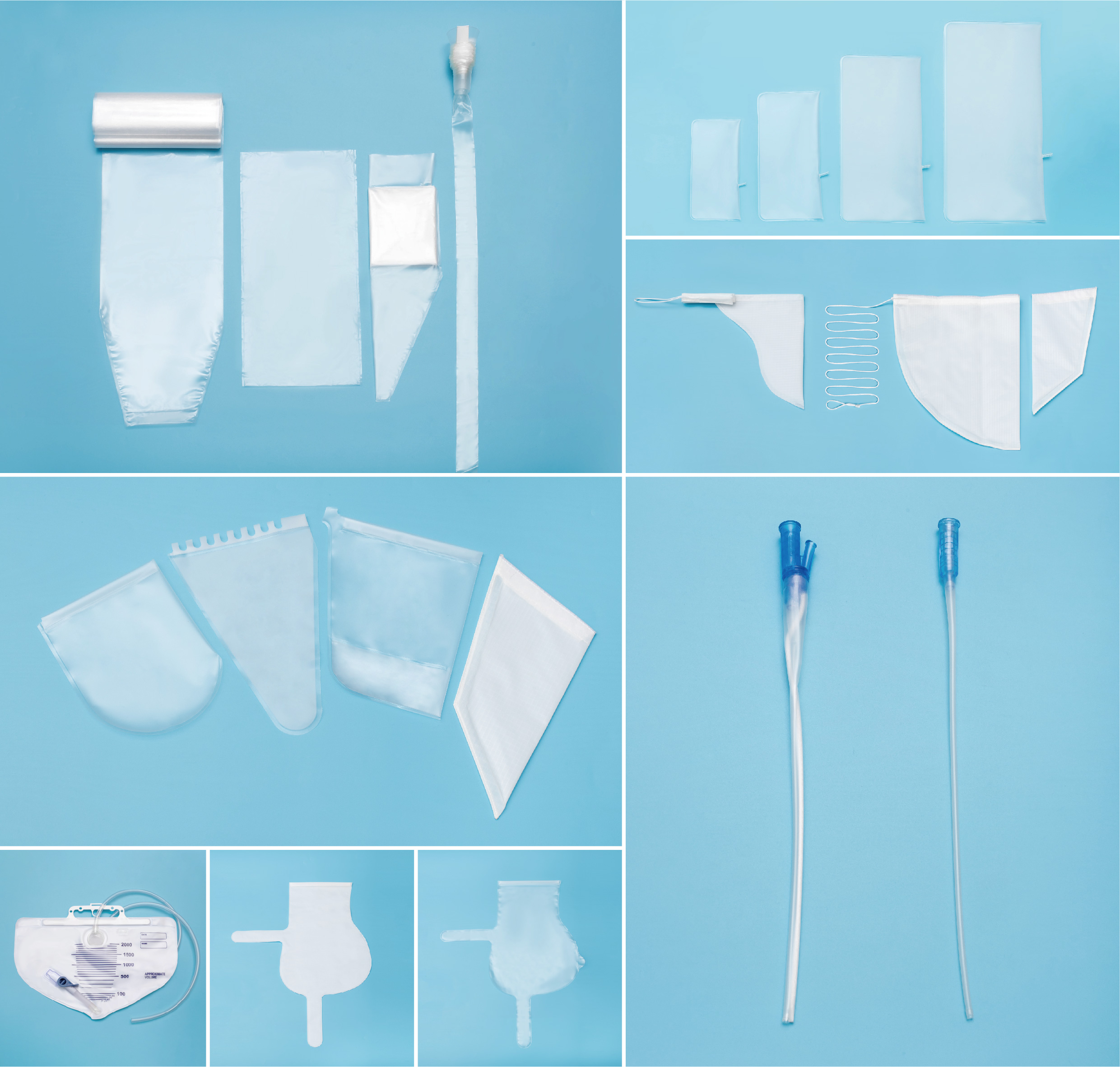
Minimally invasive surgery has revolutionized modern healthcare by reducing patient trauma, shortening recovery times, and improving surgical outcomes across countless procedures. Yet the success of these procedures depends critically on specialized equipment that must remain sterile, protected, and fully functional throughout complex surgical workflows. Endo covers have emerged as an indispensable component in this ecosystem, serving as a protective barrier that safeguards endoscopic instruments while maintaining the precision and reliability that surgeons depend on daily. Understanding why endo covers matter so deeply requires examining how they fit into the broader context of surgical efficiency, infection control, and equipment longevity.
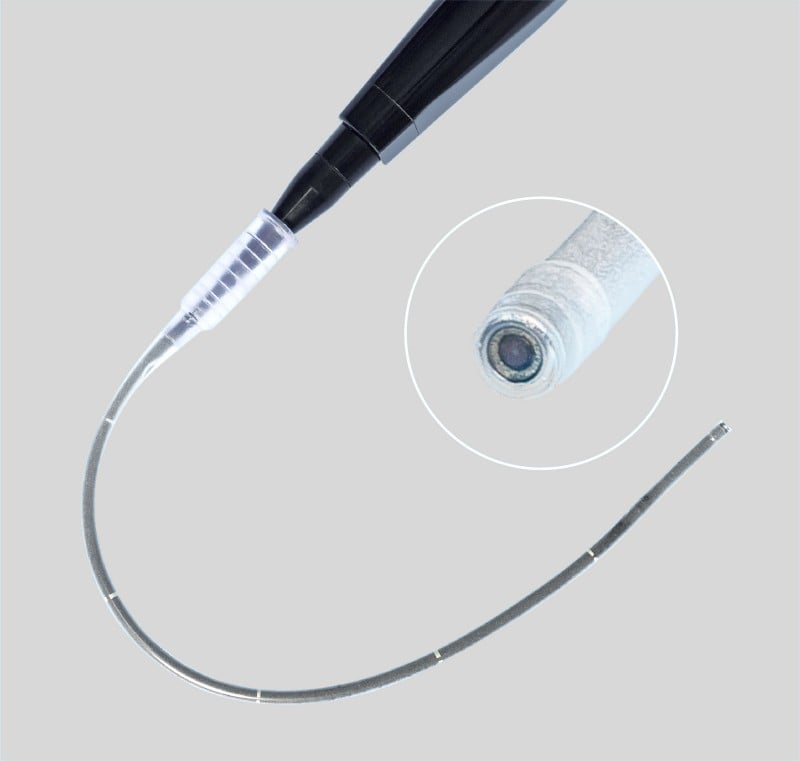
The integration of endo covers into surgical protocols represents a fundamental shift in how healthcare facilities approach equipment management and patient safety. These protective barriers act as a first line of defense against contamination, mechanical damage, and cross-infection risks that can compromise both surgical integrity and patient outcomes. For surgical teams committed to maintaining the highest standards of aseptic technique while protecting valuable endoscopic equipment, endo covers are not merely a convenience but a critical operational necessity that directly impacts clinical success and cost management.
Protection Against Contamination and Cross-Infection
Maintaining Sterile Fields During Complex Procedures
The sterile field is foundational to surgical safety, and maintaining it throughout lengthy endoscopic procedures presents constant challenges. Endo covers create a sealed protective layer around endoscopic instruments, preventing environmental contaminants, blood, tissue, and aerosol particles from making direct contact with sensitive optical and mechanical components. This barrier is particularly crucial during procedures where instruments pass between sterile and non-sterile zones, such as when endoscopes are repositioned between different anatomical sites or when they interact with non-sterilized accessories during the procedure. By using endo covers, surgical teams eliminate a major source of nosocomial infection risk and reduce the likelihood of instrument-mediated cross-contamination that could compromise not only the current patient but also subsequent procedures if contaminated equipment reaches sterilization processing with bioburden already present. The protective function of endo covers extends beyond the operative field itself, as these covers prevent organic material from accumulating on lens surfaces, working channels, and articulation joints where standard cleaning processes may not reach effectively.
Reducing Bioburden Before Sterilization
Hospital sterilization departments face mounting pressure to process equipment efficiently while maintaining absolute safety standards. When endo covers are used during surgery, they dramatically reduce the bioburden that personnel must clean and sterilize afterward. Instruments that have been protected by endo covers arrive at the processing area with significantly less organic matter, blood, and tissue residue adhering to their surfaces. This reduction in bioburden improves the effectiveness of enzymatic cleaning agents, shortens ultrasonic cleaning cycles, and reduces the number of manual interventions required from sterilization staff. Less contamination also means fewer instances where complex instruments require secondary cleaning or manual scrubbing, which carries inherent risks of damaging delicate optical and mechanical elements. By incorporating endo covers into the surgical workflow, healthcare facilities streamline their sterilization operations, reduce equipment damage during reprocessing, and enhance the reliability of their sterilization validation protocols.
Equipment Preservation and Cost Effectiveness
Extending the Operational Lifespan of Endoscopic Instruments
High-definition endoscopic systems represent substantial capital investments for surgical facilities, with individual instruments costing thousands to tens of thousands of dollars. These precision devices contain delicate optical elements, micro-channels for irrigation and suction, and sophisticated articulation mechanisms that are vulnerable to scratching, abrasion, fluid infiltration, and mechanical shock. Endo covers serve as an economical insurance policy against preventable damage that could require expensive repairs or premature equipment replacement. By protecting endoscopes from direct contact with surgical instruments, retraction devices, and sharp tissue edges, endo covers prevent microscopic damage to lens coatings and barrel surfaces that accumulates over time and gradually degrades image quality and handling precision. Facilities that consistently use endo covers report longer intervals between major maintenance interventions and fewer instances of premature equipment retirement due to irreparable damage. The cost of implementing endo covers across a surgical department is minimal compared to the expense of replacing or extensively repairing damaged endoscopic equipment.
Reducing Reprocessing Complications and Labor Costs
Sterilization and reprocessing represent one of the largest operational expenses in surgical departments, encompassing personnel time, utility costs, chemical reagents, and equipment depreciation. When endoscopic instruments arrive at the sterilization department heavily contaminated, processing times extend substantially, labor requirements increase, and the risk of equipment damage during cleaning escalates. Endo covers minimize these complications by arriving at the sterilization center already partially protected from environmental exposure. The reduced cleaning burden translates directly into lower personnel costs, faster instrument turnaround times, and more efficient sterilization scheduling. Facilities can process more cases with the same sterilization resources, improving operational throughput without requiring additional capital investment in sterilization equipment. Additionally, by reducing the mechanical stress on endoscopic instruments during aggressive manual cleaning, endo covers decrease the frequency of equipment malfunction and the associated costs of emergency repairs that can disrupt surgical schedules.
Enhanced Surgical Workflow and Clinical Outcomes
Supporting Aseptic Technique and Surgeon Confidence
Surgeons who use endo covers consistently report increased confidence during procedures, knowing that their instruments are protected from preventable contamination throughout the case. This psychological and practical assurance allows surgical teams to focus entirely on the procedure itself rather than managing concerns about instrument sterility or potential equipment failure. Endo covers enable surgeons to move endoscopes between anatomical regions, switch between different operative sites, and manage tissue retraction without worrying that direct contact might introduce contamination or cause optical degradation that could compromise visualization during critical portions of the procedure. The reduced cognitive load translates into smoother operative workflows, fewer delays due to instrument concerns, and more consistent surgical technique. In high-stakes minimally invasive procedures where precise visualization is non-negotiable, the confidence that endo covers provide has measurable impact on operative efficiency and ultimately on patient outcomes.
Maintaining Consistent Optical Quality and Image Clarity
Modern endoscopic surgery depends on exceptional image quality to achieve anatomical precision, identify subtle pathology, and avoid iatrogenic complications. Any degradation of lens clarity or optical transmission directly impacts the surgeon's ability to visualize the operative field accurately. Endo covers prevent direct contact between the endoscope lens and blood, tissue fluids, and environmental contaminants that would otherwise accumulate on the lens surface throughout the procedure. By maintaining optical clarity from the first incision to the final closure, endo covers ensure that surgeons maintain consistent visualization quality throughout complex cases. This consistent image quality becomes particularly important during procedures that extend over several hours, where lens contamination without protective covers would gradually degrade visualization and potentially require intraoperative lens cleaning that consumes valuable operative time. The protective barrier of endo covers eliminates this concern entirely, allowing surgeons to maintain their attention fully on the procedure rather than managing equipment-related visualization issues.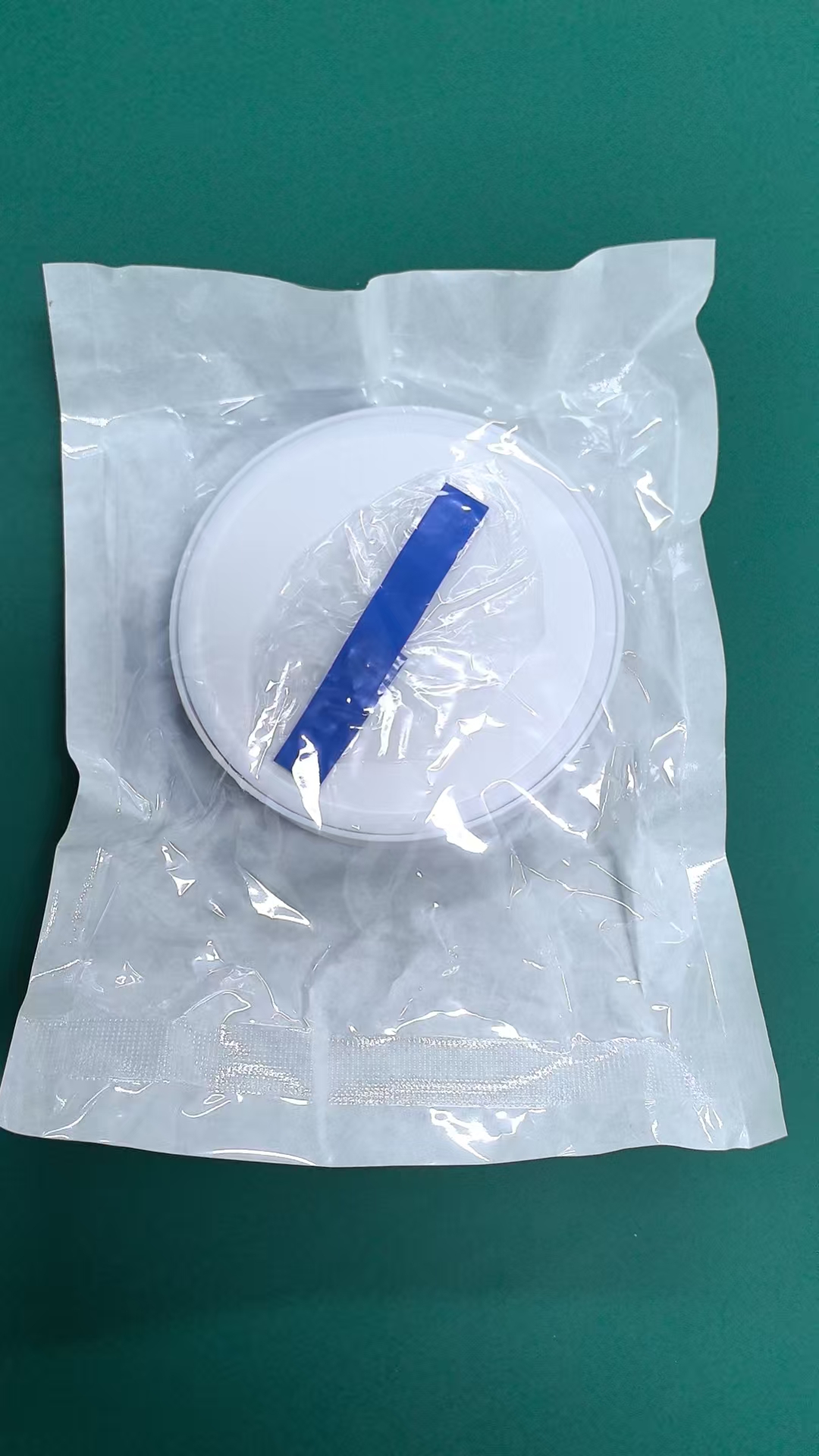
FAQ
How do endo covers integrate into standard sterilization protocols?
Endo covers are typically single-use, disposable barriers that surgeons apply to endoscopic instruments immediately before the procedure begins. After surgery concludes, the covers are removed and discarded, and the underlying instruments proceed through standard sterilization processing. Most modern endo covers are designed to be removed easily without leaving adhesive residue or damaging the instrument surface, ensuring that sterilization personnel can process equipment according to existing validated protocols without modification. This seamless integration means that facilities can implement endo covers without requiring changes to their established reprocessing procedures or staff training beyond basic application techniques. The disposable nature of endo covers also eliminates concerns about cross-contamination between cases, as each procedure uses fresh protective barriers.
What types of minimally invasive procedures benefit most from endo covers?
While endo covers provide value across all endoscopic procedures, they offer particularly significant benefits in high-contamination cases such as cholecystectomy, colorectal surgery, and urological procedures where exposure to blood and tissue fluids is substantial. Procedures involving complex tissue manipulation, multiple instrument exchanges, or extended operative times also benefit greatly from endo covers because they protect instruments during periods when contamination risk is elevated. Even in lower-contamination cases such as diagnostic laparoscopy or certain thoracic procedures, endo covers provide a cost-effective layer of insurance against preventable equipment damage and cross-infection risk. The protective benefit of endo covers is universal, though the magnitude of that benefit varies depending on procedural complexity and contamination exposure.
What impact do endo covers have on patient safety and infection prevention?
Patient safety benefits from endo covers occur through multiple mechanisms: they reduce the likelihood of instrument-mediated cross-infection, they maintain the integrity of the sterile field, and they support the use of optimally functioning equipment that performs consistently throughout the procedure. The reduction in bioburden before sterilization ensures that reprocessing is more effective, leaving instruments with lower residual contamination for the next case. Additionally, by protecting endoscopic instruments from damage, endo covers reduce the risk of equipment malfunction during surgery that could necessitate unplanned conversion to open procedures or intraoperative troubleshooting delays. From an infection prevention standpoint, facilities that systematically use endo covers demonstrate enhanced compliance with aseptic technique protocols and lower rates of surgical site infections associated with minimally invasive procedures.