 EN
EN

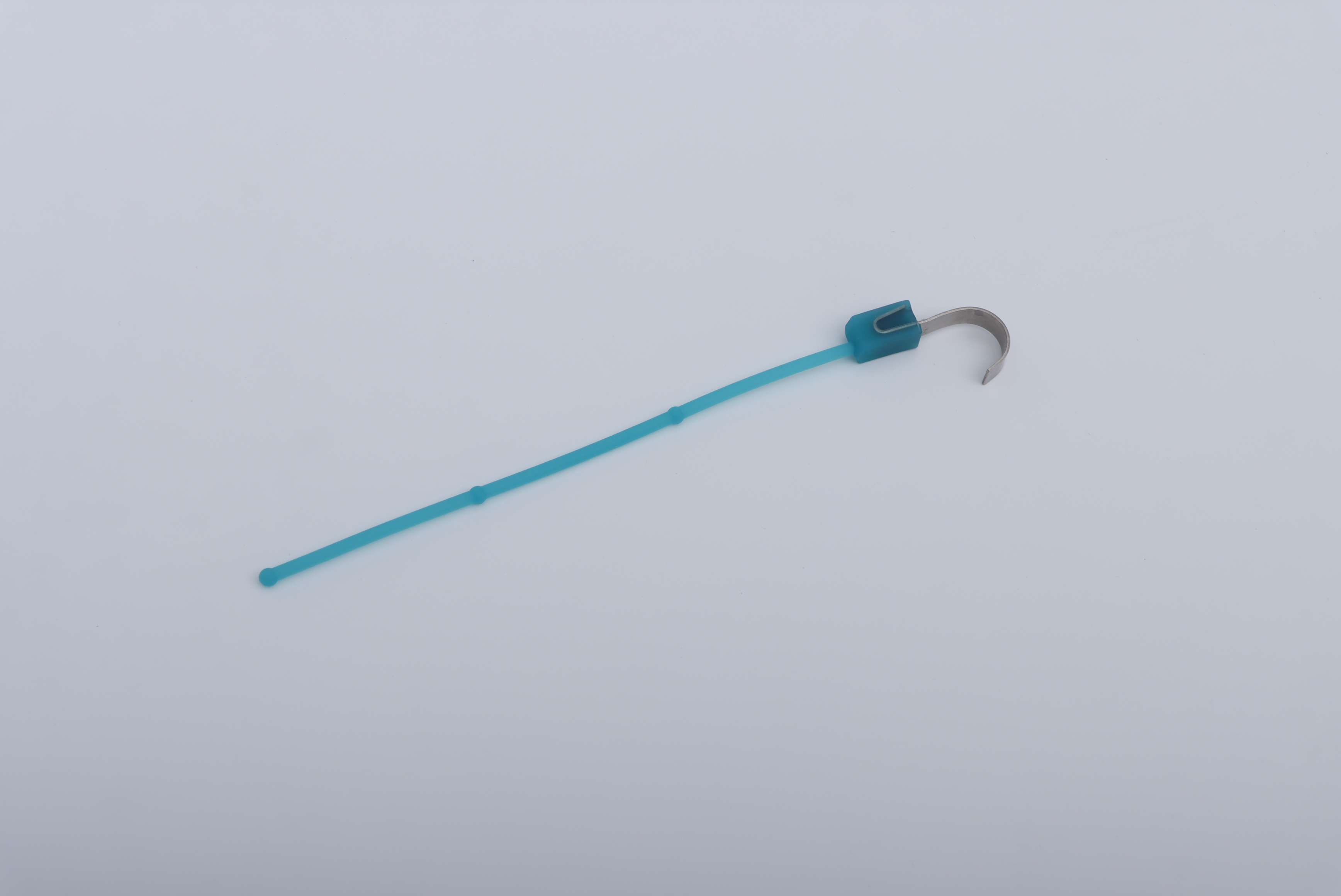
The design of a skin hook fundamentally influences how surgeons interact with the instrument during delicate procedures. An ergonomically optimized skin hook reduces hand fatigue, improves visibility, and enhances overall surgical precision. When a skin hook is poorly designed, surgeons experience wrist strain, reduced control, and compromised visualization of the surgical field. Understanding how ergonomic structure directly impacts a skin hook's usability is essential for surgical teams seeking to improve outcomes and reduce operative time.
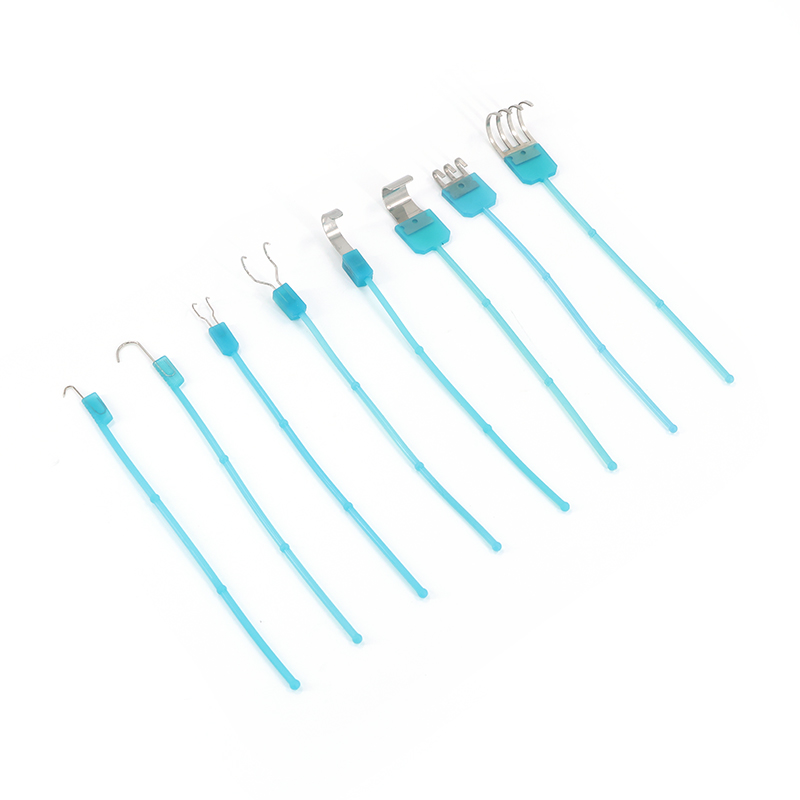
Surgical instrument ergonomics directly influence both procedural success and surgical team well-being. A properly engineered skin hook distributes force evenly across the surgeon's hand, minimizing muscle tension during extended procedures. The relationship between handle geometry, hook angle, and weight distribution determines whether a skin hook enables confident retraction or becomes a source of operational difficulty. This article explores how specific ergonomic features transform a basic retraction tool into an instrument that enhances surgical capability and reduces clinical complications.
How Handle Design Affects Skin Hook Control and Comfort
Grip Geometry and Force Distribution
The grip geometry of a skin hook directly determines how force distributes across the surgeon's fingers and palm. A well-designed handle features contoured surfaces that match natural hand anatomy, allowing the surgeon to maintain a relaxed yet secure grasp throughout the procedure. When a skin hook has an ergonomic handle, the surgeon uses less muscular effort to maintain retraction, which preserves fine motor control and reduces hand tremor during critical dissection phases. Cylindrical or slightly tapered handles promote better grip security compared to square or sharp-edged designs, allowing longer procedures without fatigue-related performance degradation.
Length and Balance of the Instrument
The overall length and weight distribution of a skin hook influence how comfortably the surgeon can position it within the surgical field. An ergonomically balanced skin hook maintains stability without requiring continuous grip adjustment, whereas an unbalanced design forces compensatory wrist and forearm positioning. Optimal length allows the surgeon to maintain appropriate distance from the surgical site while still accessing deep anatomical layers. When a skin hook achieves proper balance between handle length and hook configuration, surgeons experience reduced wrist deviation and improved accessibility to challenging anatomical regions. This balanced design principle applies across different surgical specialties, from dermatologic procedures to cardiac and orthopedic applications.
Hook Angle and Retraction Mechanics in Ergonomic Design
Angled Hook Configuration for Natural Positioning
The angle of the hook itself represents a critical ergonomic consideration that directly impacts how naturally the surgeon's hand and wrist position relative to the surgical field. A properly angled skin hook aligns with the surgeon's neutral wrist position, reducing radial or ulnar deviation that causes cumulative strain injury. When a skin hook features an optimized angle, the surgeon achieves efficient retraction without awkward hand positioning or repetitive stress. Different surgical applications demand different hook angles, and an ergonomically designed skin hook provides the angle most suited to its intended use. This consideration separates instruments that function adequately from those that enhance surgical efficiency and reduce occupational injury risk among surgical professionals.
Tooth or Blunt Edge Design Impact
The design of the hook's working end—whether featuring teeth, blunt edges, or smooth surfaces—influences both the ergonomic demands placed on the surgeon and the tissue management capability of the skin hook. A skin hook with appropriate tooth design or edge configuration requires less manual pressure to maintain retraction, allowing the surgeon to use lighter grip force and preserve hand endurance. Blunt-edged skin hook designs reduce surgeon hand strain by requiring consistent force rather than repeated repositioning adjustments. The ergonomic advantage of proper edge design becomes evident during extended procedures where cumulative strain rapidly degrades surgical performance and increases error risk. Selecting a skin hook with an edge design suited to the target tissue type ensures both effective retraction and minimal ergonomic burden on the surgical team.
Ergonomic Impact on Surgical Outcomes and Operating Room Efficiency
Visualization Improvement Through Ergonomic Positioning
When a skin hook features ergonomic design principles, the surgeon can position the instrument in ways that maximize visualization of the surgical field while maintaining comfortable hand positioning. Improved visualization directly reduces operative time because the surgeon encounters fewer instances of obscured anatomy requiring repositioning or additional dissection. An ergonomically superior skin hook enables the surgeon to maintain steady retraction angles that optimize lighting and sight lines without constant adjustment. This ergonomic advantage compounds across multi-hour procedures, where fatigue-related repositioning would otherwise compromise visualization multiple times. Surgical teams report measurable reductions in operative time when using ergonomically optimized retraction instruments compared to conventional alternatives.
Surgeon Fatigue Reduction and Complication Prevention
Ergonomic design directly reduces the physiological stress that surgeons experience during procedures, which has substantial implications for both immediate and long-term surgical safety. When a skin hook minimizes hand and wrist strain through thoughtful ergonomic engineering, the surgeon maintains better concentration and motor control throughout the entire procedure. Reduced fatigue means fewer unintended movements, decreased risk of iatrogenic tissue injury, and improved hemostasis management during delicate dissection. The relationship between surgeon comfort and surgical precision is well-established in ergonomic research; a surgeon using an ergonomically optimized skin hook consistently demonstrates superior procedural outcomes compared to when using poorly designed alternatives. Long-term career sustainability for surgical professionals depends significantly on the ergonomic quality of instruments they use daily, making ergonomic design a patient safety issue and an occupational health priority simultaneously.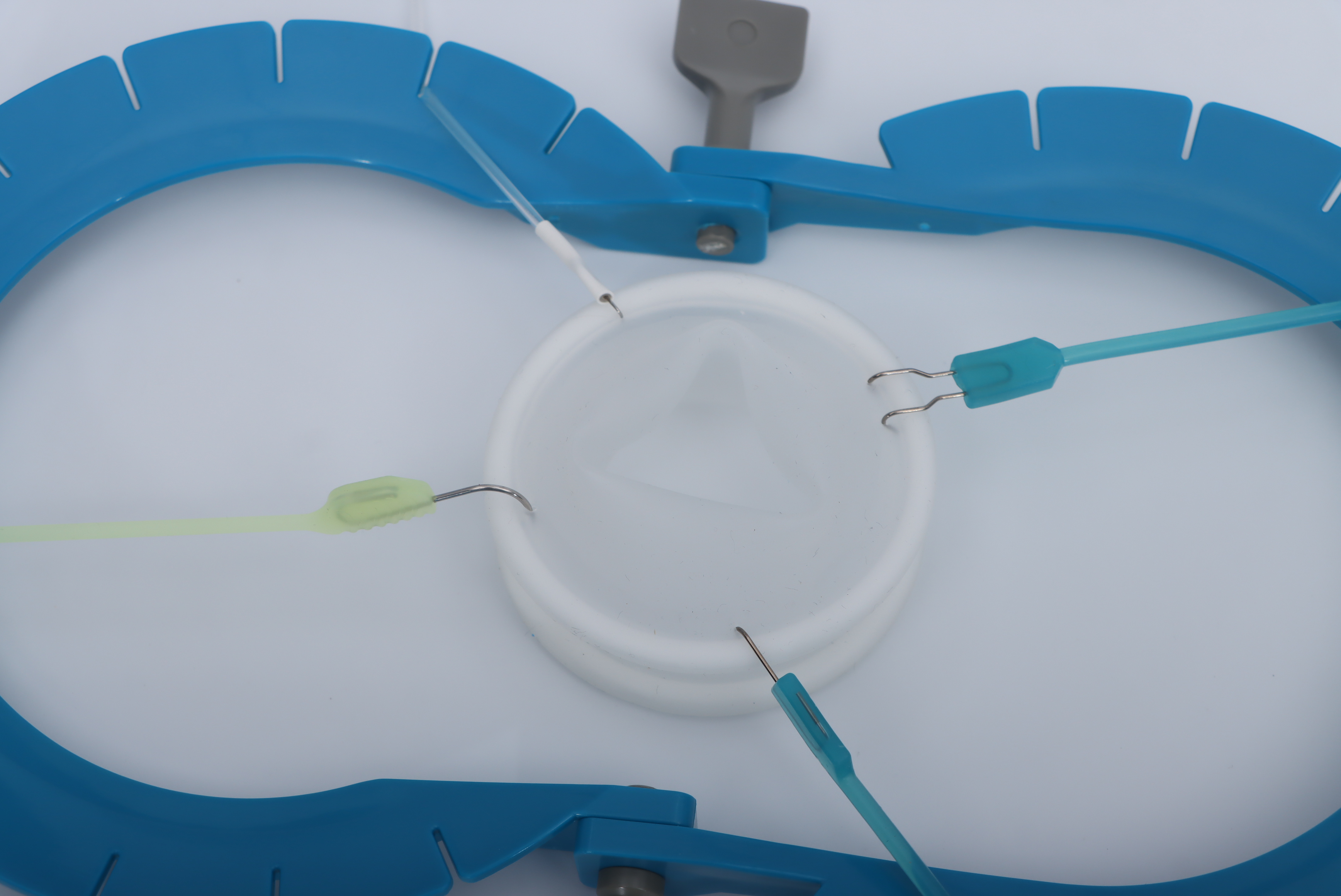
FAQ
Why does handle texture matter in a skin hook design?
Handle texture affects grip security and tactile feedback without requiring increased grip force from the surgeon. A textured surface on a skin hook provides reliable grip control even in wet surgical environments, allowing the surgeon to use a lighter, more ergonomic grasp. Smooth handles require compensatory gripping pressure, which increases fatigue and reduces the ergonomic benefit of the skin hook's other design features. Optimal texture on a skin hook prevents slipping while promoting relaxed hand positioning throughout extended procedures.
How does a skin hook's weight distribution affect long procedures?
Weight distribution in a skin hook determines whether the surgeon's hand and forearm muscles remain in a neutral, low-effort state or must work continuously against instrument imbalance. A properly weighted skin hook feels almost weightless in the surgeon's hand because its center of gravity aligns with the natural hand position. During procedures lasting several hours, an improperly balanced skin hook creates progressive muscle fatigue that compounds strain and degrades surgical precision. The ergonomic advantage of a well-balanced skin hook becomes progressively more valuable as operative time increases.
Can ergonomic skin hook design reduce occupational injuries in surgery?
Yes, ergonomic design of a skin hook directly contributes to injury prevention by reducing repetitive strain and awkward positioning throughout a surgeon's career. Surgeons who regularly use poorly designed instruments experience higher rates of carpal tunnel syndrome, epicondylitis, and chronic wrist pain. An ergonomically optimized skin hook reduces cumulative strain exposure, allowing surgeons to maintain careers longer and with fewer occupational injuries. Research consistently demonstrates that instrument ergonomics represent one of the most controllable factors in reducing surgical occupational injury risk.