 EN
EN

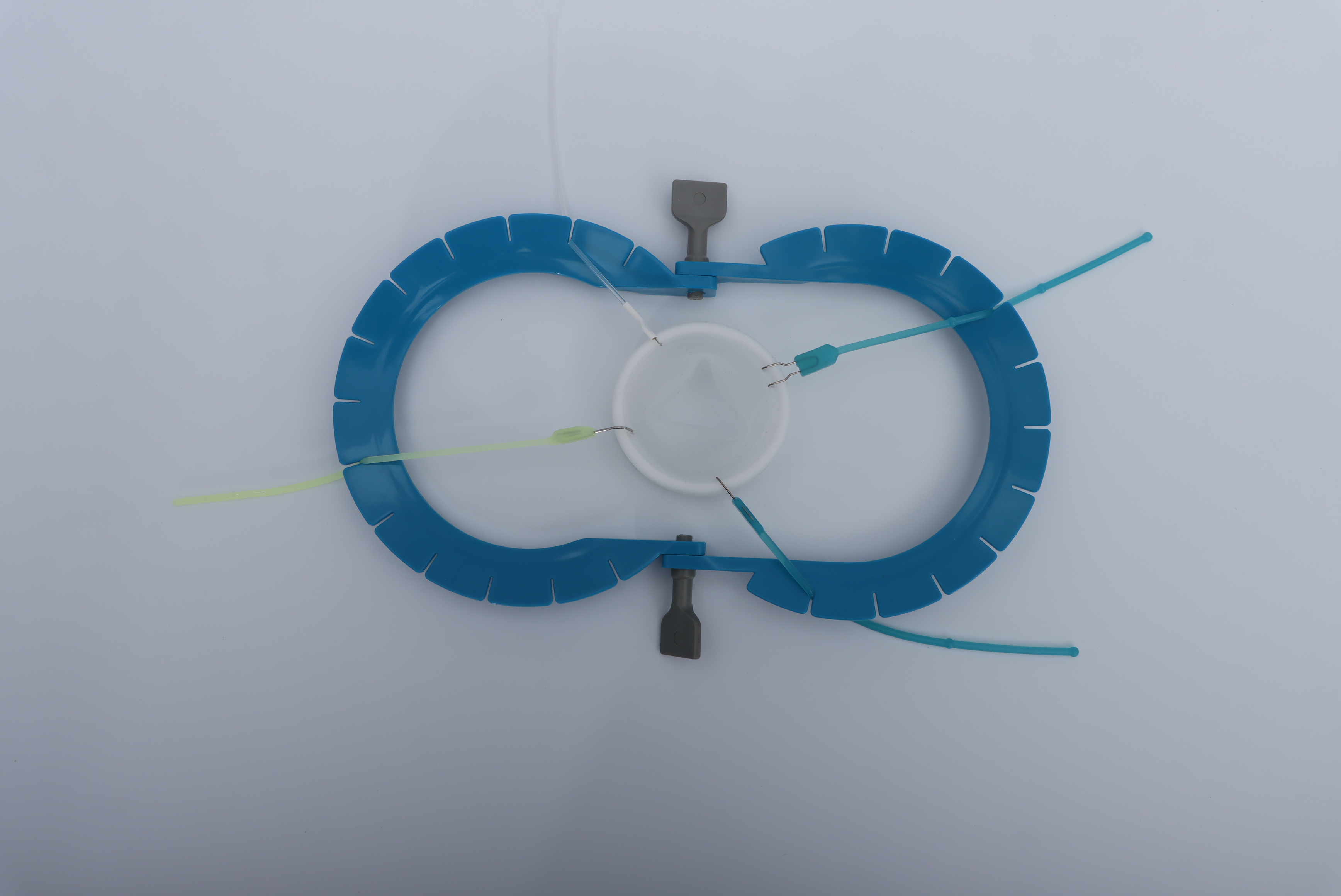
Minimally invasive surgical techniques have transformed modern medicine by reducing tissue trauma, shortening recovery times, and improving patient outcomes across countless procedures. However, achieving adequate surgical access and visibility through small incisions remains one of the most significant technical challenges surgeons face. A skin hook is a specialized retraction instrument designed to solve this fundamental problem by providing precise, controlled tissue displacement that opens the surgical field without requiring large incisions. Understanding how a skin hook works and why it has become indispensable in modern surgical practice is essential for any surgical team committed to delivering minimally invasive care.
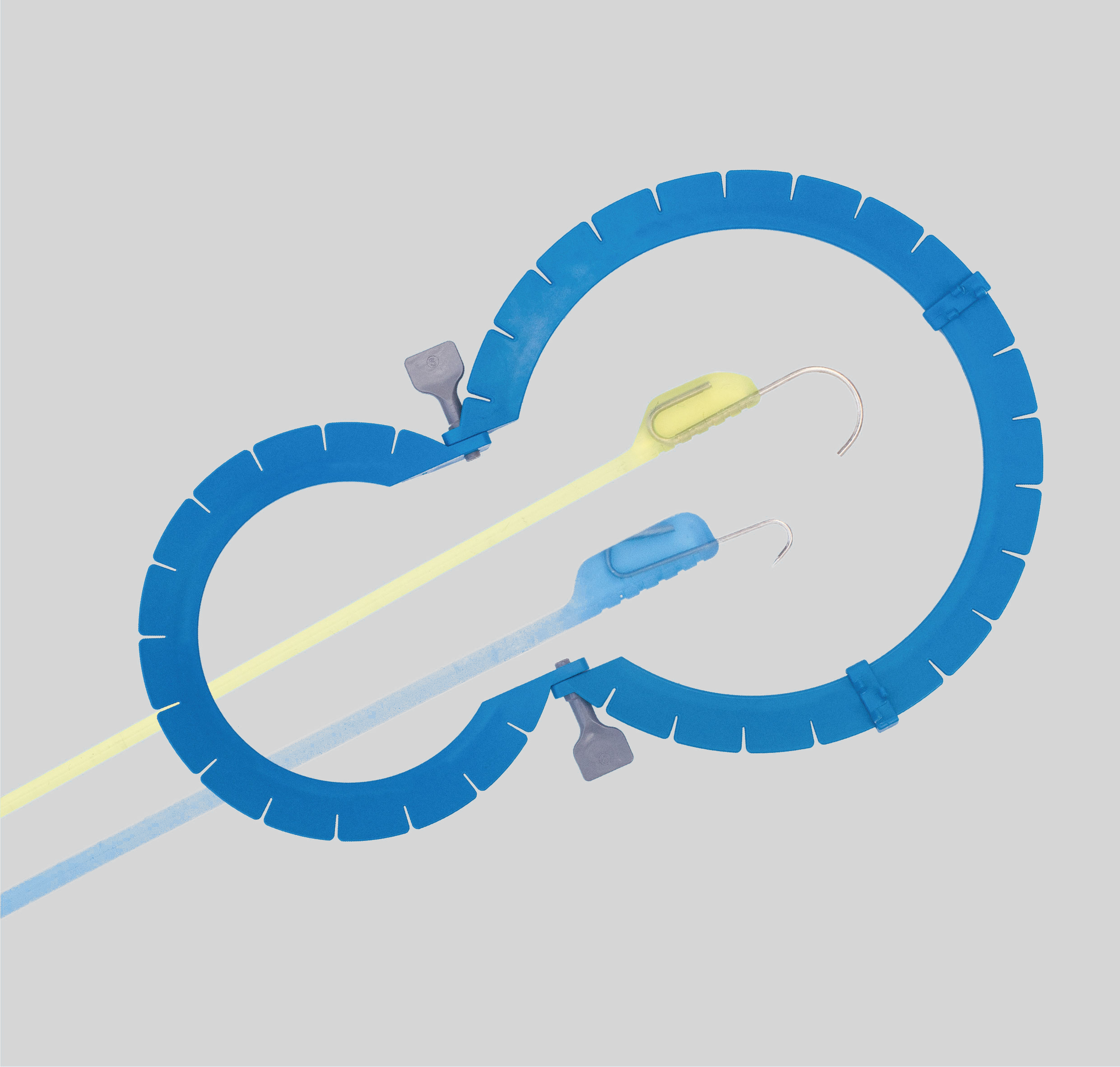
The skin hook functions by gently retracting skin and soft tissue edges away from the operative site, creating and maintaining a clear surgical window through minimal incisions. Unlike bulky self-retaining systems that occupy valuable space and limit maneuverability, a skin hook allows surgeons to adjust tissue tension dynamically throughout the procedure, responding in real-time to changing anatomical requirements. This versatility makes the skin hook particularly valuable in procedures where precision access, reduced operative time, and optimal patient recovery are critical priorities.
The Mechanical Advantage of Skin Hook Design
How Skin Hooks Enable Precise Tissue Displacement
A skin hook is engineered with a slender, curved or angular tip that engages tissue edges with minimal force concentration. The design of a skin hook allows surgeons to lift and position skin and subcutaneous tissue with remarkable control, creating optimal exposure while protecting underlying structures from unnecessary trauma. The shaft of a skin hook is typically smooth and tapered, enabling the instrument to fit through small incisions without requiring additional enlargement or compromise to the minimally invasive approach.
The mechanical geometry of a skin hook distributes retraction force across a broader tissue contact area compared to pointed instruments, reducing pressure necrosis and tissue damage. When a surgeon uses a skin hook, the curved design follows natural tissue planes and anatomical contours, facilitating safer dissection and reducing the risk of inadvertent injury to deeper structures. This biomechanical advantage explains why a skin hook has become the preferred choice in surgeries where tissue preservation and minimal collateral damage are paramount considerations.
Material and Construction Impact on Surgical Performance
Most skin hook instruments are manufactured from surgical-grade stainless steel, which provides superior strength, corrosion resistance, and durability through repeated sterilization cycles. The construction quality of a skin hook directly influences its reliability during prolonged surgical procedures and its ability to withstand the repeated sterilization protocols required in clinical settings. A well-constructed skin hook maintains its precise geometry and functional integrity across countless uses, making it a cost-effective investment for surgical facilities committed to minimally invasive techniques.
Clinical Applications and Surgical Access Enhancement
Expanding Surgical Visibility in Confined Spaces
The skin hook excels in procedures where limited incision size demands maximum visibility enhancement. Dermatologic procedures, including complex lesion removals and reconstructive surgeries, frequently employ a skin hook to retract skin edges and expose deeper tissue planes for precise surgical manipulation. In orthopedic surgery, a skin hook assists in arthroscopic procedures and open reduction internal fixation techniques where controlled tissue retraction directly correlates with surgical accuracy and reduced operative time.
Vascular surgeons utilize a skin hook to gently retract tissue surrounding blood vessels without applying excessive pressure that could compromise vascular integrity. The precision offered by a skin hook becomes critical when accessing delicate structures in confined anatomical spaces where traditional retraction systems would prove cumbersome or dangerous. Plastic and reconstructive surgeons routinely incorporate a skin hook into their minimally invasive procedures because the instrument's design aligns perfectly with the principle of tissue preservation that defines modern plastic surgery.
Real-Time Adaptability During Complex Procedures
Unlike fixed self-retaining systems, a skin hook can be repositioned, released, and adjusted continuously throughout a procedure without disrupting the surgical field or requiring additional incisions. This real-time adaptability of a skin hook allows surgeons to respond to anatomical variations, unexpected findings, or changing procedural requirements without compromising their minimally invasive approach. The dynamic control offered by a skin hook is particularly valuable in procedures where anatomical landmarks may shift or where tissue planes require careful identification as the surgery progresses.
Patient Benefits and Outcome Optimization
Minimizing Tissue Trauma and Recovery Complications
When a surgeon uses a skin hook for precise, controlled retraction, tissue trauma is significantly reduced compared to aggressive manual retraction or inappropriate self-retaining systems. The gentle, focused action of a skin hook preserves tissue viability, maintains blood perfusion to surrounding structures, and reduces inflammation and swelling during the postoperative period. Patients undergoing procedures where a skin hook enables true minimally invasive access experience reduced pain, faster healing, and lower infection rates compared to procedures requiring larger incisions.
The reduced operative time often achieved through improved visualization provided by a skin hook directly translates to decreased anesthesia exposure and reduced surgical stress on the patient. A skin hook helps surgeons complete procedures with confidence and efficiency, allowing them to focus on surgical precision rather than struggling with inadequate exposure. This combination of benefits makes a skin hook essential to delivering the full spectrum of advantages that minimally invasive surgery promises to patients.
Enhanced Surgeon Control and Procedural Efficiency
Surgeons consistently report that using a skin hook enhances their procedural efficiency by providing consistent, predictable tissue retraction that remains stable throughout the operation. The reliability of a skin hook eliminates the need for assistant involvement in manual retraction during many procedures, allowing surgical team members to focus on other critical tasks. This improved workflow efficiency enabled by a skin hook reduces overall operative time and hospital resource consumption while maintaining or improving surgical outcomes.
FAQ
What exactly is a skin hook and how does it differ from other retraction instruments?
A skin hook is a handheld surgical instrument with a small curved or angled tip designed to gently retract skin and soft tissue edges during surgery. Unlike self-retaining retractors that are mechanically fixed in position, a skin hook is manually controlled, allowing surgeons to adjust tissue position dynamically. The skin hook requires minimal incision enlargement, making it ideal for minimally invasive procedures where space constraints demand maximum efficiency and precision.
In which surgical specialties is a skin hook most commonly used?
A skin hook is widely used across dermatologic, orthopedic, vascular, plastic, and general surgery specialties. Any surgical field requiring precise tissue retraction through small incisions benefits from a skin hook's versatile design and controllability. The skin hook has become particularly essential in minimally invasive procedures where maintaining adequate visualization while preserving tissue integrity represents a primary technical challenge.
Are there different types or sizes of skin hooks available for different procedures?
Yes, skin hook instruments come in various sizes, angles, and tip configurations to accommodate different procedural requirements and anatomical situations. Some skin hook designs feature sharper angles for tight spaces, while others have gentler curves for delicate tissue handling. A skin hook selection depends on the specific procedure, incision location, tissue type, and surgeon preference, ensuring optimal instrument fit for each clinical application.