 EN
EN
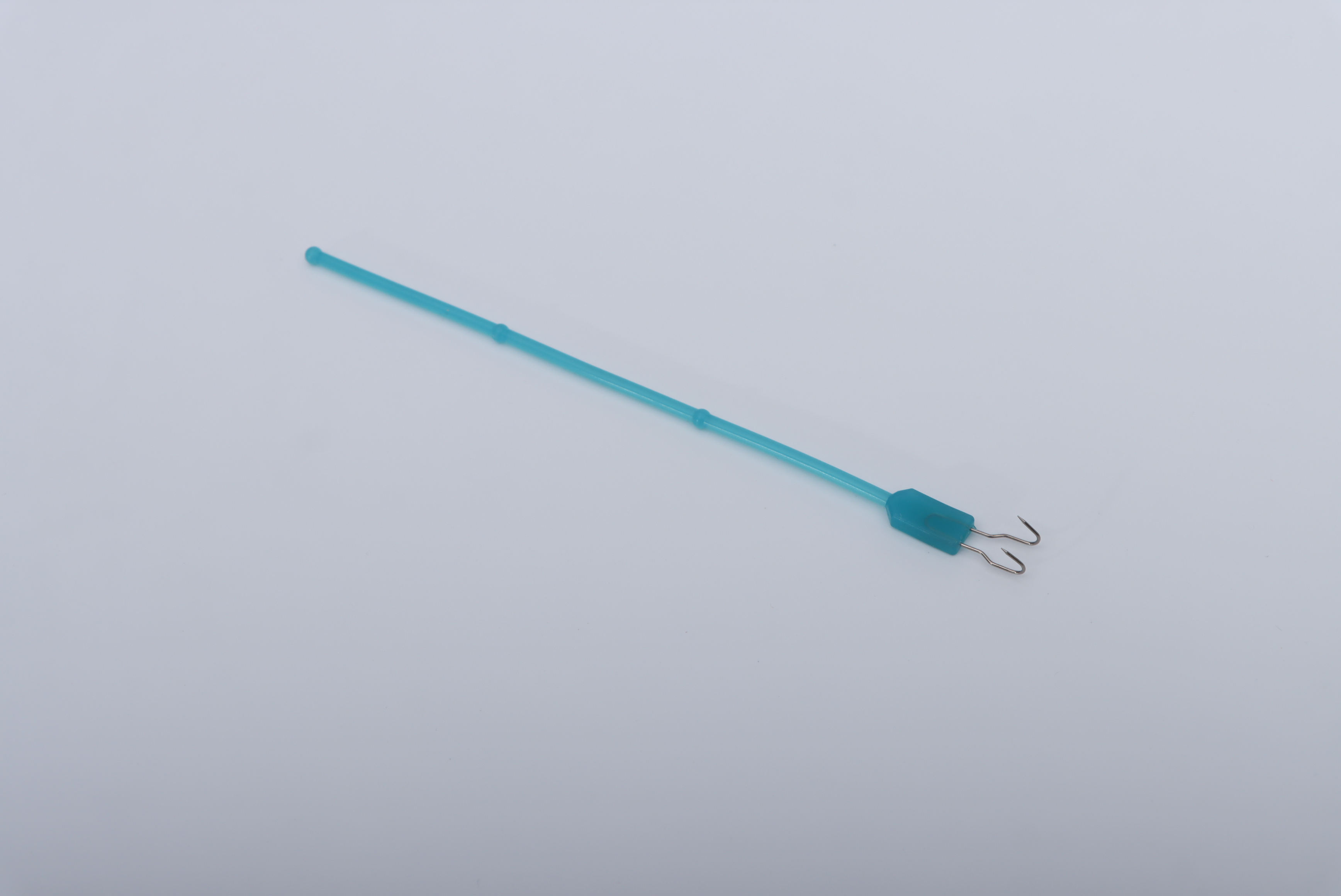
The skin hook is a fundamental surgical instrument that plays a critical role in numerous surgical procedures across multiple specialties. This delicate yet essential tool enables surgeons to achieve precise tissue retraction and visualization, allowing for better surgical outcomes and reduced tissue trauma. Understanding where and how the skin hook is used reveals why it remains indispensable in modern surgical practice, from cosmetic procedures to complex reconstructive surgeries.
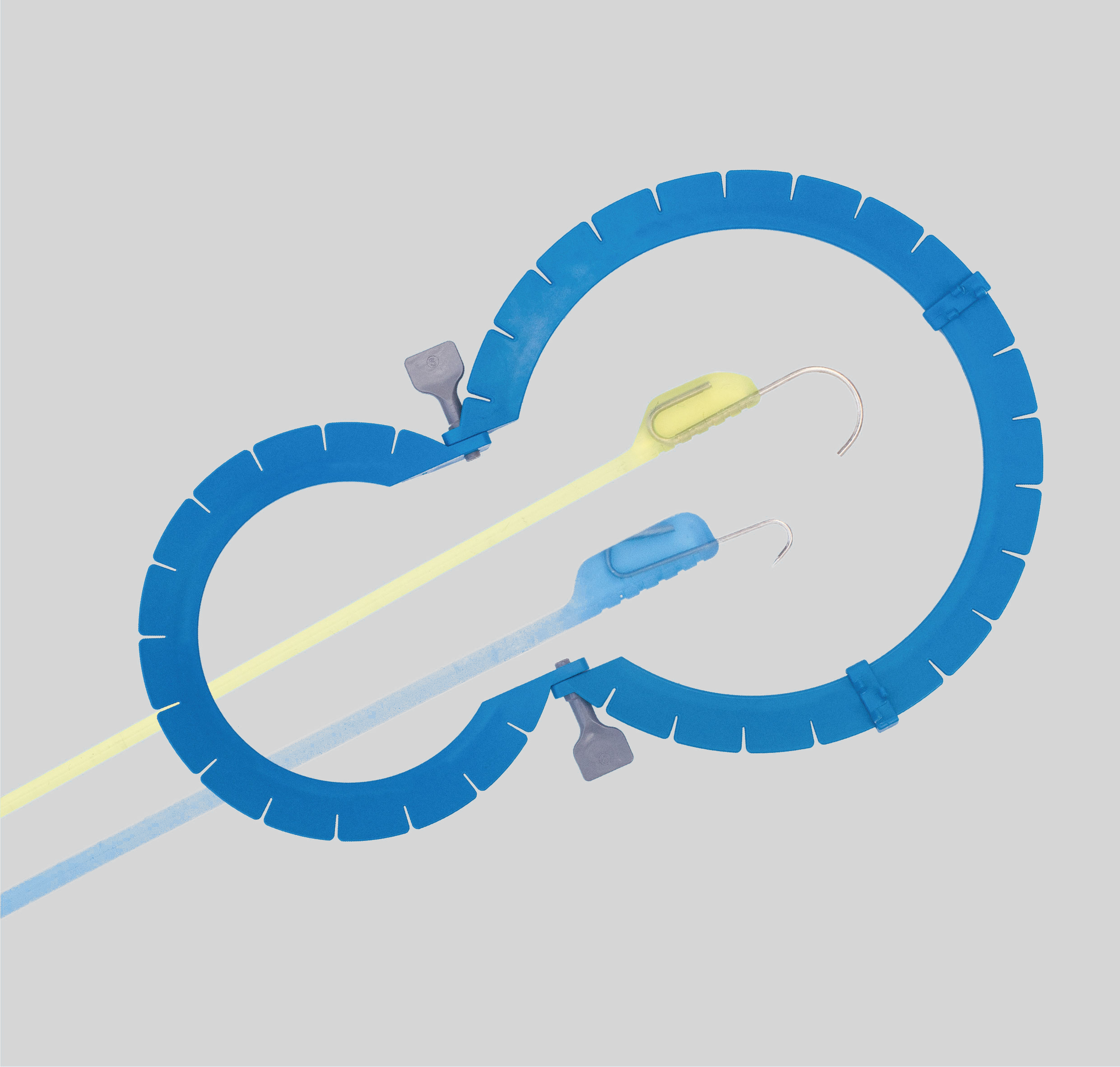
Surgeons rely on the skin hook for its unique ability to gently lift and retract delicate tissue layers without causing excessive trauma or scarring. The design of a skin hook allows for controlled, minimal-force retraction that preserves tissue integrity while providing optimal visualization of the surgical field. This precision makes the skin hook particularly valuable in procedures where tissue handling matters significantly for patient recovery and aesthetic outcomes.
Cosmetic and Aesthetic Surgery Applications
Facial Rejuvenation Procedures
In cosmetic facial surgery, the skin hook is essential for achieving superior results in facelift procedures, brow lifts, and eyelid surgeries. During a facelift, surgeons use the skin hook to retract facial skin layers precisely, exposing the underlying musculature and fascia for modification. The skin hook allows surgeons to work with millimeter-level accuracy, ensuring symmetric results and minimizing visible scarring. By using the skin hook strategically during these procedures, surgeons can identify and preserve critical facial nerves while achieving the desired aesthetic outcome.
Eyelid surgery represents another critical application where the skin hook demonstrates its value in ophthalmologic cosmetic procedures. The delicate nature of periocular tissue demands the gentlest possible retraction, and the skin hook provides exactly that level of control. Surgeons employ the skin hook to lift and retract eyelid skin during blepharoplasty, allowing visualization of excess tissue and precise removal. The skin hook minimizes edema and bruising compared to heavier retraction methods, leading to faster patient recovery and improved surgical satisfaction.
Body Contouring Operations
Body contouring procedures, including tummy tucks and liposuction revision surgeries, heavily depend on the skin hook for safe and effective tissue management. When surgeons perform abdominoplasty or similar procedures, the skin hook retracts skin flaps to expose the underlying musculofascial structures requiring treatment. The skin hook enables surgeons to maintain tissue perfusion during extended procedures by avoiding excessive pressure or tension. This capability directly translates to reduced complications, faster healing, and improved aesthetic symmetry in body contouring outcomes.
Reconstructive and Plastic Surgery Techniques
Burn Reconstruction and Scar Revision
Reconstructive surgeons rely heavily on the skin hook when addressing burn scars, traumatic injuries, and congenital deformities. During scar revision procedures, the skin hook provides precise retraction of damaged tissue edges, allowing surgeons to align tissue layers with exact anatomical positioning. The skin hook is particularly valuable in layered closure techniques where multiple tissue planes require individual visualization and manipulation. Surgeons use the skin hook to prevent tissue tearing and to maintain orientation during complex reconstructive flap procedures.
Burn reconstruction represents one of the most demanding applications for the skin hook, as surgeons must work with compromised, fragile tissue over extended operative times. The skin hook allows for gentle, controlled retraction that preserves remaining viable tissue while exposing burn-affected areas requiring debridement or grafting. The precision offered by the skin hook is essential in burns reconstruction because excessive tissue trauma can lead to increased scarring, contractures, and functional impairment. Surgeons appreciate the skin hook's ability to provide visualization without additional tissue injury during these challenging procedures.
Microsurgical and Microvascular Reconstruction
In microsurgical applications, the skin hook becomes even more critical because surgeons work with tissues measured in millimeters. During microsurgical flap procedures and tissue transplantation, the skin hook retracts delicate neurovascular structures and tissue layers with surgical precision. The skin hook allows microsurgeons to identify and protect vital blood vessels and nerves during dissection and inset. This level of precision is fundamental to successful free flap surgery, where tissue viability depends on maintaining vascular and neural integrity throughout the procedure.
General Surgery and Wound Management
Laceration Repair and Wound Closure
Emergency and general surgeons use the skin hook extensively in laceration repair and acute wound management. When closing lacerations in challenging anatomical locations, the skin hook provides retraction to visualize wound depth and tissue layers. The skin hook enables surgeons to identify foreign bodies, assess nerve and tendon involvement, and achieve anatomically precise closure. The gentle retraction provided by the skin hook is particularly important in pediatric trauma cases where tissue integrity directly impacts long-term scarring and functional outcomes.
In emergency departments and operating rooms, the skin hook remains a standard instrument for tissue evaluation during acute injury assessment. The skin hook allows physicians to open wound edges gently and systematically explore tissue planes without creating additional trauma. This controlled visualization is essential for determining injury severity, identifying structures requiring specialist intervention, and guiding appropriate treatment decisions. The simplicity and effectiveness of the skin hook make it invaluable in high-volume acute care settings.
Surgical Drainage and Infection Management
Surgeons employ the skin hook during drainage procedures and infection management to maintain tissue exposure while protecting surrounding structures. When managing abscesses, seromas, or hematomas, the skin hook retracts skin and soft tissue layers to provide access to fluid collections. The skin hook helps surgeons work safely near critical structures like nerves and blood vessels by maintaining controlled visualization without heavy instrumentation. This application demonstrates the skin hook's versatility across routine surgical procedures beyond major elective cases.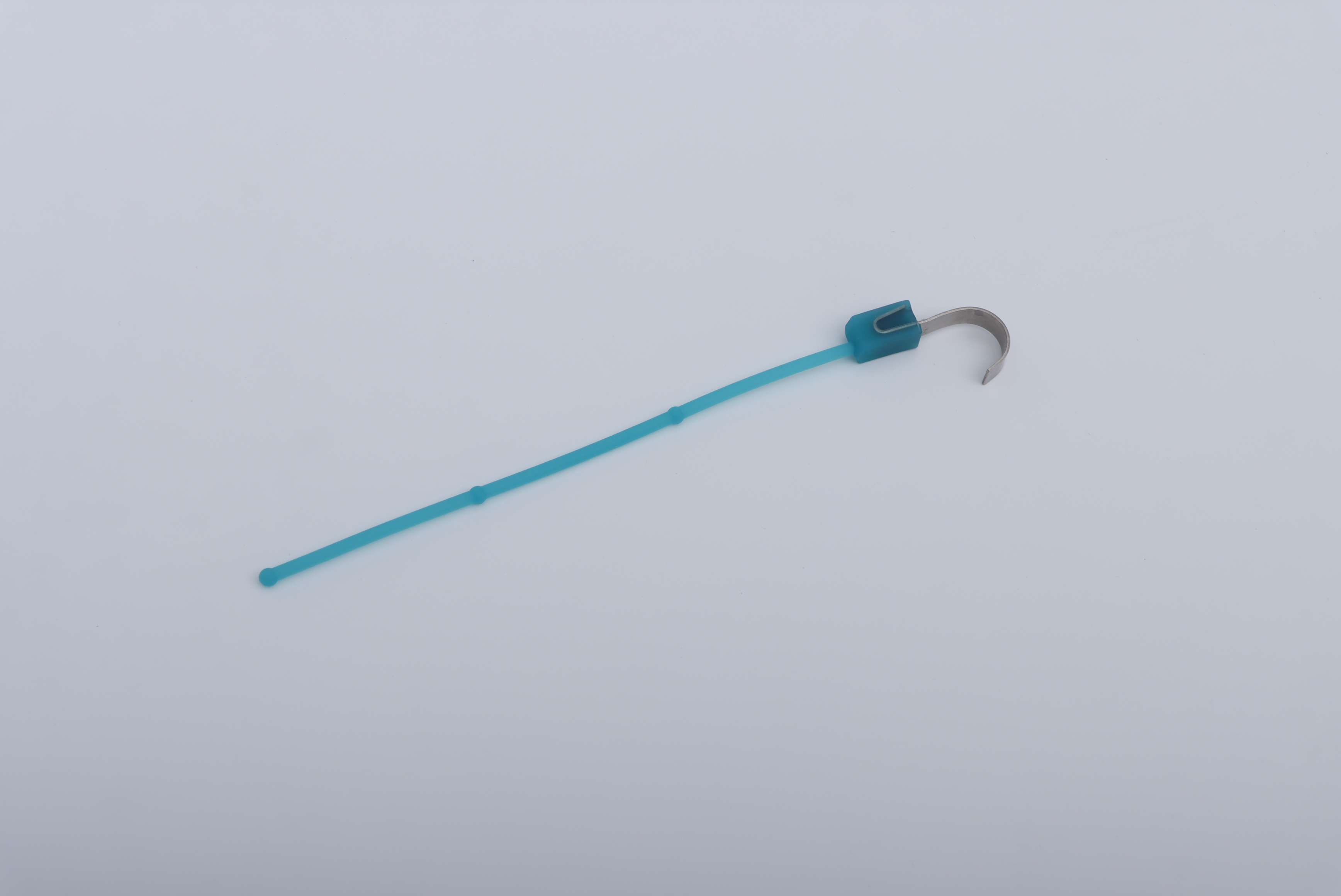
FAQ
What makes the skin hook different from other surgical retractors?
The skin hook differs from other retractors because of its single-tooth design and minimal surface area, which allows for selective, gentle retraction of superficial tissue layers. Unlike broad retractors that apply pressure across wider areas, the skin hook engages tissue with minimal force, reducing trauma and edema. The skin hook is particularly suited for single-layer retraction where surgeons need precise visualization without affecting deeper structures. This design makes the skin hook ideal for delicate facial procedures and microsurgical applications where tissue handling directly impacts outcomes.
Can the skin hook be used in all surgical specialties?
The skin hook is most valuable in specialties emphasizing precise tissue handling and minimal scarring, including plastic surgery, reconstructive surgery, and dermatologic surgery. While general surgeons and emergency physicians frequently use the skin hook for wound evaluation and laceration repair, orthopedic and cardiac surgeons typically employ heavier retraction systems. The skin hook's effectiveness depends on the need for selective superficial retraction rather than deep structural exposure. Many surgical specialties maintain the skin hook in their instrument trays because of its versatility and consistent utility across multiple procedure types.
How does proper skin hook technique minimize patient complications?
Proper skin hook technique minimizes complications by applying gentle, perpendicular retraction that avoids crushing or tearing delicate tissue. Surgeons trained in skin hook use understand the importance of positioning to prevent nerve compression or vascular compromise during extended procedures. The skin hook's effectiveness depends on correct angle and tension, which prevents excessive edema, bruising, and hematoma formation. By mastering skin hook technique, surgeons can improve patient recovery times, reduce visible scarring, and enhance aesthetic outcomes across cosmetic and reconstructive procedures.