 EN
EN

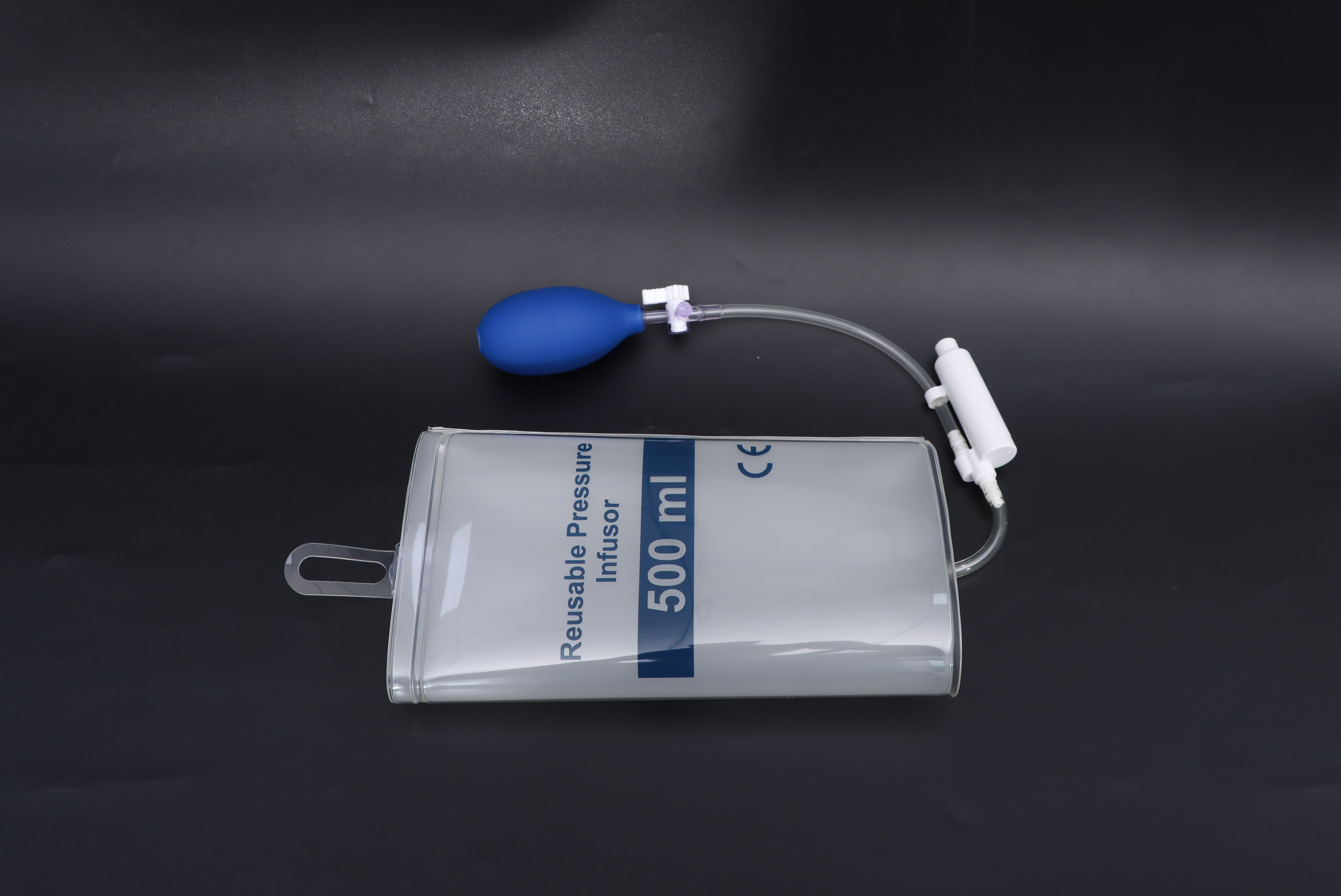
Pressure regulation stands as one of the most critical factors in any pressure bag system used in surgical, emergency, or medical care environments. A pressure bag maintains consistent fluid delivery by applying controlled pressure to intravenous or irrigation containers. Without proper pressure bag regulation, healthcare providers face significant risks including uncontrolled fluid flow, catheter complications, and compromised patient safety. Understanding why pressure regulation matters in a pressure bag system is essential for medical professionals who rely on these devices daily to deliver fluids reliably and maintain clinical precision.
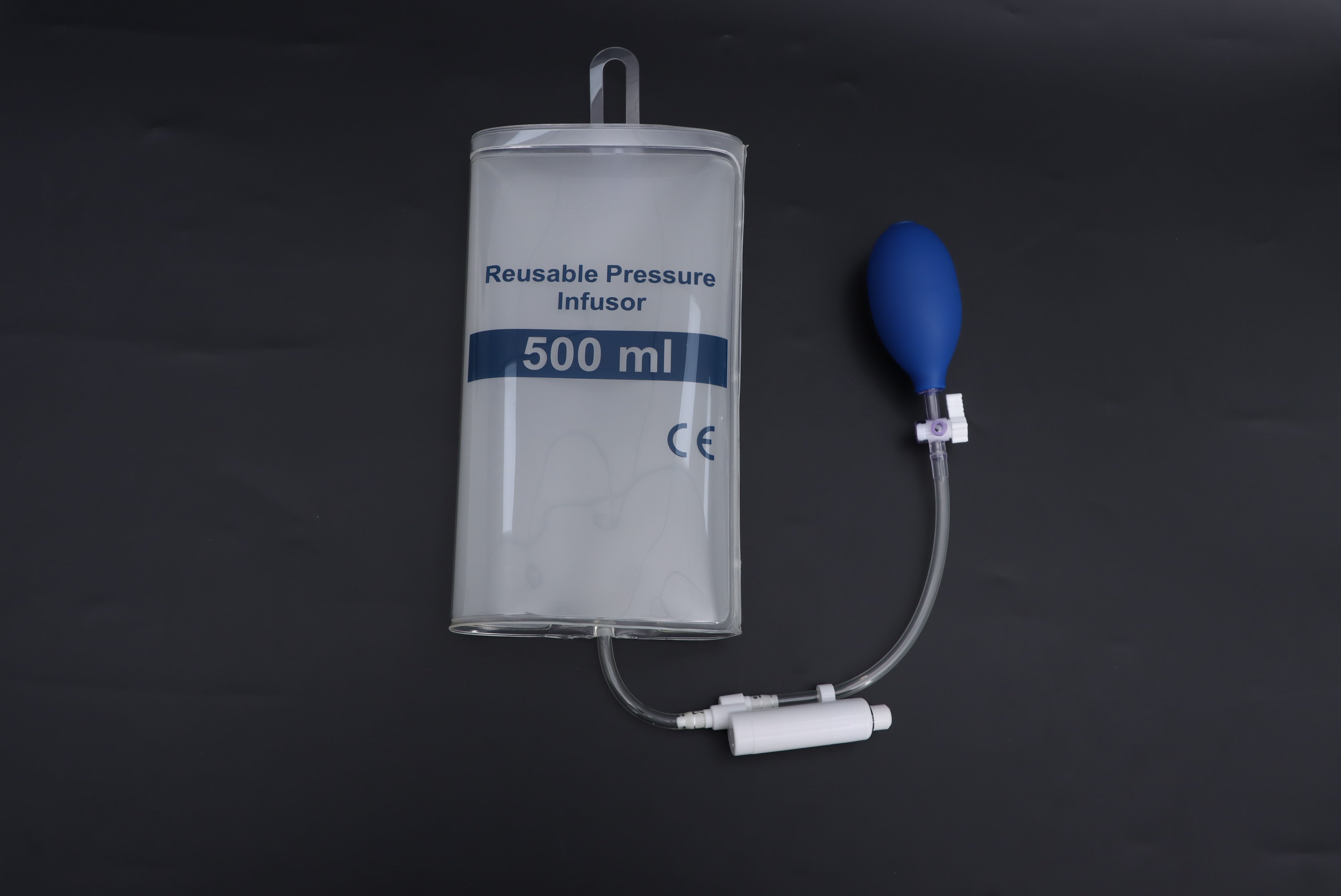
The foundation of effective fluid administration in clinical settings rests on the ability of a pressure bag to deliver consistent, predictable flow rates. When a pressure bag fails to regulate pressure properly, several cascading problems emerge that directly impact patient outcomes. Excessive pressure can rupture fragile vessels or damage sensitive tissues, while insufficient pressure results in sluggish or inconsistent fluid delivery. The stakes are particularly high in surgical environments where precise fluid management determines both procedural success and patient recovery trajectories.
Understanding Pressure Regulation in Pressure Bag Systems
The Core Function of Pressure Regulation
A pressure bag operates by enclosing fluid containers and applying external pressure to accelerate delivery through intravenous lines or irrigation channels. Proper pressure regulation ensures this applied force remains within safe therapeutic ranges throughout the entire procedure. When a pressure bag maintains correct regulation, clinicians achieve uniform flow rates that can be predicted and adjusted as needed. This predictability is fundamental to managing fluid volumes during transfusions, rapid rehydration, or surgical irrigation. The pressure bag achieves this through a calibrated valve system that responds to internal fluid pressure and prevents dangerous overpressurization.
How Pressure Builds and Dissipates
Inside a pressure bag system, pressure accumulates as external force compresses the fluid container against internal resistance. As fluid flows out through the IV line or irrigation apparatus, pressure naturally decreases unless the pressure bag valve compensates. A well-designed pressure bag maintains steady pressure by automatically adjusting its compression force as fluid volume changes. Without this dynamic regulation, early-phase high pressure could cause vascular damage, and late-phase pressure loss could leave the bag unable to deliver adequate volume when the procedure demands rapid flow. The pressure bag valve must therefore balance responsiveness with stability.
Clinical Safety and Pressure Bag Regulation
Preventing Hemolysis and Vessel Damage
Excessive pressure from an improperly regulated pressure bag can cause hemolysis, the rupture of red blood cells during blood transfusion, rendering the blood product unusable and potentially harming the patient. Fragile capillaries in peripheral tissues can rupture if pressure bag compression forces fluid through IV catheters at uncontrolled velocities. Cardiac patients, elderly patients with delicate vasculature, and neonates face particularly acute risks when a pressure bag fails to maintain safe pressure levels. The pressure bag must therefore incorporate failsafes that prevent pressurization beyond recommended thresholds, typically 300 millimeters of mercury for most clinical applications. Regulatory bodies and clinical standards bodies have established these limits based on decades of evidence showing where vascular injury becomes probable.
Ensuring Consistent Flow Rates
Surgical irrigation, medication administration, and blood transfusions all depend on predictable flow rates that a properly regulated pressure bag enables. When a pressure bag lacks adequate regulation, flow rates fluctuate unpredictably, complicating fluid accounting and potentially causing over- or under-administration of critical fluids. Anesthesiologists and surgeons rely on pressure bag performance to maintain precise intravascular volumes during complex procedures. A pressure bag that regulates accurately allows clinical staff to calculate infusion duration, monitor cumulative volumes, and adjust delivery rates in response to patient physiology. This consistency cannot be achieved through unregulated gravity infusion or manual pressure manipulation.
Operational Efficiency and Pressure Bag Performance
Reducing Setup Time and Complications
A pressure bag equipped with reliable pressure regulation allows medical staff to establish rapid fluid delivery without repeatedly adjusting external pressure or troubleshooting inadequate flow. Each minute saved in setup represents one less minute of exposure for the patient and one more minute available for the actual clinical procedure. Emergency departments benefit enormously from pressure bag systems that regulate automatically, enabling paramedics and nurses to confidently apply the device and focus on other critical interventions. The pressure bag becomes a trustworthy tool rather than a device requiring constant monitoring and manual adjustment. This operational reliability translates directly into improved workflow efficiency and reduced clinical burden.
Compatibility with Modern Fluid Delivery Systems
Contemporary surgical environments integrate pressure bag technology with warming devices, rapid infusion systems, and electronic monitoring equipment that all depend on consistent pressure bag output. A pressure bag that fails to maintain stable pressure introduces incompatibility issues and forces clinicians to abandon integrated systems in favor of simpler alternatives. Modern blood warmers and fluid rapid infusion systems are calibrated to function optimally within specific pressure ranges that only a well-regulated pressure bag can provide. The pressure bag therefore becomes a critical compatibility bridge between fluid sources and advanced clinical infrastructure. Without proper pressure bag regulation, hospitals cannot fully leverage their investments in modern transfusion and infusion technology.
Maintenance and Long-Term Reliability
Extending Pressure Bag Lifespan
Excessive or uncontrolled pressure within a pressure bag accelerates wear on internal valve mechanisms and seals, shortening device lifespan and increasing replacement costs. A pressure bag engineered with robust pressure regulation distributes stress evenly throughout the device, reducing mechanical fatigue and extending operational life. Medical facilities that prioritize pressure bag regulation as part of their procurement standards experience fewer device failures and reduced downtime. The pressure bag valve system, when properly regulated, rarely exceeds design stress limits and maintains performance predictably over hundreds of clinical applications. Institutions investing in quality pressure bag equipment with superior regulation benefit from lower lifecycle costs despite higher initial expenditure.
Supporting Quality Control and Compliance
Healthcare accreditation agencies and regulatory bodies require documentation that pressure bag systems maintain safe operating parameters throughout their clinical use. A pressure bag with excellent regulation provides objective evidence of safety compliance through consistent performance metrics that can be verified through biomedical testing. When a pressure bag fails to regulate adequately, it creates documentation gaps and potential liability exposure for healthcare facilities. Quality assurance programs depend on the ability of pressure bag devices to demonstrate repeatable, measurable pressure control across multiple units and extended timeframes. The pressure bag therefore serves as both a clinical tool and a quality assurance anchor point.
FAQ
What pressure range should a pressure bag maintain during typical clinical use?
Most clinical pressure bag systems maintain pressure between 100 and 300 millimeters of mercury during normal operation. The specific pressure bag range depends on the application, fluid viscosity, and patient factors. Blood products typically use lower pressure bag settings to prevent hemolysis, while irrigation solutions may tolerate higher pressure bag pressures. Your pressure bag documentation provides specific guidance for your clinical environment.
How do I verify that my pressure bag is regulating pressure correctly?
Regular pressure bag testing with a handheld pressure gauge or biomedical equipment testing provides objective verification of pressure regulation performance. Most hospitals conduct annual pressure bag inspections and replace units that fail pressure bag calibration standards. Visual signs of concern include inconsistent fluid flow, difficulty maintaining consistent infusion rates, or audible pressure release sounds. Contact your biomedical department or device manufacturer if your pressure bag shows signs of improper regulation.
Can a pressure bag with poor regulation be repaired or recalibrated?
Most disposable and semi-disposable pressure bag systems cannot be recalibrated after manufacture. If a pressure bag fails to regulate within specification, replacement is the appropriate response. Some institutions may attempt pressure bag repair if the device is reusable, but this should only be conducted by authorized biomedical personnel following manufacturer guidelines. Safety standards prohibit continued clinical use of pressure bag systems with questionable regulation integrity.