 EN
EN

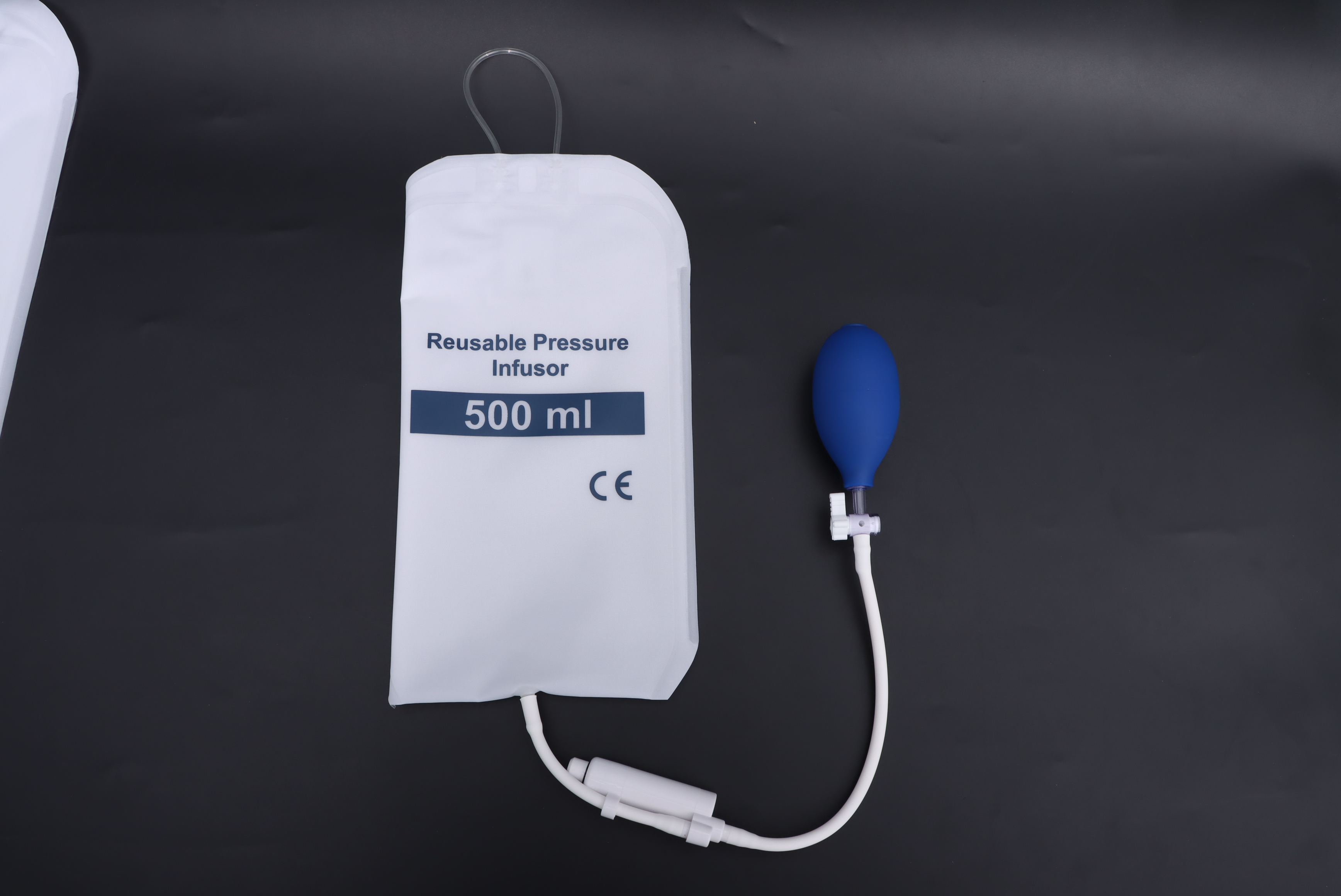
A pressure bag is a critical medical device designed to regulate and maintain consistent fluid delivery during clinical procedures. In surgical environments, emergency departments, and procedural settings, maintaining stable fluid administration is essential for patient safety and procedural success. The pressure bag operates by applying controlled external pressure to an IV fluid container, ensuring that fluid flows at a predetermined rate regardless of gravitational variations, patient position changes, or venous pressure fluctuations. Understanding how a pressure bag maintains this stability helps healthcare professionals optimize infusion protocols and improve clinical outcomes.
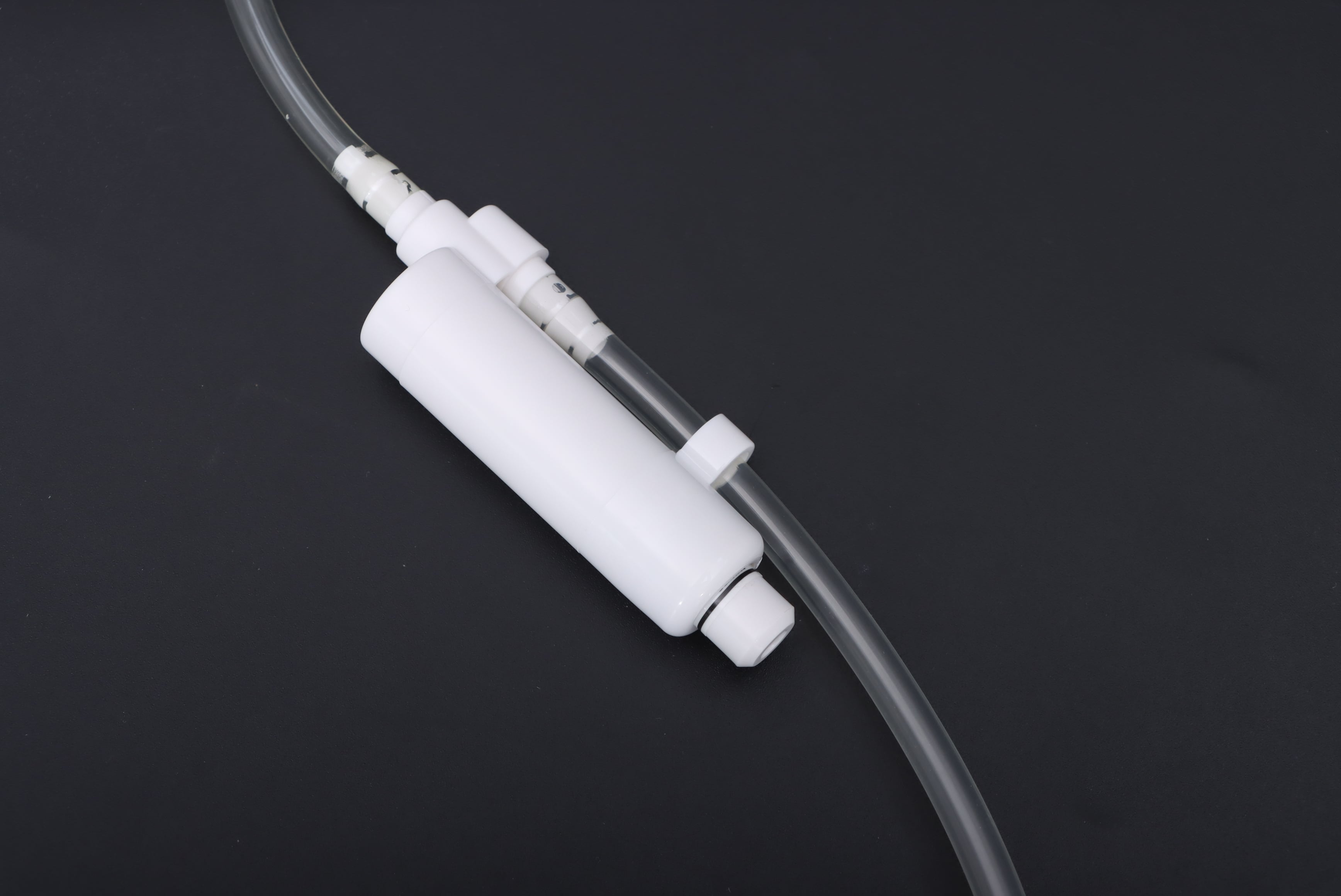
The pressure bag mechanism represents a fundamental advancement in fluid delivery technology. By maintaining constant external pressure on the IV container, a pressure bag eliminates the unpredictability associated with gravity-dependent flow rates. This becomes particularly valuable during rapid fluid resuscitation, blood product administration, and procedures requiring precise infusion volumes. Clinical staff rely on pressure bag systems to deliver medications and fluids reliably, which directly impacts patient recovery, reduces complications, and enhances procedural efficiency across diverse healthcare environments.
How Pressure Bag Systems Maintain Consistent Flow Rates
Mechanical Pressure Application and Regulation
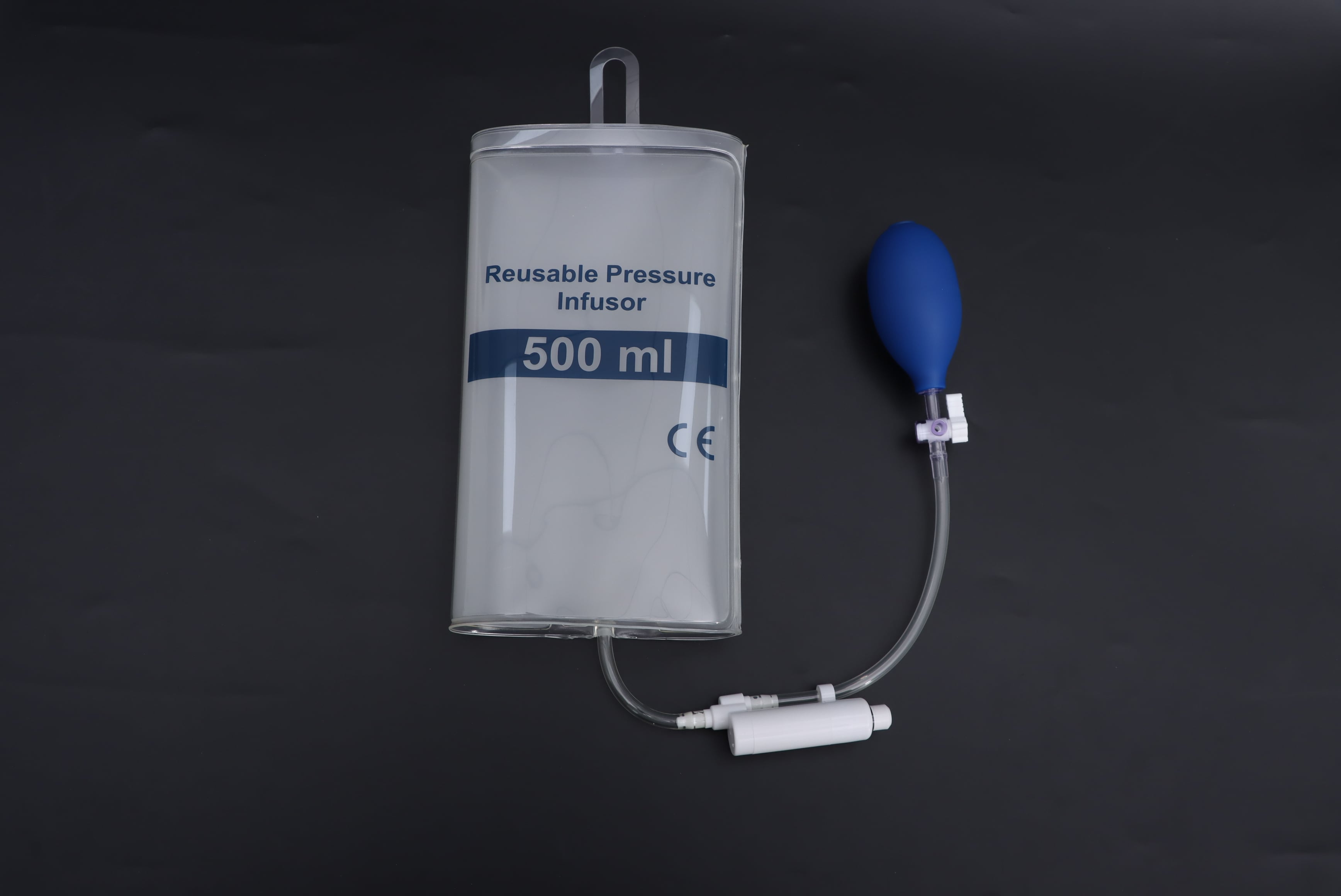
A pressure bag functions through a straightforward yet highly effective mechanism. The device encloses an IV fluid container within an inflatable chamber constructed from durable, medical-grade materials. When air is manually pumped into this chamber via an attached hand pump, the internal pressure increases uniformly around the fluid container. This external pressure directly translates into enhanced flow rate at the administration point. Unlike gravity-alone infusion, which depends on container height and fluctuates with patient movement, a pressure bag delivers independent, consistent fluid pressure. The pressure bag maintains this stability by distributing applied pressure evenly across the entire fluid container surface, preventing localized pressure points that might compromise container integrity or alter flow rates unpredictably.
Pressure Maintenance and Safety Features
Modern pressure bag designs incorporate built-in pressure gauges and safety relief valves to prevent over-pressurization. These components are essential because excessive pressure could damage the IV line, rupture the container, or cause hemolysis in blood products. A properly calibrated pressure bag maintains pressure within safe therapeutic ranges, typically between 100 and 300 millimeters of mercury, depending on the specific clinical application and fluid type. The relief valve automatically releases excess pressure if the pressure bag is over-inflated, protecting both the fluid container and the patient. This built-in safety feature ensures that clinicians can use the pressure bag confidently without risk of system failure or patient harm.
Clinical Benefits of Pressure Bag Technology
Rapid Fluid Resuscitation and Emergency Response
In emergency medicine and trauma care, rapid fluid delivery can mean the difference between patient survival and poor outcomes. A pressure bag excels in these high-acuity situations by delivering large fluid volumes quickly and consistently. During hemorrhagic shock, sepsis, or acute dehydration, clinicians use a pressure bag to rapidly administer crystalloid solutions, blood products, or colloid solutions. The pressure bag eliminates time wasted on adjusting drip rates or troubleshooting gravity-dependent flow failures. Emergency departments rely heavily on pressure bag systems because they provide reliable, reproducible fluid delivery when seconds count. This capability makes the pressure bag indispensable in trauma bays, intensive care units, and surgical recovery areas where unstable patients require aggressive fluid management.
Surgical Procedure Precision and Patient Positioning Flexibility
Operating room procedures demand predictable infusion rates regardless of patient position changes during surgery. A pressure bag maintains consistent flow whether the patient is supine, prone, or positioned laterally. This independence from gravitational effects allows surgeons and anesthesiologists to focus on procedural execution rather than manually adjusting IV flow rates. During orthopedic surgery, cardiac procedures, or laparoscopic interventions where patient positioning changes frequently, a pressure bag ensures medication delivery remains uninterrupted and stable. The pressure bag also benefits procedures requiring precise medication administration, such as chemotherapy infusions or critical medication drips, where flow rate variations could compromise therapeutic effectiveness or increase toxicity risk.
Optimizing Pressure Bag Performance and Safe Use
Proper Inflation Technique and Pressure Monitoring
Healthcare professionals must understand correct pressure bag inflation techniques to maximize benefits and prevent complications. Before use, clinicians should inspect the pressure bag for any visible damage, cracks, or leaks in the chamber material. The fluid container should be properly seated within the pressure bag, and all connecting tubing must be secure and free from kinks or occlusions. When inflating the pressure bag, personnel should pump smoothly and monitor the attached pressure gauge continuously. Most clinical protocols recommend maintaining pressure bag pressure between 150 and 300 millimeters of mercury for standard IV infusions, though specific requirements vary by fluid type. The pressure bag pressure should be rechecked periodically during use because natural air leakage may cause gradual pressure loss over time.
Compatibility and Maintenance Best Practices
Not all IV containers and fluid types are compatible with pressure bag systems. Glass bottles and rigid plastic containers generally work well with pressure bags, whereas some flexible plastic bags may not tolerate external pressure without rupturing. Clinicians must verify container compatibility before applying a pressure bag. Additionally, certain blood products, medications, and nutritional solutions may have manufacturer restrictions regarding pressure bag use. After each procedure, the pressure bag should be deflated completely and cleaned according to facility protocols. Inspection for material degradation, such as elasticity loss or surface cracks, ensures the pressure bag remains safe for subsequent use. Proper maintenance extends the pressure bag lifespan and maintains reliable performance across multiple clinical applications.
FAQ
What is the maximum safe pressure for a pressure bag during clinical use?
The maximum safe pressure for a pressure bag typically ranges between 300 to 400 millimeters of mercury for standard IV infusions, though many facilities maintain lower pressure bag pressures around 250 millimeters of mercury to reduce hemolysis risk in blood transfusions. Always reference manufacturer guidelines and institutional protocols, as specific pressure bag pressure limits vary based on container type and fluid composition. Exceeding recommended pressure bag pressure specifications risks container rupture, tubing damage, or patient complications.
Can a pressure bag be used with all types of IV fluid containers?
No, not all IV containers are suitable for use with a pressure bag. Rigid containers like glass bottles and hard plastic containers work well with pressure bag systems, but flexible plastic bags may rupture under the external pressure a pressure bag applies. Additionally, manufacturers of certain medications or blood products may restrict pressure bag use due to compatibility concerns. Always verify that both the container and fluid type are approved for pressure bag application before implementation in clinical practice.
How often should a pressure bag be checked during a procedure?
A pressure bag should be monitored at least every 15 to 30 minutes during active infusion, with more frequent checks during rapid fluid administration or critical care situations. Clinicians should verify that the pressure bag gauge reading remains stable, the fluid is flowing at the expected rate, and no leaks have developed around connections. Gradual pressure loss in a pressure bag is normal due to minor air leakage, so periodic reinflation may be necessary during extended infusions to maintain consistent flow rates and ensure the pressure bag continues supporting procedural goals.