 EN
EN

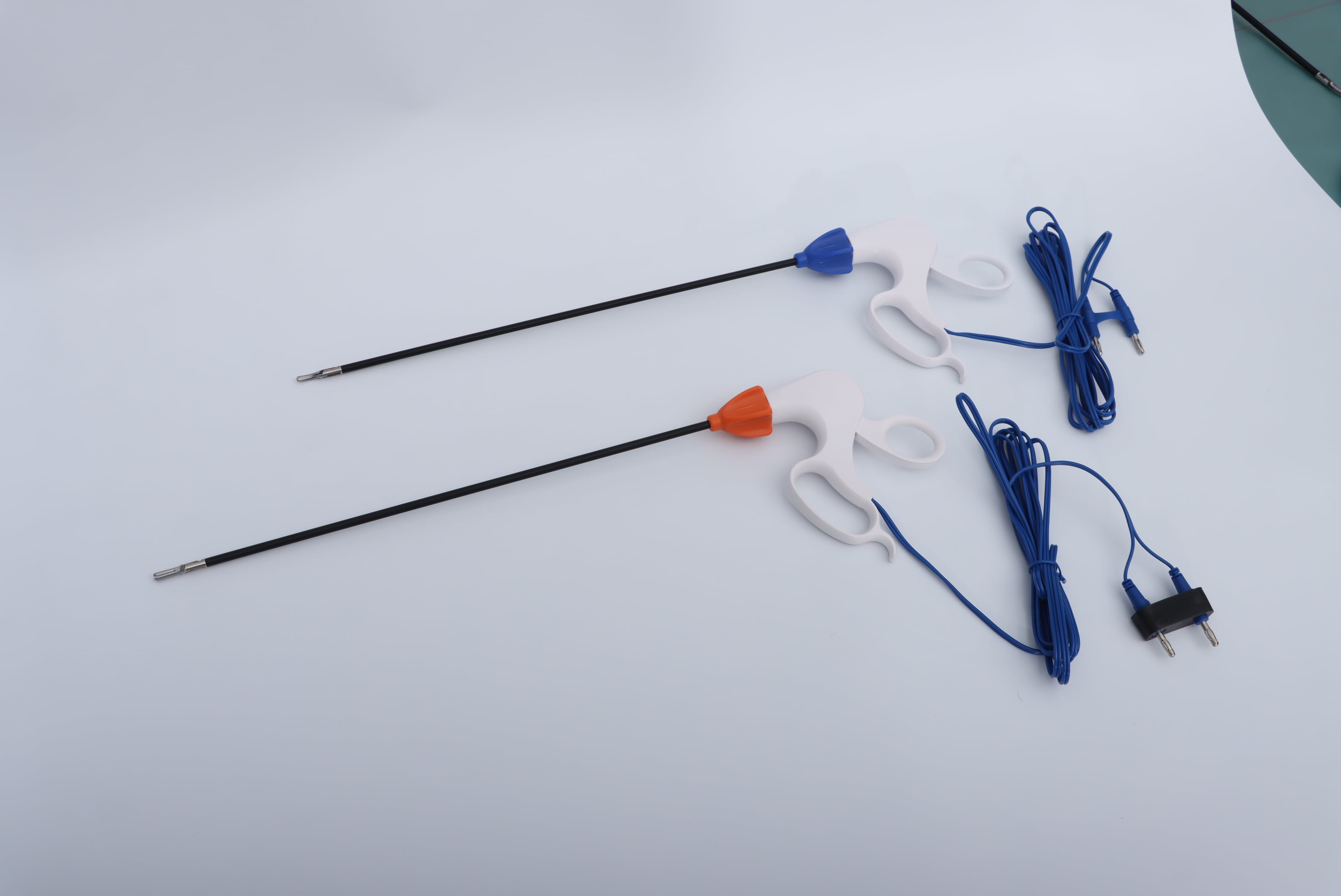
Thermal damage remains one of the most significant challenges in modern surgical practice, affecting patient recovery, tissue healing, and long-term outcomes. When surgeons perform delicate procedures near vital structures, the risk of unintended heat injury escalates dramatically. Bipolar instruments have emerged as a critical solution to this problem, fundamentally changing how surgical teams approach hemostasis and tissue management. Unlike traditional monopolar electrosurgery, which disperses energy across large tissue areas, bipolar instruments concentrate electrical current precisely between two electrodes, dramatically reducing collateral thermal damage and improving surgical safety.
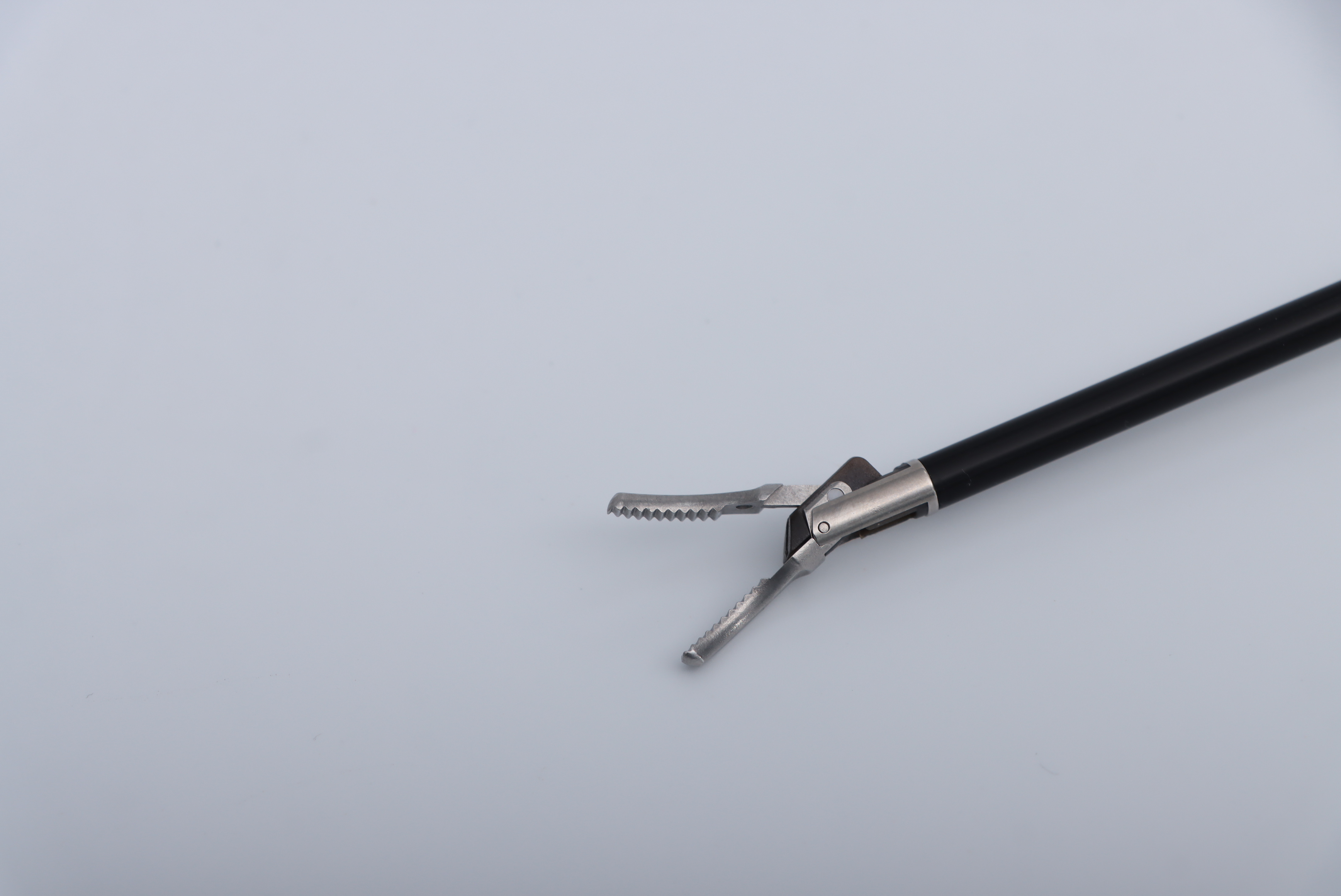
The surgical environment demands precision that standard tools often cannot deliver. Bipolar instruments address this challenge by employing a focused energy delivery system where current flows directly between the instrument tips rather than seeking a distant grounding pad. This localized approach means surgeons maintain exceptional control over thermal energy, protecting surrounding nerves, blood vessels, and sensitive tissues from unnecessary heat exposure. Understanding how bipolar instruments achieve this thermal protection is essential for surgical teams seeking to optimize patient safety and procedural outcomes.
Mechanisms Behind Thermal Protection
Localized Energy Delivery with Bipolar Instruments
Bipolar instruments work through a fundamentally different electrical pathway compared to monopolar systems. In monopolar electrosurgery, current enters through the operative site and exits through a grounding pad placed on the patient's body, creating a broad energy dispersal zone. Conversely, bipolar instruments contain both active and return electrodes within the same instrument, allowing energy to concentrate exclusively between the tips. This confined electrical circuit means the thermal effect remains isolated to the target tissue, with minimal heat dissipation into adjacent structures. The result is a dramatically reduced thermal injury zone, typically just a few millimeters, compared to the larger heat plumes created by monopolar systems.
Controlled Power Parameters and Precision Hemostasis
Modern bipolar instruments integrate advanced power control systems that allow surgeons to adjust energy levels based on tissue type and clinical requirements. These sophisticated bipolar instruments often feature automatic feedback mechanisms that detect tissue resistance and adjust electrical output in real-time, preventing overheating and thermal runaway. Surgeons using bipolar instruments can achieve reliable hemostasis with lower overall energy delivery compared to monopolar alternatives, translating directly to less thermal damage. The precision offered by bipolar instruments proves especially valuable in neurosurgery, otologic procedures, and vascular interventions where even minor thermal injury can compromise surgical outcomes and patient neurological function.
Clinical Advantages of Thermal Damage Reduction
Enhanced Patient Safety and Reduced Complication Rates
The thermal protection provided by bipolar instruments directly correlates with improved patient outcomes and lower complication rates. When surgeons employ bipolar instruments, they significantly reduce the incidence of nerve injury, particularly in procedures involving the facial nerve, recurrent laryngeal nerve, or brachial plexus. Studies consistently demonstrate that facilities transitioning to bipolar instruments experience measurable reductions in postoperative neurological deficits, wound complications, and delayed healing. The tissue preservation inherent to bipolar instruments means faster recovery times and reduced inflammation at the surgical site. Patients benefit from less postoperative pain, faster return to normal function, and improved aesthetic outcomes in cosmetic and reconstructive procedures.
Improved Visualization and Surgeon Control
Another significant advantage of bipolar instruments relates to surgical field clarity and tactile feedback. Because bipolar instruments produce minimal smoke and char compared to monopolar systems, surgeons maintain superior visualization throughout extended procedures. The reduced thermal plume from bipolar instruments means clearer operative fields, faster hemostasis, and better tissue identification. Surgeons report that bipolar instruments provide superior haptic feedback, allowing more precise tissue manipulation and better judgment during delicate dissection. This combination of visual clarity and tactile control makes bipolar instruments the preferred choice for microsurgical applications and minimally invasive procedures where precision is absolutely critical.
Specific Applications and Implementation Strategies
Surgical Specialties Maximizing Bipolar Instruments Benefits
Neurosurgery represents one of the most demanding applications for bipolar instruments, where thermal damage control directly impacts patient neurological preservation. In brain tumor resection, vascular malformation treatment, and functional neurosurgery, bipolar instruments protect critical neural structures through precise energy delivery. Otolaryngologic surgeons rely on bipolar instruments to preserve facial nerve function during parotid surgery, thyroid procedures, and lateral skull base surgery. Plastic and reconstructive surgeons utilize bipolar instruments to minimize scarring and thermal damage during delicate flap procedures and facial surgery. Vascular surgeons employ bipolar instruments to achieve hemostasis near critical vessels without compromising vessel patency or causing thrombotic complications. Even in general surgery, bipolar instruments enhance safety during procedures near bowel, bile ducts, and other sensitive structures.
Optimizing Workflow and Training Adoption
Implementing bipolar instruments effectively requires understanding instrument design, power settings, and operational technique. Modern bipolar instruments come in diverse configurations including forceps, clamps, and irrigating systems, each optimized for specific applications. Surgical teams should invest in comprehensive training programs that familiarize staff with bipolar instruments specifications and optimal usage patterns. Establishing standardized protocols for bipolar instruments across surgical suites ensures consistent performance and maximizes the thermal protection benefits. Quality assurance programs monitoring bipolar instruments maintenance and calibration prevent equipment-related thermal complications and maintain institutional best practices for patient safety.
FAQ
How do bipolar instruments compare to monopolar electrosurgery in terms of thermal damage?
Bipolar instruments deliver energy between two electrodes within the instrument itself, creating a confined thermal zone typically measuring just a few millimeters. Monopolar systems direct current from the operative site through the patient's body to a distant grounding pad, creating a much larger thermal injury area. This fundamental difference means bipolar instruments reduce thermal damage by 60-80% compared to monopolar alternatives in similar procedures, protecting surrounding tissues and critical structures more effectively.
Can bipolar instruments be used in all surgical procedures?
Bipolar instruments work best in procedures requiring precise hemostasis and tissue protection, making them ideal for neurosurgery, otologic surgery, and microsurgical applications. However, certain situations may require monopolar or combination approaches, such as large-area hemostasis or cutting applications. Surgeons should evaluate each case individually to determine whether bipolar instruments best serve the patient's clinical needs and procedural requirements, often finding that hybrid approaches utilizing both technologies optimize outcomes.
What maintenance and safety considerations apply to bipolar instruments?
Regular inspection and calibration of bipolar instruments prevents malfunction and thermal complications. Surgical teams must verify electrical connections, inspect electrode tips for wear or buildup, and follow manufacturer guidelines for cleaning and sterilization. Proper grounding and isolated generator operation ensure bipolar instruments function safely without electrical hazards. Documentation of bipolar instruments maintenance and periodic competency assessments for surgical staff maintain institutional safety standards and optimal patient protection.