 EN
EN

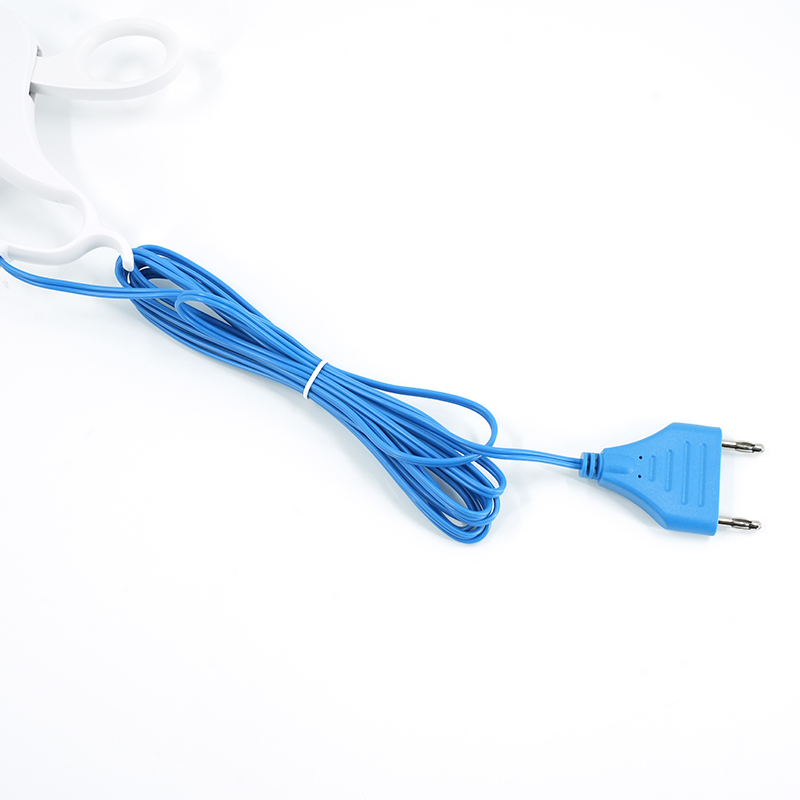
The reliability and effectiveness of bipolar instruments directly influence surgical outcomes and operational efficiency in modern surgical environments. Understanding the factors that impact performance stability is essential for surgical teams seeking consistent, predictable results during delicate procedures. Bipolar instruments operate under stringent conditions that demand precise engineering, quality material selection, and rigorous maintenance protocols to ensure they perform reliably across diverse clinical applications.
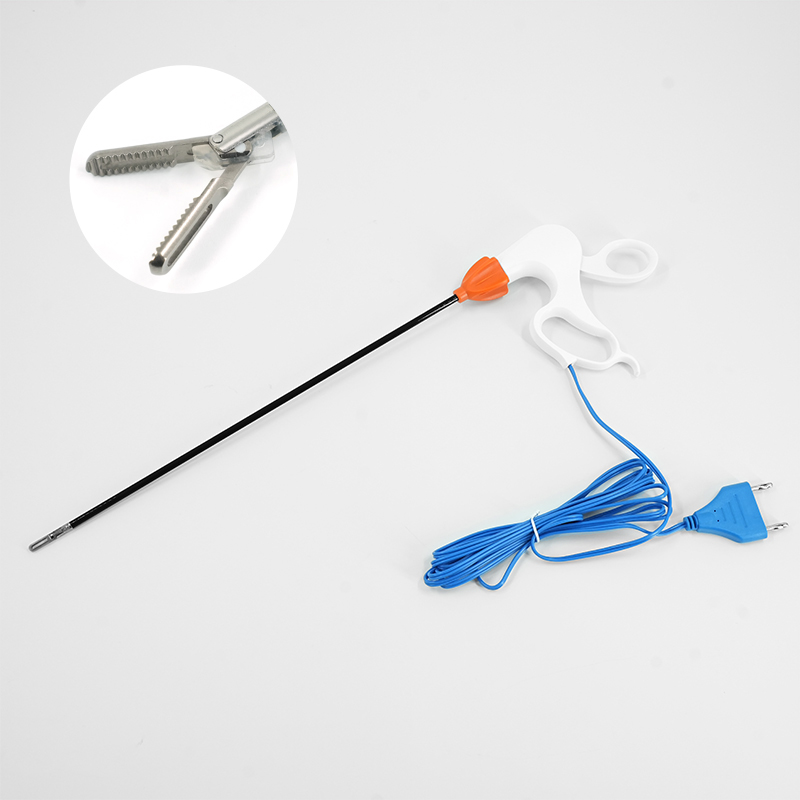
Performance stability in bipolar instruments stems from a combination of mechanical, electrical, and material-based factors that work together to maintain functionality and safety. Each component of these instruments contributes to their overall stability, from the electrode configuration to the insulation materials used. Surgical professionals must recognize how various design and operational elements influence stability to make informed decisions about instrument selection and care.
Design Architecture and Electrode Configuration
Bipolar Electrode Geometry Impact
The geometric design of electrodes in bipolar instruments fundamentally affects energy distribution and thermal stability during surgical procedures. Properly engineered electrodes minimize energy scatter and concentrate current flow precisely where needed, reducing thermal stress on surrounding tissues and the instrument itself. When electrode tips maintain consistent spacing and alignment, bipolar instruments deliver more predictable energy application, which directly translates to improved surgical control and reduced tissue trauma. Electrode diameter, surface finish, and tip configuration all influence how effectively the instrument transmits energy while maintaining thermal equilibrium.
Insulation Quality and Material Integrity
Superior insulation materials form the foundation of reliable bipolar instruments performance, preventing electrical current leakage and ensuring safe energy containment. High-quality insulation resists degradation from repeated sterilization cycles, prolonged exposure to irrigation fluids, and mechanical stress during use. When insulation remains intact, bipolar instruments maintain electrical consistency and prevent unwanted current dispersion that could compromise surgical precision. The choice between silicone, polyimide, and specialized ceramic coatings significantly impacts long-term stability and durability of the instrument during its operational lifespan.
Material Composition and Manufacturing Precision
Stainless Steel Grade Selection
The grade of stainless steel used in manufacturing bipolar instruments directly influences corrosion resistance, structural rigidity, and electrical conductivity. Surgical-grade stainless steel, typically 300-series alloys, resists oxidation and maintains consistent properties across sterilization cycles. High-quality bipolar instruments manufactured from premium stainless steel exhibit minimal electrical resistance drift, ensuring stable energy delivery throughout the instrument's service life. Inferior material grades develop surface irregularities and electrical inconsistencies that progressively degrade instrument performance and reliability.
Manufacturing Tolerances and Assembly Quality
Precision manufacturing processes determine whether bipolar instruments maintain mechanical and electrical stability across multiple clinical uses. Tight tolerances in electrode alignment, shaft straightness, and connection points ensure consistent performance characteristics. When manufacturing standards remain rigorous, bipolar instruments deliver uniform energy application and predictable handling characteristics that surgeons depend upon. Poor assembly practices introduce micro-gaps, misalignments, and weak contact points that cause electrical resistance variations and mechanical instability.
Sterilization Impact and Maintenance Requirements
Sterilization Cycle Effects on Stability
Repeated exposure to high-temperature steam sterilization inevitably stresses the materials and insulation systems within bipolar instruments, requiring careful protocol adherence to preserve stability. Excessive heat cycles accelerate insulation degradation and promote micro-cracking in electrode coatings, reducing instrument longevity and reliability. Establishing appropriate sterilization parameters, including temperature, pressure, and cycle frequency, helps maintain the electrical and mechanical integrity of bipolar instruments throughout their operational life. Manufacturers often specify maximum sterilization cycles to guide surgical facilities in equipment lifecycle management.
Cleaning Protocols and Corrosion Prevention
Proper cleaning protocols between procedures play a critical role in maintaining the performance stability of bipolar instruments, preventing biofilm accumulation and material degradation. Using appropriate enzymatic cleaners followed by thorough rinsing removes tissue residue that could corrode metal surfaces and compromise electrical conductivity. When bipolar instruments receive consistent, gentle cleaning before sterilization, their functional lifespan extends significantly and stability markers remain within acceptable ranges. Aggressive scrubbing or chemical exposure damages electrode coatings and insulation, accelerating performance decline and potential failure during clinical use.
Electrical Performance and Functional Stability
Impedance Consistency and Energy Delivery
The electrical impedance of bipolar instruments must remain stable and predictable to ensure consistent tissue effect and surgeon control during procedures. Impedance variations caused by insulation breakdown, electrode corrosion, or manufacturing defects result in unpredictable energy delivery and compromised surgical outcomes. When bipolar instruments maintain consistent impedance characteristics, energy settings remain reliable and repeatable across multiple procedures. Regular impedance testing provides early warning of degradation and helps identify instruments requiring service or retirement.
Connection Integrity and Contact Resistance
The contact points between the instrument handpiece and electrosurgical unit significantly influence the overall stability of bipolar instruments and system performance. Loose connections, corroded contacts, or worn coupling mechanisms increase electrical resistance and introduce performance variability. When connection integrity remains excellent, bipolar instruments deliver predictable electrical characteristics and maintain stable energy transmission to target tissues. Facilities should routinely inspect connection areas for visible corrosion or damage and replace worn contacts promptly to preserve system stability.
Environmental and Operational Factors
Temperature and Humidity Management
Storage conditions significantly affect the long-term stability of bipolar instruments, particularly the insulation materials and electrode coatings that preserve electrical function. Extreme temperature fluctuations and high humidity accelerate degradation of insulation polymers and promote corrosion on metal surfaces. Maintaining stable storage environments with moderate temperature and controlled humidity helps preserve the performance characteristics of bipolar instruments during their entire service life. Surgical facilities should establish storage protocols that protect instruments from temperature shock and moisture exposure.
Usage Frequency and Operational Stress
The frequency of use and intensity of surgical demands directly impact how quickly the performance stability of bipolar instruments declines over time. Instruments experiencing continuous high-frequency use face accelerated wear on moving components, insulation stress, and electrode surface degradation. Rotating instruments through a sufficient inventory allows adequate time between procedures for thorough cleaning and stress relief, extending the stability period for each tool. Facilities should establish usage tracking systems to monitor when bipolar instruments approach typical lifecycle endpoints and plan replacement accordingly.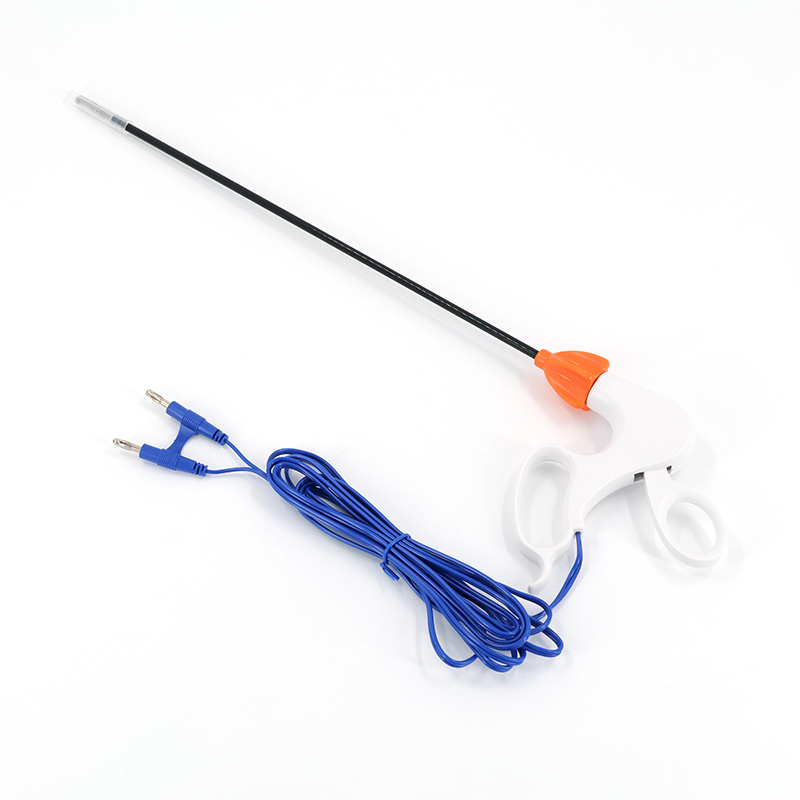
FAQ
What are the primary warning signs that bipolar instruments stability is declining?
Warning signs include inconsistent tissue effect despite stable energy settings, visible electrode coating damage, increased difficulty handling due to mechanical stiffness, and audible electrical crackling during operation. If surgeons notice that familiar energy settings produce unpredictable results, the bipolar instruments likely require inspection and possible repair or replacement. Documentation of performance changes helps surgical teams identify stability issues before they compromise patient outcomes or surgical efficiency.
How often should bipolar instruments undergo testing to verify stability?
Most surgical facilities should perform visual inspections before each use and conduct comprehensive impedance and functional testing quarterly or after significant usage periods. The specific testing schedule depends on instrument usage volume and the facility's quality management protocols. High-volume surgical centers may benefit from monthly testing to ensure that bipolar instruments maintain optimal stability throughout their service lifecycle and continue meeting safety and performance standards.
Can maintenance procedures restore stability to degraded bipolar instruments?
Basic maintenance such as professional cleaning and electrode reconditioning can often restore partial function to bipolar instruments with early-stage degradation. However, instruments with significant electrode damage, insulation breakdown, or structural issues typically require replacement rather than repair. Surgical facilities should work with qualified instrument specialists to assess whether maintenance is viable or whether investing in replacement bipolar instruments offers better long-term value and safety assurance.