 EN
EN

In modern surgery, the wound protector has become an essential tool for maintaining a clean operative field, reducing contamination, and preserving surrounding tissue integrity. While many surgical teams focus primarily on technique and instrumentation, the underlying material composition of a wound protector plays an equally critical role in determining how well it performs under the demanding conditions of an operating room. Understanding the relationship between material design and clinical performance helps surgeons, procurement specialists, and hospital administrators make better-informed decisions.
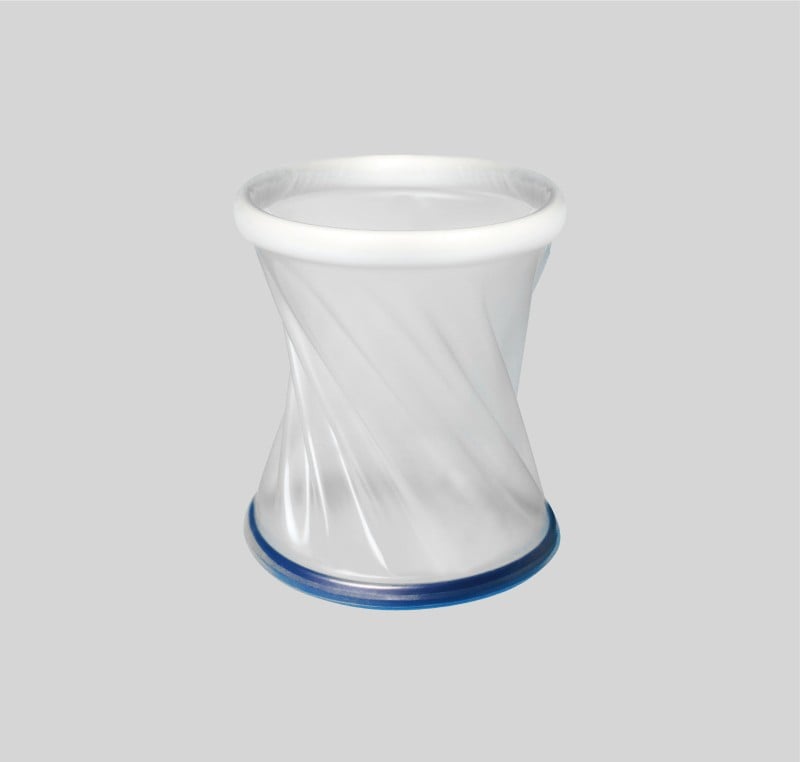
A wound protector is designed to create a physical barrier between the wound edges and the surgical instruments, fluids, and bacterial contaminants that circulate during an operative procedure. The materials used to construct each component of a wound protector directly influence its flexibility, retraction capability, resistance to fluid infiltration, and overall durability throughout the procedure. This article examines how specific material choices affect wound protector performance across the key dimensions that matter most in surgical settings.
Structural Materials and Their Role in Retraction
Rigid Ring Composition
The rigid ring component of a wound protector is typically constructed from medical-grade polypropylene or high-density polyethylene. These materials offer the mechanical stiffness needed to maintain consistent wound edge retraction without deforming under pressure. A wound protector with a properly designed rigid ring distributes retraction force evenly along the wound margin, reducing localized tissue trauma. When the ring material lacks adequate rigidity, the wound protector may collapse inward, compromising exposure and increasing the risk of incidental tissue damage during instrument passage.
The dimensional stability of the ring material also matters over the duration of a procedure. A wound protector used in a long operation must resist deformation caused by repeated instrument contact. High-quality polymer compounds maintain their shape under sustained mechanical stress, which ensures that the wound protector continues to perform its retraction function from incision to closure.
Flexibility in Sleeve Design
The sleeve connecting the inner and outer rings of a wound protector is often made from low-density polyethylene film or thermoplastic elastomers. These materials allow the sleeve of the wound protector to stretch, twist, and accommodate a wide range of instrument angles without tearing. A wound protector sleeve that is too rigid will limit surgical access and create friction against instruments, while one that is too thin or fragile may rupture during vigorous manipulation. Material thickness, tensile strength, and elongation properties must all be balanced in the design of an effective wound protector sleeve.
Barrier Properties and Contamination Control
Fluid Resistance of the Wound Protector Film
One of the most critical functions of a wound protector is preventing wound edge contamination from bowel contents, peritoneal fluid, or irrigation solutions. The film material used in the wound protector sleeve must provide a reliable liquid barrier throughout the procedure. High-density films with tightly controlled molecular structures significantly reduce the risk of fluid seepage through microscopic pores. When a wound protector uses substandard film material, the barrier integrity can degrade under the combined effects of mechanical stretching and prolonged fluid exposure, negating much of its protective value.
Studies on surgical site infection have consistently identified wound edge contamination as a contributing factor in postoperative complications. A wound protector with robust fluid-resistant film material reduces the transfer of luminal bacteria to the wound margin, which is particularly valuable in colorectal and abdominal procedures where contamination risk is high. Material selection in this context is directly linked to patient safety outcomes, making it far more than a simple procurement decision.
Surface Texture and Microbial Adhesion
The surface finish of a wound protector also plays a role in contamination control. Smooth, non-porous polymer surfaces on a wound protector reduce the likelihood of microbial adhesion and biofilm formation during a procedure. Some advanced wound protector materials incorporate antimicrobial additives or surface treatments that further reduce contamination risk. While not universally adopted, these enhancements reflect how material science continues to improve wound protector design beyond basic mechanical protection.
Material Design and Practical Surgical Performance
Tissue Compatibility and Trauma Reduction
A wound protector must contact delicate wound edges for the entire duration of a procedure, sometimes several hours. The material in contact with tissue must be biocompatible, non-reactive, and gentle enough to avoid causing additional trauma. Medical-grade polymers used in a wound protector undergo rigorous cytotoxicity and biocompatibility testing to confirm they do not cause irritation, allergic response, or tissue necrosis at the wound margin. The mechanical compliance of the inner ring material is especially important, as it must conform to varied incision geometries without creating pressure points that could devascularize wound edges.
Surgeons working with laparoscopic or hand-assisted techniques rely on a wound protector that allows natural tissue movement without excessive pressure. Material stiffness must be calibrated to provide retraction without impeding circulation to the wound edges. A well-engineered wound protector achieves this balance through precise material selection rather than simply increasing thickness or rigidity.
Handling, Deployment, and Material Convenience
The ease with which a wound protector can be inserted and adjusted intraoperatively also depends on material properties. Low-friction surface materials allow a wound protector to glide smoothly into place without requiring excessive force that could traumatize the wound. Memory-efficient polymer rings in a wound protector spring into their working shape reliably after compression during insertion through small incisions. This deployment behavior depends entirely on the elastic recovery properties of the chosen polymer, reinforcing how material design governs everyday usability. Surgical teams that work with a wound protector regularly recognize that consistent, predictable deployment saves time and reduces procedural disruption.
FAQ
Why does material quality matter in a wound protector?
Material quality directly determines how well a wound protector retains its shape, maintains its fluid barrier, and protects tissue throughout the procedure. Low-quality materials can compromise every functional aspect of a wound protector, increasing contamination and tissue trauma risks.
What materials are commonly used in a wound protector?
Most wound protector devices use medical-grade polypropylene or high-density polyethylene for the rigid rings and low-density polyethylene film or thermoplastic elastomers for the sleeve. Each material is selected in a wound protector for its specific mechanical and barrier properties.
Can material design in a wound protector affect infection rates?
Yes. The fluid resistance and surface finish of a wound protector directly affect how effectively it blocks contamination at the wound margin. Using a wound protector with high-integrity film materials has been associated with reduced wound edge contamination, which contributes to lower surgical site infection rates.