 EN
EN

Modern surgical practice demands comprehensive strategies to minimize complications and enhance patient outcomes. Among the essential tools that support incision safety control, the wound protector stands as a critical barrier device designed to address multiple risk factors simultaneously. This specialized surgical instrument serves as a mechanical interface between the incision edge and the external environment, providing protection that extends beyond simple retraction. Understanding the multifaceted role of a wound protector in incision safety control requires examining its design principles, mechanisms of action, and clinical impact across various surgical scenarios.
The wound protector functions as a primary defense system during surgical procedures, particularly in operations involving contaminated fields or requiring extended incision access. By establishing a protected channel through the abdominal wall or other surgical sites, the wound protector creates a controlled environment that reduces direct tissue contact with potentially harmful substances. This protective role becomes especially significant in procedures where the risk of surgical site infection remains elevated due to anatomical location, patient factors, or procedural complexity. The device integrates seamlessly into surgical workflows while delivering measurable safety benefits that align with contemporary infection prevention protocols.
Physical Barrier Function and Contamination Prevention
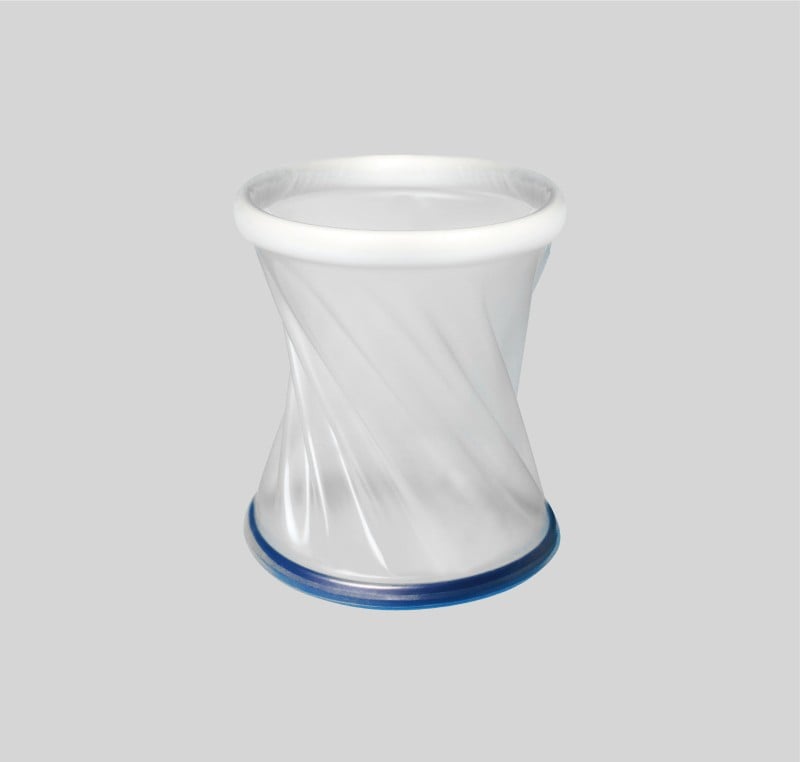
The primary mechanism through which a wound protector contributes to incision safety control involves establishing a physical barrier between the incision margins and potential contaminants. During laparoscopic procedures, open surgeries, or minimally invasive operations, the wound protector creates a sealed interface that prevents direct contact between instruments, specimens, or bodily fluids and the vulnerable wound edges. This barrier function proves particularly valuable in gastrointestinal surgeries where bacterial translocation from the intestinal tract represents a significant infection risk. The wound protector's dual-ring design typically features an external ring that anchors against the skin surface and an internal ring that sits within the peritoneal cavity, with a protective sleeve connecting these components to form a continuous barrier.
Microbial Contamination Control
Research demonstrates that a wound protector significantly reduces bacterial colonization at the incision site by limiting exposure to endogenous flora during procedures involving hollow viscera. The device contains microbial migration by encapsulating the wound edges within a sterile sleeve, effectively isolating the subcutaneous tissue and fascia from luminal contents. During colorectal resections, appendectomies, or biliary procedures, the wound protector maintains this protective envelope throughout specimen extraction and anastomosis construction. Clinical studies indicate that proper wound protector application correlates with measurably lower rates of surgical site infections compared to conventional retraction methods. The barrier remains intact even during vigorous manipulation, preventing the inoculation of skin commensals or enteric bacteria into deeper tissue layers.
Chemical and Thermal Protection
Beyond microbial barriers, the wound protector shields incision margins from chemical irritation caused by irrigating solutions, antiseptic agents, or cautery smoke. The sleeve material resists degradation from surgical prep solutions and maintains integrity when exposed to electrocautery plumes that contain cellular debris and potentially mutagenic compounds. This chemical resistance ensures that the wound protector continues to function effectively throughout extended procedures without material breakdown. Additionally, the device provides thermal insulation that protects tissue from heat transfer during energy-based dissection, reducing the risk of inadvertent thermal injury to the wound edges. These protective properties make the wound protector an essential component in maintaining incision safety control across diverse surgical contexts.
Mechanical Tissue Protection and Trauma Reduction
A wound protector plays a crucial role in incision safety control by minimizing mechanical trauma to delicate tissue structures surrounding the surgical access point. Traditional retraction methods often concentrate pressure on specific tissue areas, leading to ischemia, crush injury, or nerve damage. The wound protector distributes retraction forces more evenly across the incision perimeter through its ring-based design, reducing localized pressure points that cause tissue ischemia. This even force distribution maintains adequate tissue perfusion throughout the procedure while providing the exposure surgeons need for safe dissection and reconstruction. The smooth inner surface of the wound protector sleeve eliminates friction-related trauma during instrument passage and specimen retrieval.
Edge Protection During Specimen Extraction
During oncologic resections or organ retrievals, the wound protector becomes particularly valuable for protecting incision edges from mechanical trauma during specimen removal. Large specimens with irregular surfaces, sharp bony fragments, or bulky dimensions can cause tissue tearing or contamination during extraction through an unprotected incision. The wound protector creates a smooth-walled conduit that allows controlled specimen passage without scraping or snagging on subcutaneous structures. This protection proves essential in maintaining incision integrity, particularly when specimen size approaches or exceeds initial incision dimensions. Surgeons can enlarge the internal aperture of many wound protector designs without removing the device, accommodating unexpectedly large specimens while preserving the protective barrier throughout extraction.
Prevention of Inadvertent Organ Injury
The wound protector contributes to incision safety control by preventing inadvertent injury to organs adjacent to the surgical access site. During laparoscopic procedures requiring hand-assist techniques or hybrid approaches, the wound protector maintains a defined working channel that keeps bowel loops, omentum, or other structures away from the incision margins. This spatial organization reduces the risk of accidental enterotomy, vessel injury, or visceral trauma during instrument manipulation. The transparent or translucent material used in many wound protector designs allows visual confirmation of proper positioning and continuous monitoring of the protected space. This visibility enhancement supports safer surgical technique by making the anatomical relationships clearer throughout the procedure.
Integration With Infection Prevention Protocols
Within comprehensive surgical safety programs, the wound protector functions as a key element of multimodal infection prevention strategies. Modern incision safety control protocols recognize that single interventions rarely achieve optimal outcomes, requiring instead layered approaches that address multiple risk pathways simultaneously. The wound protector complements other preventive measures such as preoperative antibiotic prophylaxis, skin antisepsis, glycemic control, and normothermia maintenance. Evidence-based guidelines increasingly recommend wound protector use in contaminated or clean-contaminated cases as part of standard practice rather than optional enhancement. This integration reflects growing recognition that device-based barriers provide reliable, consistent protection that does not depend on individual technique variation or compliance with complex protocols.
Risk Stratification and Selective Application
Effective wound protector utilization within incision safety control frameworks requires appropriate risk stratification to identify procedures and patients most likely to benefit from this intervention. Colorectal operations, emergency abdominal surgeries, and procedures involving infected or contaminated fields represent high-risk scenarios where wound protector application delivers substantial infection reduction. Patient-specific factors including obesity, diabetes, immunosuppression, or malnutrition further elevate baseline infection risk, making wound protector use particularly valuable in these populations. Hospitals implementing wound protector protocols typically develop criteria-based algorithms that guide surgical teams in selecting appropriate cases for device application. These protocols balance cost considerations against potential benefits, focusing resources on situations where wound protector use produces the greatest marginal improvement in safety outcomes.
Standardization and Quality Improvement
Incorporating the wound protector into standardized surgical checklists and quality improvement initiatives strengthens institutional commitment to incision safety control. Many healthcare systems now include wound protector availability verification as a standard preoperative checklist item for designated procedure types. This standardization reduces variation in practice patterns and ensures consistent application of evidence-based protective measures. Quality improvement programs tracking surgical site infection rates can correlate wound protector utilization with outcome metrics, providing data-driven feedback that reinforces appropriate use. The wound protector's discrete, easily documented application makes it an ideal target for quality initiatives seeking measurable interventions with clear implementation endpoints. Organizations report that systematic wound protector adoption contributes to broader cultural shifts toward proactive complication prevention rather than reactive management.
FAQ
How does a wound protector differ from standard surgical retractors in providing incision safety control?
A wound protector provides comprehensive barrier protection through a sealed sleeve system, whereas standard retractors only provide mechanical exposure without contamination barriers. The wound protector creates a continuous physical barrier between the incision edges and potential contaminants throughout the procedure, actively preventing microbial translocation and chemical exposure. Standard retractors focus solely on tissue displacement for visualization, often concentrating pressure on specific tissue areas without distributing forces evenly. This fundamental design difference makes the wound protector superior for incision safety control in contaminated or high-risk procedures where infection prevention takes priority alongside adequate surgical exposure.
Can a wound protector be reused across multiple surgical cases to reduce costs?
No, the wound protector is designed as a single-use disposable device and should never be reused across different patients. Reprocessing compromises the material integrity of the barrier sleeve, potentially creating microscopic defects that eliminate protective function. The wound protector contacts both sterile internal tissues and external skin surfaces during use, making effective sterilization practically impossible without damaging the device. Manufacturers design the wound protector for single-patient use within established sterilization and quality control parameters. Attempting to reuse a wound protector violates infection control principles, increases contamination risk, and may expose healthcare facilities to liability concerns. The cost-effectiveness of the wound protector derives from preventing expensive surgical site infections rather than from device reuse.
What size wound protector should be selected for optimal incision safety control in abdominal surgery?
Wound protector sizing should match the planned incision length while accounting for tissue thickness and anticipated specimen dimensions. Most manufacturers offer the wound protector in multiple diameter options ranging from small pediatric sizes to large bariatric specifications. The wound protector should fit snugly within the incision without excessive tension on tissue edges or loose gaps that compromise barrier function. For laparoscopic hand-assist procedures, the wound protector diameter should accommodate comfortable hand insertion while maintaining an effective seal. Obese patients typically require larger wound protector sizes to account for increased subcutaneous tissue depth. Surgeons should assess anticipated specimen size preoperatively and select a wound protector diameter that allows extraction without forced manipulation that could tear tissue or breach the protective barrier.