 EN
EN

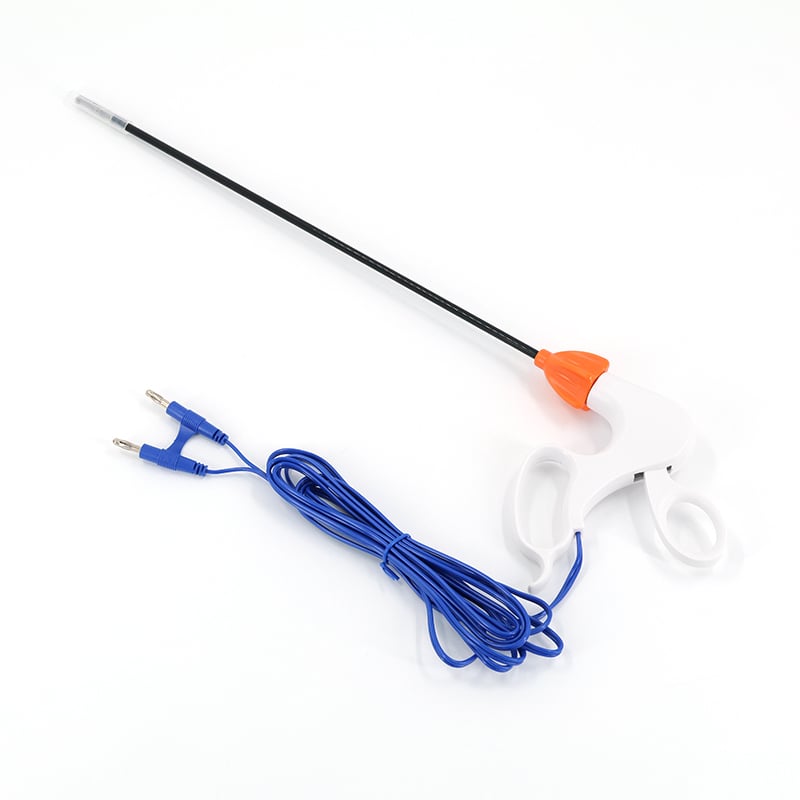
Postoperative recovery outcomes depend heavily on surgical site management and infection prevention strategies. A wound protector serves as a critical barrier device designed to shield incision edges during surgical procedures, directly influencing recovery speed and complication rates. Understanding how a wound protector contributes to improved postoperative outcomes requires examining its role in tissue preservation, contamination prevention, and surgical efficiency enhancement.
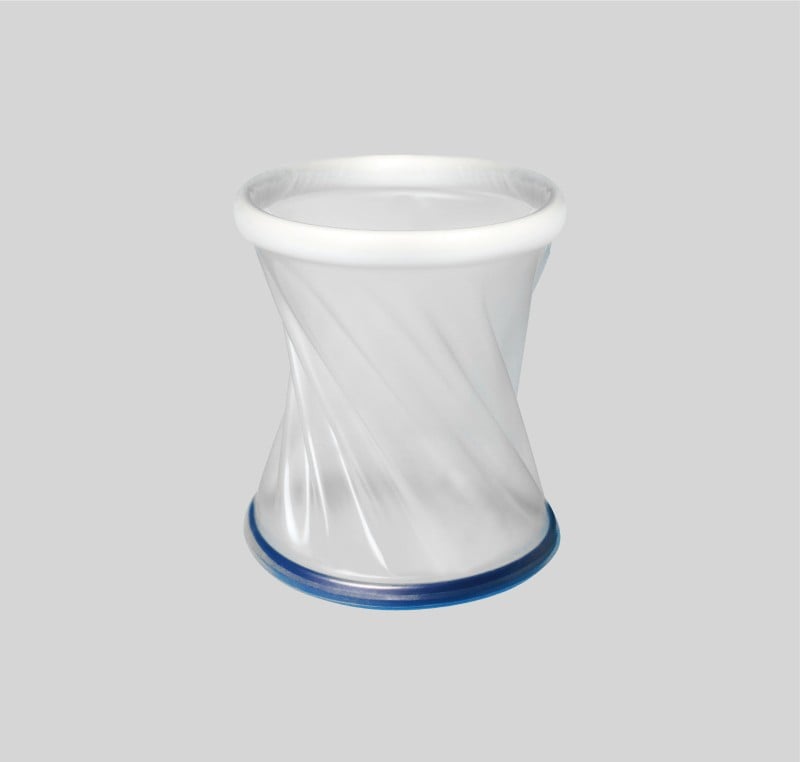
The integration of a wound protector into surgical protocols addresses multiple risk factors that traditionally compromise patient recovery. From mechanical trauma reduction to bacterial barrier establishment, the wound protector functions as a multifaceted protective system. Surgical teams increasingly recognize that wound protector deployment correlates with measurable improvements in healing timelines, reduced hospital stays, and lower reoperation rates across various surgical specialties.
Infection Prevention Through Physical Barrier Protection
Microbial Contamination Control Mechanisms
A wound protector establishes a sterile boundary between the external environment and exposed internal tissues during open surgical procedures. The device prevents bacterial migration from skin flora into the surgical field, reducing surgical site infection rates significantly. Clinical evidence demonstrates that wound protector usage decreases contamination events during abdominal surgeries, colorectal procedures, and other high-risk operations where infection control remains paramount.
The wound protector design incorporates smooth inner surfaces that minimize friction against organs while maintaining constant tension along incision margins. This configuration prevents tissue contact with potentially contaminated instruments or external surfaces. Studies show that a properly deployed wound protector reduces postoperative infection incidence by up to forty percent in contaminated surgical fields, directly translating to faster recovery and reduced antibiotic dependence.
Barrier Integrity During Extended Procedures
Extended surgical duration increases infection risk exponentially without adequate protective measures. A wound protector maintains consistent barrier function throughout lengthy operations, unlike traditional retraction methods that may compromise tissue integrity over time. The device sustains protective coverage even during instrument exchanges, specimen extraction, and surgical field adjustments, ensuring continuous wound protector effectiveness.
The wound protector material resists tearing and maintains elasticity under sustained tension, preventing barrier failure during critical surgical phases. This durability ensures that the wound protector continues protecting incision edges regardless of operative complexity or duration. Surgeons report that wound protector reliability contributes to procedural confidence and allows focus on surgical precision rather than contamination concerns.
Mechanical Tissue Trauma Reduction
Edge Protection Against Instrument Damage
Surgical instruments frequently contact incision edges during retraction, dissection, and suturing phases, causing unintended tissue trauma. A wound protector cushions these interactions, distributing mechanical forces evenly across protected margins. The wound protector prevents direct instrument-to-tissue abrasion, reducing cellular damage that delays healing and increases inflammatory responses postoperatively.
The wound protector configuration creates a smooth working channel that guides instruments without catching or tearing delicate tissues. This protection proves especially valuable during laparoscopic conversions, emergency procedures, and surgeries requiring multiple instrument passes. Research indicates that wound protector implementation reduces incision edge trauma markers by measurable margins, correlating with improved wound healing scores during recovery assessment.
Minimizing Thermal and Chemical Injury
Electrosurgical devices and chemical irrigants pose additional injury risks to exposed wound edges during surgery. A wound protector shields incision margins from inadvertent thermal contact and prevents caustic solution pooling along tissue borders. This protection maintains tissue viability at wound edges, supporting primary healing without secondary damage complications.
The wound protector material demonstrates thermal resistance sufficient to deflect heat transfer from electrocautery and ultrasonic devices. Simultaneously, the wound protector design prevents irrigation fluid accumulation at the incision interface, reducing maceration risk. Surgeons utilizing a wound protector report fewer delayed healing cases attributed to intraoperative tissue injury, with corresponding improvements in patient recovery metrics.
Surgical Efficiency and Recovery Timeline Optimization
Facilitated Visualization and Access
A wound protector enhances surgical field exposure by maintaining consistent incision diameter without continuous manual retraction. This stable access allows surgeons to work efficiently while the wound protector simultaneously protects tissues. The wound protector eliminates the need for assistant-held retractors in many cases, reducing personnel fatigue and improving procedural flow.
The wound protector transparent material permits visualization of incision depth and surrounding structures without removal, supporting real-time anatomical assessment. This feature allows the surgical team to verify wound protector positioning and adjust as needed without compromising sterility. Enhanced efficiency enabled by the wound protector contributes to reduced anesthesia time, which independently correlates with improved postoperative recovery outcomes.
Specimen Extraction Without Contamination
During oncological procedures, the wound protector prevents tumor cell spillage into the incision during specimen removal. The device creates a contained extraction pathway that minimizes direct tissue contact with potentially malignant materials. This wound protector function proves critical in maintaining oncological principles while protecting wound edges from seeding, which could compromise long-term recovery and outcomes.
The wound protector accommodates varying specimen sizes through elastic expansion while maintaining seal integrity. This adaptability allows safe extraction without enlarging incisions unnecessarily, preserving smaller wound dimensions that heal faster with fewer complications. Patients undergoing procedures with wound protector-assisted extraction demonstrate reduced incisional complications and faster return to normal activities compared to traditional extraction methods.
FAQ
What types of surgeries benefit most from wound protector usage?
A wound protector provides significant benefits across abdominal surgeries, colorectal procedures, gynecological operations, and any case involving contaminated or potentially contaminated surgical fields. The wound protector proves particularly valuable in laparoscopic conversions, emergency surgeries, and oncological resections where infection risk and tissue protection remain critical. General surgery, bariatric procedures, and hepatobiliary operations routinely incorporate wound protector technology to enhance patient safety and recovery outcomes.
How does a wound protector differ from traditional surgical retractors?
Unlike conventional retractors that only provide exposure, a wound protector combines retraction with comprehensive edge protection and barrier function. Traditional retractors contact tissue directly and require manual holding, while the wound protector maintains self-retaining position with integrated protection. The wound protector prevents contamination and mechanical trauma simultaneously, offering multifunctional benefits that standard retractors cannot provide. This distinction makes the wound protector a superior choice for procedures where infection control and tissue preservation directly impact recovery quality.
Can wound protector implementation reduce hospital readmission rates?
Clinical data supports that wound protector usage correlates with reduced surgical site infection rates, which represent a leading cause of postoperative readmissions. By preventing infections and minimizing wound complications, the wound protector indirectly contributes to lower readmission frequencies. Healthcare facilities report measurable decreases in thirty-day readmission rates for procedures incorporating wound protector protocols compared to similar operations without this protective technology. The wound protector investment yields both clinical outcome improvements and healthcare cost reductions through complication prevention.